Acoustic Art: 2026's Trend for Stylish Soundproofing
Unwanted noise disrupts the peace in even the most thoughtfully designed spaces. Traffic sounds filtering through windows, voices carrying across open layouts, or echoes bouncing off hard surfaces all contribute to daily stress. Traditional remedies like bulky foam or thick curtains often compromise aesthetics for functionality. Acoustic art changes this dynamic by combining effective noise reduction with elements of beauty and personalization.
These solutions position sound management as an integral part of decor. Panels and features now incorporate vibrant colors, varied textures, and custom patterns that enhance rather than detract from a room's character. Homeowners and designers alike embrace this shift, recognizing that quiet environments foster better focus, relaxation, and overall well-being.
Defining Acoustic Art
Selecting Materials for Your Space
Material choice influences both the acoustic performance and the visual impact of your installation. Consider the room's primary use, existing decor, and desired maintenance level when deciding. Each type offers unique benefits, allowing for tailored applications that align with personal style.
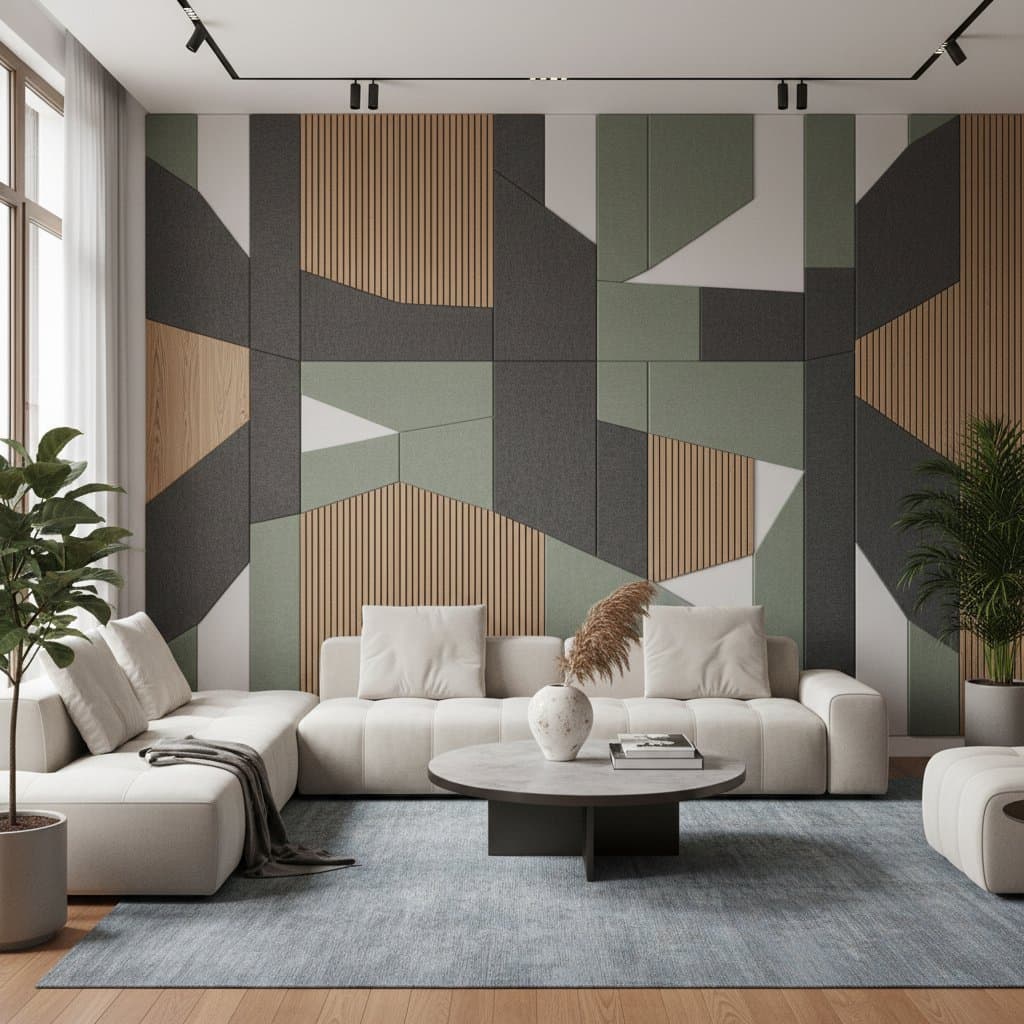
- Felt panels: These provide excellent absorption for frequencies above 500 Hz and come in hues from neutrals to bold primaries. Cut them into hexagons or waves for contemporary accents in home offices or playrooms.
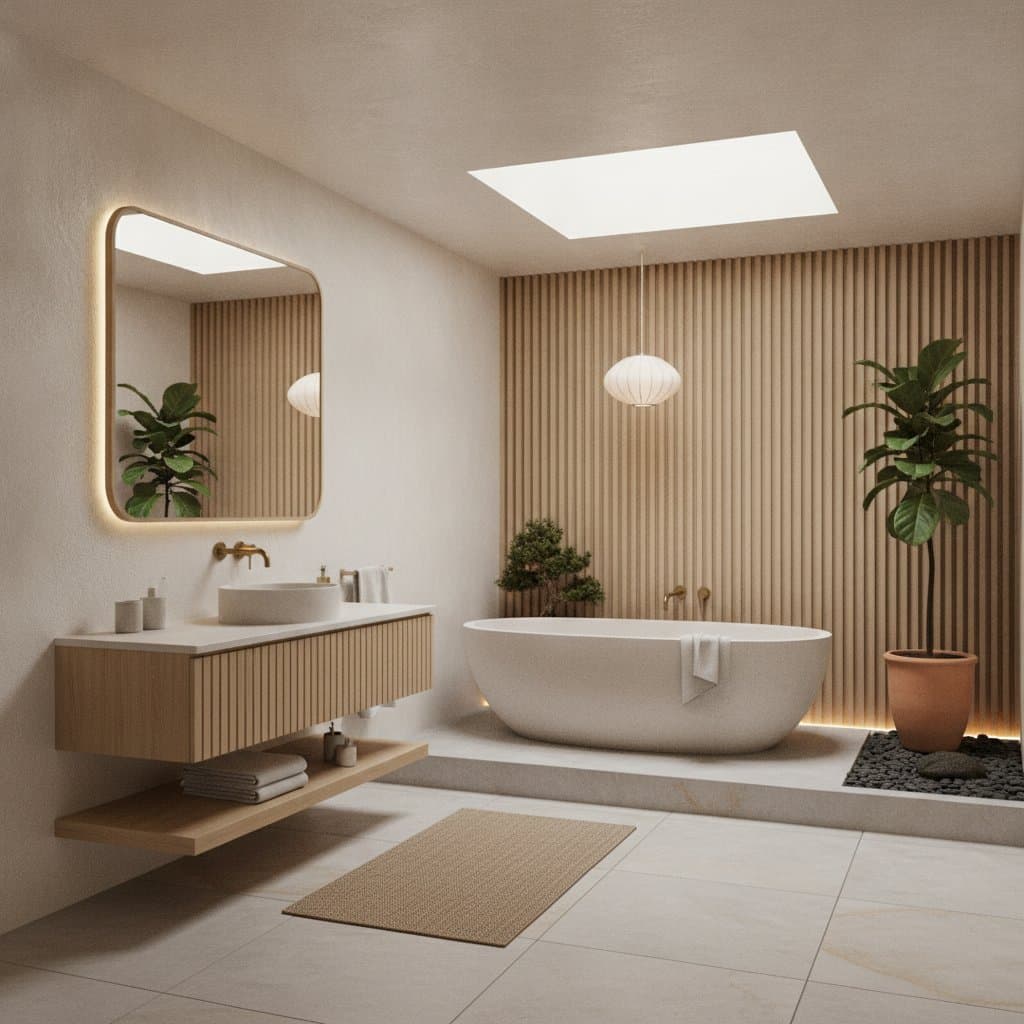
- Wood slat systems: Backed by acoustic underlayers, they diffuse sound while adding organic texture. Arrange in vertical lines to draw the eye upward, suiting dining areas or libraries with warm, natural vibes.
- Cork tiles: Naturally resilient and eco-sourced, cork handles impacts well and absorbs vibrations. Tile them in subtle patterns for kitchens or hallways, where durability meets understated elegance.
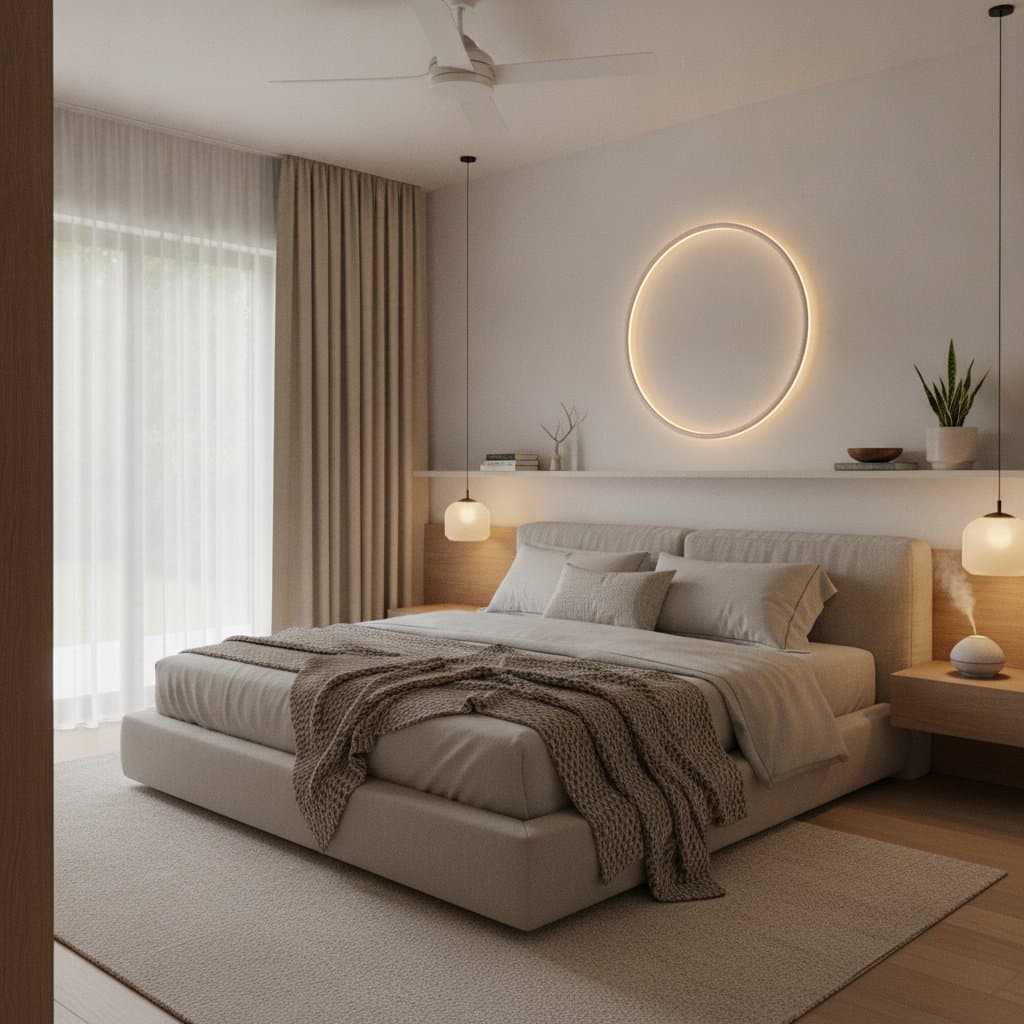
Fabric-wrapped options allow for seamless coordination with upholstery or artwork, ideal for bedrooms seeking a plush, inviting feel. Printed versions replicate landscapes or abstracts, turning a home theater wall into a focal point that quiets surround sound without visual clutter.
Installation Approaches: DIY and Expert Guidance
Many acoustic art products support straightforward self-installation, empowering users to refresh spaces affordably. Start with surface preparation: clean walls thoroughly and measure twice to ensure even placement. Peel-and-stick felt or cork adheres firmly yet removes cleanly, minimizing residue for temporary setups.
For larger projects, such as treating a home studio, professional input ensures optimal results. Experts use tools like sound meters to identify hotspots, like corners where echoes amplify. They might recommend combining wall panels with floor rugs for comprehensive coverage, achieving noticeable improvements with 20 to 30 percent surface treatment.
Strategic placement proves more effective than blanket application. Focus on areas behind speakers or above seating to target reflections directly. This method not only saves resources but also maintains an open, airy feel in the room.
Embracing Sustainability in Acoustic Design
Sustainability drives much of the innovation in acoustic art, with manufacturers prioritizing renewable and recycled components. Felt derived from recycled PET bottles offers high absorption without environmental cost, while reclaimed wood slats reduce deforestation impacts. These choices align with broader goals of creating healthier, greener interiors.
Advanced materials introduce multifunctional benefits. Some panels incorporate phase-change properties to modulate absorption based on ambient noise, adapting automatically to varying conditions. Integrated features, like embedded sensors for humidity control, further enhance air quality in treated spaces.
This evolution supports wellness-focused living. By mitigating noise pollution, these designs promote better sleep and productivity, contributing to mental health. Select certified products from brands emphasizing low-VOC emissions to ensure long-term safety and style.
Implementing Acoustic Art Effectively
Begin your project by auditing noise sources in your home. Walk through each room at different times, noting disturbances like appliance hums or external clamor. Prioritize high-traffic zones, such as home offices or nurseries, for initial treatments.
Experiment with samples to test textures and colors against your lighting. Order small swatches to visualize integration before committing. Budget for 10 to 15 percent of your decor spend on acoustics, viewing it as an investment in daily comfort.
Once installed, monitor the changes over a week. Adjust placements if needed, perhaps adding diffusers for balanced sound in multipurpose rooms. Acoustic art ultimately redefines tranquility, proving that effective design silences distractions while amplifying personal expression.