Why Japandi Gardens Need Less to Achieve More
The Rise of Japandi: Zen-Minimalist Gardens for Modern Living
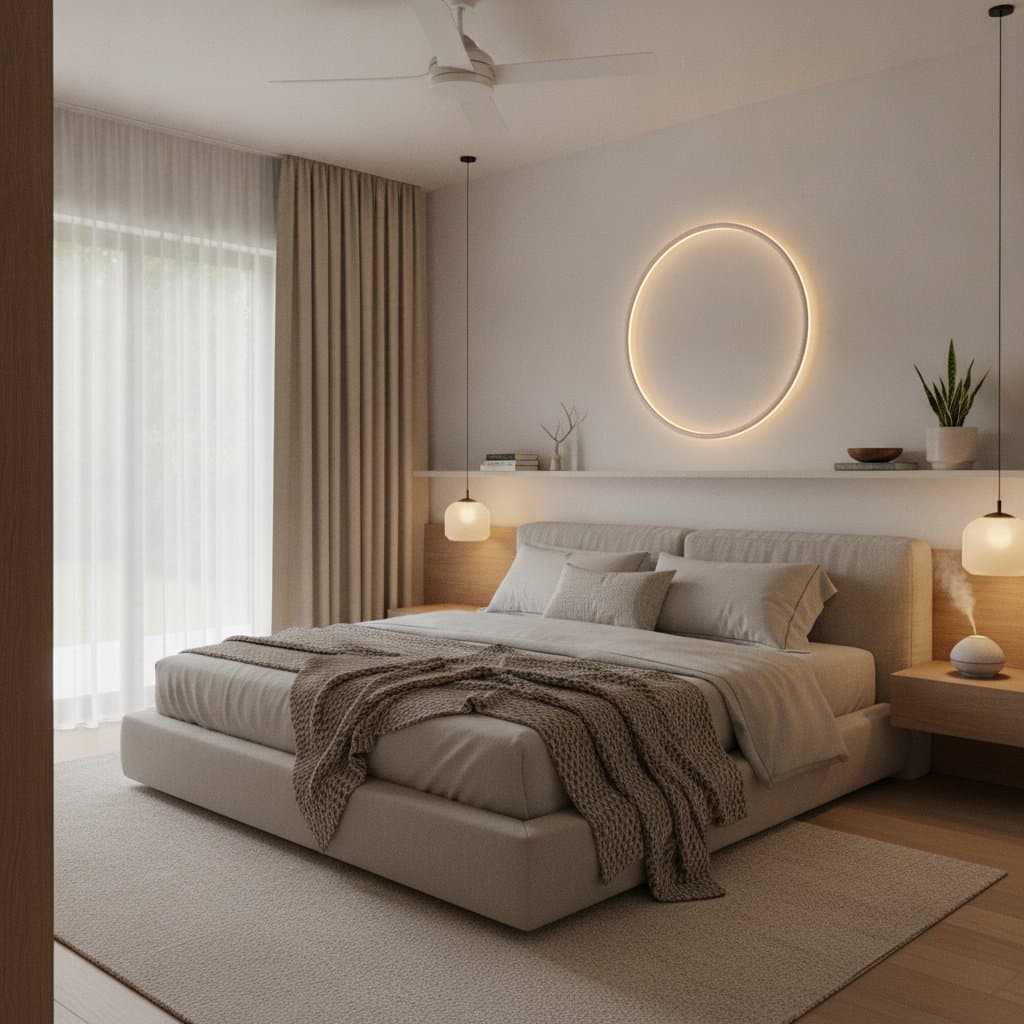
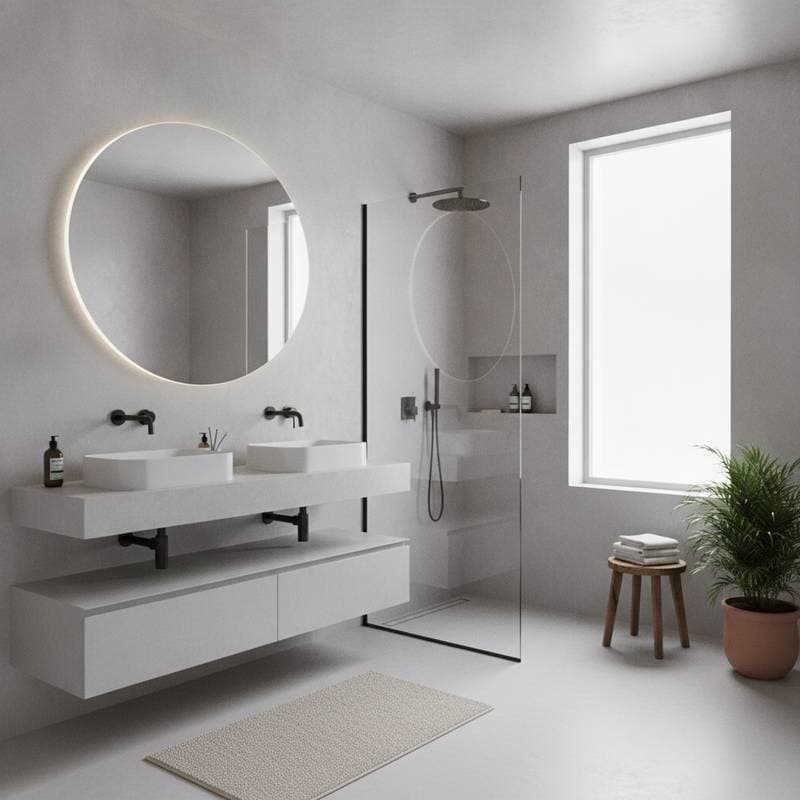
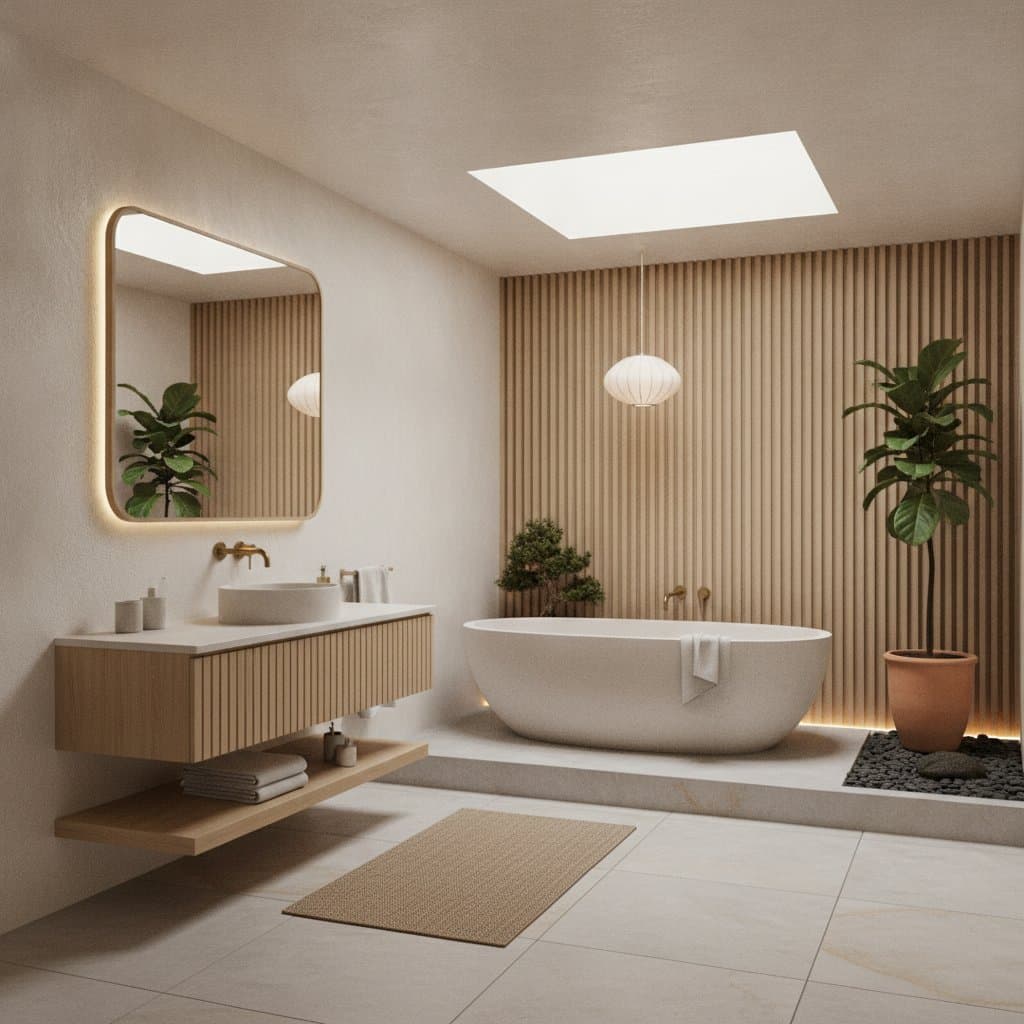
Homeowners increasingly turn to Japandi gardens for a refuge from the chaos of daily life. These spaces offer a grounded calm amid noise and visual clutter. Japandi combines Japanese wabi-sabi, which celebrates imperfection and transience, with Scandinavian minimalism, emphasizing clean lines and functionality. Professional landscapers achieve this balance through deliberate restraint, ensuring that simplicity enhances rather than diminishes the environment.
The appeal lies in intentional choices. Designers focus on elements that promote tranquility, such as natural materials and open vistas. This approach transforms ordinary backyards into purposeful retreats, where every detail contributes to a sense of peace.
Understanding the Scope of a Japandi Garden Project
Step-by-Step Guide to Building Your Japandi Garden
1. Prepare the Ground
Clear the designated area thoroughly by removing weeds, roots, and debris. Use a shovel or garden fork to loosen compacted soil, then rake it level. Compact the surface lightly with a tamper to create a stable base.
Address drainage early. Incorporate a one-inch layer of crushed stone under the topsoil or gravel to facilitate water flow. This step minimizes maintenance issues like mud or erosion, preserving the garden's serene appearance year-round.
Test the preparation by walking the area. Uneven spots indicate the need for further adjustment, ensuring a smooth foundation for subsequent elements.
2. Define the Pathways
Select natural stone pavers or precast concrete stepping stones in neutral tones. Space them 18 to 24 inches apart to accommodate average strides, promoting easy navigation.
Incorporate gentle curves rather than rigid lines to evoke organic flow. Secure each stone by digging shallow beds, filling with sand, and tapping into place using a rubber mallet. Verify levelness with a straightedge to avoid tripping hazards.
These paths serve as the garden's skeleton, directing focus toward focal points while maintaining open sightlines. They integrate seamlessly with surrounding elements, enhancing the minimalist aesthetic.
3. Add Gravel or Ground Cover
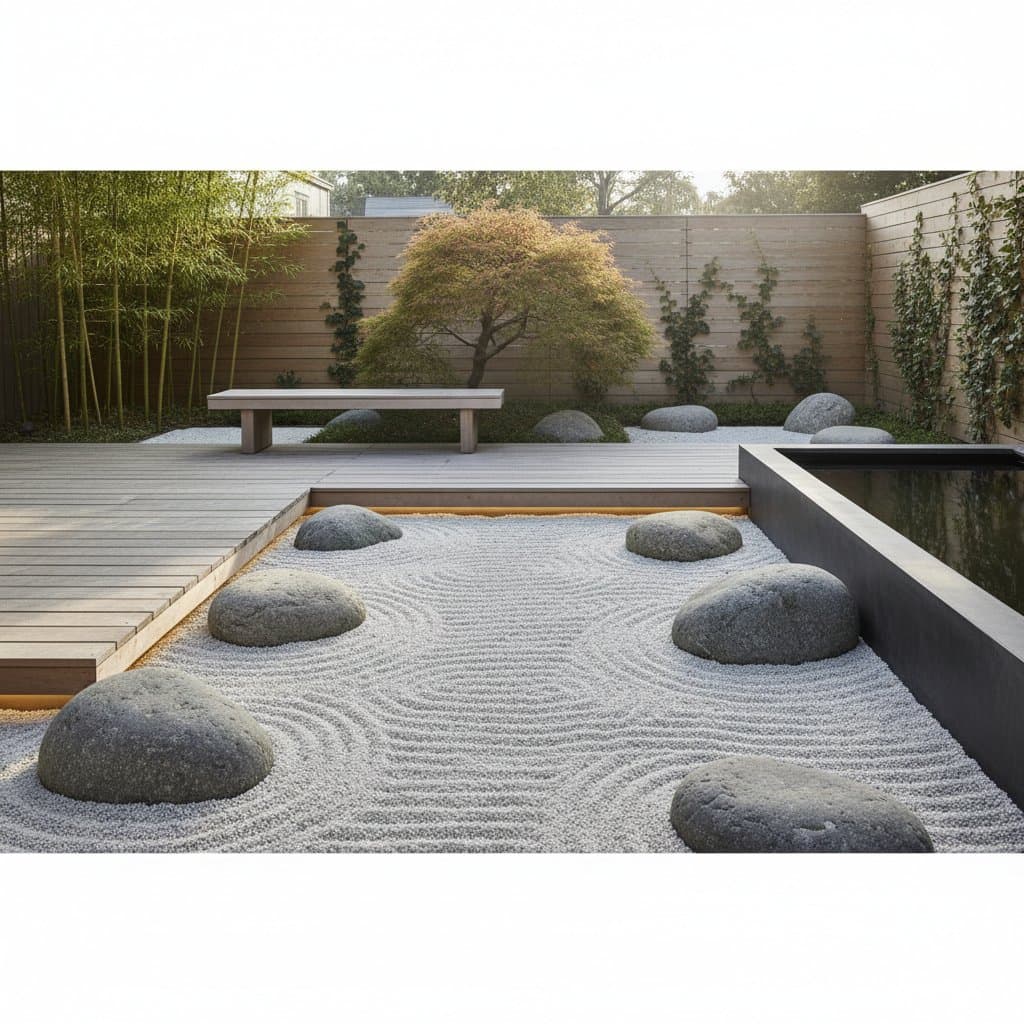
Apply a two-inch layer of fine pea gravel or decomposed granite across open areas. Rake it evenly to form a uniform surface that reflects light softly.
Choose gravel in grays or earth tones to complement natural stone. In shaded or moist zones, consider low-growing moss as an alternative, which requires no mowing and adds subtle texture.
This ground cover reduces weed growth and provides a meditative crunch underfoot. It contrasts effectively with plant clusters, amplifying the sense of spaciousness.
4. Place Feature Elements
Incorporate one or two focal pieces, such as a weathered boulder, a wooden bench of reclaimed timber, or a shallow stone basin for water. Select items with inherent textures like moss-covered surfaces or grainy wood.
Position these elements off-center to encourage dynamic viewing. Ensure they harmonize with the scale of the space, avoiding dominance that disrupts balance.
Such features anchor the design, drawing the eye and inviting pause. They embody wabi-sabi by highlighting natural imperfections as sources of beauty.
5. Introduce Plants Sparingly
Select species with architectural forms and subdued colors, including Japanese maples for delicate foliage, dwarf conifers for year-round structure, and feathery ornamental grasses like miscanthus. Ferns add lushness in shaded corners.
Plant in clusters of three or five for asymmetry, spacing them widely to preserve negative space. Dig holes twice the width of root balls, amend soil with compost for drainage, and water deeply after planting.
Maintenance involves pruning once seasonally and mulching to retain moisture. This selective approach fosters a rhythmic composition where plants enhance tranquility without competing for attention.
6. Install Lighting
Opt for low-voltage LED path lights or solar-powered lanterns in matte black or bronze finishes. Position them along pathways and near features to cast gentle glows.
Aim for 50 to 100 lumens per fixture to avoid glare, simulating moonlight. Bury cables shallowly and secure fixtures with stakes for stability.
Evening illumination extends the garden's usability, highlighting textures and creating a layered ambiance. It reinforces the minimalist ethos by prioritizing subtlety over spectacle.
When to Call a Professional
Engage a landscaper for projects exceeding basic clearing, such as extensive grading on sloped terrain or installing irrigation systems. Professionals excel in assessing soil composition and ensuring compliance with local regulations.
Consider expertise if the yard features mature trees requiring preservation or if hardscaping involves custom stonework. Their knowledge prevents costly errors, like improper drainage leading to foundation damage.
Hiring allows focus on creative decisions while experts handle labor-intensive tasks. Budget for consultations to align the final design with personal preferences.
Pro Tips for a Successful Japandi Garden
Limit the palette to greens, grays, and warm wood hues for cohesion. Mix textures, such as smooth river rocks with rough-hewn logs, to add depth without excess.
Incorporate sustainable choices like reclaimed wood benches or native plants to reduce environmental impact. Walk the layout multiple times during planning; refine paths if transitions feel abrupt.
Account for seasons by including evergreens for winter interest and perennials for spring renewal. These adjustments ensure enduring appeal and adaptability.
Embracing and Maintaining Your Japandi Retreat
Once established, a Japandi garden demands light upkeep to sustain its essence. Sweep gravel paths weekly and inspect plants for pests monthly. Replenish mulch annually to suppress weeds and conserve water.
Engage with the space through mindful practices, such as morning walks or meditation sessions. Observe how light shifts across stones and foliage, allowing the design to evolve subtly over time.
This garden becomes more than landscape; it cultivates balance in daily life. Residents report reduced stress and heightened appreciation for simplicity, proving that intentional design yields profound rewards.