Key Points
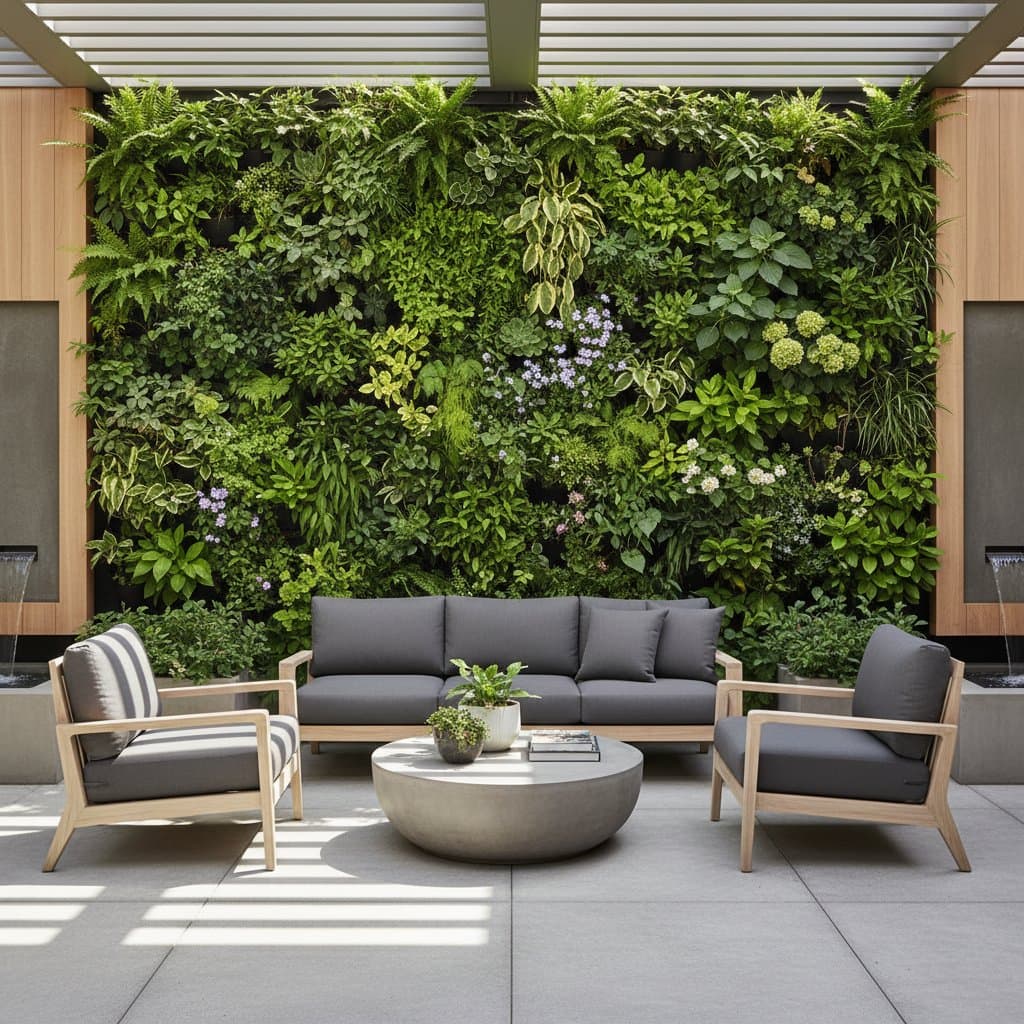
- Living walls capture and scatter sound waves to lessen noise from traffic, neighbors, and machinery in garden settings.
- Factors such as plant density, species variety, and substrate depth determine the level of acoustic effectiveness.
- Sound reduction relies on robust construction, complete plant coverage, and effective water control.
- Pairing living walls with additional landscape features amplifies noise mitigation and visual interest.
- Consistent maintenance ensures plants thrive and the structure performs as a reliable natural barrier.
Technical Background
Garden noise propagates mainly as airborne pressure waves. These waves interact with surfaces in distinct ways: some energy reflects, some absorbs into the material, and some transmits through. Solid barriers like fences or brick walls often reflect sound, creating echoes that intensify the perceived volume in open areas.
Assessing the Existing Environment
Evaluate primary noise origins and propagation routes before planning a living wall. Determine if sounds stem from nearby roads, adjacent properties, or amplified by elements like patios, fences, or walls.
Traverse the garden during various times and from multiple vantage points, noting zones of greatest disturbance and reflective contributors. Account for any current plants or features that already aid in sound dampening. This analysis guides decisions on placement, scale, and thickness to maximize impact.
Gauge the installation space in terms of height and breadth. Greater elevation offers broader sound shielding, though shorter walls paired with base-level shrubs yield solid results. Confirm the site's capacity to bear the loaded weight of the saturated assembly.
Planning Phase
Tools and Materials
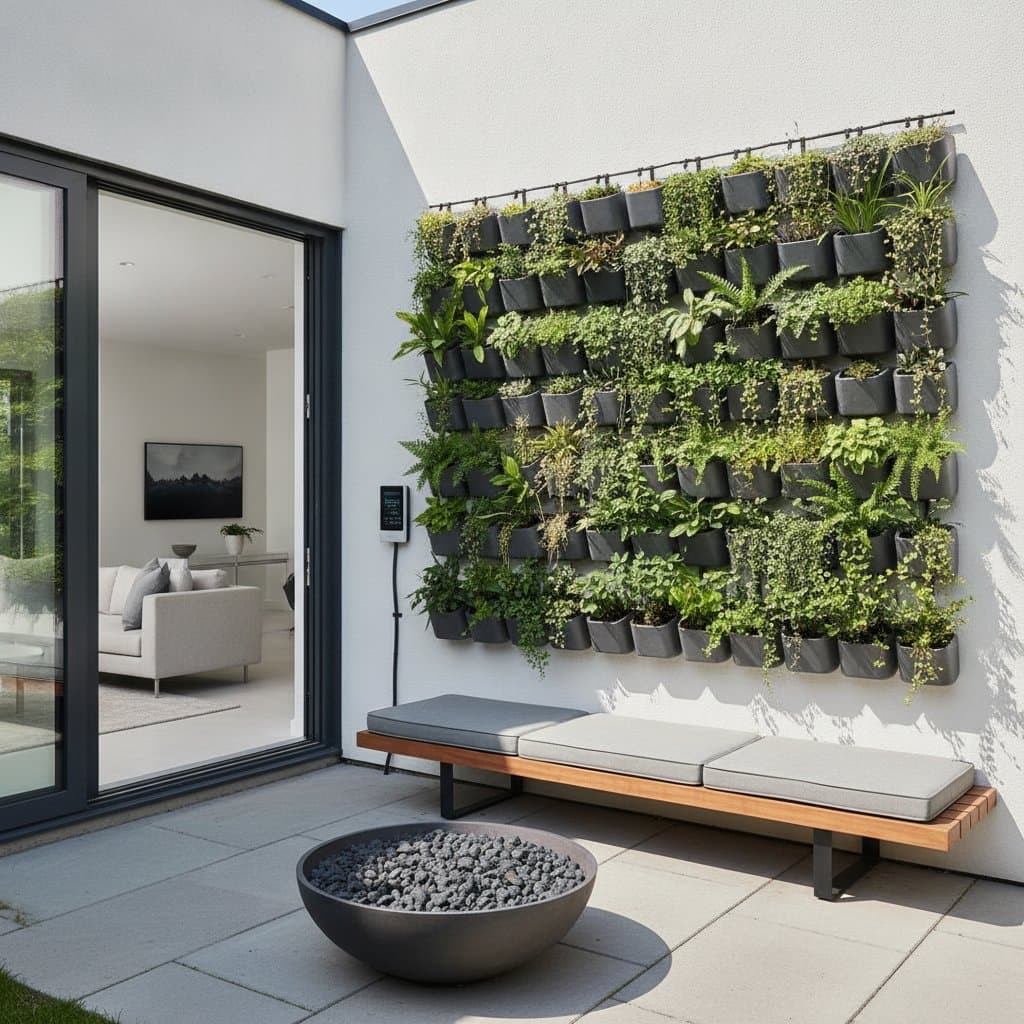
- Modular panels or trellis frameworks for the living wall
- Support framing or posts constructed from durable materials
- Waterproof barriers and drainage components
- Automated irrigation setup with timers and emitters
- Specialized soil mixes or substrates optimized for growth
- Plants chosen for their density and local suitability
- Outdoor-rated fasteners, anchors, and sealants
- Measuring tools, levels, and drills for precise assembly
Safety and Structural Considerations
The structure must endure the combined load of wet soil, irrigation, and developed plants without risk. Smaller setups can leverage existing reinforced fences or masonry as bases. Larger or independent designs require galvanized steel or aluminum frames secured to concrete foundations.
Consult local regulations regarding maximum heights and weight tolerances. When mounting to buildings, apply waterproof liners to block moisture intrusion. Incorporate base drainage to avert water accumulation, which could erode foundations or stress roots. Calibrate irrigation for steady hydration, avoiding excess that might densify the substrate and impair sound capture.
Selecting Plants for Acoustic Performance
Prioritize plants with thick foliage and diverse textures to optimize absorption. Opt for varieties ensuring persistent coverage through seasons and suited to regional conditions. Mix leaf sizes to address a spectrum of sound frequencies effectively.
Recommended plant types for acoustic walls:
- Evergreen shrubs such as boxwood or viburnum to sustain density year-round
- Ferns and hostas with expansive leaves for capturing mid- to high-range sounds
- Vines like ivy, jasmine, or creeping fig to achieve comprehensive surface fill
- Ornamental grasses that introduce motion to disrupt sound propagation
Steer clear of plants with fragile foliage prone to rapid wilting or those demanding heavy pruning, as sparse areas diminish barrier efficacy.
Implementation
Step 1: Establish the Support Structure
- Outline the wall's position with chalk lines or stakes, verifying plumb and level alignment.
- Erect the frame or attach panels per guidelines, securing all joints firmly.
- Cover underlying surfaces with waterproof sheeting, ensuring overlaps of at least four inches sealed with weatherproof compounds.
Step 2: Add the Drainage and Irrigation Layers
- Position drainage mats or aggregate layers at the foundation to channel runoff.
- Distribute drip tubing or fine sprayers across the face, linking to a programmable controller.
- Run a trial cycle to verify even distribution; refine emitter placement for uniform coverage.
Step 3: Fill the Growing Medium
- Load planting cells or containers with the selected substrate or soil formulation.
- Press gently to remove voids while preserving openness for acoustic properties.
- Fill to recommended levels, anticipating minor subsidence over time.
Step 4: Plant Installation
- Position specimens by habit, assigning upright types to upper sections and cascading ones to lower edges.
- Layer plantings with offsets to form interlocking canopies that ensnare sound.
- Anchor securely yet provide space for root development.
- Irrigate deeply to establish soil contact and stimulate rooting.
Step 5: Edge and Transition Design
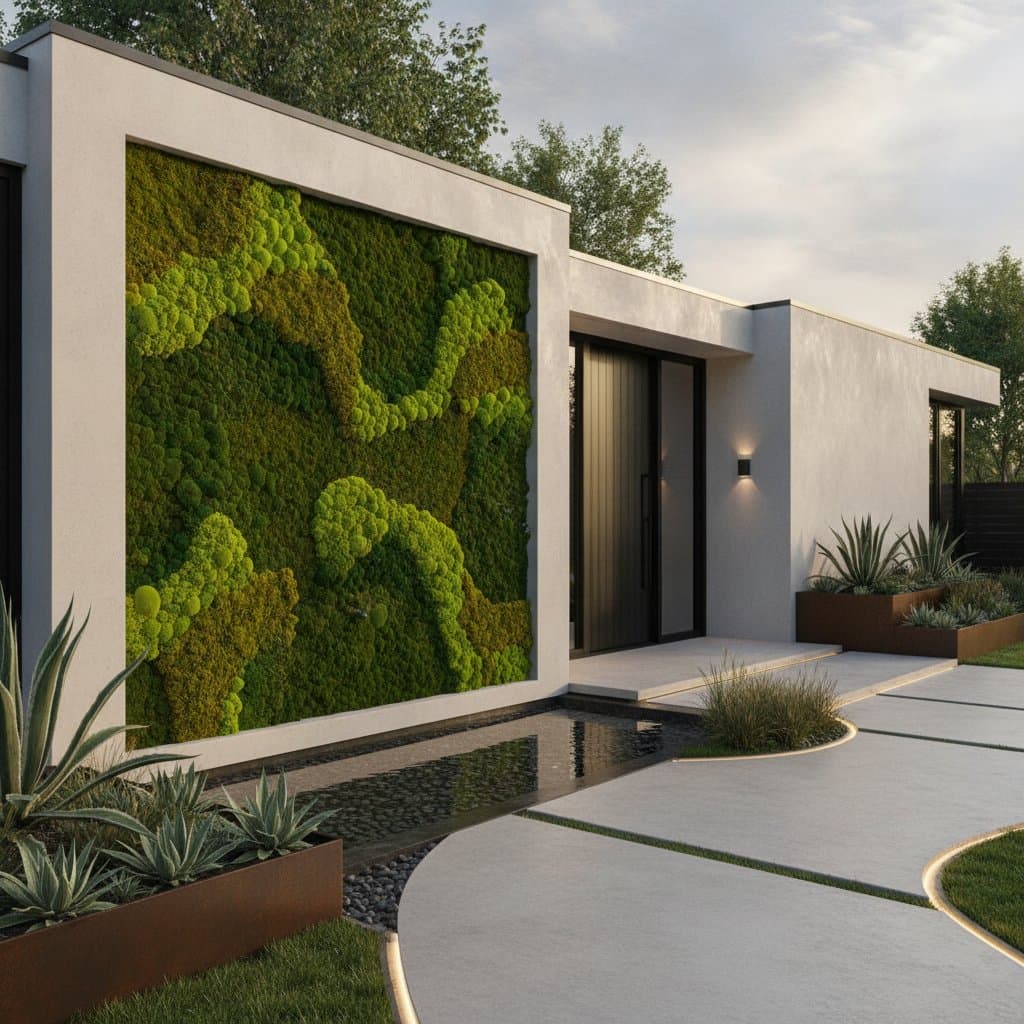
Blend the wall seamlessly with adjacent landscaping through linked beds, borders, or elevated planters. Such extensions seal potential sound pathways and form unbroken absorption zones. Apply organic mulch or stone bases to quell echoes from rigid ground covers.
Quality Assurance
Post-installation, scrutinize the assembly for firmness and even planting. Sample irrigation at diverse spots to affirm balanced wetting. Perform auditory evaluations from garden positions, comparing sound clarity with and without the wall's influence; muted edges signal success.
Detect any undue movement or humming, especially near vibrations or gusts. Bolster flexible areas as needed. Inspect for hidden dampness breaches and unobstructed drain paths.
Track vegetation progress initially, noting uniform vigor as proof of system reliability. Swap out underperformers swiftly to uphold density and function.
Maintenance and Long-Term Performance
Sustained acoustics demand vigilant plant vitality and build quality. Conduct seasonal reviews to address issues promptly.
Ongoing care checklist:
- Trim excesses to promote circulation and light penetration to base layers.
- Clear irrigation conduits of deposits through routine flushing.
- Monitor soil hydration and adapt schedules to weather shifts.
- Fill voids with replacements to block acoustic gaps.
- Remove accumulated litter from runoff areas.
Apply balanced, slow-release nutrients to foster robust leaf development for superior damping. Limit aggressive fertilizers that spur leggy growth needing constant cuts.
Vigil against foliage-damaging insects like aphids or mites. Employ organic remedies such as neem extracts or predator species to safeguard density without chemicals.
Combining Living Walls with Other Noise-Reducing Features
Layer complementary installations to elevate overall sound management. Integrated strategies yield superior outcomes.
Effective combinations include:
- Water features: Trickling elements overlay faint noises with calming tones.
- Ground plantings: Thick understory absorbs ground-borne lows before ascent.
- Acoustic fencing: Backed solid panels add mass to block transmission.
- Strategic layout: Site relaxation zones in shielded pockets for optimal quiet.
Map sound trajectories during design. Angled or segmented walls redirect waves, favoring diffusion over bounce-back.
Pro Tips for Success
- Start small, scale gradually. Test a pilot area to perfect watering and care before full commitment.
- Use built-in moisture sensors. They guard against saturation that could squeeze out air pockets vital for absorption.
- Select plants with varied leaf textures. Glossy and rough pairings broaden frequency capture.
- Incorporate lighting thoughtfully. Ambient glows highlight form without warming the medium excessively.
- Plan for access. Embed service points or detachable sections for easy line and frame servicing.
Acoustic benefits accrue as plants establish and thicken. Initial patience rewards with tangible calm and verdant maturity.
Sustaining Tranquility Through Mature Design
As your living wall evolves, it not only quiets the garden but enriches it with biodiversity and texture. Regular attention ensures enduring performance, turning everyday outdoor moments into restorative escapes. Embrace this natural approach to reclaim peace amid urban bustle.