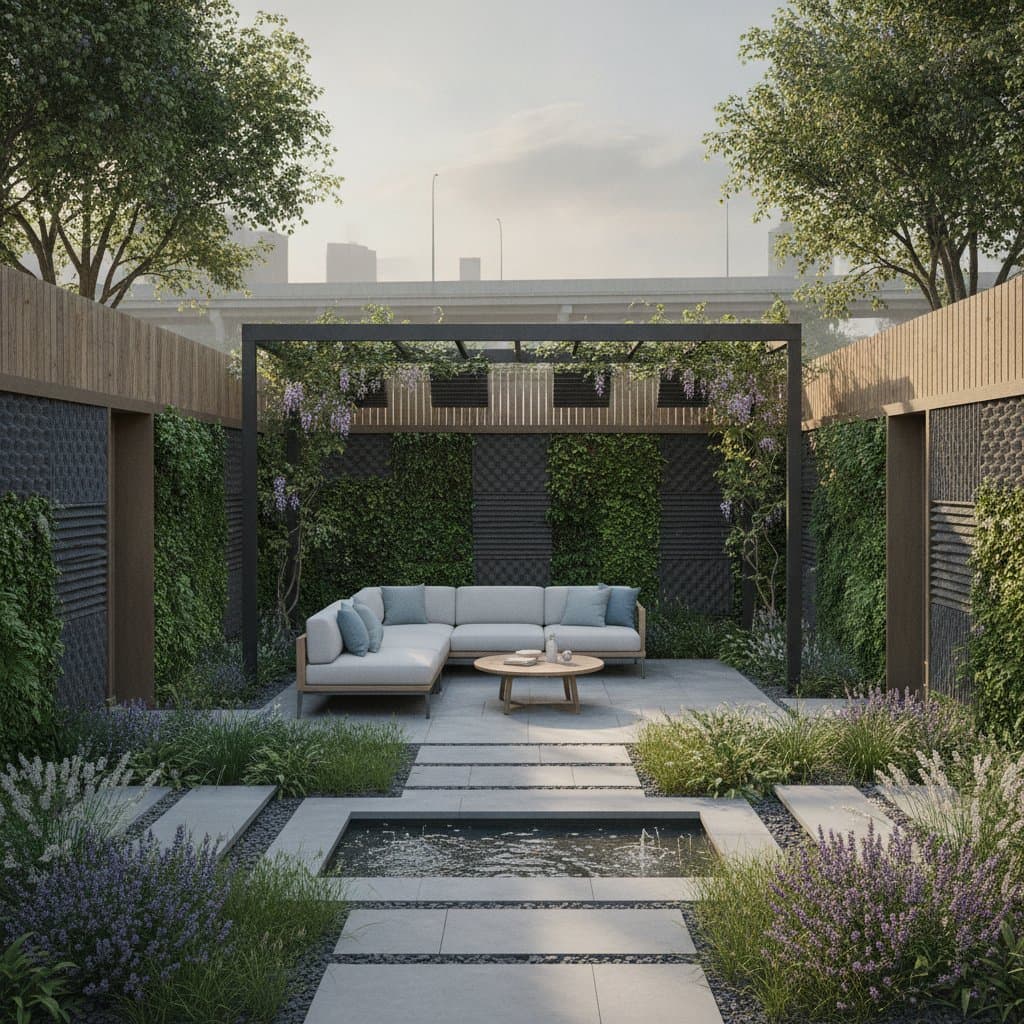
The Surge of Climate-Adaptive Gardens in 2026
The concept of climate-adaptive gardening initially appears complex, evoking images of advanced technology such as soil sensors or sophisticated irrigation setups. In a modest Staten Island backyard marked by uneven grass and persistent weeds, such ideas seem distant. However, recent seasons reveal a broader narrative. Plants succumb to unforeseen heat waves and deluges, signaling that traditional methods no longer suffice. Gardeners nationwide confront these shifts and adapt accordingly.
Weather Patterns Break from Tradition
Gardens once adhered to reliable cycles. Lilacs bloomed predictably, tomatoes ripened on time, and hydrangeas flourished consistently. A pivotal summer altered this pattern. Heavy rains inundated the space, succeeded by intense heat that stressed even resilient mint. Holding a hose, one questions whether the fault lies with technique or atmosphere.
Defining a Climate-Adaptive Garden
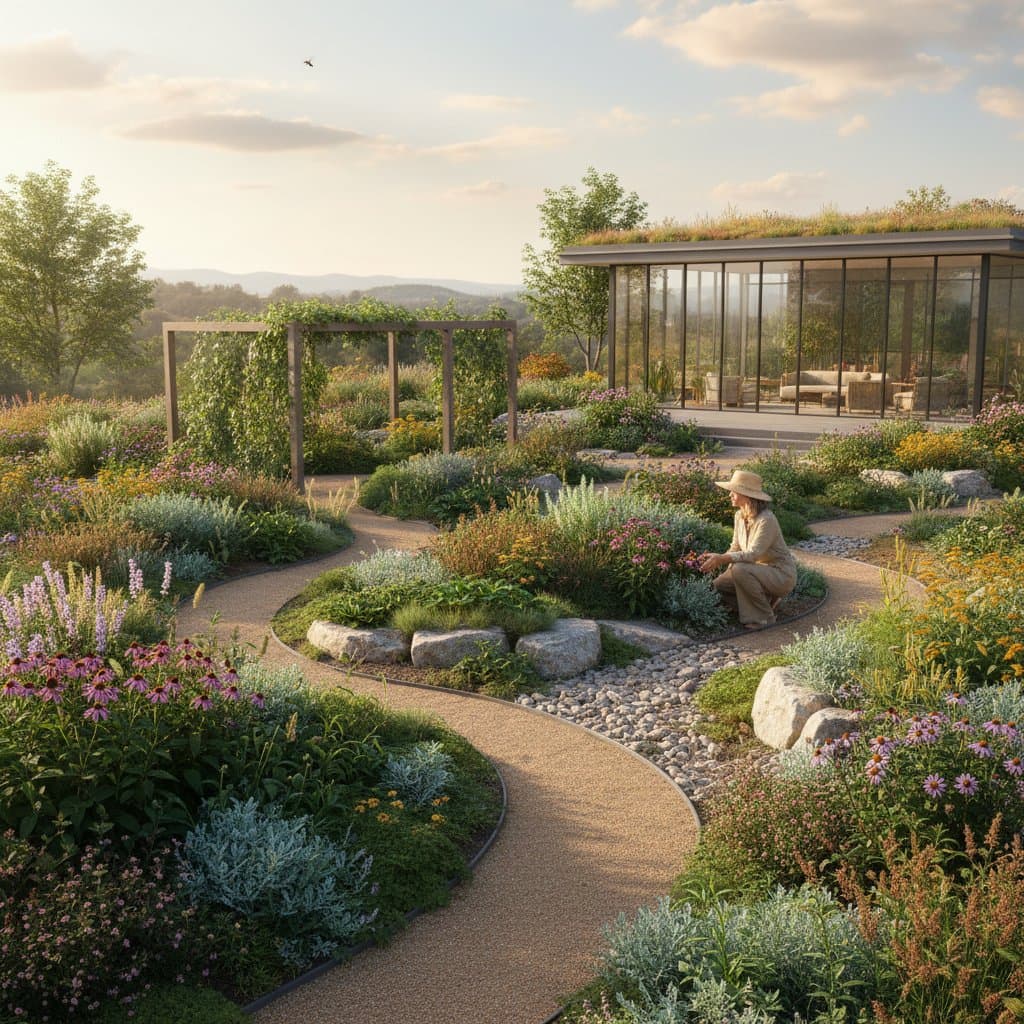
Such gardens emphasize flexibility and durability. They eschew manicured perfection in favor of plants suited to volatile weather. Native species form the foundation, evolved to endure regional extremes in temperature, precipitation, and soil composition.
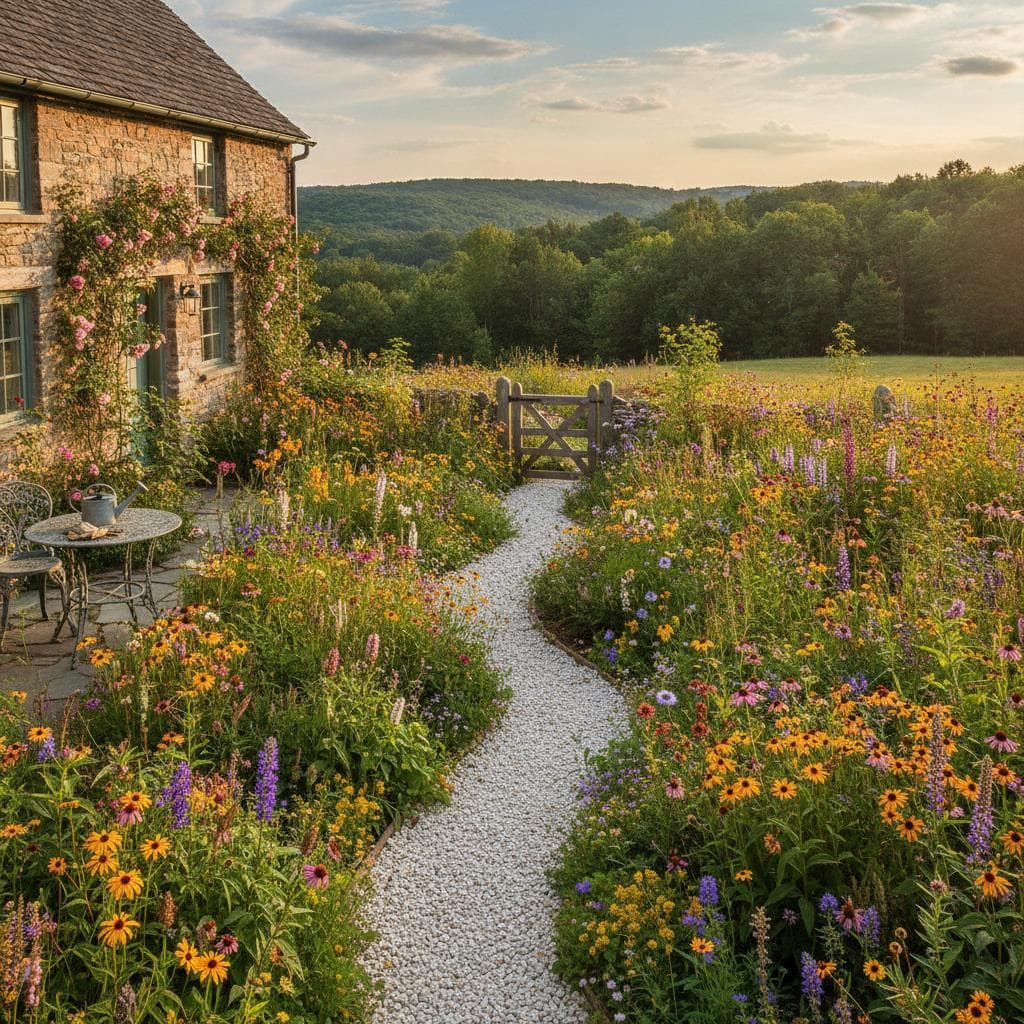
These plants sustain pollinators and wildlife, forming micro-ecosystems. Replacing exotic blooms with coneflowers, milkweed, and bee balm yields swift benefits. Pollinators return, soil moisture improves, and maintenance eases amid weather variability.
A Pivotal Observation
One afternoon highlighted design flaws. Rain accumulated around raised beds, eroding soil as it drained to the driveway. This vulnerability stemmed from the layout itself.
Research into rain gardens, pollinator corridors, and soil enhancement followed. Native grasses with extensive roots anchor soil and manage excess water. Organic mulches from leaf litter moderate soil temperature and hydration. Composting food waste, managed properly, enriches without odor.
Motivations Driving the Transition
Conversations with peers reveal consistent incentives. Survival of plantings, cost savings, and environmental contributions top the list.
Key drivers include:
- Endurance in variable conditions. Drought-resistant and flood-tolerant varieties navigate extremes effectively.
- Minimal upkeep. Established natives require less irrigation, nutrients, and trimming.
- Pollinator support. Essential species provide nectar and habitat for bees, butterflies, and birds.
- Economic benefits. Reduced needs for water, fertilizers, and pesticides lower expenses.
- Environmental impact. These spaces contribute to broader sustainability efforts.
Implementing Changes Gradually
Transformation occurs incrementally, focusing on one area initially. Begin by substituting struggling annuals with native perennials suited to site challenges.
Target problematic zones, such as flood-prone or barren patches. Consult local extension services or native plant resources for recommendations. Observation and patience guide success without expert credentials.
Embracing Natural Aesthetics
Perfection yields to organic forms in these gardens. Layered textures and spontaneous arrangements replace rigid lawns. Initial resistance fades as vitality emerges.
Birds nest in viburnum shrubs, caterpillars feed on milkweed, and soil gains depth. This vitality redefines design, prioritizing nature's guidance for authentic beauty.
Scientific Foundations
Ecological research underpins this practice. Studies on biodiversity, soil vitality, and hydrology demonstrate that emulating natural processes enhances outcomes.
Diverse root structures optimize water use: deep roots access subsurface reserves during droughts, while shallow ones capture surface runoff. Organic mulches buffer extremes, and undisturbed leaf layers aid insect survival and nutrient cycling.
These strategies foster self-sustaining landscapes that align with climatic realities.
Navigating Obstacles
Setbacks occur. An early rain garden attempt created standing water, attracting pests. Overcrowded native grasses led to losses.
Sourcing remains challenging; natives may lack initial appeal as roots develop first. Patience proves essential.
Rewards outweigh hurdles. Pollinator activity on goldenrod and asters instills optimism, transforming spaces into vibrant havens.
Implications for Urban and Suburban Settings
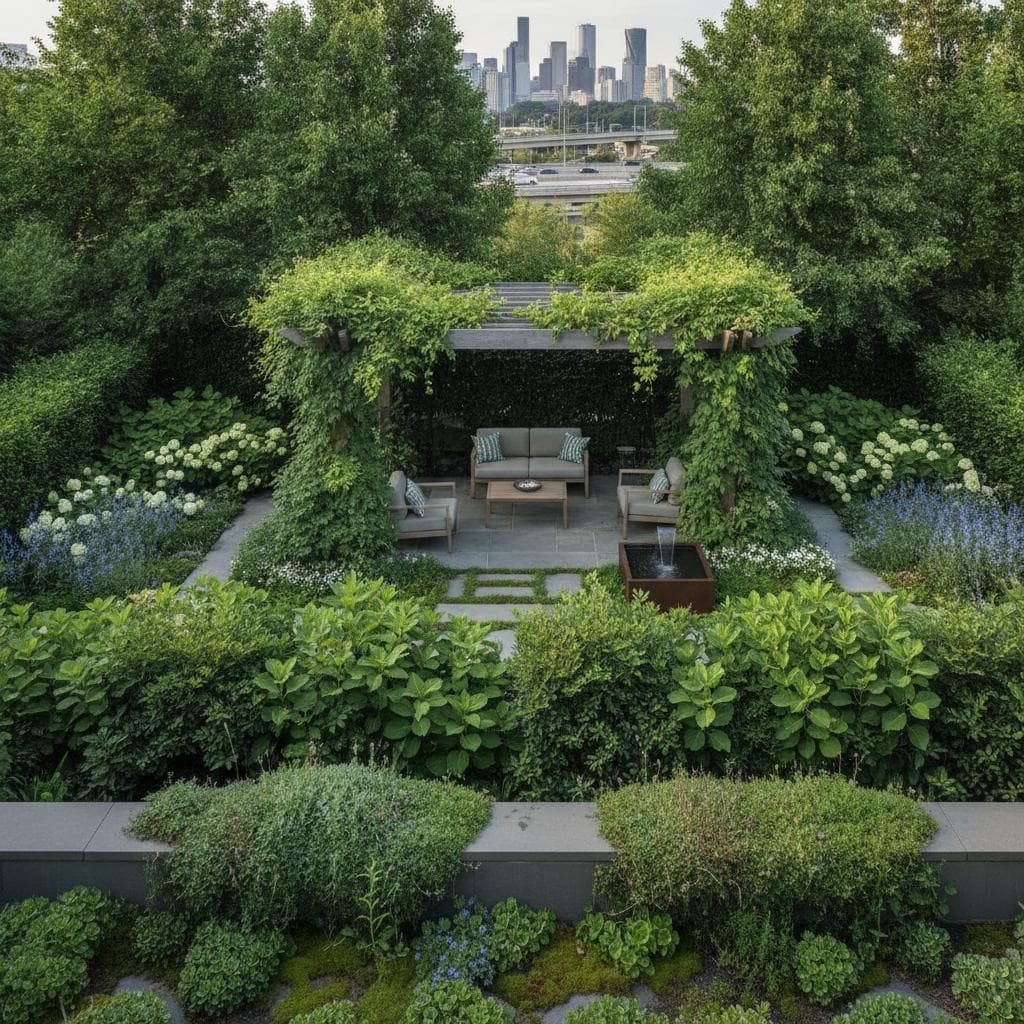
In hybrid environments like Staten Island, where urban edges meet natural buffers, these gardens address flooding, heat, and contaminants. Native groundcovers replace turf to manage stormwater and mitigate temperatures. Salt- and heat-tolerant trees shield infrastructure.
Even balcony containers aid by hosting pollinators and minimizing runoff. Incentives from municipalities, including rebates and workshops, amplify adoption.
Personal and Communal Connections
Gardening offers solace amid professional demands. This approach extends that by linking individual efforts to collective resilience.
Control over responses to weather fosters empowerment. Habitats bolster struggling species, yielding profound fulfillment.
Steps to Build Resilience
Address erratic plant behavior as an invitation to adapt. Select natives for specific conditions, layer plantings for diversity, and monitor progress. Each addition strengthens ecological networks, ensuring gardens endure and enrich.