Why Edible Flower Walls Revolutionize Gardens in 2026
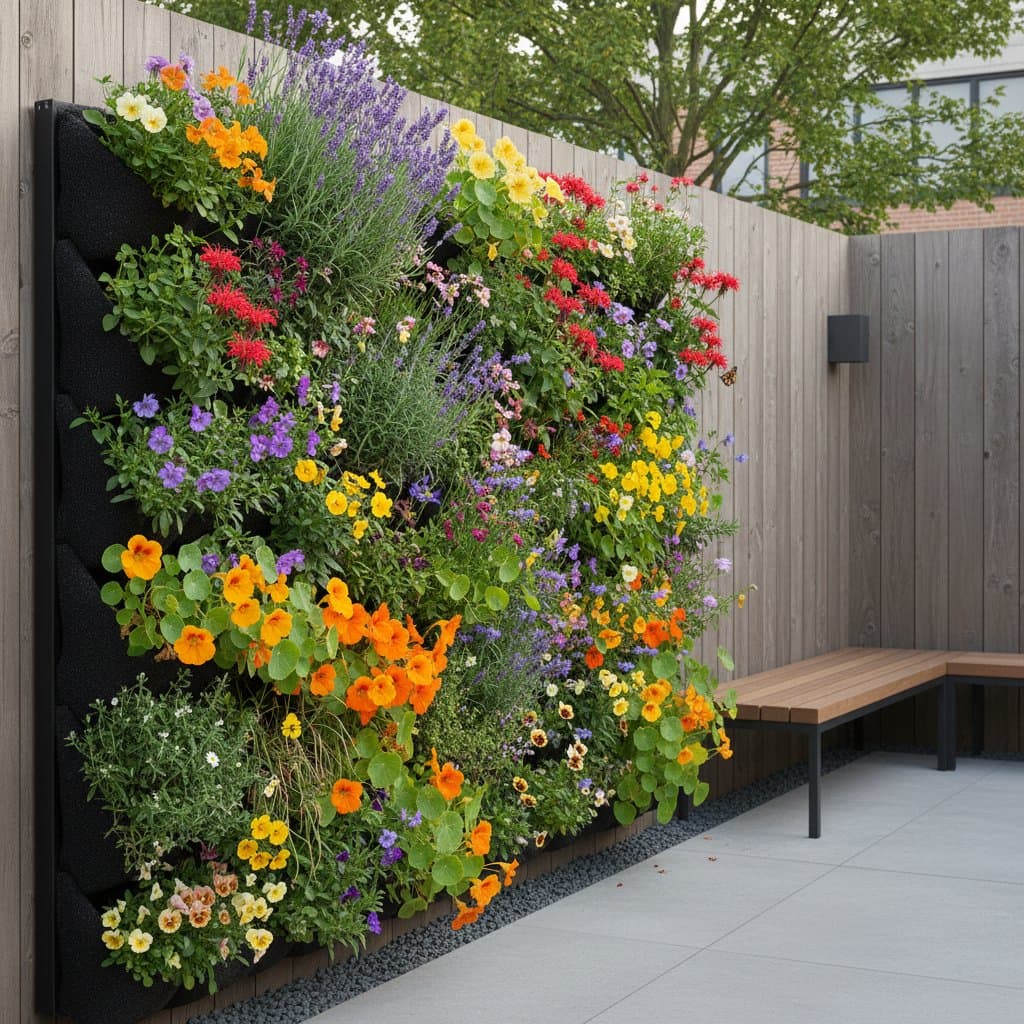
Imagine a plain backyard fence covered in petals of violet, gold, and coral. Bees move among the blooms while the scent of chamomile fills the air. You pluck a blossom and add it to iced tea. This scene represents the rising trend of edible flower walls, which convert ordinary spaces into vibrant, sensory-rich areas.
A Vertical Feast for the Eyes and Palate
Edible flower walls merge vertical gardening techniques with edible landscaping principles. They transform blank walls, fences, and balcony barriers into harvestable tapestries. Nasturtiums flow like orange cascades, violas emerge from green foliage, and lavender rises in scented spirals. The outcome blends garden aesthetics, artwork, and culinary elements.
Vertical gardening has existed for years, yet edible flower walls elevate the concept. They integrate beauty, biodiversity, and nutrition in a compact, sustainable form. Renters benefit from setups that require no soil digging, expansive areas, or lasting modifications. Homeowners gain a distinctive feature that cleans air, draws pollinators, and provides seasonal color.
The Natural Benefits Blooming Behind the Beauty
Choosing Edible Blooms That Work Beautifully
Start an edible flower wall with careful plant choices that ensure edibility and climate compatibility. Opt for varieties that thrive in vertical setups. The following options excel in such arrangements:
- Nasturtiums: Peppery petals in orange, red, and yellow tones. Trailing vines suit cascading designs.
- Calendula: Golden flowers that add mild spice to salads and teas.
- Pansies and Violas: Purple and blue shades that enhance desserts and beverages.
- Borage: Blue, star-shaped blooms with cucumber-like taste.
- Lavender: Scented spikes for syrups and baked items.
- Chive Blossoms: Purple clusters with onion flavor for savory recipes.
Combine varieties by balancing flavors and growth habits. Match trailing types with upright ones, and pair vivid colors with muted tones for visual appeal. Verify that selected flowers remain untreated and edible.
Crafting Your Own Living Wall
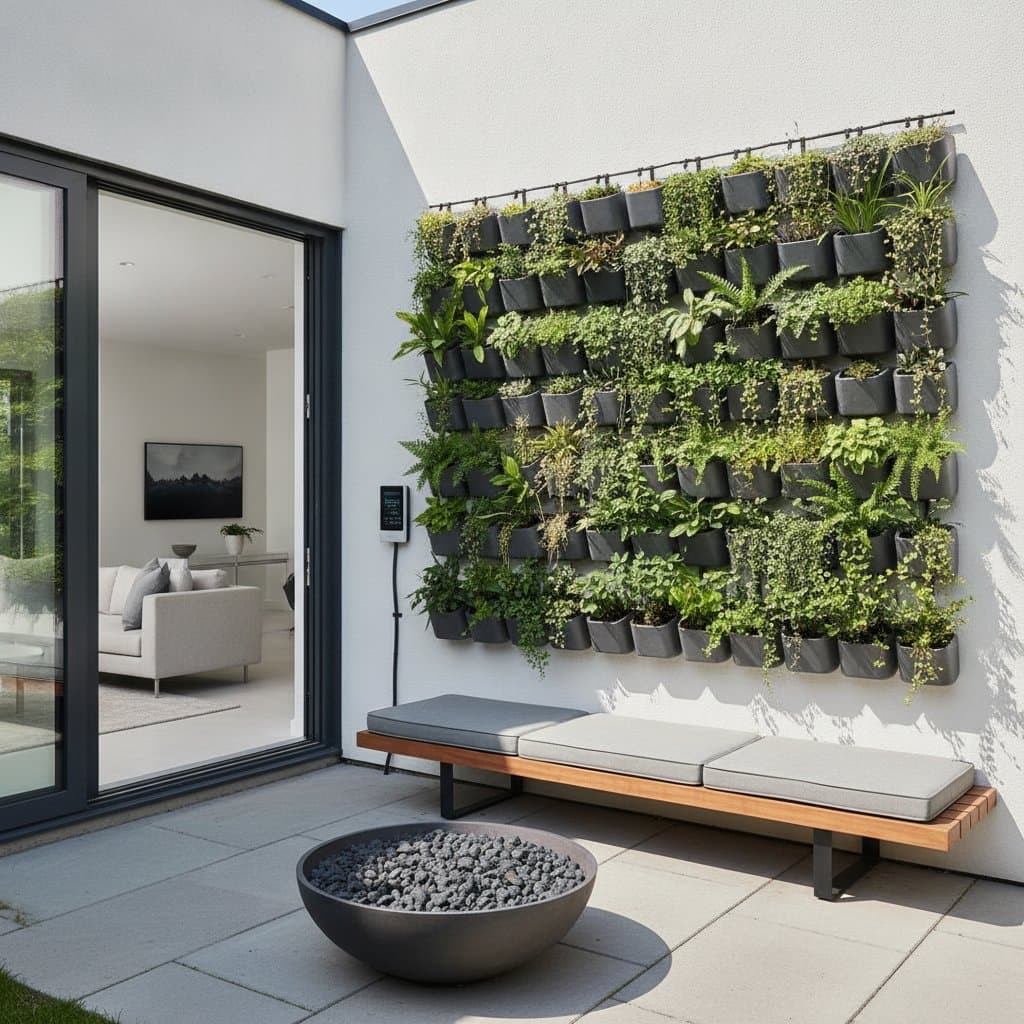
Construct an edible flower wall at a level of complexity that matches your preferences. Use a wooden frame, repurposed pallet, or ready-made kit as the base. Line it with permeable fabric or coconut coir, then fill with organic-rich soil. Position planters or pockets at different heights to build depth.
Provide at least six hours of daily sunlight, as most edible flowers prefer full exposure. For shaded or indoor spots, employ grow lights or shade-tolerant options like violets and mint flowers.
Nourish the wall with compost tea or diluted seaweed extract. Remove faded blooms to promote fresh growth, and trim routinely to preserve form. The structure evolves into a seasonal mosaic over time.
A Multi-Sensory Experience Worth Growing
Edible flower walls engage sight, touch, smell, and taste. Visitors appreciate their practical elegance, children discover food cultivation, and you incorporate fresh flavors into dishes.
Maintenance fosters mindfulness. Watering serves as a calming routine, and harvesting builds a connection to nature in compact urban areas. Each gathered bloom reinforces self-reliance and innovation.
Integrating Edible Walls into Daily Life
Edible flower walls signal a move toward sustainable, immersive lifestyles. They unite aesthetics and utility in harmonious growth. Suitable for apartments or rural homes, these walls bring nature into routine spaces.
Begin with one panel or expand to a complete installation. Test color schemes, plant combinations, and crop rotations. Your wall will sustain vision, palate, and a feeling of achievement.
As petals sway in the wind, the creation stands as a unique asset. It nurtures physical and emotional well-being, elevating gardening to an artistic pursuit. This vertical approach proves accessible and transformative.