Gravel Gardens: Effortless Landscapes Beyond the Traditional Lawn
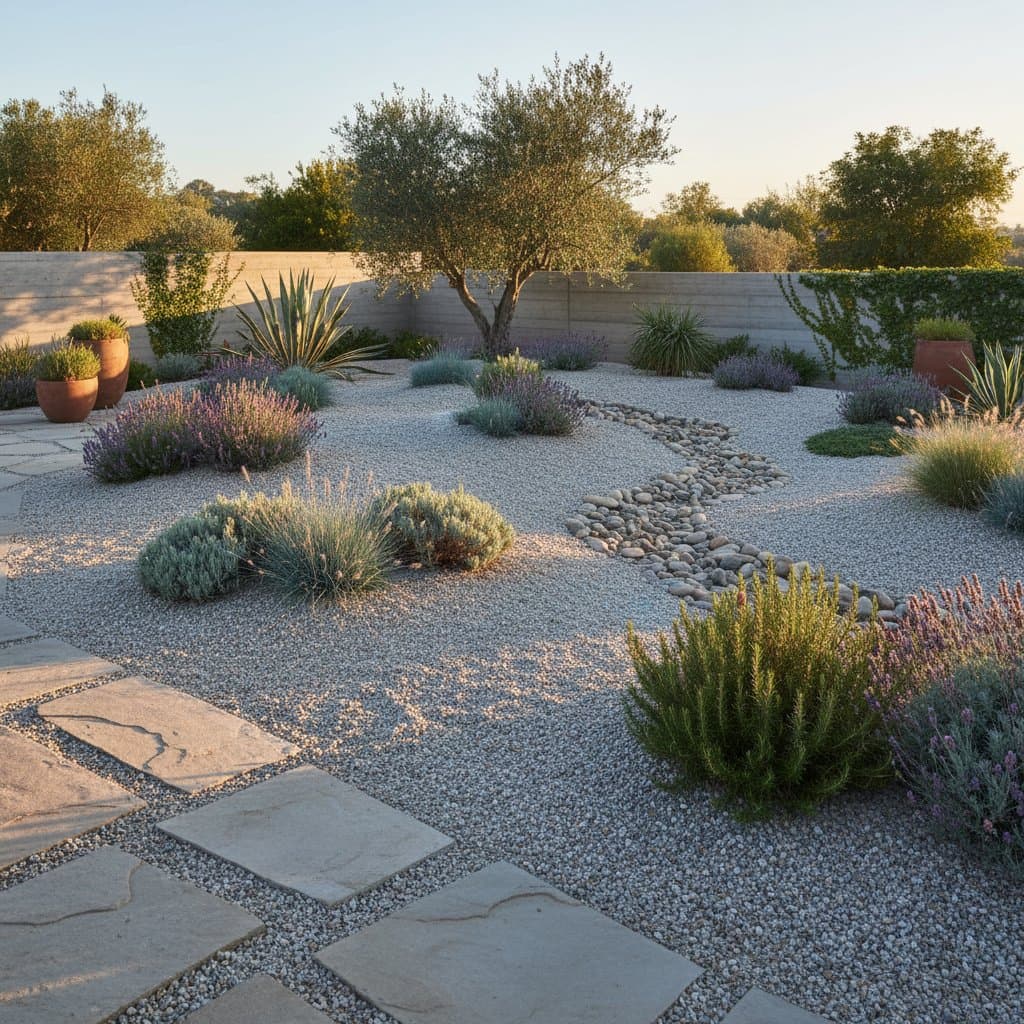
Picture a peaceful backyard in the glow of late afternoon sun. Silver-leaved plants move softly with ornamental grasses and colorful succulents, surrounded by polished stones. This setting requires no mowing, rigid watering routines, or chemical applications. It captures tranquility, visual appeal, and ecological balance. Gravel gardens achieve this vision through timeless, low-maintenance outdoor areas that emphasize simplicity and sophistication.
The fundamental concept replaces standard turf or crowded flower beds with gravel layers, tough plants, and deliberate arrangements. This method performs well in dry climates and supports creative design choices. Gravel gardens stand out for their sustainability and flexibility, enabling landscapes to flourish with limited effort. The sections ahead detail the process to create one that withstands time and elevates your home's allure.
The Foundations of Simplicity and Resilience
Selecting Plants for Thriving in Gravel Conditions
Choose plants that handle sparse soil and rare watering. Drought-hardy perennials, flowing grasses, and robust succulents bring movement to the gravel backdrop. These selections maintain appeal across seasons with little attention.
Essential Drought-Tolerant Selections
- Lavender: Its aromatic purple blooms and silvery foliage stand out against gravel, releasing scent with light touch.
- Sedum: Low-growing types spread into vivid carpets, resisting trampling and nutrient-poor ground.
- Yarrow: Feathery leaves bear flat heads of white or yellow flowers, attracting bees through dry periods.
- Thyme: Trailing varieties edge pathways, providing edible herbs and year-round green cover.
- Blue Fescue: Clumped blue-gray foliage adds subtle motion and contrasting cool tones.
- Echinacea: Sturdy stems support coneflower blooms, leaving textured seed heads for winter interest.
Incorporating Native Species for Local Adaptation
Native plants integrate seamlessly with area ecosystems, using less water and nutrients. Reach out to local extension offices for recommendations, such as California buckwheat for western regions or black-eyed Susan for central states, both suited to stony soils. Group plants in natural clusters. Space them based on expected full size to allow healthy development.
Create variety by mixing growth habits: combine tall agaves with cascading ivies or rounded salvias. This approach avoids uniformity and aids beneficial insects. Cover newly planted areas with gravel right away to retain soil dampness. Expect the settling period to span one full season of growth.
Environmental Benefits and Practical Impacts
Gravel gardens advance conservation in tangible ways. They reduce water consumption by as much as 75 percent relative to turf, offering key relief in water-scarce zones or restricted supply areas. Skipping chemical fertilizers and pesticides maintains soil integrity and safeguards adjacent water sources from pollution.
The gravel layer curbs soil loss on slopes, captures warmth to prolong plant activity, and allows rain to percolate cleanly. These qualities show how intentional yard design aids larger environmental aims. Individuals take an active role in green practices, gaining fulfillment and contributing to community well-being.
Test soil pH prior to setup and amend if necessary; gravel-adapted plants thrive in neutral to mildly alkaline settings. Add compost in moderation to stimulate root depth, building strength against weather fluctuations.
Enhancing Design with Thoughtful Accents
The neutral foundation of gravel and plants opens doors for inventive touches. Subdued colors let accents emerge clearly without dominating the scene.
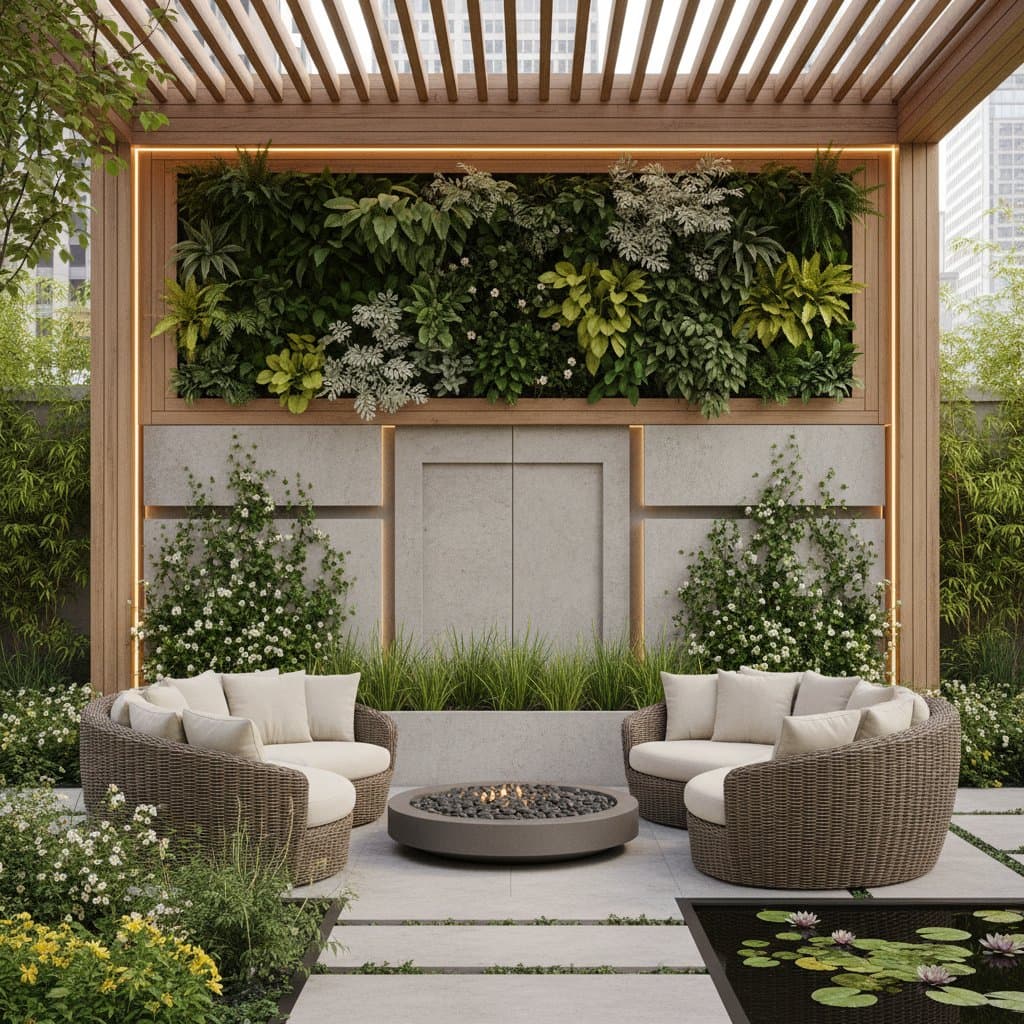
- Illumination Options: Embed low-voltage LED lights along borders to highlight plant shapes after dark, broadening evening enjoyment.
- Water Elements: Add a simple basin or cycling fountain for shimmering effects and soothing sounds, drawing birds to the area.
- Seating Integration: Position durable benches within the plantings, where gravel softens footsteps for intimate relaxation.
- Sculptural Features: Choose items from natural substances like weathered metal or smooth stones, placed to direct views across the yard.
- Potted Displays: Raise statement plants such as agapanthus in large containers near social zones, refreshing them with seasonal changes.
Plan these additions early to minimize later changes. Draft a scaled diagram on grid paper, positioning plants and structures to suit your lot size. This planning secures cohesive and useful results from the beginning.
Nurturing and Enjoying Your Gravel Garden Over Time
Your gravel garden gains unique personality as it grows. The gravel crunches pleasantly under steps, breezes stir leaves, and volunteer seedlings sprout in surprising places. These nuances build a deeper bond with the outdoors.
Changes through the year sustain fascination: spring delivers new shoots, summer displays flowers, autumn provides pod structures, and winter exposes gravel designs beneath ice. Keep it healthy with light weeding or perennial division every several years. Watch how elements perform and tweak as needed, letting the space evolve with your tastes.
Steps to Build Your Gravel Garden
Clear the site first and set edging to hold everything in place. Roll out permeable fabric over the ground. If raising beds, spread a shallow soil layer next. Distribute gravel uniformly across the surface. Plant right away, giving deep but spaced-out waterings to root the specimens. Check progress through the initial year. Then, relax into a dependable sanctuary that boosts home worth and daily peace.
Realizing Lasting Value in Your Outdoor Space
A well-crafted gravel garden transforms routine yard care into joyful stewardship. It withstands challenges while inviting daily appreciation. Homeowners discover not just savings in time and resources, but a richer connection to nature's rhythms. This enduring design choice enriches life at home and beyond.