Grandmillennial Influences: Cottage Gardens in 2026
The grandmillennial aesthetic captures a growing desire for nostalgic comfort amid modern life. This style extends beyond interiors to outdoor spaces, where cottage gardens thrive with their unstructured, romantic appeal. In 2026, these gardens evolve as havens that honor tradition while incorporating contemporary ease.
Roots in Nostalgia and Nature
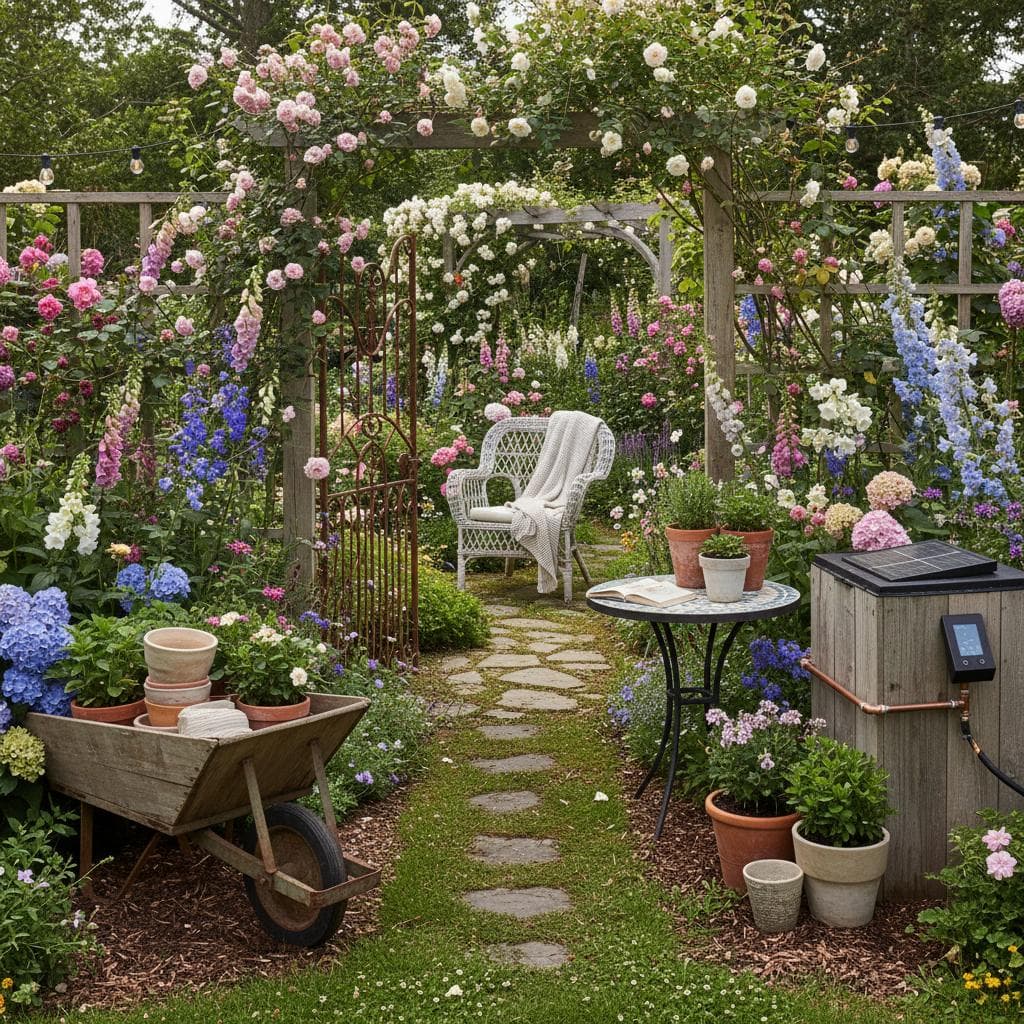
Grandmillennial design draws from vintage elements like lace patterns and floral motifs, offering a soft counterpoint to stark minimalism. Cottage gardens align seamlessly, featuring abundant, free-flowing plantings that evoke pastoral charm. This approach transforms yards into inviting retreats that prioritize emotion over exactitude.
Early efforts at formal gardening often falter in challenging climates, such as high humidity that invites pests to structured shrubs. Releasing the pursuit of symmetry allows natural growth to emerge. Such gardens then reflect personal history and regional character, creating authentic outdoor narratives.
Core Principles of Grandmillennial Gardens
Building Layers for Organic Harmony
Initial concerns about disorder in cottage gardens often give way to appreciation as plants establish. Layered plantings create rhythm through varied heights and hues, ensuring sequential blooms. Self-seeders like columbine and cosmos spread naturally, introducing delightful surprises.
Resist excessive pruning to maintain fullness; instead, guide vines along supports for gentle direction. Over seasons, this method yields a cohesive tapestry where colors harmonize and wildlife integrates. The result is a dynamic space that rewards observation and adaptation.
Sustainable Practices Rooted in Sentiment
Grandmillennial gardening aligns with eco-friendly habits through reuse and preservation. Thrifted ceramic pitchers serve as planters, while vintage bins hold compost from household waste. Chipped dishware becomes birdbaths, merging utility with heritage.
These choices personalize the environment without sacrificing sustainability. They demonstrate that environmental care can coexist with aesthetic indulgence. Cottage gardens exemplify how romance and responsibility intertwine for enduring impact.
Integrating Tradition with Technology
Modern tools complement the grandmillennial ethos without overwhelming it. Applications identify plants, schedule irrigation, and alert for fertilization needs. Previously seen as intrusive, such aids now support the style's practicality.
Future developments may include discreet smart systems, like hidden irrigation amid roses or solar accents in delphinium beds. This balance preserves visual poetry while simplifying maintenance. For those with demanding schedules, it enables thriving gardens with minimal effort.
Reviving Personality in Landscape Design
Contemporary outdoor trends once favored neutral tones and precise lines, from slate patios to uniform hedges. A shift toward warmth now emphasizes lived-in authenticity. Grandmillennial gardens facilitate personal expression through heirloom plants beside new varieties.
Details like a weathered gnome beneath hydrangeas infuse humor and history. As spaces for storytelling, they transcend mere decoration. The most compelling gardens, like memorable homes, emerge from narratives rather than flawlessness.
Steps to Cultivate Your Grandmillennial Cottage Garden
Begin modestly, using available soil or pots to test the style. Focus on elements that resonate personally for gradual expansion.
- Select a palette of soft pinks, whites, and lavenders; introduce bolder accents like deep reds for contrast.
- Combine textures, such as airy astilbe with bold hosta leaves, to build visual interest.
- Plant densely to encourage mingling, allowing 6-12 inches between specimens for natural overlap.
- Integrate antiques, including rusted watering cans or ornate trellises, for instant patina.
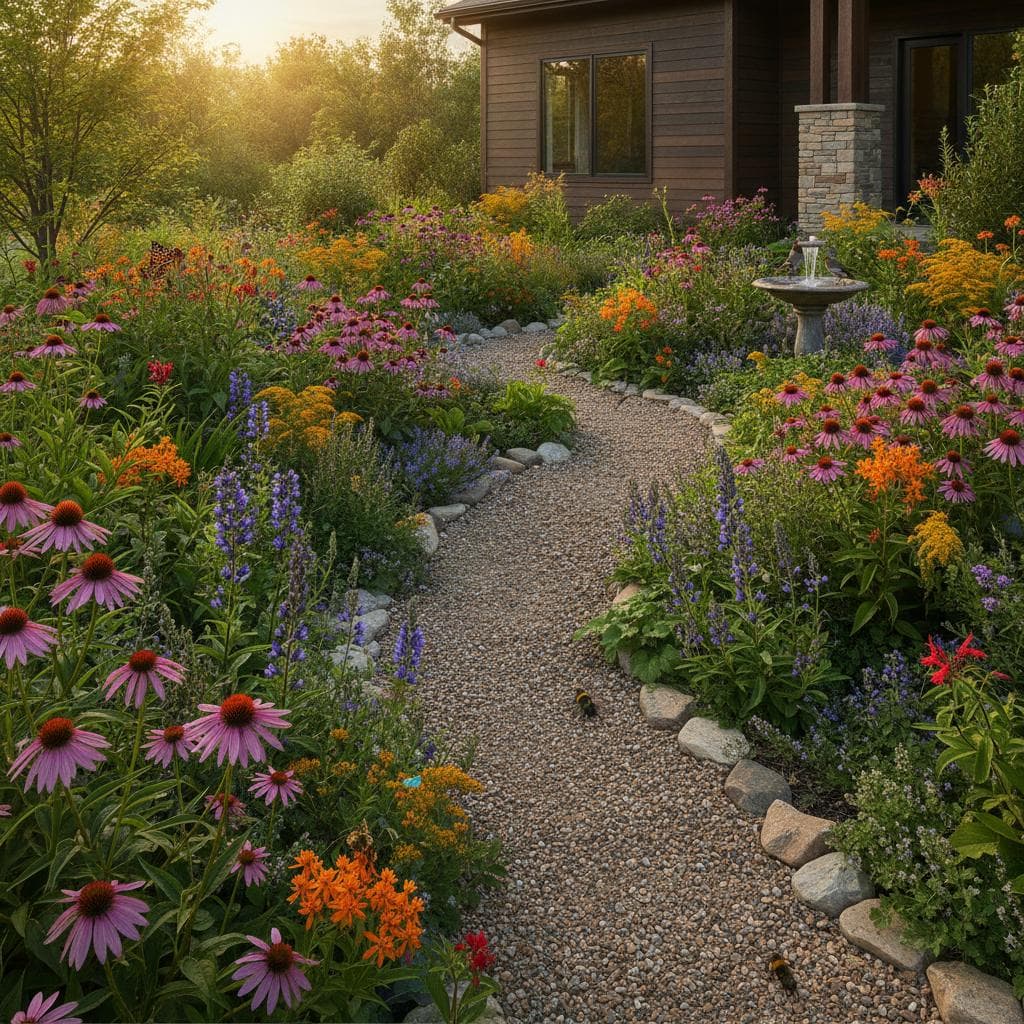
- Attract pollinators with nectar-rich options like lavender, echinacea, and verbena to support biodiversity.
- Allow maturation over 1-3 years; monitor and adjust seasonally for balanced growth.
Nurturing Seasons of Growth
A grandmillennial cottage garden matures into a seasonal sanctuary, shifting from spring bursts to autumn hues. It encourages mindful tending and appreciation of natural cycles. This style bridges eras, inviting beauty in the untamed.
Start your journey with simple steps outside. Witness how sentimental design cultivates joy and connection in every evolving corner.