How Rain Gardens Prevent Backyard Flooding Permanently
The concept of a rain garden may initially evoke images of elaborate landscape features with precisely arranged stones and flowing water elements. In reality, these installations offer a practical solution for everyday yards prone to water accumulation. For instance, in areas like Staten Island, where heavy rains often lead to persistent puddles, rain gardens provide an effective means to manage runoff while improving overall yard functionality.
Rain gardens have gained popularity in residential areas, public spaces, and educational settings. They resemble ordinary planted depressions but perform a vital role in directing water into the soil rather than allowing it to overwhelm streets or basements.
Understanding Common Backyard Flooding Issues
Functions of a Rain Garden
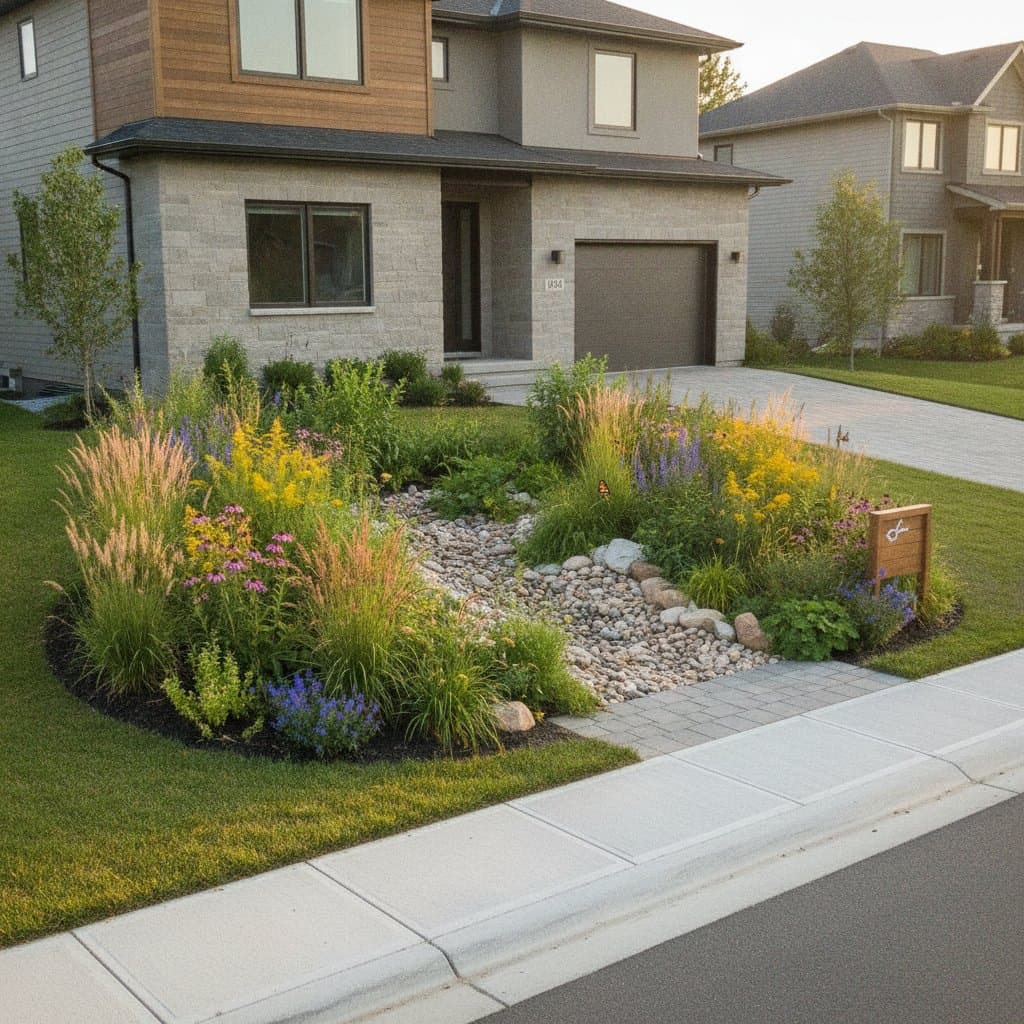
A rain garden consists of a shallow, vegetated basin designed to capture and infiltrate rainwater from impervious surfaces such as roofs and driveways. Rather than channeling runoff directly to sewers, the feature decelerates flow, permitting soil absorption. The integrated vegetation and amended soil serve dual purposes as absorbers and purifiers, treating water during percolation.
Initial research into construction may raise doubts about efficacy. Yet, observations of operational examples demonstrate clear benefits. For example, a neighboring installation near a downspout maintained a dry driveway post-rainfall, in contrast to untreated areas that formed ponds. Native plants tolerant of fluctuating moisture conditions enabled rapid infiltration, preventing street overflow.
Implementing a Compact Rain Garden
Rain gardens require minimal space to handle substantial volumes of water. A modest ten-by-six-foot plot in a yard's lowest section can suffice. Excavate to a depth of six inches, ensuring gradual side slopes for seamless integration with surrounding terrain.
Compacted clay soils hinder drainage, so incorporate compost and sand to enhance permeability. Conduct a percolation test to verify infiltration rates; aim for complete drainage within 48 hours. Adjustments to the soil composition may prove necessary if retention exceeds this timeframe.
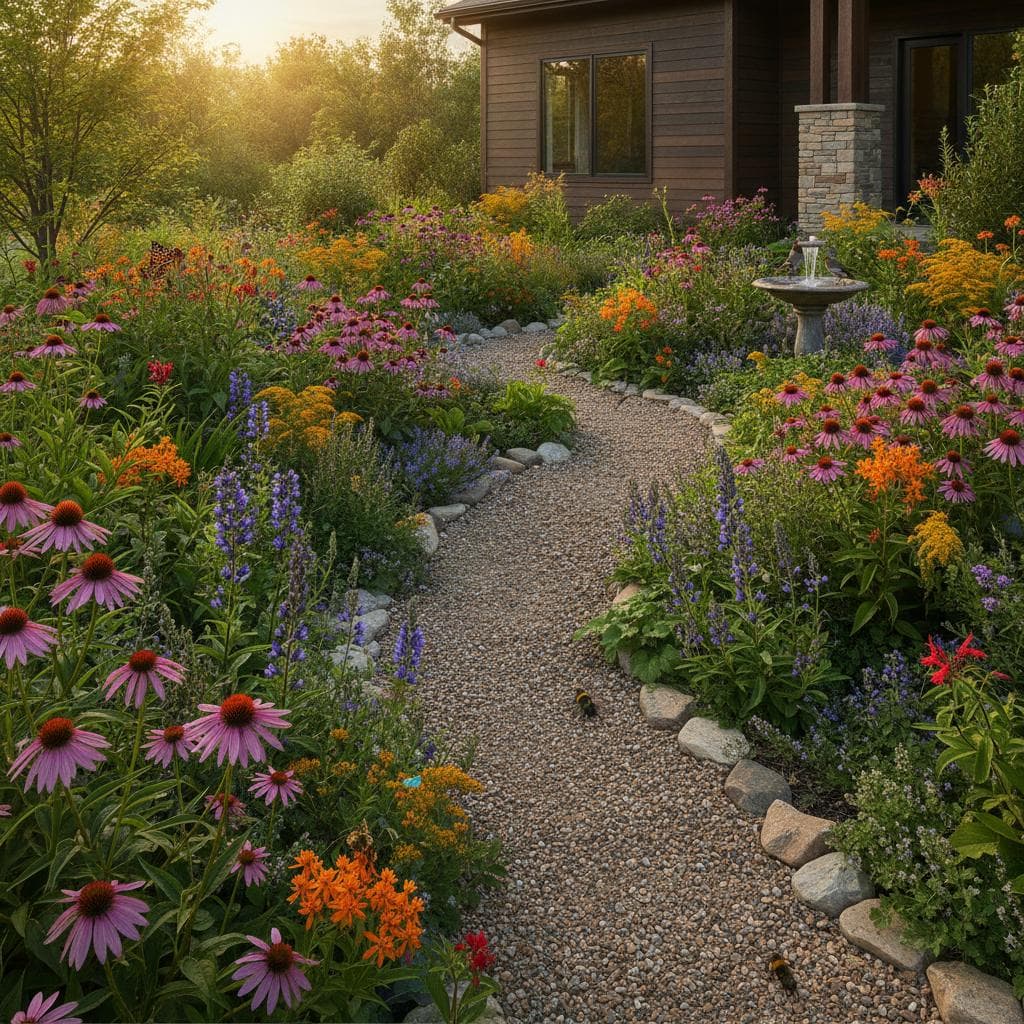
Selecting appropriate vegetation enhances both performance and aesthetics. Prioritize native varieties adapted to regional conditions and capable of withstanding saturation followed by drought. Options include blue flag iris for color, switchgrass for structure, and coneflowers for pollinator attraction. These choices support local wildlife while maintaining visual appeal.
Scientific Principles Underpinning Effectiveness
The success of rain gardens stems from engineered soil stratification that facilitates natural purification and aquifer replenishment. Precipitation from hardscapes often transports contaminants like oils, nutrients, and particulates. The garden's layers capture and degrade these elements, protecting downstream water bodies.
In regions with strained infrastructure, such as Staten Island, multiple installations amplify community-level impacts by diminishing collective runoff. This alleviates street flooding and eases drain burdens.
Property owners experience direct advantages, including reduced mosquito breeding, improved lawn vitality, and minimized structural risks. Visually, these features convey deliberate design over neglected wet zones.
Insights from Practical Installations
Early efforts may encounter challenges, such as underestimating inflow volumes leading to overflows. In one case, adding a rock-lined overflow path redirected surplus water safely. Such modifications ensure reliable operation.
Plant positioning requires consideration; robust species like sedges and rushes suit central, wetter areas, while more vulnerable perennials thrive on peripheral, drier edges. This arrangement prevents waterlogging damage.
Ongoing care remains straightforward. Remove weeds periodically, prune spent growth in spring, and replenish mulch annually. These steps promote self-sustaining health.
Advantages for Contemporary Landscapes
With expanding home footprints and diminishing permeable areas, rain gardens represent an efficient, nature-aligned water management strategy. They eliminate the need for costly mechanical systems and integrate seamlessly into existing designs.
Even those in rental properties can adapt the principle using elevated containers or rain barrels filled with soil and gravel. These portable setups demonstrate feasibility without permanent alterations.
Local governments increasingly incentivize adoption through rebates or utility discounts. Verify availability of such programs in your jurisdiction.
Steps to Install in Your Yard
Begin by monitoring water patterns during rainfall to identify accumulation sites. Select a depression at least ten feet from structures to avoid foundation interference or septic impacts.
Follow this sequence for setup:
-
Site Selection: Identify a low area distant from the house foundation.
-
Soil Preparation: Aerate the ground and blend in organic matter with coarse amendments for better infiltration.
-
Excavation: Form a subtle basin approximately six inches deep.
-
Vegetation: Incorporate diverse native grasses, perennials, and shrubs.
-
Mulching: Apply two inches of organic material to suppress weeds and conserve soil moisture.
-
Drainage Provision: Install a graded outlet for managing overflow.
Completion typically spans a weekend or two, yielding enduring flood control and enhanced scenery.
Benefits Realized Through Rain Garden Ownership
Witnessing a rain garden actively process stormwater instills a sense of accomplishment. The process of containment and infiltration aligns human efforts with natural cycles, fostering resilience against weather extremes. Homeowners gain not only drier grounds but also vibrant, ecologically supportive spaces that endure.