Edible Flower Walls: Grow, Admire, and Harvest Your Decor
Homeowners often hesitate to attempt an edible flower wall because the concept appears overly complex. Visions of intricate irrigation setups and meticulous upkeep deter many from starting. In reality, vertical gardening with edible flowers proves accessible to any gardener with basic skills. This project yields a structure that enhances aesthetics while providing fresh ingredients for the kitchen.
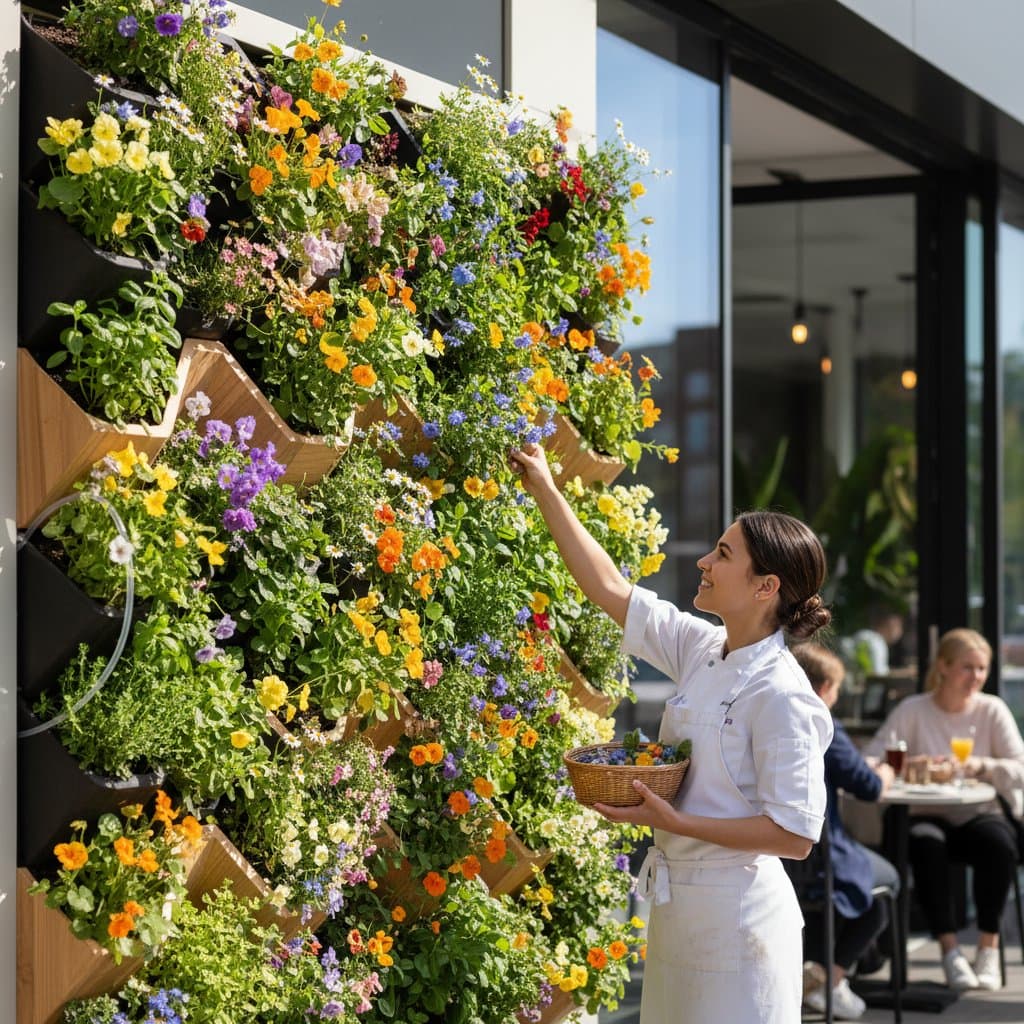
An edible flower wall transforms dull surfaces, such as fences or interior partitions, into multifunctional features. Beyond mere ornamentation, it integrates living elements that produce both visual appeal and culinary value. Residents enjoy the convenience of harvesting vibrant petals directly from their surroundings.
Essential Components of the Project
- A robust frame or mounting system capable of supporting saturated soil and mature plants.
- A suitable growing medium, either soil-based or hydroponic.
- An effective irrigation approach, ranging from manual watering to automated drips.
- Adequate drainage mechanisms to avert root rot and waterlogging.
- Reliable light exposure, either natural sunlight or artificial supplements.
Expect the process to span several days or weekends, depending on scale. Individuals experienced with assembling garden beds or securing planters possess the necessary foundation to succeed.
Step-by-Step Guide to Construction
Step 1: Select an Optimal Location
Identify a spot receiving a minimum of four to six hours of direct sunlight daily. South-facing orientations maximize growth, though varieties like violas and pansies tolerate partial shade. Verify that the chosen surface withstands the load of moist soil and foliage. Opt for a freestanding unit if attachment to existing walls poses risks or aesthetic concerns.
Step 2: Construct or Install the Frame
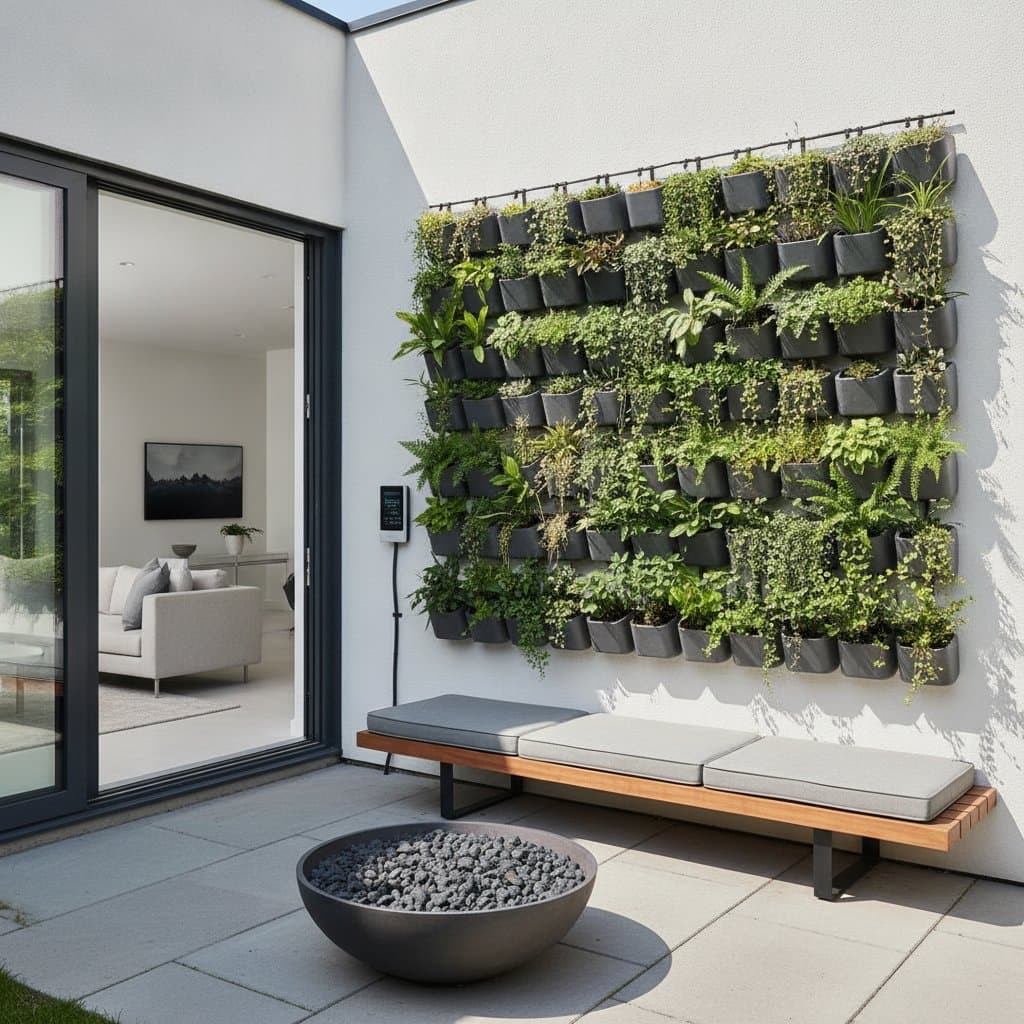
For custom builds, select durable materials such as cedar or pressure-treated pine to resist weathering. Assemble a rectangular framework with horizontal supports spaced every twelve inches for stability. Secure landscape fabric or specialized felt panels to contain the growing medium. Alternatively, affix modular planters using heavy-duty brackets anchored into wall studs or concrete with appropriate fasteners.
Step 3: Prepare the Growing Medium
Incorporate a lightweight potting soil amended with compost into each compartment or container. Steer clear of dense garden soil, which hinders root expansion through compaction. For hydroponic setups, follow product guidelines to position water-absorbent felts or foam inserts that sustain moisture levels.
Step 4: Introduce Edible Flower Varieties
Position trailing plants, including nasturtiums and violas, at upper levels to allow natural draping. Place upright specimens like calendula and marigolds lower down for self-support. Maintain spacing of approximately six inches between plantings to promote air circulation. Affix labels to identify species, facilitating safe harvesting for culinary use.
Step 5: Establish Watering and Nutrition Routines
Vertical arrangements demand vigilant hydration, as upper sections desiccate more rapidly. Monitor soil moisture daily in hot conditions and adjust accordingly. Invest in a timer-controlled drip system to automate delivery and reduce manual effort. Apply an organic liquid fertilizer biweekly to bolster blooming and vigor.
Scenarios Requiring Expert Assistance
Engage a professional landscaper or carpenter for expansive installations, structural integrations, or advanced irrigation configurations. Challenges arise with attachments to materials like brick, stucco, or siding, where errors could lead to water infiltration and deterioration. Homeowners manage smaller, independent frames or lightweight planters effectively through methodical execution.
Maintenance and Safety Protocols
Verify that all selected flowers qualify as edible and remain untreated with pesticides. Chemical residues render even safe varieties hazardous for consumption. Rinse harvested blooms thoroughly under cool water prior to use. Refresh the growing medium annually to mitigate pathogen accumulation. Prune spent flowers promptly to stimulate continuous production.
Conduct routine inspections of the framework and fixtures quarterly. Environmental factors accelerate degradation, and minor oversights may precipitate structural failures. Clean irrigation components regularly to eliminate blockages from mineral deposits or organic matter.
Advanced Strategies for Optimal Results
- Initiate with a compact area, such as a two-by-four-foot panel, to build confidence before scaling up.
- Employ starter seedlings over direct sowing to achieve quicker establishment and uniform coverage.
- Integrate edible herbs, including basil and thyme, to enhance fragrance and expand harvest options.
- Gather flowers early in the day, when essential oils concentrate for peak taste and texture.
- Document performing cultivars in your environment to inform subsequent seasons' selections.
Integrating Edible Walls into Daily Life
A thriving edible flower wall evolves into a dynamic home feature, adapting through seasonal cycles. Use snipped petals to garnish salads, create infused vinegars, or accent desserts. The aroma wafts pleasantly indoors, enriching sensory experiences.
Caring for the installation fosters a meditative practice, attuned to cycles of hydration, grooming, and collection. The endeavor connects inhabitants to natural processes, particularly in compact city dwellings. Accomplishing this blend of form and function instills lasting accomplishment, whether adorning a terrace or reimagining a boundary line.