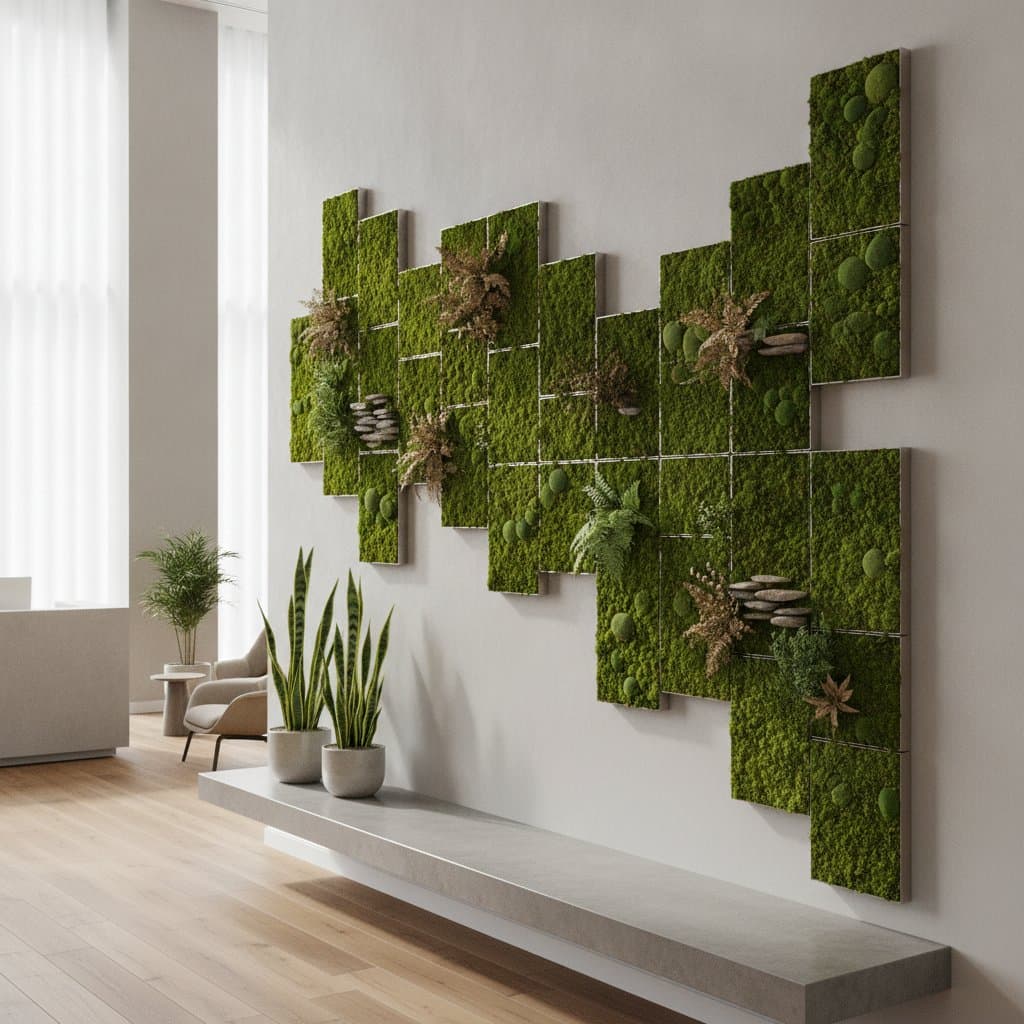
Moss Walls and Living Fences Elevate Front Yard Design
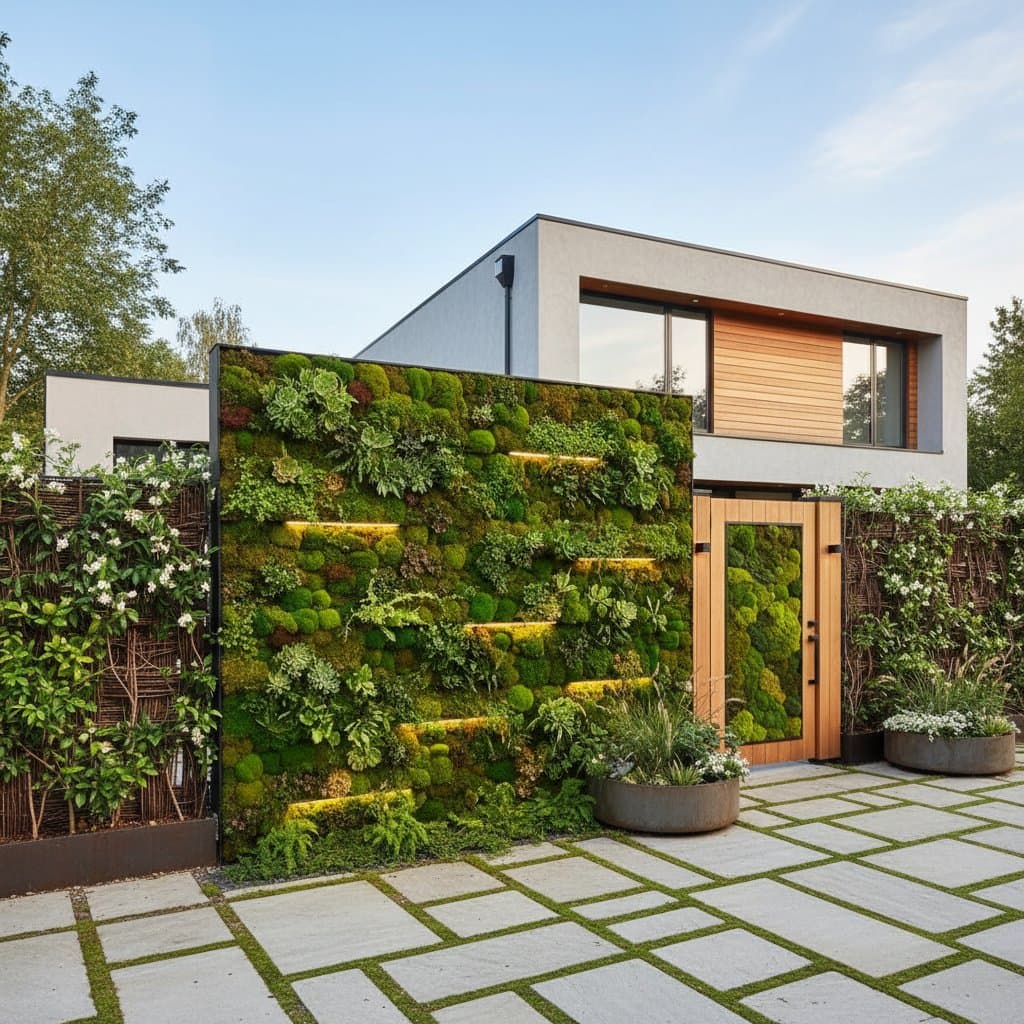
Homeowners often encounter properties that radiate vitality through fresher air, vibrant hues, and engaging surfaces. Such spaces typically incorporate the current trend in exterior design: moss walls and living fences. These verdant vertical installations introduce softness, ecological responsibility, and character to areas previously defined by unadorned wood or unyielding stone.
The Rise of Green Walls in Curb Appeal
Front yards serve as initial introductions to a residence, yet contemporary approaches emphasize harmony with the environment over rigid symmetry. Moss walls and living fences exemplify this shift by seamlessly integrating structural elements with organic forms, transforming dividers into dynamic, respiring components.
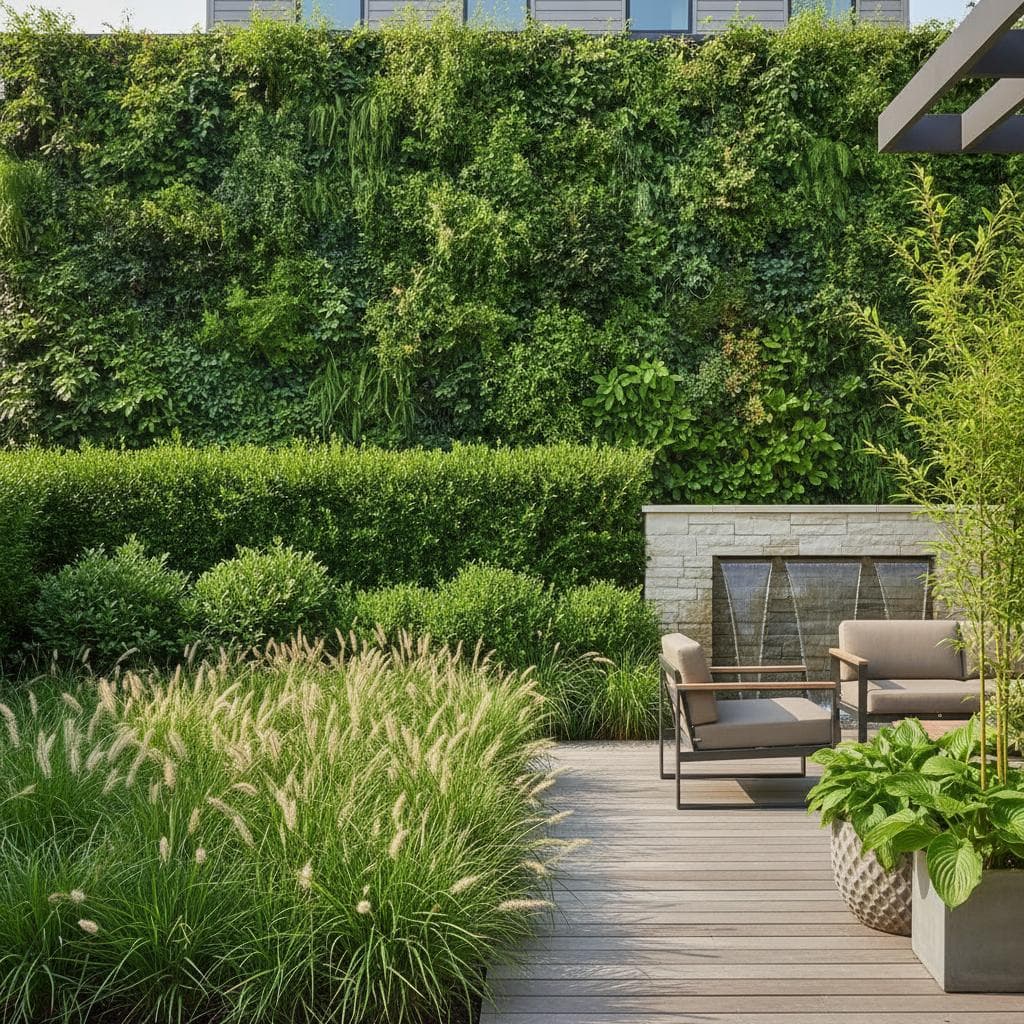
Their popularity stems from inherent accessibility. Moss flourishes without frequent trimming or irrigation, excelling in dim conditions, moist atmospheres, and undisturbed settings where many plants falter. Living fences offer seclusion absent the bulk of conventional barriers, utilizing climbing vines, dense shrubs, or prefabricated modules populated with herbs, succulents, or flowering perennials.
Incorporating Texture and Dimension
Fostering an Integrated Ecosystem
These features extend value beyond visual appeal by promoting environmental health. Moss effectively captures airborne contaminants, regulates humidity, and contributes to carbon sequestration in urban settings. Living fences draw beneficial insects like bees and butterflies while offering microclimates that shelter understory vegetation and reduce urban heat.
Effective implementation hinges on strategic positioning and suitable components. Moss requires a firm substrate and ambient moisture, favoring north-facing spots beside masonry or retaining walls. Living fences demand consistent hydration and climate-adapted selections; resilient choices include fast-growing climbers like honeysuckle or clematis, evergreen shrubs such as privet or yew, and drought-tolerant options like lavender for arid regions. Consult regional hardiness zones to ensure longevity and minimal intervention.
Implementing on a Modest Budget
Professional assistance proves unnecessary for initial forays. Several economical strategies enable adoption of this style:
-
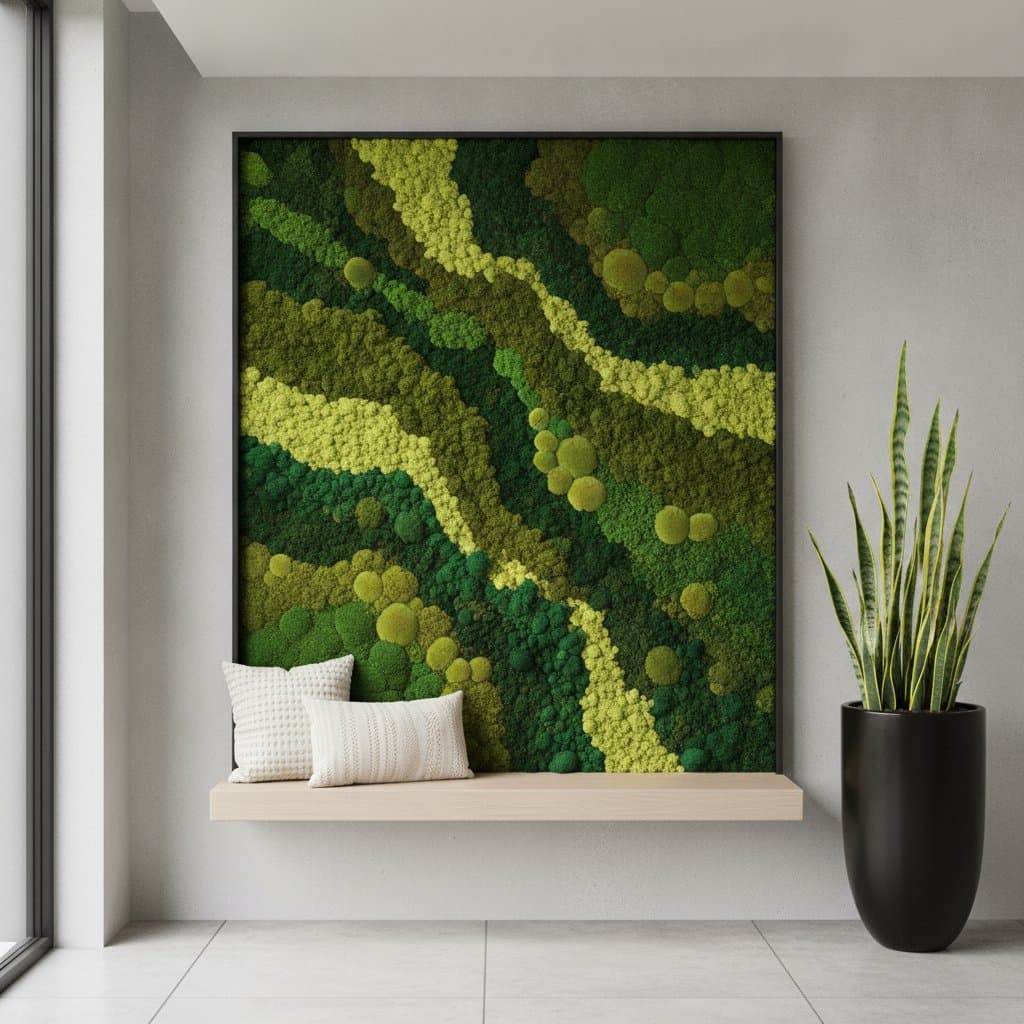
Initiate modestly. Install a single framed moss section beside the front door to gauge integration before expanding.
-
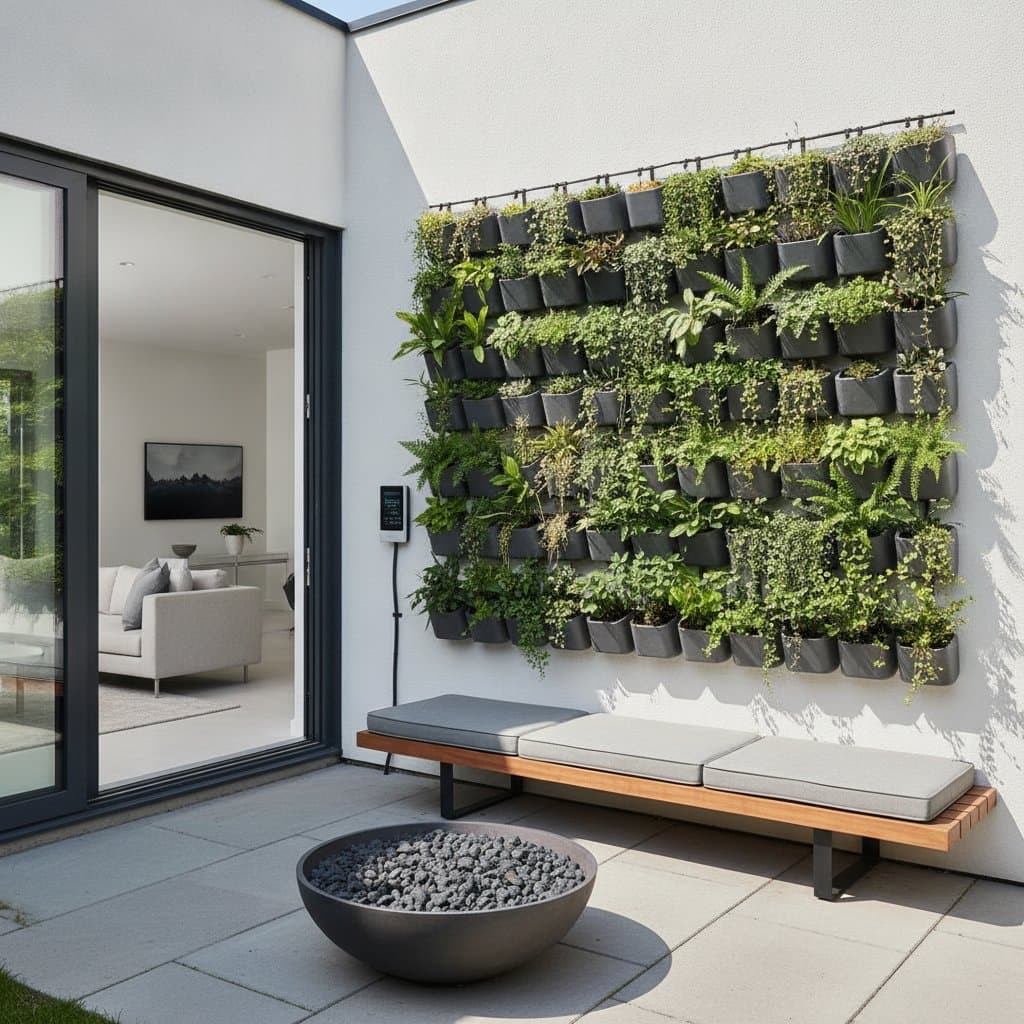
Repurpose existing items. Convert weathered wooden crates or metal frames into supports for vertical arrangements, ensuring liners prevent soil leakage.
-
Incorporate container elements. Blend a shallow hedge row with stackable pots holding trailing ivy or ferns to diversify heights and simplify upkeep.
-
Integrate illumination. Position low-voltage path lights or solar fixtures to highlight foliage contours after dark, extending usability.
-
Opt for modular systems. Select disassemblable panels that facilitate relocation, ideal for temporary setups in leased properties.
These approaches allow gradual investment while yielding immediate enhancements.
Maintaining and Evolving Your Installation
Post-installation, moss walls and living fences develop organically, revealing seasonal variations in color and form. This progression enhances their allure. Maintenance remains straightforward: apply a fine water spray to moss every few weeks in dry spells, selectively prune encroaching growth on fences, and permit natural cycles to unfold.
Observe for signs of stress, such as discoloration in moss indicating excessive dryness or sparse foliage in fences signaling nutrient deficits; address with organic amendments like compost tea. Over time, these elements not only refine the property's facade but also cultivate tranquility. Proximity to thriving greenery promotes relaxation, distinguishing such designs in therapeutic landscapes.
Steps to Integrate Vertical Greenery
Begin by evaluating your site: identify damp zones, sunlight patterns, and synergies between existing architecture and terrain. Select a pilot area, such as a side boundary or porch edge, for experimentation.
Sketch preliminary layouts, factoring in scale and species compatibility. Source materials from local nurseries emphasizing native varieties to bolster resilience and biodiversity. As implementation proceeds, these living features underscore a core principle: exceptional residences adapt and flourish alongside their inhabitants, yielding enduring, personalized sanctuaries.