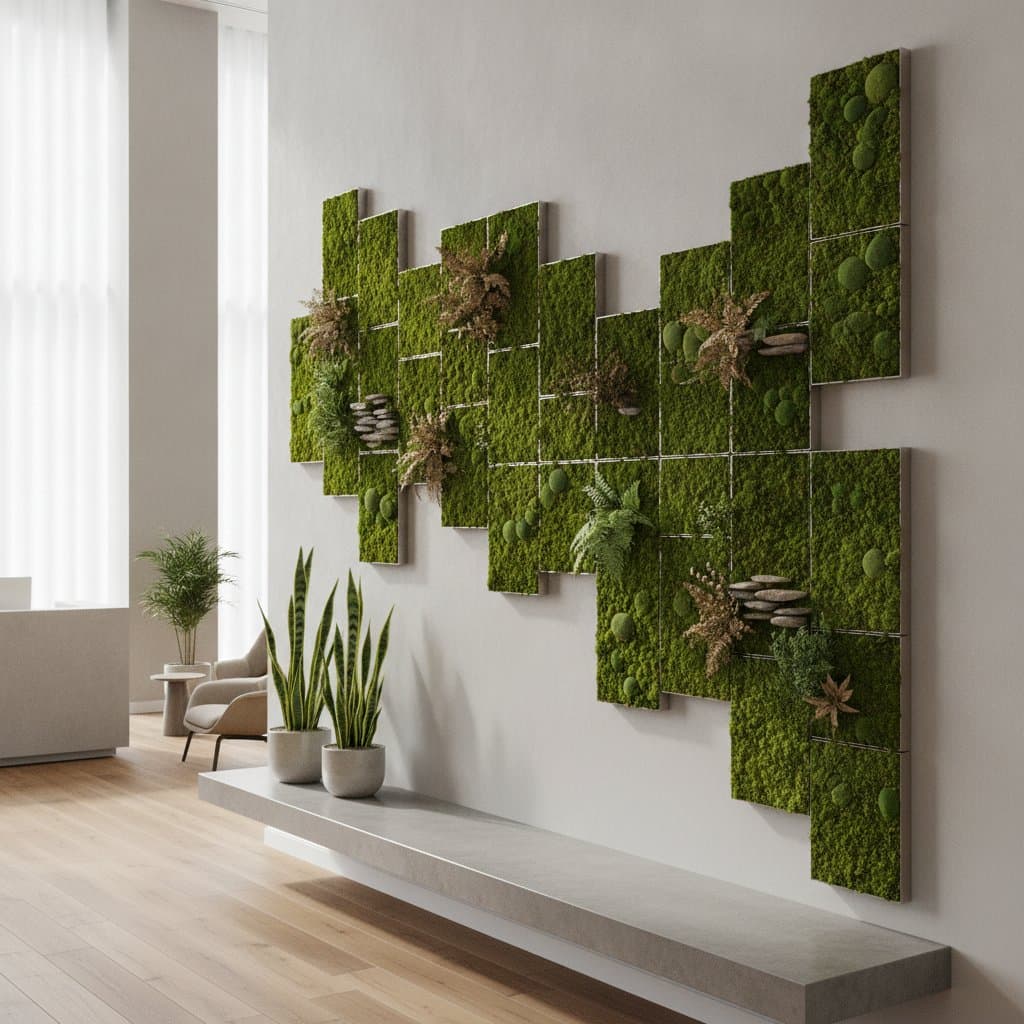
Why Moss Walls Represent the Future of Front Yard Landscaping
Visual features shape the character of a neighborhood. Moss walls emerge as an innovative option for front yards, combining vitality with practicality. These elements serve as a modern substitute for standard landscaping, merging visual charm with functional advantages.
The Subtle Appeal of Living Green Walls
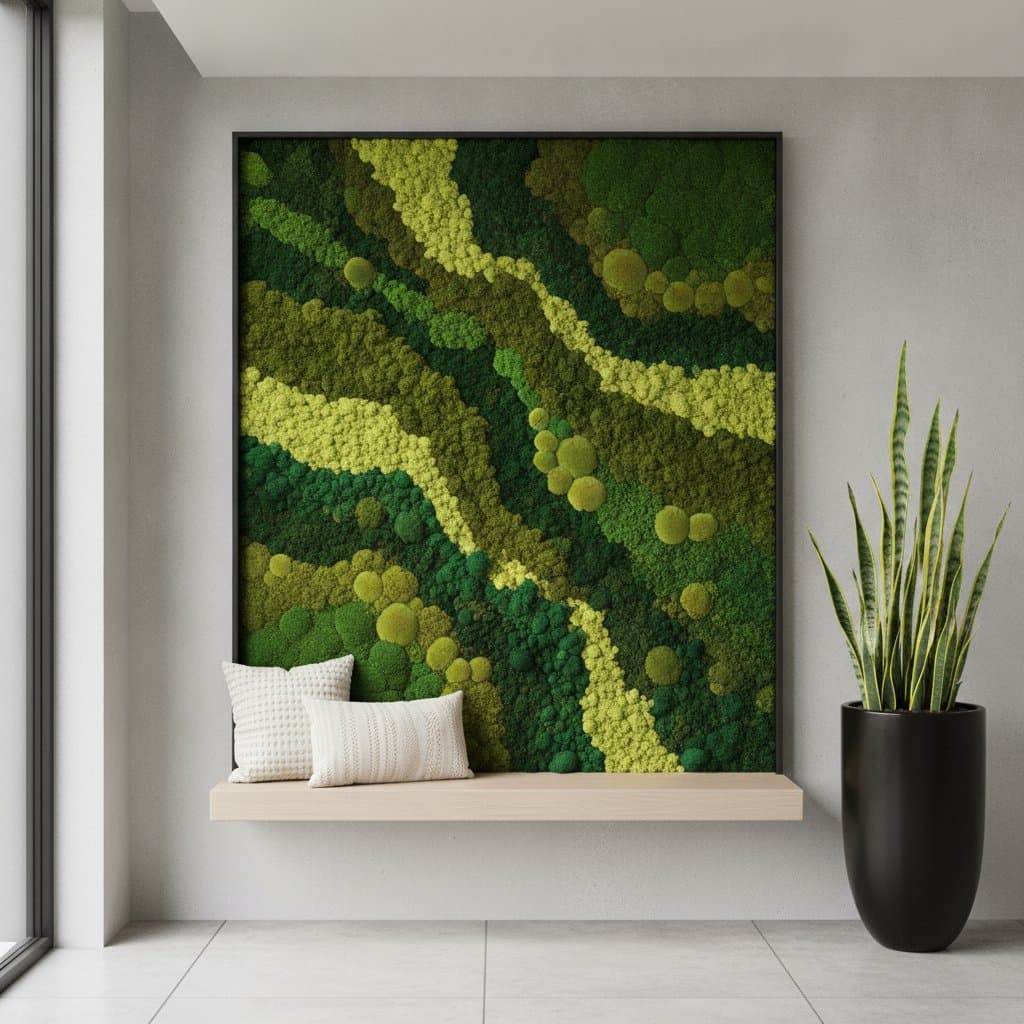
Moss walls draw attention with their natural texture and understated elegance. They recall the calm of forest undergrowth, providing a break from city hardness. This choice creates instant peace as one approaches, improving the approachable nature of a home's facade.
Moss's inherent traits drive its popularity: the soft surface and soft green tones add dimension without dominating the area. In spaces filled with rigid materials, this addition brings gentleness and equilibrium. Property owners note that it raises the general atmosphere, rendering doorways more welcoming and calming.
Sustainability Combined with Aesthetic Appeal
Understanding Moss Wall Mechanics
Contemporary moss wall setups employ modular panels built for strength and simple setup. Active versions use bases that hold water, enabling moss to root and expand slowly. Watering, when required, uses gentle spraying to mimic natural settings.
Treated moss choices receive processing to keep their look forever, removing the need for expansion. These fit zones with variable brightness or dampness, ensuring steady visuals. Both varieties favor diffused light, placing them well in dim front yard areas where direct sun challenges other greenery.
Versatile Design Options for Any Residence
Tailor moss walls to various building styles by choosing matching border materials. In modern homes, select slim metal frames to highlight the moss's organic unevenness. For traditional environments, combine with timber or rock to gain smooth blending.
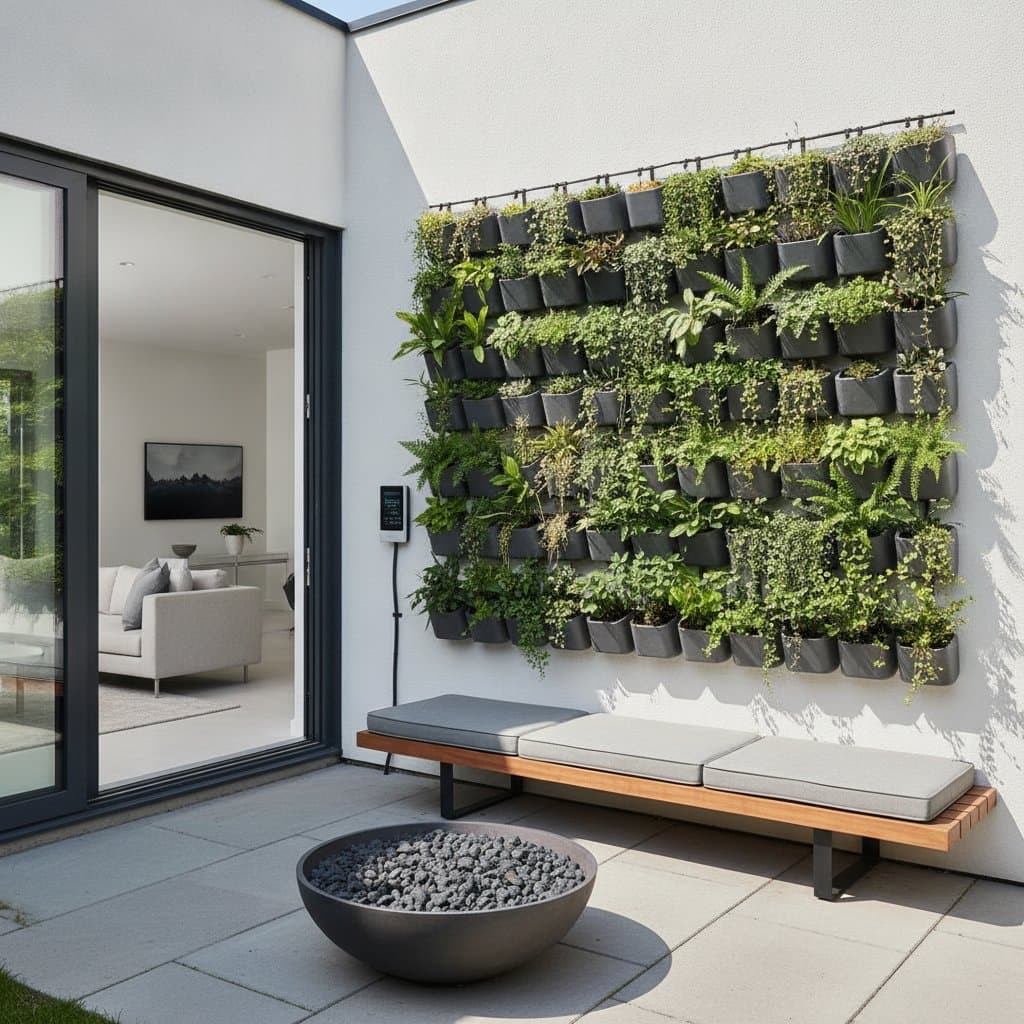
Think about size and position to boost effect. Upright placement saves floor area, useful for slim properties. Pair with walkways or illumination to form highlights that change with light shifts.
Targeted design ideas include:
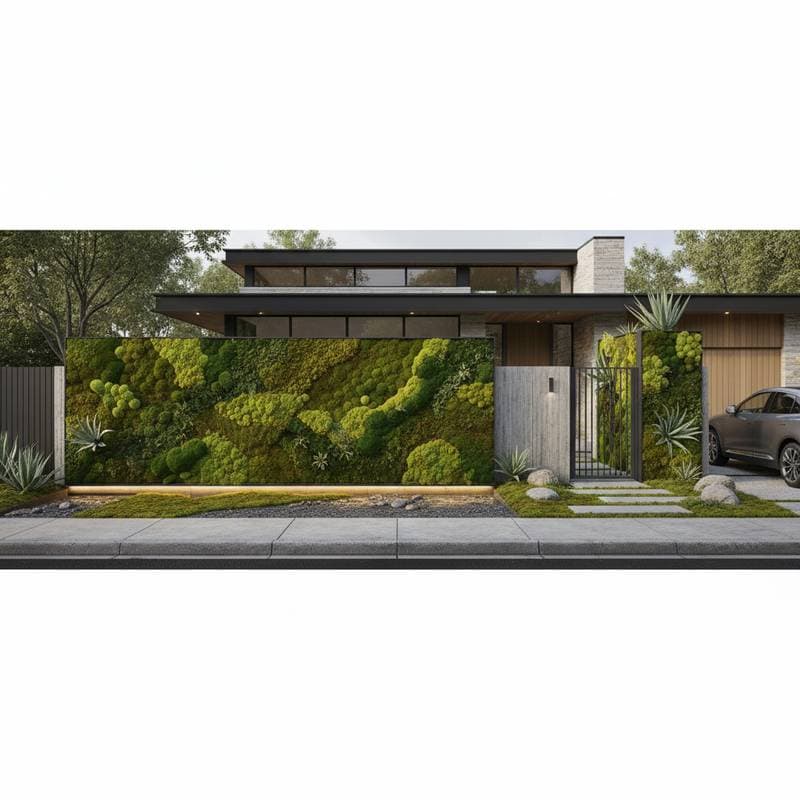
- Entryway Accent Wall: Place a 4-by-6-foot moss section beside the entrance, with built-in lights to emphasize texture at night.
- Fence Integration Panels: Insert 2-by-3-foot pieces into timber barriers at eye height, easing shifts between boundaries.
- Support Wall Enhancement: Apply moss tiles to 20 percent of a inclined wall's face, merging it with nearby foliage for a cohesive yard look.
- Fixture Framing: Surround mailboxes or gates with 1-by-2-foot panels, introducing quiet green to practical items.
Treat moss as a supporting element, not the main focus. Thoughtful positioning allows it to support rather than rival other yard parts.
Fostering Emotional Ties
Moss walls affect feelings via tactile involvement. Their slight sway in wind and light-catching qualities encourage calm. Dwellers frequently mention more outdoor time, building awareness in everyday activities.
This bond reaches environmental consciousness, as the active part recalls nature's rhythms. The outcome yields a home front that captivates the eye and aids mental health.
Realistic Maintenance Expectations
Active moss walls require regular checks to keep vitality. Spray panels once a week in dry areas and clear dropped debris monthly to avoid accumulation. Watch for insects, although moss's toughness curbs such problems.
Treated versions ease upkeep, needing just periodic cleaning in protected spots. Steer clear of full sun to halt color loss; dim setups prolong life. Review area weather patterns to pick types such as Sphagnum or Hypnum suited to local dampness.
Both methods skip chemical use, protecting family safety and wildlife variety.
Advantages of Moss Over Grass Moving Forward
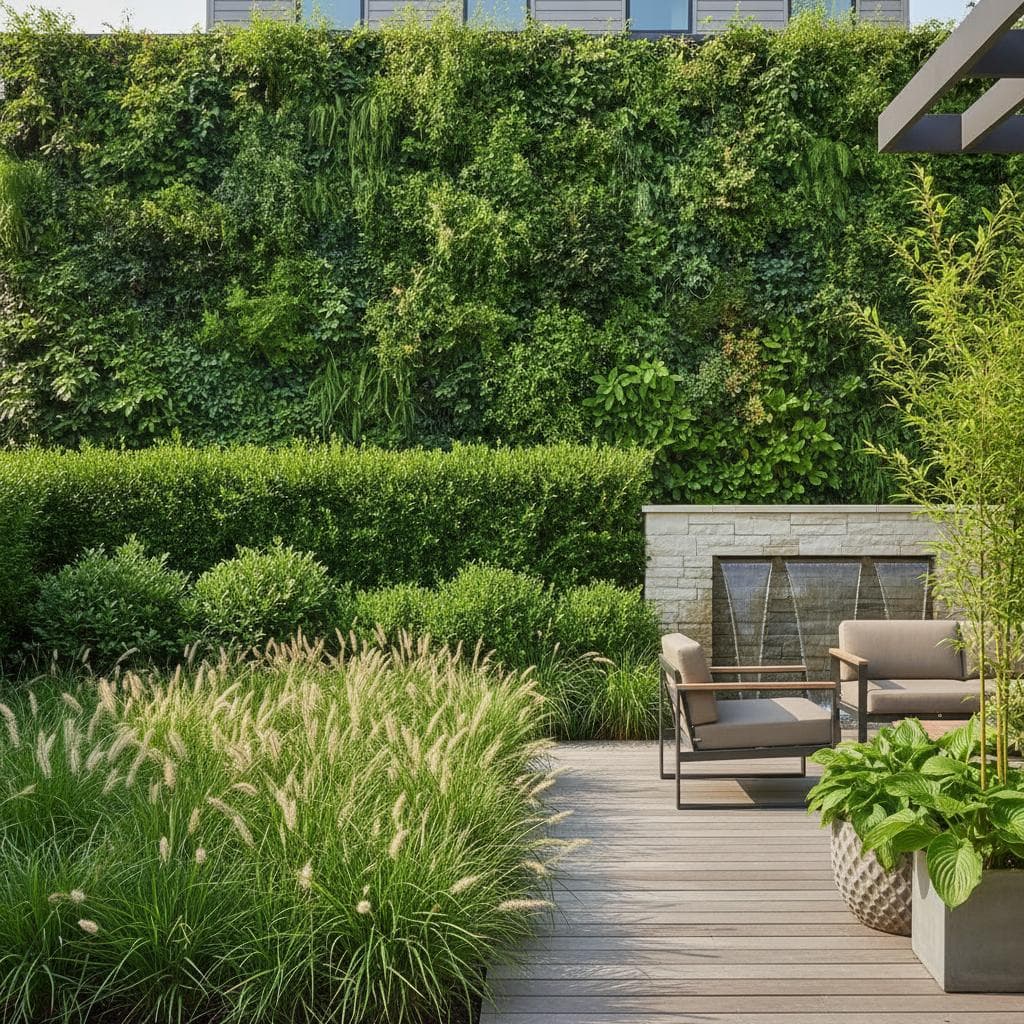
Standard lawns use vast resources, such as 30 percent of home water in certain areas. Moss walls address this with low demands while matching visual draw. Their upright design fits growing city densities, increasing green space without area growth.
Further gains involve cleaning air by taking in contaminants and dampening sound through yielding surfaces. For sites near roads, these traits produce calmer, purer exteriors. In total, moss provides a flexible answer for changing garden demands.
Expenses and Enduring Benefits
Setup costs start at $50 to $150 per square foot, varying by size and kind. Include expert work for surface reviews, especially on rough ground. Treated systems tend to cost less for novices thanks to easy assembly.
Gains build over time via removed cutting and watering costs, possibly balancing initial outlay in three to five years. Boosted home worth comes from distinctive street view, attracting green-focused purchasers. Add energy-efficient lights for dark-hour boosts, raising seen value.
Steps to Begin Implementation
First, analyze your yard's local conditions, tracking shadow time and moisture with a basic tool. This guides selection between active moss, which thrives in 60-80 percent humidity, or treated options.
Draw possible arrangements, beginning with a 4-square-foot trial section to check fit. Obtain supplies from dedicated vendors with sun-proof borders and safe fasteners.
For watering, set up power-free clocks on spray tubes to handle tasks. Hire qualified garden experts for projects over 10 square feet to guarantee firmness.
Small-scale kits work for personal efforts; adhere to directions to stack moss on foam support, fixing with metal netting.
Integrating Moss into Everyday Surroundings
Adding a moss wall alters engagement with your home's outside. Notice its changes across seasons, from fresh spring expansion to mild winter tone. This shifting aspect deepens habits, making arrivals points of notice.
In essence, moss walls promote green elegance, matching private areas to larger eco aims. They encourage rethinking yard possibilities, valuing energy over habit.