Japandi Gardens: Zen Meets Scandinavian Serenity
Many people experience a profound sense of peace in a well-designed garden, where natural elements harmonize with intentional human touches. Japandi gardens embody this harmony by combining the contemplative essence of Japanese landscapes with the inviting simplicity of Scandinavian aesthetics. The outcome is an outdoor environment that feels stable, approachable, and functional, offering respite without excessive fragility. For those seeking a garden that promotes relaxation while remaining practical, Japandi provides an ideal approach.
The Essence of Japandi
Japandi design centers on equilibrium, drawing from Japan's wabi-sabi tradition that appreciates transient beauty and natural flaws, alongside Scandinavia's hygge ethos of coziness and deliberate existence. These principles unite to form an exterior setting that appears unforced, understated, and profoundly relatable.
Designing the Layout: Flow Over Formality
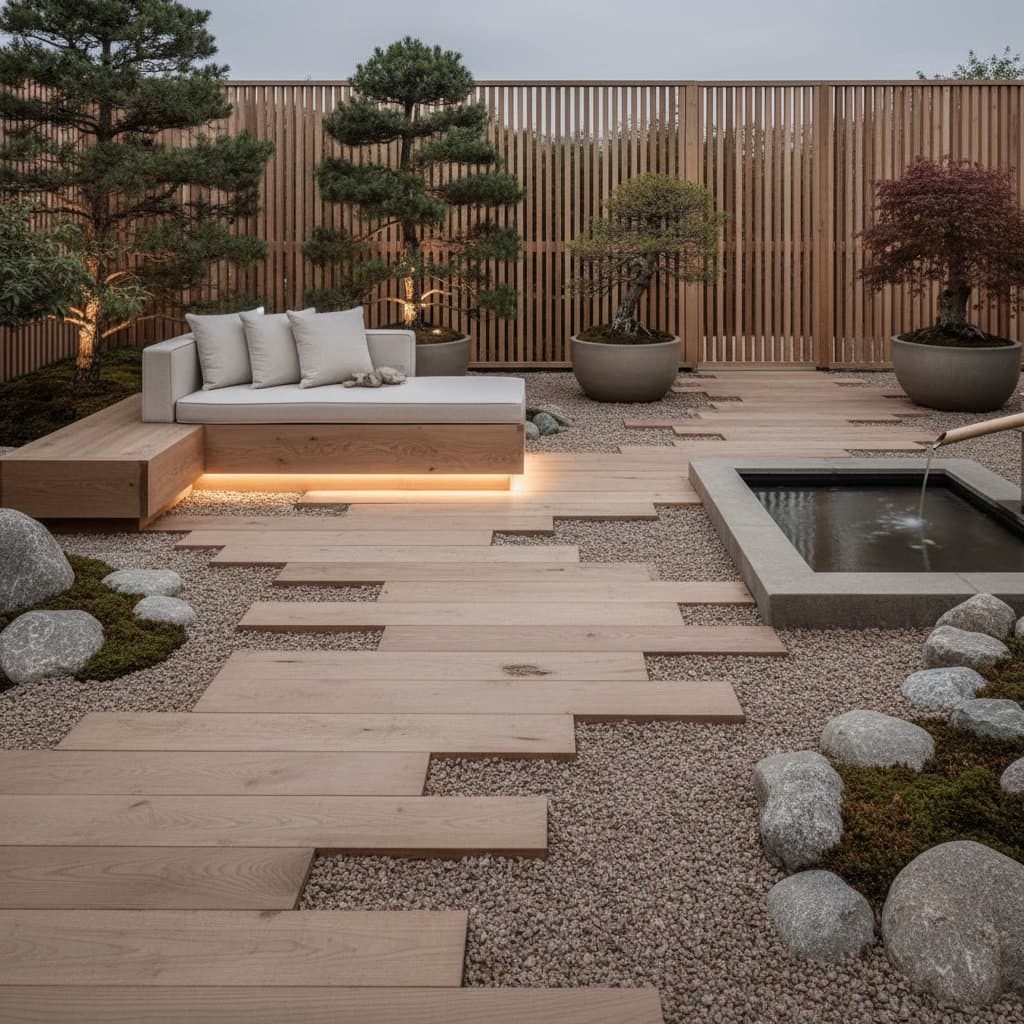
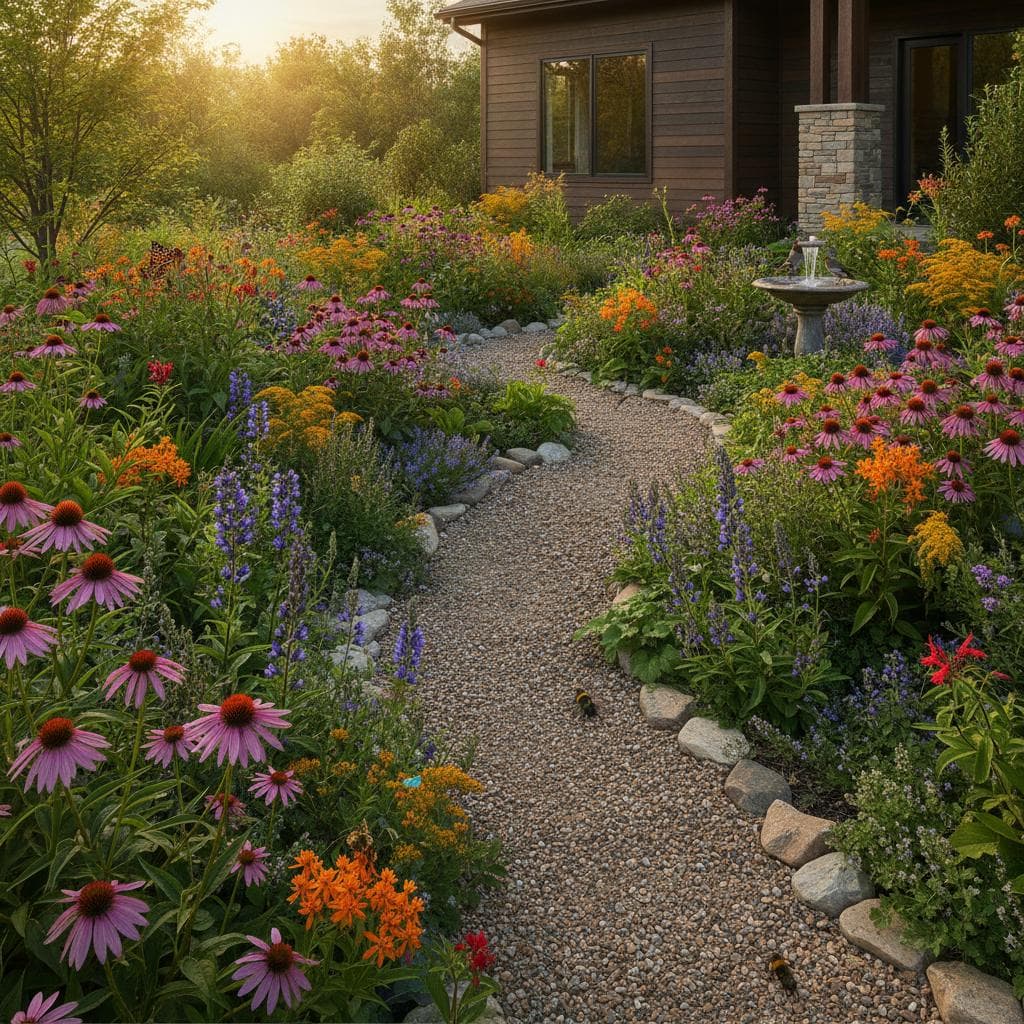
Movement takes precedence over rigid alignment in a Japandi garden. Pathways curve softly, drawing the gaze through the area with subtle intrigue instead of imposition. Gravel surfaces or irregular stepping stones direct visitors toward secluded nooks or modest water elements. The objective is to foster exploration rather than dominance.
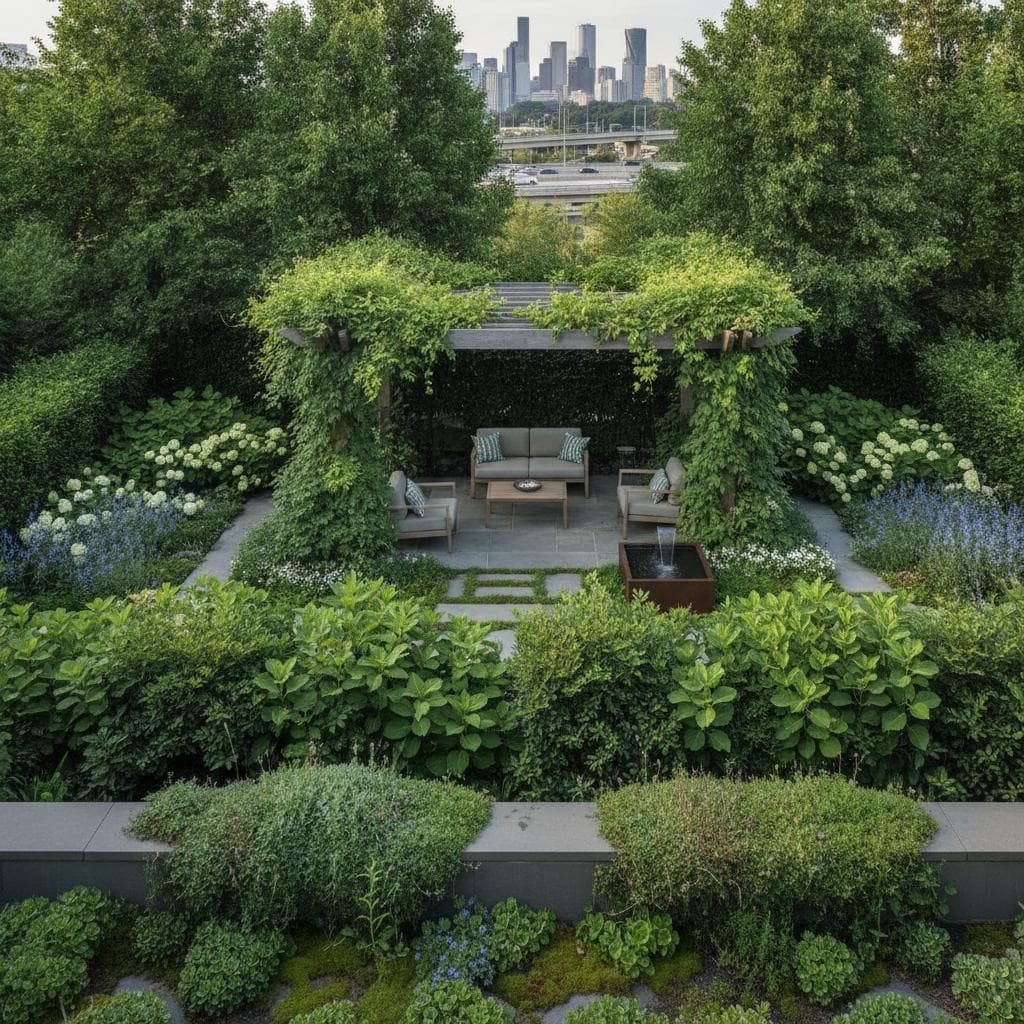
Even limited spaces, such as a compact yard or balcony, can embody this fluidity. Incorporate varying elevations using modular planters or elevated beds, allowing vegetation to cascade organically rather than conform to strict geometries. Such arrangements introduce dimension and gentleness in confined zones.
Consider intended activities when sketching the plan. Envision areas for sipping morning tea, secluded reading, or contemplative evenings. Functionality should shape the structure. Japandi excels when components align with practical needs.
Natural Materials with Soul
Selecting materials defines the character of this aesthetic. Expect abundant use of stone, timber, and organic fibers. Traditional Japanese elements include polished pebbles or combed gravel symbolizing fluidity, while Scandinavian preferences favor light woods such as birch or ash for their subtle grain.
Blend diverse surfaces like aged lumber, unrefined concrete, and terracotta. Position a straightforward timber seat or granite lantern as a central anchor. Steer clear of polished varnishes or artificial composites. Japandi spaces must convey authenticity, as though they have matured alongside their surroundings.
Illumination contributes subtly yet significantly. Employ gentle, scattered glows from paper lanterns, beeswax candles, or energy-efficient ground lights to sustain serenity. Harsh, top-mounted beams disrupt the personal scale. View lighting as a tool to direct focus discreetly.
The Power of Plants
Plant selection in a Japandi garden demands moderation and textural variety. Opt for subdued hues like various greens, pale creams, and earthy neutrals over vibrant displays. Include dynamic options such as bamboo for rustling motion, Japanese maples for delicate branching, and feathery ornamental grasses for graceful sway. Scandinavian touches appear in lush mosses, delicate ferns, or foliage with silvery undersides that catch ambient light.
Arrange vegetation in tiers for cohesion. Plant low-lying creepers at ground level, medium shrubs for mid-tier support, and select trees for vertical interest, ensuring ample breathing room. For container gardening, maintain uniformity in shades and opt for earthenware like unglazed clay pots, fieldstone vessels, or subdued pottery.
Group specimens sharing color families but differing in form for visual interest. Pair airy pampas grass with broad-leafed hostas to build layers without disorder. This nuanced interplay enhances perceived richness subtly.
Mindful Accents and Decor
Ornamentation remains sparse in Japandi gardens, with each addition fulfilling a role or evoking sentiment. A solitary, contoured boulder conveys more presence than multiple figurines. A shallow stone basin introduces gentle trickling sounds and mirrored surfaces without elaboration.
Fabrics offer understated enhancement. Place a natural linen pillow on a timber stool or lay a handwoven mat beneath a sheltered seating area to encourage prolonged stays. Adhere to a palette of soft neutrals: taupe, slate, deep anthracite, and muted sage tones integrate seamlessly with the terrain.
Forgo resin-based seating or vivid motifs, as they undermine tranquility. Choose enduring items that acquire character through exposure. Japandi values the development of surface patina; subtle aging enhances appeal.
Living with Your Design
As a Japandi garden matures, embrace its organic progression rather than rigid upkeep. Unplanned moss may colonize stones, timber may silver with exposure, and pea gravel may redistribute after storms. These shifts represent the style's vitality.
Maintenance involves thoughtful routines. Trim foliage precisely to preserve shape without overzealous intervention. Clear pathways with a soft broom rather than high-pressure tools. The aim is to sustain equilibrium, not dominate it.
Resist urges to embellish impulsively. Reflect on whether an addition truly enhances the area or if open calm suffices.
Bringing Japandi to Your Space
Creating a Japandi garden requires no expansive plot or expert assistance. Begin modestly by transforming a single section. Introduce organic textures, streamline your botanical choices, and pursue serenity over flawlessness.
- Assess your available area and sunlight patterns to select suitable plants.
- Source local stones and reclaimed wood for authentic, sustainable materials.
- Sketch a winding path using simple tools like string and stakes.
- Install one focal element, such as a lantern, to anchor the design.
- Plant in phases, observing growth before adding more.
The true value of Japandi lies in its capacity to cultivate presence. It encourages deliberate pauses, fuller inhalations, and renewed appreciation for nature's understated elegance. From modest patios to generous lots, this fusion of Zen discipline and Scandinavian comfort demonstrates that genuine repose arises from thoughtful simplicity.