Key Principles of Acoustic Garden Walls
Acoustic garden walls serve as effective barriers against external noises from traffic, neighboring activities, or construction sites, allowing homeowners to enjoy a tranquil outdoor environment. Their success depends on deliberate design choices and material selections that either absorb sound waves or redirect them away from living spaces. Proper implementation transforms noisy backyards into inviting areas for relaxation and gatherings.
Homeowners often overlook how sound behaves in open spaces, but understanding this dynamic enhances wall performance. For instance, combining solid barriers with softer elements like vegetation prevents echoes and amplifies quiet zones. These walls not only address immediate noise concerns but also add architectural interest to landscape designs.
Understanding Sound Dynamics in Outdoor Spaces
Evaluating Your Noise Landscape
Begin every acoustic wall project by identifying primary noise sources in your outdoor area. Continuous low-frequency traffic sounds require heavy-duty barriers, whereas intermittent noises like conversations or air conditioning units benefit from more flexible setups. Dedicate time to walk your property during typical high-noise hours to accurately map sources and intensities.
Consider these essential assessment factors:
- Noise sources: Identify specific perimeter areas most impacted by external sounds, such as roads or adjacent properties.
- Frequency profiles: Low-pitched vehicle noises necessitate materials with high mass, while higher frequencies respond better to absorptive surfaces.
- Reflection areas: Hardscapes like concrete patios or fences can amplify sounds, so position walls to interrupt these paths.
- Existing vegetation: Dense plants provide natural sound buffering and influence the overall design approach.
Document observations through detailed notes, photographs, or simple diagrams. This foundation informs precise decisions on wall placement, height, and material specifications, ensuring targeted noise mitigation.
Preparation: Tools, Materials, and Safety Measures
Treat the construction of an acoustic garden wall as a methodical home project, prioritizing structural integrity and precision to guarantee long-term effectiveness.
Required Tools
Gather these essentials for accurate and safe work:
- Measuring tape and spirit level to ensure straight alignments.
- Post hole digger, manual or electric, for foundational excavations.
- Concrete mixer or ready-mix bags to create stable footings.
- Power saw appropriate for cutting wood, stone, or composites.
- Drill equipped with rust-resistant bits and anchors.
- Safety gear including gloves, goggles, and hearing protection.
Essential Materials
Select components that balance acoustic performance with durability:
- Sound-rated panels or custom acoustic boards with verified noise reduction coefficients.
- Galvanized metal posts or pressure-treated wood supports.
- Strong concrete mixture for secure anchoring.
- Weatherproof sealants and finishes to protect against elements.
- Absorptive inserts such as fiberglass insulation or acoustic foam.
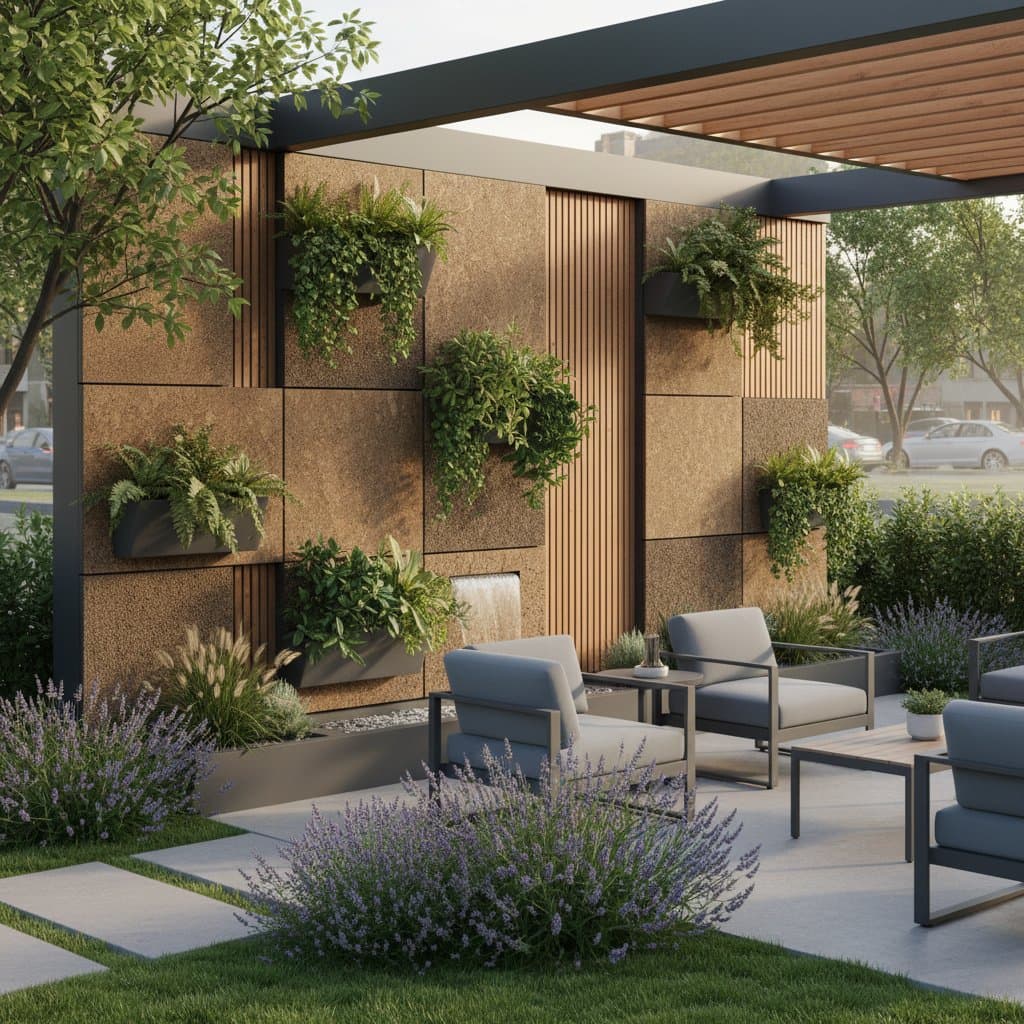
- Decorative elements like trellises, climbing plants, or facade stones.
Safety and Preliminary Steps
Consult local regulations regarding wall heights and property setbacks before starting. Notify utility companies to mark underground lines, preventing accidental damage during digging. Choose dry weather for concrete work to facilitate proper curing, and schedule full days for each phase—excavation, foundation, and assembly—to minimize mistakes and ensure quality.
Step-by-Step Installation Guide
Follow these detailed steps to construct a reliable acoustic garden wall that integrates seamlessly into your landscape.
1. Mark the Wall Path
Use stakes and string to delineate the wall's alignment, ensuring it follows property boundaries without deviations. Even minor gaps, such as one inch, can compromise the barrier's ability to contain or block sound effectively. Double-check measurements against your noise assessment to optimize coverage.
2. Install Support Posts
Dig holes to a depth of one-third the wall's height for stability against wind and soil shifts. Add a layer of gravel at the bottom for drainage, then pour concrete around each post. Allow 24 to 48 hours for the concrete to set fully, positioning posts at intervals recommended by material guidelines to distribute loads evenly.
3. Attach the Barrier Panels
Secure acoustic panels directly to the posts using corrosion-resistant screws or brackets. Employ interlocking designs or apply sealant along seams to eliminate sound leakage points. This phase establishes the core blocking function, so inspect for flush fits and uniform coverage.
4. Add Sound-Absorbing Layers
Enhance performance by installing absorptive materials like fiberglass sheets or rubber membranes on the inner side facing the noise source. Cover these with breathable panels or spaced wooden slats to protect from moisture while allowing air circulation. This combination maximizes both transmission blocking and reflection control.
5. Apply Finishes and Customizations
Seal all joints with caulk and coat exposed surfaces with penetrating sealers to withstand weathering. For wood elements, use fade-resistant stains; for synthetics, opt for durable paints. Incorporate supports for vines or integrate stone facings to blend the wall aesthetically with your garden's style.
6. Integrate Supporting Landscaping
Elevate noise reduction with strategic planting. Place dense evergreens or shrubs at the wall's base to intercept residual sound waves. Use soft ground covers like mulch or gravel in adjacent areas to reduce vibrations from footsteps or ground-reflected noise.
Verifying Performance and Making Refinements
Once the wall stands complete, conduct thorough tests to confirm its efficacy and structural soundness.
- Sound level testing: Measure decibel reductions in primary use areas before and after installation; a significant softening of background noises indicates strong results.
- Structural inspection: Use a level to verify post alignment and surface flatness.
- Integrity assessment: Examine seams and connections for gaps that might permit sound passage.
- Condition review: Check finishes for proper adhesion and panels for any warping.
If noise persists, consider raising the wall by 1 to 2 feet, adding internal absorbers, or expanding vegetative buffers. Holistic designs combining multiple elements typically deliver superior suppression.
Sustaining Performance Through Maintenance
Consistent upkeep ensures acoustic walls remain effective and attractive despite exposure to the elements.
Implement these practices:
- Reapply sealants and coatings every two years to guard against moisture and sun damage.
- Inspect foundations for erosion or rust, and secure loose fittings promptly.
- Trim encroaching plants to avoid moisture buildup or surface wear.
- Clean dirt and mold with mild soap and water, avoiding harsh chemicals.
- Replace damaged panels or sections without delay to preserve airtight seals.
Such proactive care can extend the wall's lifespan to 20 years or more, maintaining quiet spaces and enhancing property value over time.
Advanced Strategies for Superior Noise Control
- Multi-layered systems: Combine solid panels with permeable fences or green walls for broader spectrum coverage.
- **Zone ** Position seating areas away from any remaining sound paths to maximize quiet.
- Entry reinforcements: Install substantial gates with weatherstripping to seal sound within the yard.
- Professional input: For complex urban environments, consult experts who use modeling software to predict and refine designs.
Building Enduring Garden Sanctuaries
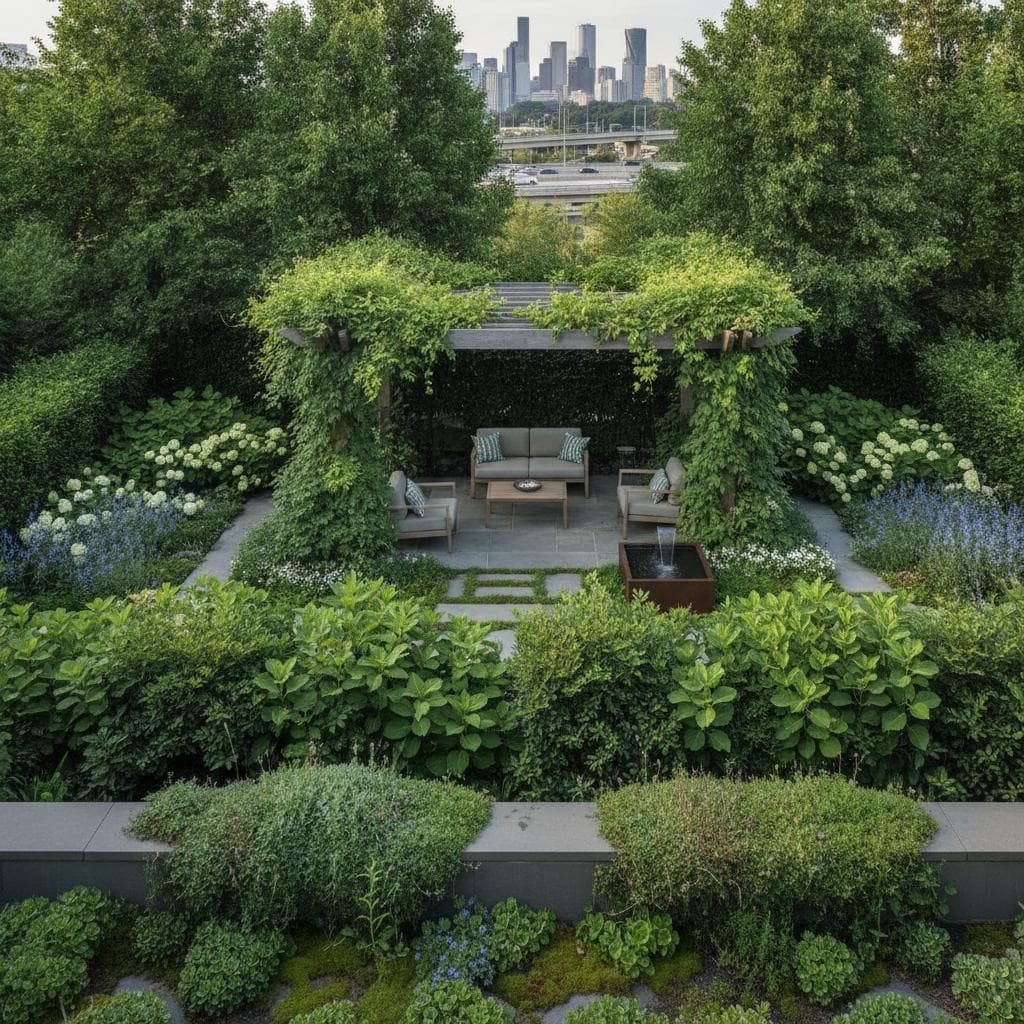
Acoustic garden walls do more than block noise; they reshape outdoor areas into refuges ideal for social events or quiet contemplation. The fusion of precise construction with natural features creates self-contained oases of calm.
With careful planning, durable materials, and routine maintenance, these structures provide reliable serenity. They elevate everyday outdoor living, enhance visual appeal, and deepen appreciation for peaceful natural surroundings.