Acoustic Garden Walls: Pathways to Serene Outdoor Spaces in 2026
People seek peace and quiet, particularly amid the clamor of daily life at home. The hum of traffic, barking dogs, and neighboring conversations can transform a beautiful garden into a source of tension. Acoustic garden walls address this challenge directly. They provide an effective method to diminish noise while enabling homeowners to cultivate calm outdoor sanctuaries. Such spaces offer a genuine sense of privacy and respite.
The Rising Popularity of Acoustic Garden Walls
Conventional fences and hedges offer visual appeal but limited noise control. Acoustic garden walls differ by incorporating principles from architecture and acoustics to absorb and redirect sound waves. Dense materials and intentional layering prevent unwanted echoes and vibrations from dominating the area.
Mechanisms Behind Acoustic Performance
Sound propagates as waves that interact with surfaces by reflecting, transmitting, or absorbing. Effective acoustic walls regulate these interactions to minimize disturbance. The design focuses on creating a multifaceted barrier that reduces intensity without eliminating natural ambiance.
Key strategies include the following:
- Material density. Substantial options such as brick, concrete, or stone impede sound transmission. Greater thickness correlates with superior blocking capacity, often achieving reductions of 20 to 30 decibels depending on construction.
- Textured surfaces. Irregular finishes diffuse waves, preventing concentrated reflections. Rough stone or patterned panels, combined with plant layers, enhance this scattering effect.
- Absorptive elements. Materials like acoustic foam, mineral wool insulation, or thick vegetation capture vibrations. These components convert sound energy into minimal heat, further quieting the environment.
- Strategic dimensions. Optimal height, typically 6 to 8 feet, and precise placement between noise sources and relaxation zones maximize efficacy. Alignment ensures comprehensive coverage without gaps.
This approach results in a softened auditory landscape, where intrusive sounds become a subdued murmur.
Selecting Optimal Materials
Material choices affect both acoustic efficiency and garden atmosphere. Each option brings unique benefits, allowing customization to specific needs and styles.
- Concrete and masonry. These excel in sound isolation due to their mass and solidity. To temper their industrial appearance, integrate climbing vines or modular planters that foster vertical gardens.
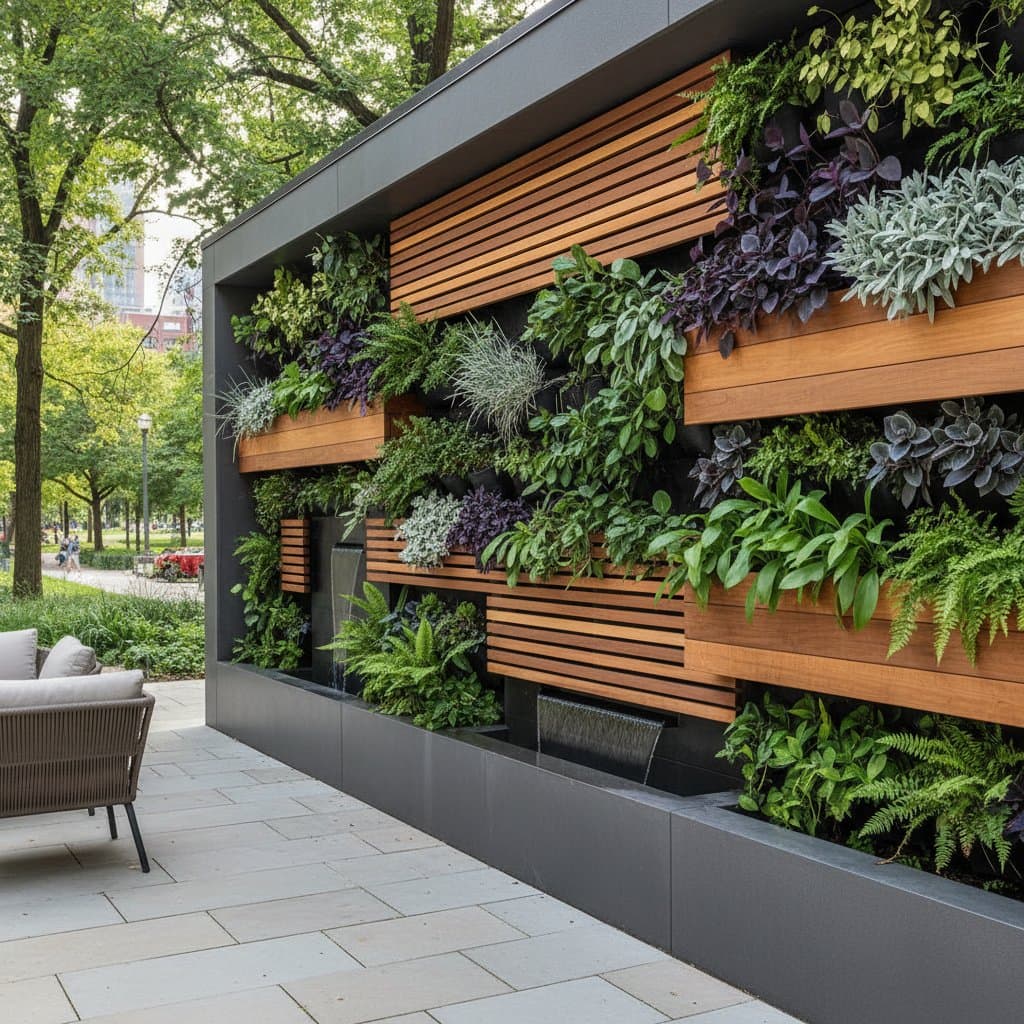
- Timber acoustic panels. Slatted configurations with insulating backings provide warmth and modernity. Select sustainably sourced wood treated for outdoor durability to maintain a natural aesthetic.
- Living walls. A sturdy substrate supports dense foliage, which absorbs mid-range frequencies while regulating temperature. These systems also purify air through plant respiration, adding ecological value.
- Composite innovations. Blends of recycled polymers, wood particles, and acoustic foams offer resilience against weather. Their modular nature facilitates easy installation and a contemporary finish.
Prioritize products with verified noise reduction coefficients (NRC) ratings above 0.7 for outdoor use. Testing ensures long-term performance in variable conditions.
Integrating Design for Aesthetic Harmony
Acoustic features need not appear stark or functional alone. Successful installations blend into the garden's character, enhancing rather than dominating the space. Begin by defining the desired mood, such as a sleek minimalist enclosure or a lush, enclosed nook.
Effective techniques encompass:
- Texture layering. Alternate rigid panels with pliable plants to eliminate echo-prone uniformity. Timber sections paired with ferns or ivy create dynamic visual and sonic depth.
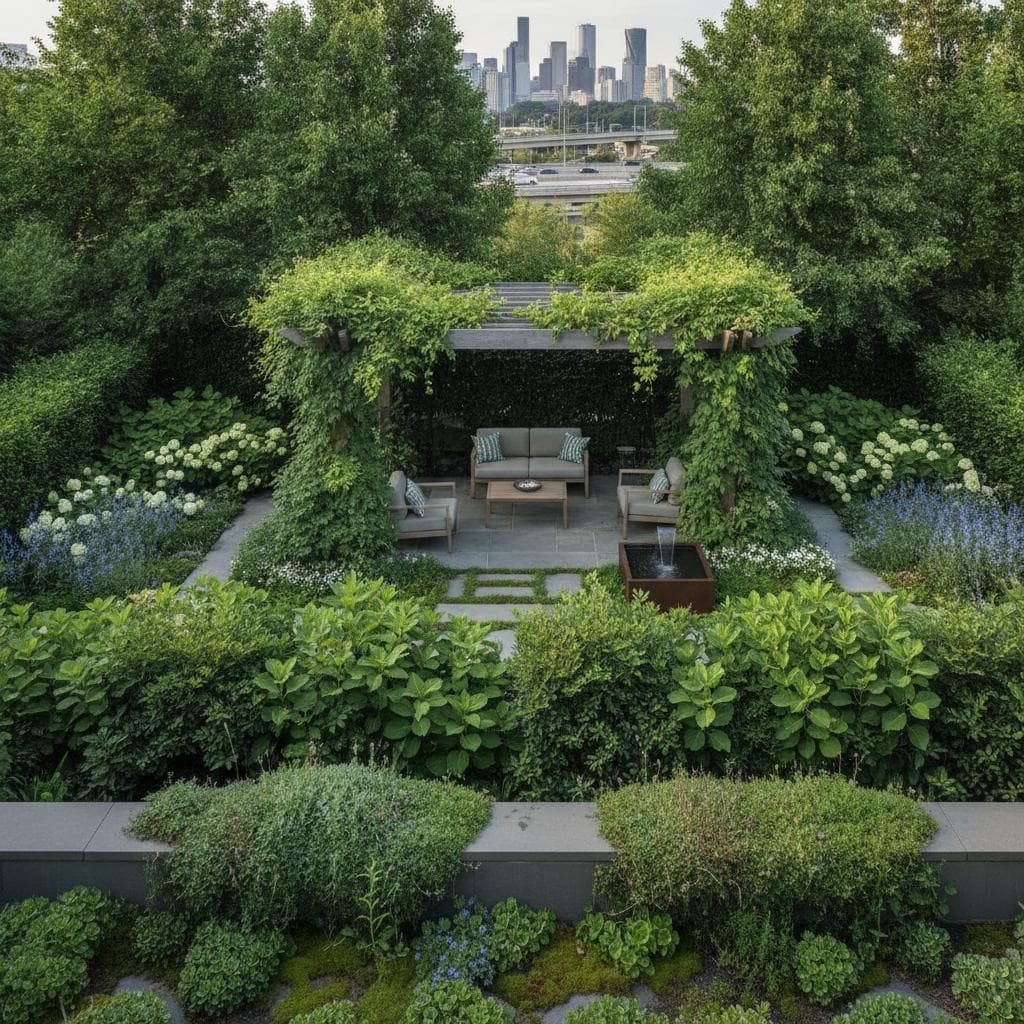
- Vegetation integration. Employ evergreen shrubs, ornamental grasses, or hydroponic systems to bolster absorption. Position plants at varying heights for comprehensive coverage.
- Color and illumination considerations. Earthy tones ground the design, while lighter shades amplify natural light. Align selections with surrounding flora for cohesive appeal.
- Architectural accents. Embed shelves for sculptures, install latticework for climbers, or add subtle lighting to humanize expansive surfaces.
This equilibrium ensures the wall safeguards tranquility while inviting interaction and personalization.
Practical Considerations for Cost and Upkeep
Acoustic walls generally exceed basic fencing in expense, particularly with premium components. View this as an enhancement to well-being, as a quieter garden encourages extended outdoor enjoyment and potentially elevates property value.
For constrained funds, hybrid solutions prove effective. Establish a foundational barrier and supplement with strategic plantings or targeted panels near high-noise zones. Focus efforts on primary disturbance origins to optimize impact.
Upkeep depends on selections. Masonry structures demand occasional cleaning, while wood requires periodic sealing to prevent weathering. Green walls involve irrigation schedules and trimming to sustain vitality, yet they evolve seasonally for ongoing interest. Match choices to available time and resources.
Realizing and Evolving Your Tranquil Garden
Installation yields prompt improvements in auditory comfort. Gardens assume a more restful quality, with dialogues emerging clearer and urban din receding substantially.
Subsequent adjustments, such as refining plant arrangements or repositioning furniture, refine the experience further. Thoughtful planning accommodates growth, adapting to changing preferences.
Whether managing a compact urban terrace or an expansive plot, these walls reshape outdoor engagement. Prioritize serenity by selecting designs that amplify subtle sounds like foliage whispers or gentle precipitation. Such environments foster reflection and renewal through deliberate acoustic and visual choices.