Noise-Reducing Living Walls for Tranquil Gardens in 2026
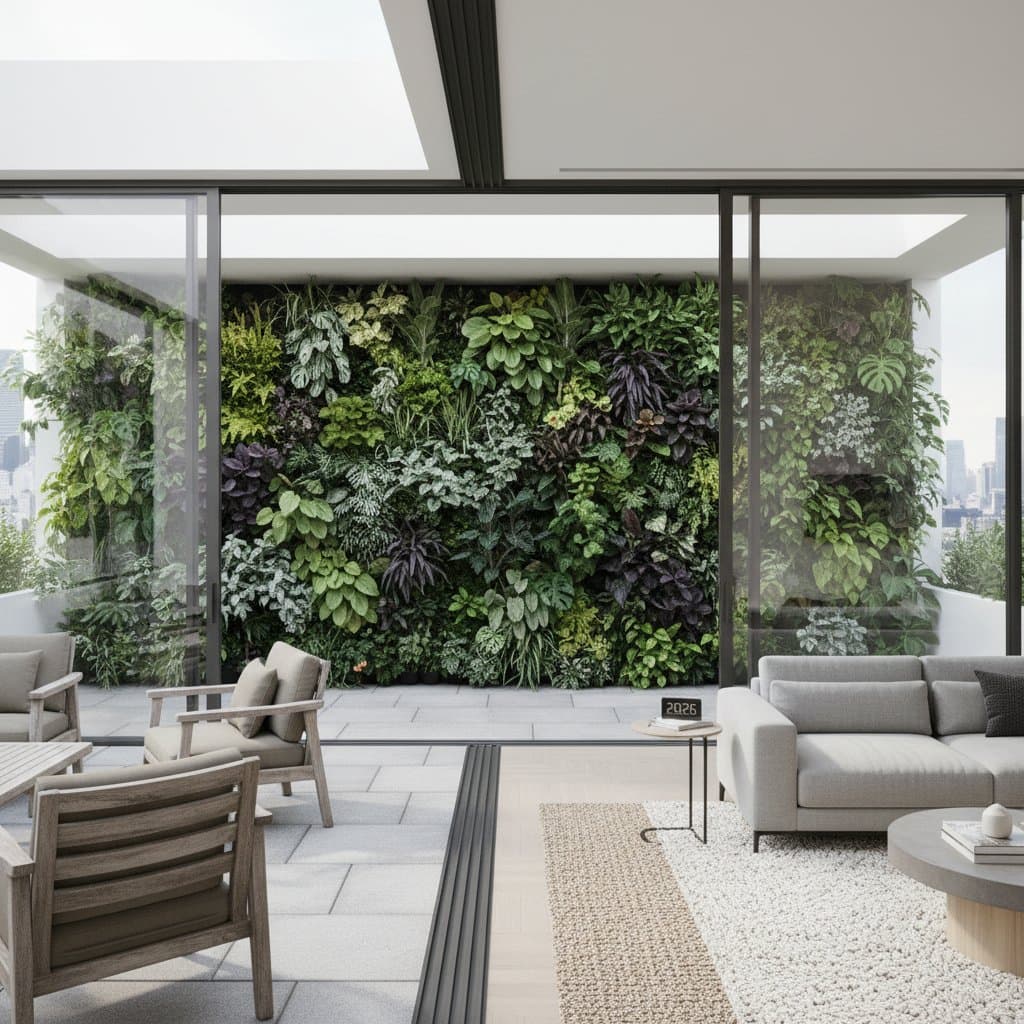
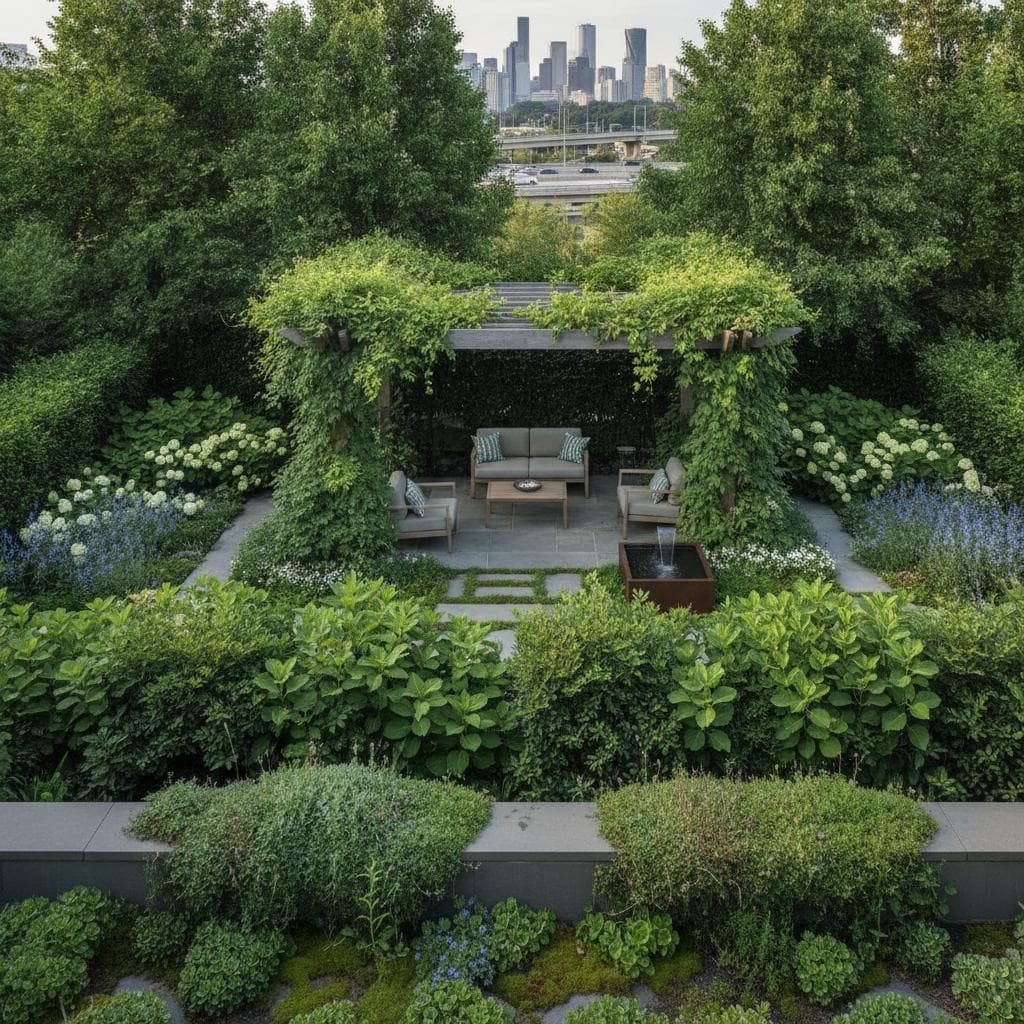
Urban environments and suburban settings often amplify unwanted sounds, making outdoor relaxation challenging. Noise-reducing living walls address this issue by functioning as natural sound barriers. These structures combine aesthetic appeal with proven acoustic properties to create serene garden retreats.
Acoustic Principles Behind Plant-Based Sound Absorption
Sound waves propagate through air and reflect off rigid surfaces, intensifying noise levels. Unlike solid barriers that echo sounds, plants dissipate these waves through their foliage, stems, and substrate. This process resembles the function of acoustic foam, which traps vibrations to minimize reverberation, yet plants offer an organic, visually enhancing alternative.
Key factors contribute to their efficacy:
- Density: Multi-layered plantings with varied heights achieve up to 10-15 decibels of reduction, far surpassing sparse arrangements.
- Leaf Texture: Rough or serrated leaves, such as those on ferns or ivy, scatter sound waves more effectively than smooth varieties.
- Soil and Moisture Content: Saturated soil absorbs low-frequency rumbles, like traffic noise, by converting vibrational energy into heat.
Studies in environmental acoustics confirm that well-designed green walls can lower perceived noise by 50 percent in enclosed spaces, fostering a noticeably calmer atmosphere.
Strategies for Designing Effective Living Walls
Effective noise-reducing walls demand thoughtful integration of form and function. Designers prioritize vertical or horizontal layering to maximize coverage while ensuring visual harmony.
Follow these steps for optimal results:
- Establish a Framework: Install robust trellises or wire mesh supports capable of bearing mature plant weights. Incorporate drip irrigation for vertical installations to sustain hydration across heights.
- Select Complementary Plants: Pair climbers like English ivy or climbing hydrangea with shrubs such as laurel or boxwood. Incorporate ground covers like sedges to seal lower sections.
- Eliminate Openings: Overlap plantings to prevent sound leakage; use espaliered fruit trees or dense perennials to fill voids.
- Balance Evergreen and Deciduous Elements: Evergreens like holly ensure consistent performance, while seasonal bloomers like clematis add dynamic texture.
This approach yields a cohesive barrier that performs acoustically year-round and evolves visually with the seasons.
Enhancing Ambiance Through Acoustic Greenery
Beyond noise mitigation, these walls influence sensory experiences profoundly. The subtle rustle of leaves introduces a restorative soundscape, contrasting with mechanical din. Coupled with verdant visuals, they promote relaxation and stress reduction.
Compact designs suit limited areas, such as patios or rooftops. Professionals observe that such installations often lead to extended time spent outdoors, as the combined auditory and visual cues create an immersive sense of peace.
Cost-Effective Approaches to Acoustic Plant Walls
Professional installations can be expensive, but accessible methods deliver comparable benefits. Focus on scalable, sustainable techniques to fit various budgets.
Consider these options:
- Modular DIY Panels: Construct frames from pressure-treated lumber, line with permeable fabric, and embed root pockets for plants. This setup enhances absorption without complex engineering.
- Upcycled Supports: Repurpose wooden crates or chain-link fencing as bases, securing fast-growing vines like Virginia creeper for rapid coverage.
- Potted Configurations: Stack containers with tall grasses like miscanthus alongside trailing pothos in suspended baskets to simulate a solid wall.
- Locally Adapted Flora: Opt for indigenous species, such as native willows or asters, to minimize watering needs and support regional ecosystems.
Prioritizing dense, diverse assemblages ensures performance rivaling high-end systems at a fraction of the cost.
Maintenance Essentials for Sustained Performance
To preserve acoustic and aesthetic integrity, routine care prevents decline in density or health. Neglected walls lose effectiveness as gaps form and foliage thins.
Implement these practices:
- Monitor Water Delivery: Test automated systems biweekly, adjusting emitters to reach deeper roots in taller structures.
- Schedule Pruning Sessions: Trim monthly during growth periods to maintain fullness and redirect energy toward new shoots.
- Apply Natural Nutrients: Incorporate slow-release organic fertilizers quarterly to promote vigorous, sound-trapping growth.
- Conduct Health Checks: Scan for aphids or fungal issues every two weeks, treating with neem oil to avoid chemical residues.
Consistent attention transforms the wall into a reliable feature, amplifying its long-term value.
Long-Term Benefits and Expansions
Established walls yield multifaceted advantages, including improved air quality from phytoremediation and moderated microclimates through shading. Wildlife integration, such as nesting birds, adds beneficial ambient sounds that mask residual noise.
As the installation matures, enhancements like solar-powered LED accents can illuminate foliage at dusk, extending usability. Experiment with aromatic herbs like lavender to infuse calming scents, further enriching the sensory profile.
Steps to Implement Your Acoustic Garden Wall
Begin by evaluating your site's noise sources and sunlight exposure. Consult local nurseries for climate-appropriate plants, then prototype a small section to test growth patterns. Scale up gradually, monitoring acoustic improvements with simple sound meters.
These living walls represent an innovative fusion of ecology and engineering. They not only dampen discord but also cultivate harmony, turning everyday gardens into vital refuges for well-being.