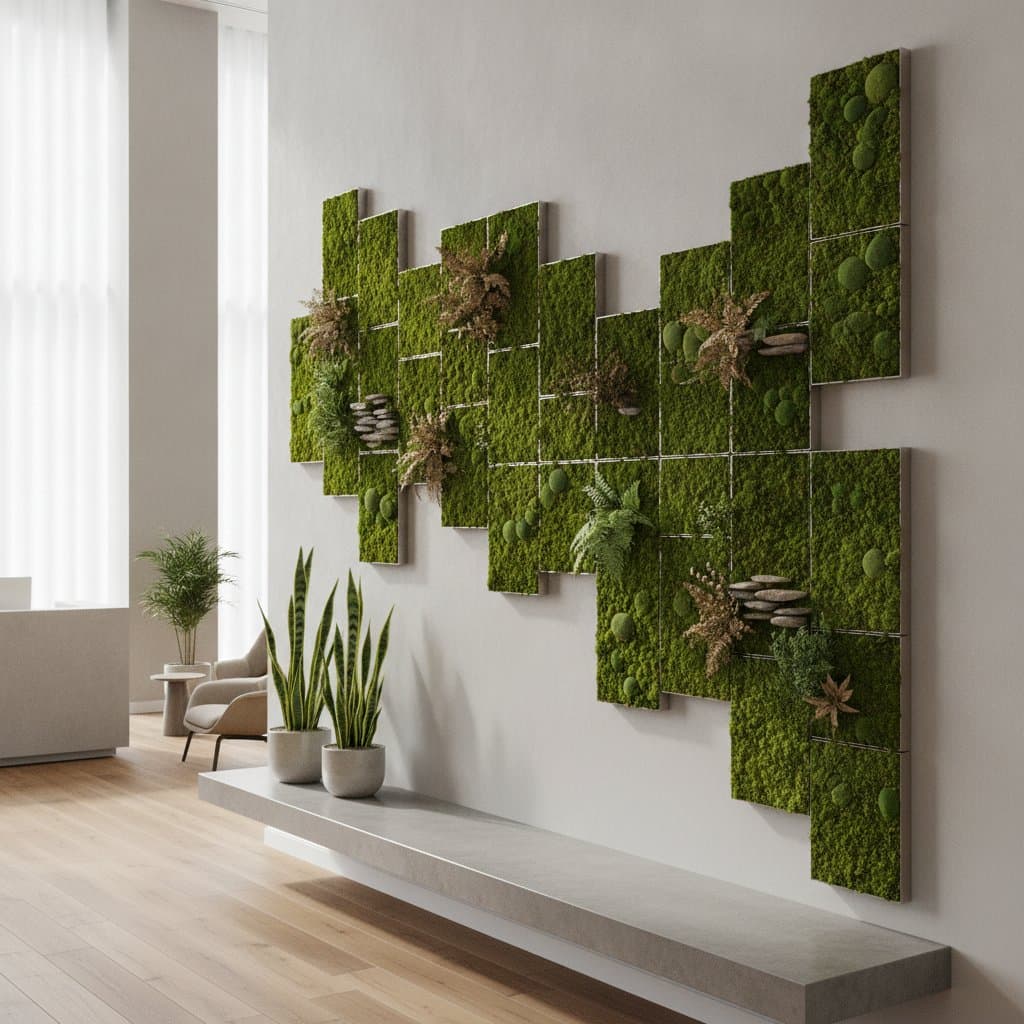
Moss Walls and Living Fences: The Premier Garden Trend of 2026
Key Points
- Moss walls and living fences redefine outdoor spaces by combining sustainability with contemporary aesthetics.
- These green installations mitigate noise, enhance air quality, and establish natural privacy screens.
- Low-maintenance plant systems suit busy homeowners and urban residents alike.
- The trend arises from increasing interest in eco-friendly design and biophilic environments.
- Proper care and planning allow moss walls and living fences to flourish in varied climates and locations.
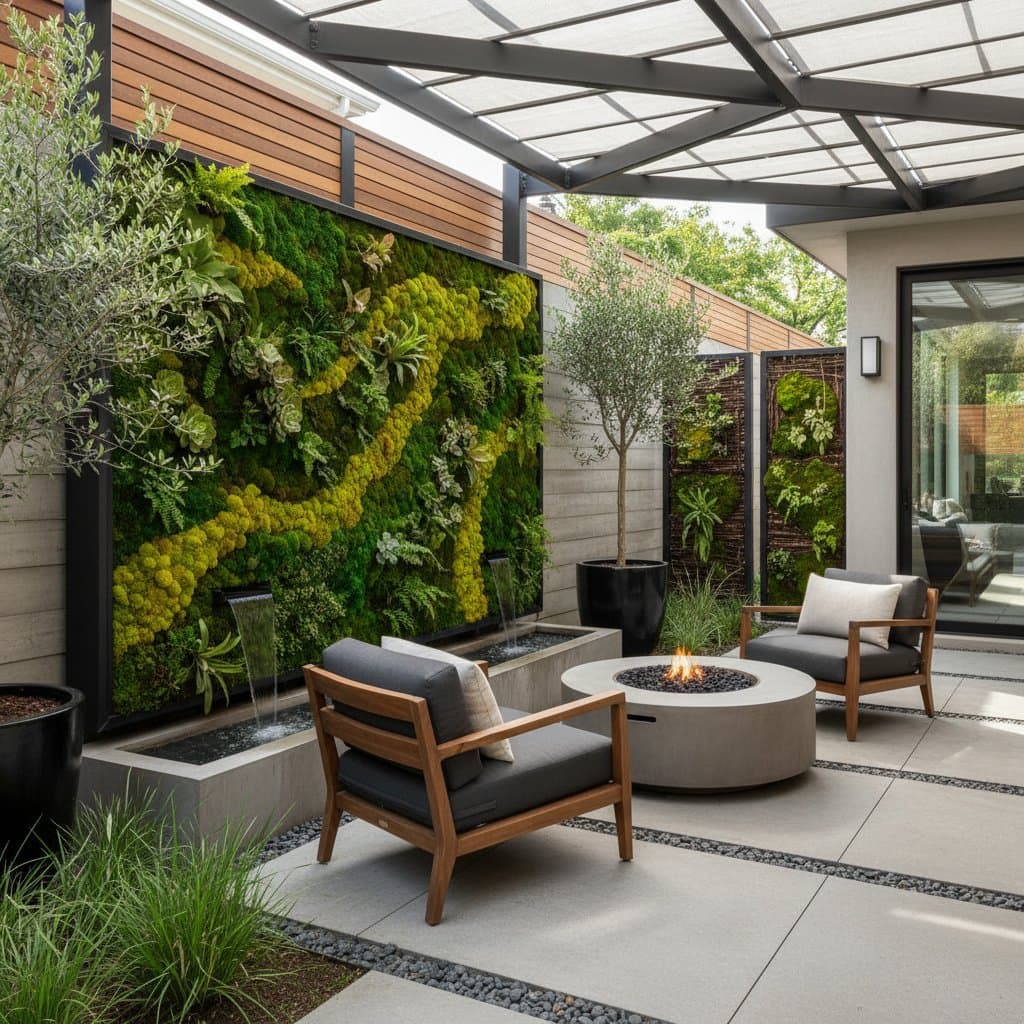
Envision entering a backyard where the air carries a refreshing coolness, traffic sounds diminish to a whisper, and the walls pulse with vitality. Rather than stone or timber, a verdant mosaic covers the surfaces, with delicate ferns emerging from plush moss and an earthy aroma released by a gentle touch. This scene represents the forefront of sustainable garden design, captivating design professionals and social media audiences worldwide.
The Emergence of Living Walls
Broader Cultural and Environmental Influences
The growing fascination with moss walls and living fences extends beyond mere appearance. Heightened environmental consciousness reshapes homeowner perspectives on landscape design. Outdoor areas transcend ornamental roles to embody sustainability, with designers viewing every square meter as an opportunity for carbon sequestration, noise reduction, and pollinator support.
This phenomenon aligns with the rise of biophilic design, which fosters deeper human-nature connections. Following eras of stark minimalism and urban concrete dominance, individuals seek softness, texture, and vitality in their surroundings. Moss delivers these elements in a compact, undemanding package.
Social media accelerates this momentum. Design influencers and experts post footage of vibrant installations, evoking serene, organic vibes that resonate with audiences. In a screen-saturated world, a growing wall transcends decoration to symbolize equilibrium.
Scientific Foundations of Green Installations
Scientifically, moss qualifies as a botanical wonder. Lacking roots, it adheres to diverse surfaces like concrete, wood, or recycled composites. It draws nutrients from air and water, enabling growth in challenging environments where conventional plants falter.
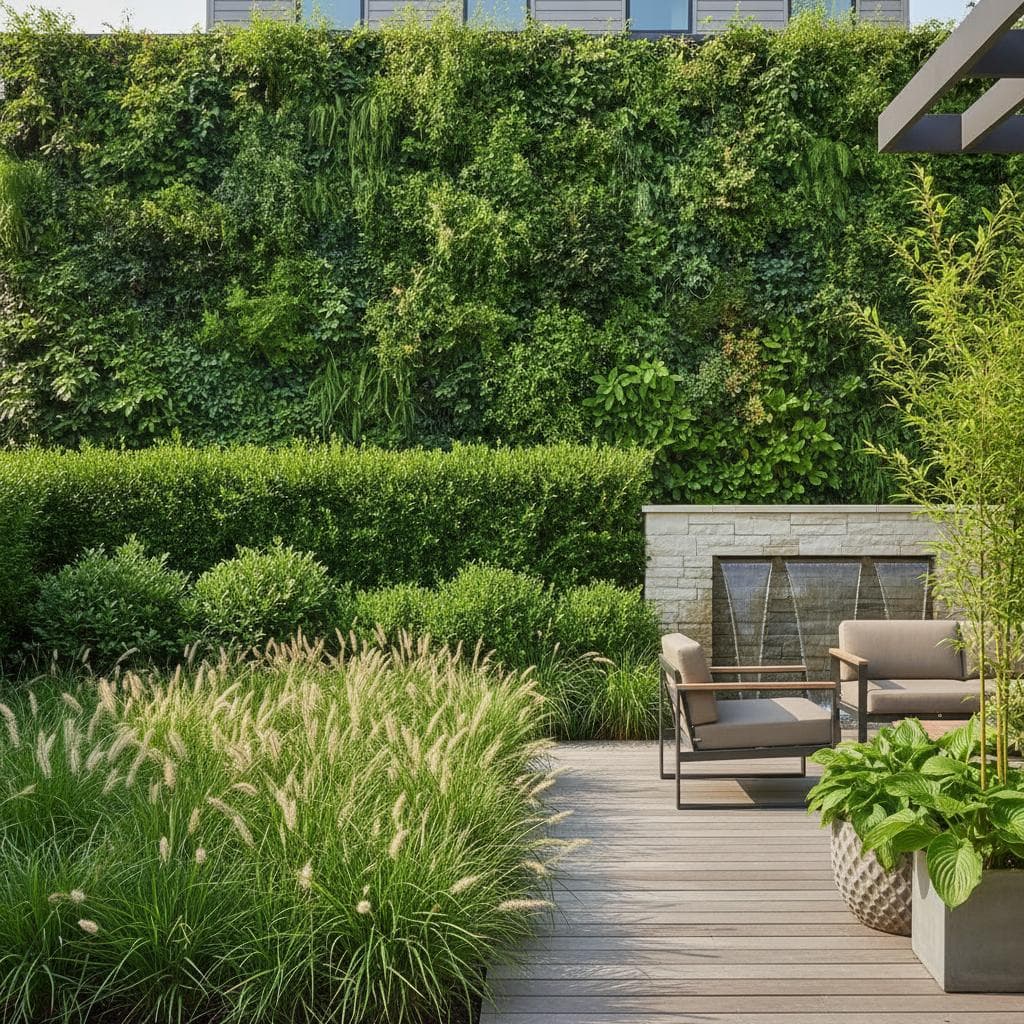
Living fences provide comparable ecological gains. They filter pollutants from the air, lower noise volumes, and refresh ambient air via evaporation. Research indicates that thick green barriers can decrease urban noise by multiple decibels, yielding a noticeably soothing effect in dense areas.
This blend of aesthetics and performance ensures the trend's endurance. Far from a fleeting style, it addresses pressing ecological issues with practical elegance.
Insights from Design and Maintenance Experts
Landscape architect Elena Vargas portrays moss walls as dynamic sculptures that evolve gradually. She stresses that apparent simplicity relies on thoughtful assembly. A robust irrigation and mounting framework maintains even hydration without excess moisture buildup.
Homeowners find upkeep straightforward. Preserved moss walls, processed to retain hue and form, eliminate watering needs entirely. Live versions benefit from periodic misting and diffused light, with brief monthly checks preserving ecological harmony.
Living fences require initial vigilance during establishment. Garden designer Raj Patel advises routine pruning of young growth to promote fullness. Once mature, the structure sustains itself with ease.
Tailoring Designs to Varied Spaces
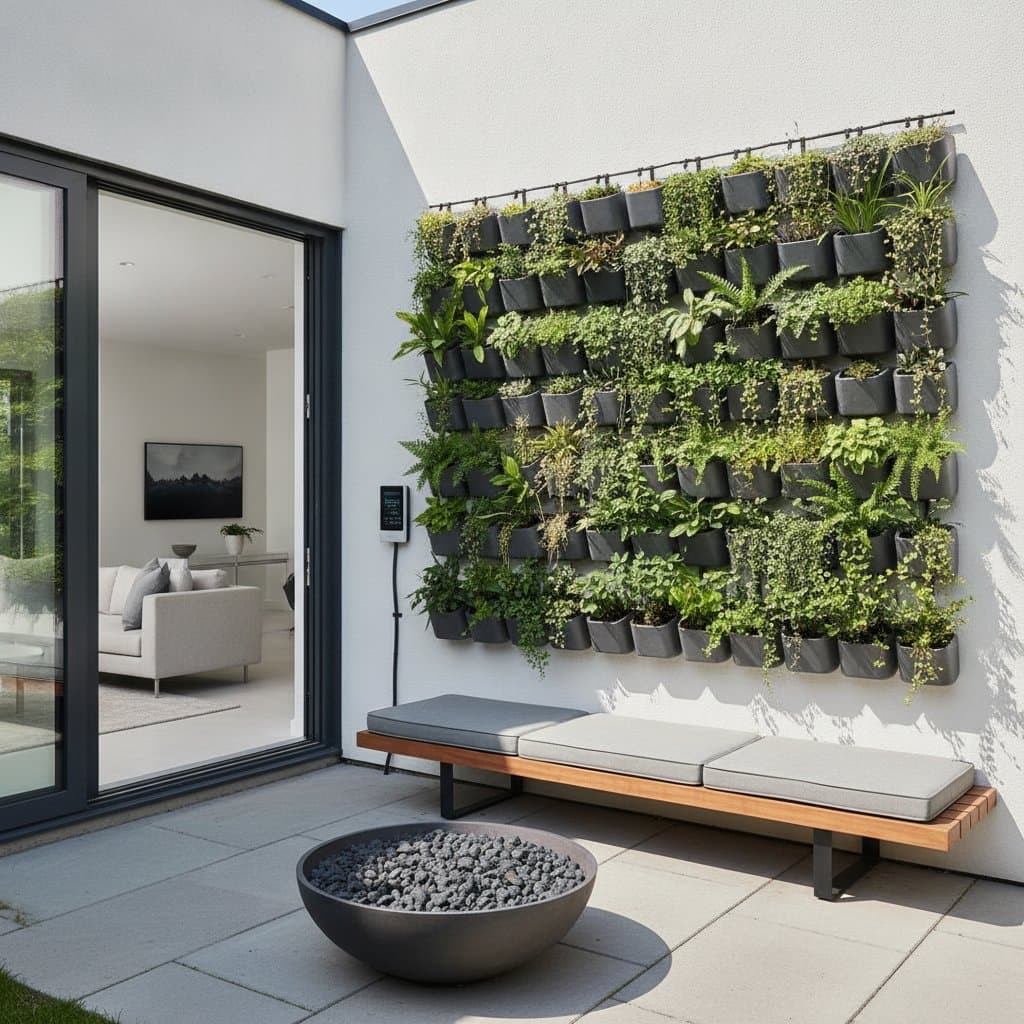
Versatility defines the strength of these living features. On compact balconies, a moss panel introduces depth without encroaching on floor area. In expansive yards, living fences delineate zones organically, forming dedicated spots for meals, relaxation, or reflection.
Residents in arid zones can opt for resilient options like reindeer moss or preserved panels, achieving the aesthetic with reduced water demands. In moist climates, indigenous moss varieties establish quickly and demand little intervention thereafter.
Integrating moss walls with complementary materials heightens impact. Pair them with gravel paths, timber platforms, or metallic elements for harmonious contrast. Strategic illumination, such as low-angle fixtures, casts a luminous sheen at night, elevating the wall as a centerpiece.
Ties to Celebrity Culture and Media
Celebrity endorsements and media exposure propel this trend into public consciousness. Prominent figures incorporate moss walls into creative studios, wellness nooks, and leisure areas around pools. Their photogenic quality fuels online virality.
Design programs on television showcase green walls as pinnacles of eco-luxury. The narrative emphasizes that environmental care enhances rather than compromises elegance. Spectators appreciate the calming textures and air-purifying properties alongside visual splendor.
Beyond residences, moss walls grace fitness centers and innovative offices. Psychological research confirms that natural greenery exposure alleviates stress and sharpens concentration, positioning these elements as astute choices for professional settings.
Evaluating Costs and Sustainability
Initial expenses for living walls or fences surpass those of basic materials, yet enduring advantages justify the outlay. Moss panels insulate surfaces to cut energy use and stabilize indoor climates. Living fences bypass synthetic coatings, as the foliage serves as the inherent finish.
Eco-focused owners value contributions to local biodiversity, drawing pollinators and avian life. In cities short on greenery, they create vital micro-ecosystems.
Modular kits from vendors simplify setup and updates. This modularity supports trial without permanence, appealing to tenants and city inhabitants alike.
Extending the Trend to Interior Spaces
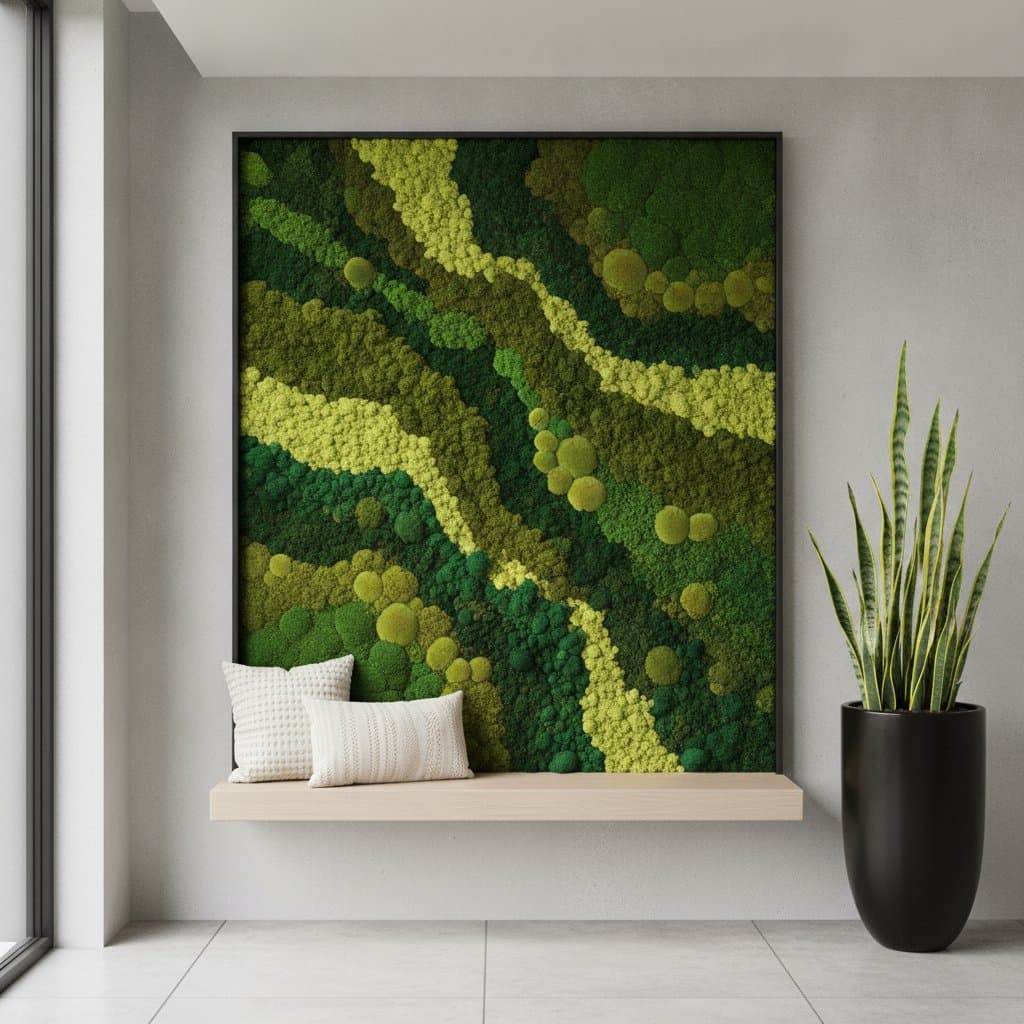
Moss walls extend seamlessly beyond exteriors into interiors. They suit foyers, restrooms, and workspaces, absorbing acoustics for ideal use in studios or study areas. Designers frame them as artwork or embed within cabinetry for artistic integration.
Humid interiors naturally sustain live moss through ambient moisture. In drier settings, preserved variants deliver identical allure sans upkeep. This flexibility unites landscape and interior practices effectively.
Steps to Implement Your Own Installation
To embark on this trend, begin modestly with a single moss panel on a balcony or feature wall. Observe the atmospheric shift, then expand confidently. Select regional plants to support local ecology, and engage a landscaping specialist for irrigation and structural guidance.
As moss walls and living fences gain traction, they embody more than stylistic choice. They fulfill the innate desire for nature's embrace amid urban density, fostering spaces that nurture both body and spirit.