Key Points
- Enzyme cleaners have gained popularity for swiftly removing grout stains without the need for abrasive scrubbing.
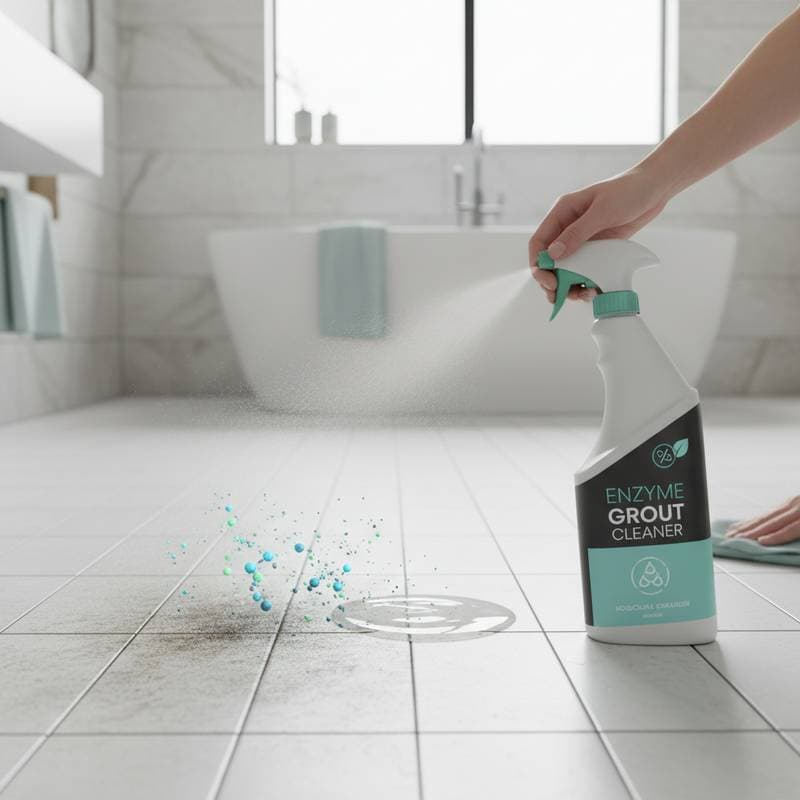
- These cleaners employ biological catalysts that decompose organic matter, such as soap scum, mildew, and body oils, at the molecular level.
- Effective results require thorough surface preparation and adequate dwell time.
- Homeowners can attain professional-grade outcomes by adhering to structured application techniques and safety protocols.
- Grout stains vary in composition, so comprehending the underlying chemistry aids in selecting the appropriate cleaning method.
Technical Background: How Enzyme Cleaners Target Grout Stains
Grout becomes discolored as its porous cement-based structure absorbs organic residues and minerals from water, soaps, and everyday contaminants. These accumulations eventually create a biofilm that captures dirt and fosters bacterial proliferation. Conventional cleaners depend on acids, alkalis, or abrasives to penetrate this layer, yet they frequently erode the grout or deposit lingering chemicals.
- Protease degrades proteins from body oils and food particles.
- Amylase processes starch elements from soaps or detergents.
- Lipase dismantles fats and oils responsible for discoloration and odors.
- Cellulase dislodges plant-derived stains from natural debris or cleaning fabrics.
Rather than mechanically abrading surfaces, these enzymes chemically dismantle the bonds holding grime to grout. The process persists in the presence of moisture and organic material, explaining the overnight transformations observed in popular cleaning demonstrations.
Assessment: Evaluating Grout Condition Prior to Treatment
Prior to selecting an enzyme cleaner, conduct a detailed inspection of the grout. Biological cleaning efficacy hinges on stain type and grout durability.
- Identify stain origins. Yellow or brown hues typically stem from body oils or soap buildup, ideal for enzyme action. Black or dark green areas often signal mildew or mold, potentially needing supplementary antimicrobial measures.
- Assess porosity. Excessively porous or damaged grout may soak up cleaner unevenly, resulting in partial coverage. Consider resealing or spot repairs beforehand.
- Examine coatings. Existing wax or silicone sealants can hinder enzyme penetration. Test with a water droplet; beading indicates the need to strip the sealant first.
- Note grout color. Enzymes suit both light and dark varieties, but apply a test in a hidden spot to confirm no unintended color shifts.
This evaluation avoids inefficiency and aligns the cleaning approach with the specific contaminants.
Planning Phase: Essential Tools, Materials, and Safety Measures
Viral videos simplify enzyme cleaning, but meticulous preparation ensures superior results. Assemble all items in advance.
Materials and Tools
- Enzyme cleaner designed for grout and tile surfaces
- Soft nylon or medium-bristle grout brush
- Spray bottle or applicator for precise dispensing
- Microfiber cloths for wiping
- Warm water supply
- Plastic sheeting or towels to shield floors
- Mixing container for concentrates, if required
- Sealant stripper for coated surfaces
Safety and Environmental Considerations
Enzyme cleaners prove non-toxic and biodegradable, yet prudent practices enhance safety:
- Don rubber gloves to prevent irritation.
- Provide ventilation, particularly in bathrooms.
- Refrain from combining with chlorine, ammonia, or acids, as these neutralize enzymes.
- Follow product guidelines on dwell periods and dilutions.
Schedule cleaning when the space can stay untouched for hours. Overnight application maximizes enzyme efficacy in a moist setting.
Implementation: Step-by-Step Guide to Enzyme Grout Cleaning
This method draws on established practices for reliable, repeatable success.
Step 1: Surface Preparation
- Clear loose debris. Vacuum or sweep tiles to remove particles that could disrupt cleaner spread.
- Pre-treat with neutral cleaner. Apply a mild, pH-balanced solution to lift surface oils, then rinse well and let grout reach a damp state.
- Safeguard surroundings. Mask off trim, walls, and fixtures sensitive to moisture.
Step 2: Application
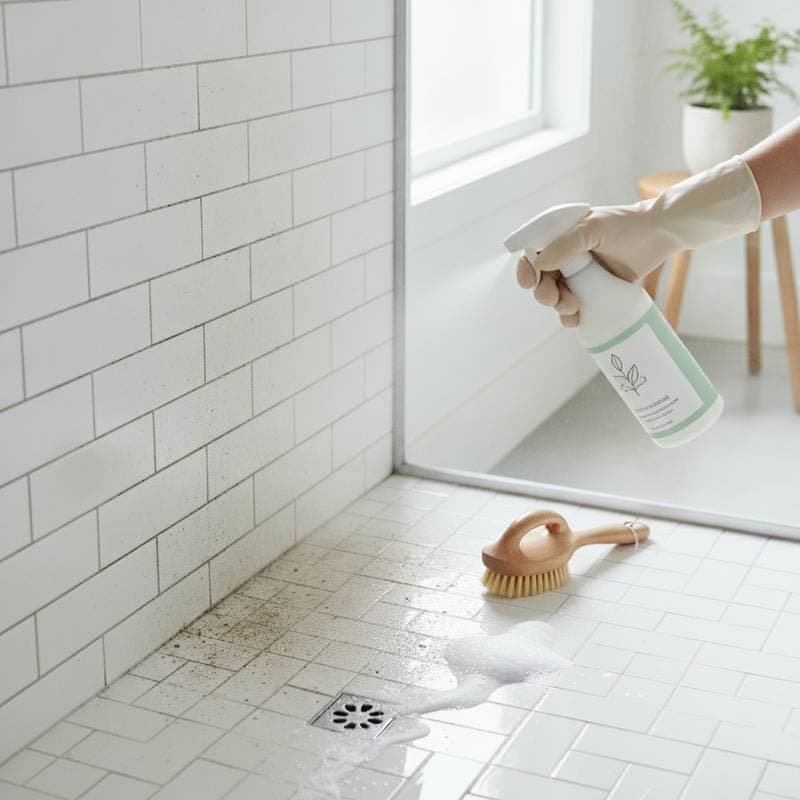
- Saturate grout lines. Dispense cleaner via spray or applicator to achieve full penetration without overflow.
- Permit dwell time. Allow hours or overnight for enzymes to sever molecular links.
- Sustain wetness. Drape plastic or damp cloths over areas to keep enzymes active.
Step 3: Agitation and Rinsing
- Lightly brush. Employ a nylon tool post-dwell to dislodge remnants, steering clear of harsh abrasives.
- Flush with warm water. Mop residues using microfiber; repeat for tough spots.
- Dry thoroughly. Towel off or air-dry to avert re-soiling.
Step 4: Post-Treatment Sealing
After cleaning and drying, coat grout with a penetrating sealer. This barrier repels moisture and cuts down on future cleanings. Opt for water-based formulas that complement enzyme residues.
Quality Assurance: Confirming Effective Cleaning
Standards in cleaning demand verifiable results. Employ these criteria to validate outcomes:
- Visual review. Check for even tone in joints; inconsistencies point to application flaws.
- Texture evaluation. Grout should feel smooth, free of residue or powder.
- Odor assessment. Neutralized organics eliminate smells; lingering scents require additional steps.
- Dryness verification. Full drying precedes sealing to block subsurface issues.
For lingering spots, reapply diluted cleaner and extend dwell time. Resist harsh alternatives, which may disrupt ongoing enzyme work.
Maintenance: Sustaining Grout Cleanliness
Restored grout demands routine care to preserve its state. Integrate these habits:
- Daily drying. Towel grout after use to limit moisture.
- Weekly sprays. Use diluted enzyme mist to curb accumulation.
- Periodic sealing. Refresh protection quarterly.
- Ventilation focus. Promote air circulation to lower humidity.
- Joint checks. Repair caulk cracks swiftly to halt water entry.
Such routines prolong the benefits of initial treatment.
Troubleshooting Common Challenges
Issues may occur despite preparation. Address them systematically:
- Inconsistent cleaning. Extend dwell or boost saturation on reapplication.
- Residue film. Flush with distilled water to clear minerals or old chemicals.
- Lingering mildew. Follow enzymes with a gentle antimicrobial.
- Color loss. Restore with grout tint if prior agents caused fading.
Targeted fixes maintain efficiency and conserve resources.
DIY Versus Professional Services: Selecting the Best Option
Enzyme cleaners empower DIY efforts for typical stains. Professionals excel in scenarios like:
- Embedded mold penetrating tiles
- Fractured grout needing replacement
- High-use spaces demanding quick turnaround
Experts deploy tools for faster drying and thorough extraction. Homeowners bridge visits with enzyme upkeep.
Pro Tips for Optimal Results
- Embrace dwell periods. Time enhances enzyme breakdown over force.
- Favor repeated light coats. They outperform single heavy doses.
- Control temperature. Warmth accelerates activity; cold hampers it.
- Isolate from disruptors. Acids or bleaches halt enzymes abruptly.
- Store correctly. Cool, dark spots retain product strength.
Extending Tile Longevity Through Smart Cleaning
Spotless grout boosts aesthetics, prolongs flooring durability, and supports healthier living spaces. Embracing enzyme methods fosters eco-conscious habits grounded in biological efficiency.