How Sonic Cleaning Devices Surpass Traditional Mops
Many households still rely on buckets of soapy water and mops that redistribute grime rather than eliminate it. This method proves tedious, labor-intensive, and often ineffective at removing embedded contaminants. Sonic cleaning technology addresses these shortcomings by harnessing vibrations to achieve superior results with minimal effort.
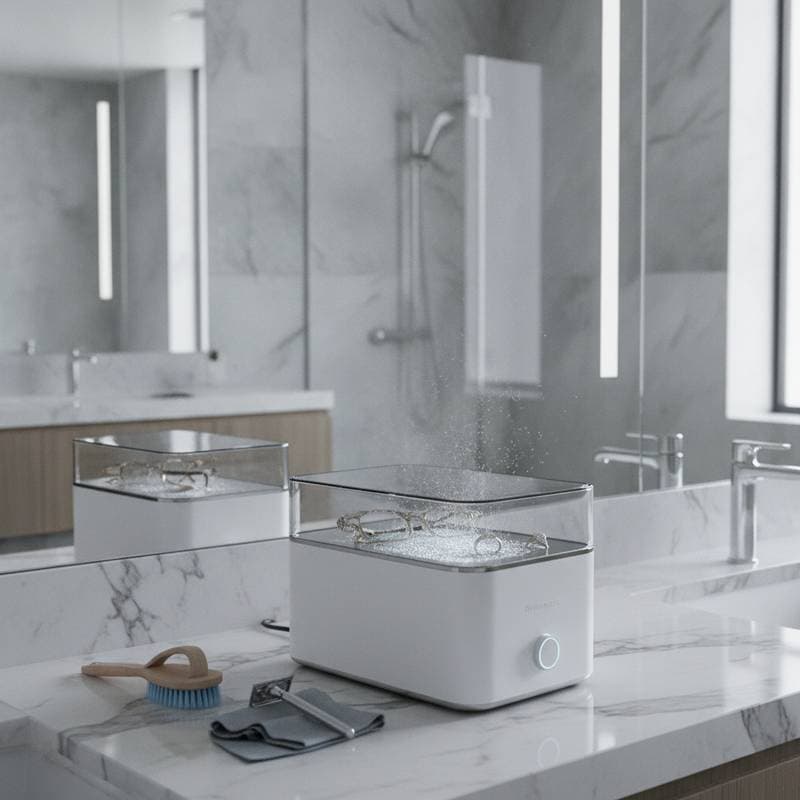
Originally developed for precision applications like jewelry care and laboratory equipment, sonic devices now transform domestic cleaning. They offer a fundamental advancement in maintaining cleanliness, combining efficiency with enhanced hygiene standards.
Understanding the Mechanism of Sonic Cleaning
Conventional mops depend on mechanical abrasion and chemical agents to dislodge soil. Sonic cleaners generate high-frequency sound waves, typically between 20 and 40 kilohertz, which produce cavitation bubbles in the cleaning solution. These bubbles implode, releasing energy that lifts particles, oils, and microbes from surfaces without physical contact.
Limitations of Conventional Mopping Techniques
Mops have served homes for decades, yet they harbor inherent drawbacks. They necessitate repeated rinsing to avoid contaminating clean areas, and uncleaned mop heads can harbor pathogens. Even advanced microfiber variants demand significant manual force and frequent replacement.
Sonic systems eliminate these issues by employing vibrational energy and plain water. Cleaning sessions require less time, and surfaces emerge free of streaks or lingering moisture. This approach proves particularly beneficial for families with pets, children, or individuals prone to sensitivities from chemical residues.
Practical Advantages in Daily Use
Adopting sonic cleaning yields tangible improvements in household routines. Consider the following key benefits:
-
Effortless Surface Preparation
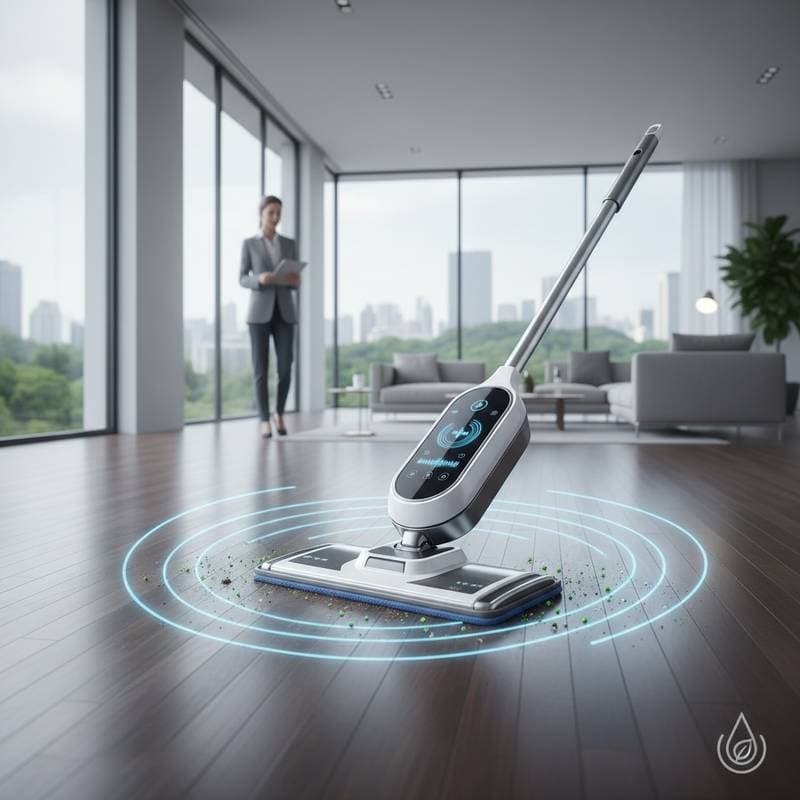
Devices equipped with sonic technology move smoothly over floors, with vibrations dislodging stubborn debris without vigorous pushing or frequent wringing.
-
Minimized Reliance on Chemicals
The vibrational action reduces the need for detergents, promoting a safer environment for allergy sufferers and young children.
-
Accelerated Drying Periods
Employing scant amounts of water, these systems allow floors to dry within minutes, enabling immediate foot traffic.
-
Preservation of Flooring Materials
Reduced moisture exposure prevents damage to sensitive surfaces like hardwood or laminate, extending their durability.
-
Enhanced Microbial Control
The cavitation process disrupts bacterial colonies and allergens at a cellular level, outperforming surface-level scrubbing.
Integration with Contemporary Home Systems
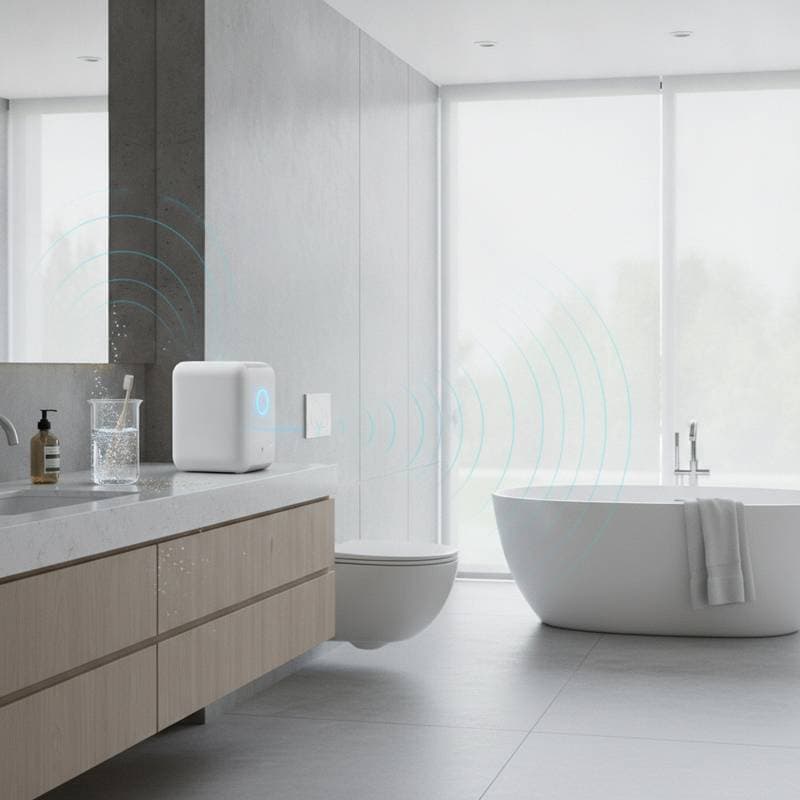
Sonic cleaners align seamlessly with smart home ecosystems. Select models interface with mobile applications to customize vibration intensities, track usage patterns, and alert for maintenance needs. This connectivity streamlines upkeep and provides data-driven insights into cleaning efficacy.
Practical design enhances usability further. Lightweight and battery-operated, these units store compactly and feature intuitive controls. Docking stations often include automated rinsing functions, reducing storage demands and simplifying post-use care.
Sustainability Benefits of Sonic Technology
Traditional mopping consumes substantial water volumes and generates waste from disposable pads. Sonic methods utilize up to 90 percent less water and forego chemical additives, thereby lowering environmental impact. Reusable components further diminish landfill contributions.
This efficiency supports sustainable living without compromising cleanliness. Households achieve sparkling results while conserving resources, aligning convenience with ecological responsibility.
Evaluating Investment Value
Initial costs for sonic systems exceed those of basic mops, yet long-term savings justify the expense. Ongoing expenditures on mop replacements, solutions, and utilities decrease significantly. Durability ensures prolonged service, often spanning years with routine care.
Time savings represent an intangible yet profound return. Automated processes free hours for other pursuits, enhancing overall quality of life. Users frequently report that the superior outcomes make reversion to manual methods untenable.
Selecting an Optimal Sonic Cleaning Device
When evaluating options, prioritize features that match your needs:
-
Vibration Frequency: Opt for units operating at 25 kilohertz or higher for effective everyday cleaning.
-
Reservoir Capacity: Balance tank size against portability; larger capacities suit expansive areas, while compact designs fit smaller spaces.
-
Material Versatility: Verify compatibility with your flooring, such as sealed wood or ceramic, to avoid abrasion.
-
Operational Noise: Choose low-decibel models if quiet performance matters in shared living areas.
-
Ease of Maintenance: Favor designs with detachable components and automated self-cleaning cycles.
Assess your primary cleaning challenges, such as high-traffic zones or pet hair accumulation, to guide your choice. Testing in targeted areas can confirm suitability before broader adoption.
Establishing a Sonic Cleaning Routine
Incorporating sonic technology simplifies maintenance into brief, effective sessions. Schedule cycles for post-meal tidying or pre-event preparation, leveraging the device's speed. This approach mirrors the transition from manual dishwashing to automated appliances in terms of liberated time.
Surfaces retain freshness longer due to residue-free results. Homes exhibit reduced dust buildup and odors, fostering a more inviting atmosphere. Consistent use amplifies these effects, yielding sustained hygiene benefits.
Advancing Toward Efficient Home Care
Sonic cleaning embodies progress in domestic hygiene practices. It delivers unmatched cleanliness, operational simplicity, and resource efficiency. Begin with a targeted application in high-use areas to experience the transformation firsthand.
This innovation safeguards home investments while promoting healthier living. By enhancing routines without added complexity, sonic devices elevate everyday functionality to new standards.