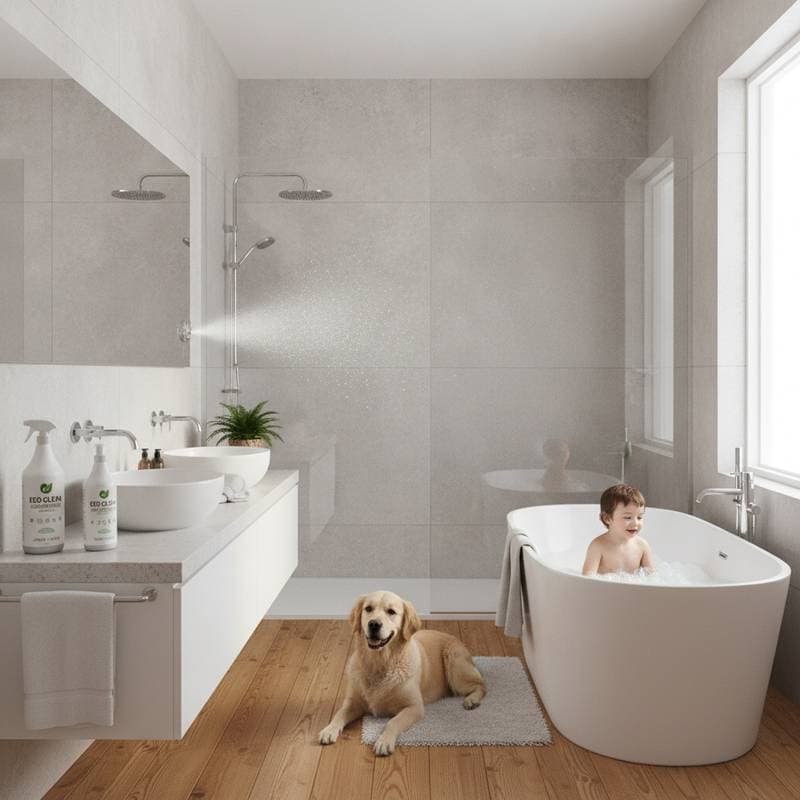
How Steam Cleaning Eliminates Chemical Buildup for a Fresher Home
Homes deserve to feel fresh, secure, and inviting. Traditional cleaning methods often deposit invisible chemical residues on surfaces and into the air. Products marketed as eco-friendly may still contain synthetic compounds that persist long after application. Steam cleaning addresses this issue by employing only heated water vapor to sanitize and purify, resulting in spaces that feel unburdened and free from artificial elements.
Understanding Chemical Residue in Everyday Cleaning
Chemical buildup accumulates gradually from repeated use of detergents and sprays. A lingering scent on a kitchen surface after wiping signals residue that embeds into materials over time. These layers affect floors, upholstery, and even air circulation, potentially irritating sensitive individuals.
The Science Behind Steam Cleaning
Steam cleaning relies on basic thermodynamics. Water heats to produce vapor at temperatures around 200 degrees Fahrenheit, which penetrates and loosens contaminants. This heat disrupts molecular bonds in oils and destroys up to 99 percent of common bacteria and viruses on contact.
The process remains gentle on most materials when applied properly, avoiding the abrasiveness of chemical solvents. Home cleaning expert and professional organizer Mariah Lewis states, "Steam cleaning is like giving your home a detox. It lifts away what soap and sprays leave behind." Without surfactants or additives, it minimizes health risks for families and pets alike.
Users benefit from reduced storage of cleaning supplies, cutting down on household clutter and environmental impact.
Key Areas Where Steam Cleaning Excels
Steam cleaning proves most effective in targeted zones, where its penetrating heat tackles embedded grime. Select the right tool and technique for each surface to maximize results while preventing damage.
1. Floors and Grout
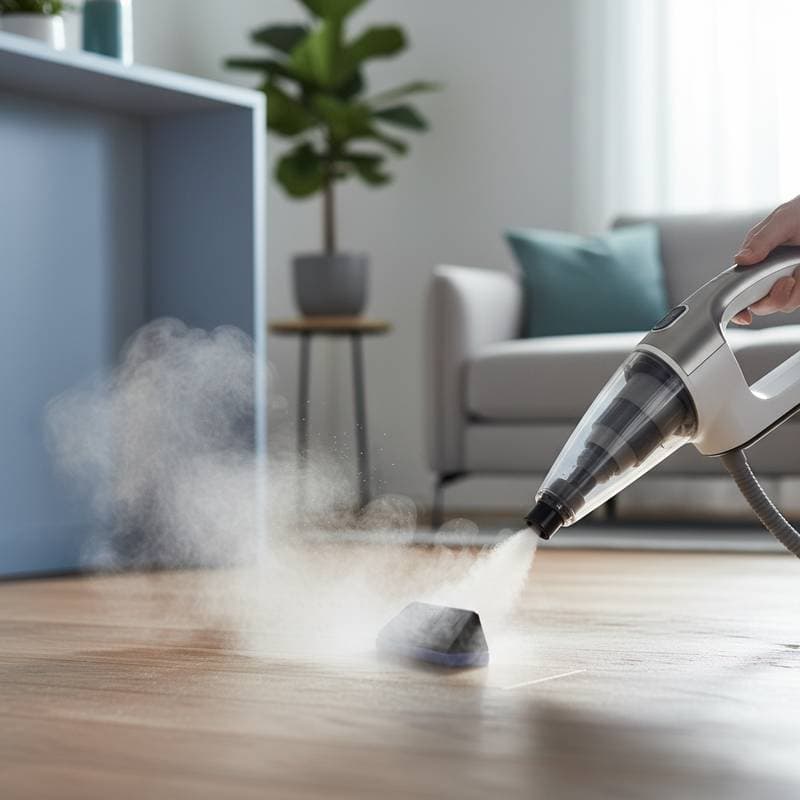
Tile and grout accumulate dirt beyond the reach of standard mops. Steam mops apply consistent heat to loosen particles, requiring minimal effort. This method sanitizes high-traffic areas like kitchens and entrances effectively.
Consult manufacturer guidelines for sealed hardwood floors to ensure compatibility. Pair with a microfiber pad to absorb excess moisture and protect finishes.
2. Kitchen Surfaces
Grease clings to range hoods, oven doors, and backsplashes, resisting ordinary wipes. Steam vapor breaks down these fats swiftly, restoring shine without residue. Apply it to cutting boards and sink drains for natural sanitization, bypassing bleach entirely.
For stainless steel, follow steam application with a dry cloth to achieve a streak-free polish. This routine maintains hygiene in food preparation zones.
3. Bathroom Fixtures
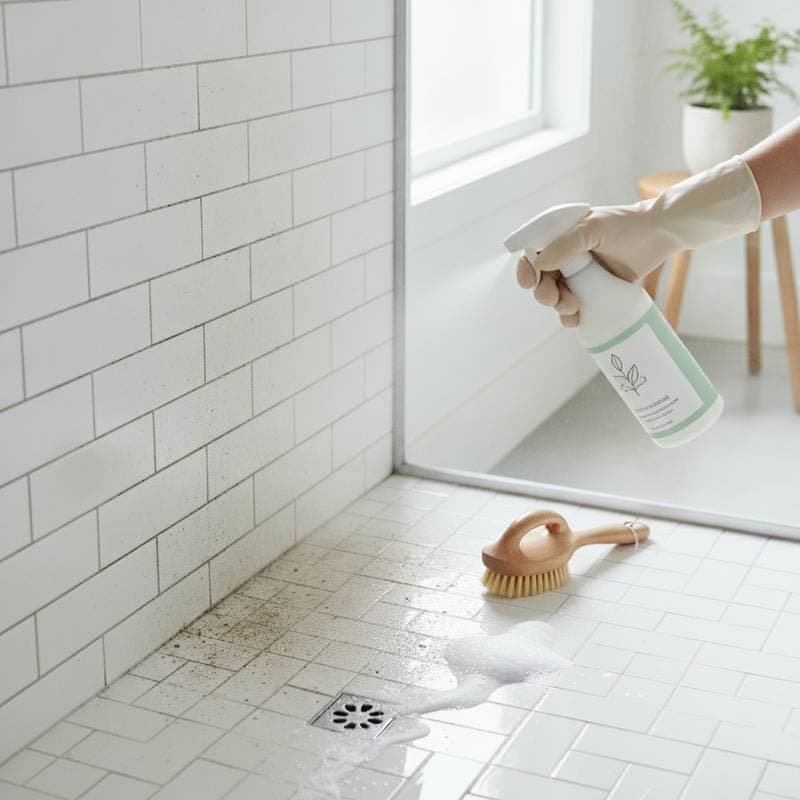
Soap scum and mildew thrive in moist environments, embedding into crevices. Steam pressure dislodges these from faucets, shower doors, and tile seams where sprays fall short. The heat evaporates moisture quickly, reducing mold risk.
Designer Lena Ortiz of Pure Form Studios observes, "Steam cleaning a bathroom is like pressing the reset button. Everything feels truly clean again, not just wiped down." Regular use keeps these spaces fresh and odor-free.
4. Upholstery and Curtains
Fabrics harbor odors, wrinkles, and dust mites that washing disrupts minimally. A handheld steamer with a fabric attachment refreshes these items by relaxing fibers and neutralizing allergens. Test on inconspicuous spots to confirm colorfastness.
This technique extends the life of delicate materials, avoiding harsh dry-cleaning chemicals.
5. Mattresses and Bedding
Allergens like dust mites accumulate in sleeping areas, affecting rest quality. Steam a mattress periodically to penetrate deep layers and eliminate bacteria. Ensure thorough drying with open windows to prevent mildew.
The immediate freshness improves sleep environments for allergy sufferers.
Environmental and Sustainability Gains
Opting for steam reduces reliance on packaged cleaners, diverting plastics from landfills. It eliminates single-use wipes and excess paper towels, conserving resources. Water-based cleaning prevents chemical entry into sewage systems, protecting aquatic life.
Eco-living consultant Darryl Kim of Green Space Solutions affirms, "Steam cleaning is one of the few methods that checks every sustainability box. It saves resources, limits waste, and supports healthier indoor air." The energy for heating water offsets the production demands of commercial products.
Essential Safety Practices
Steam's effectiveness stems from its heat, which demands careful handling to avoid surface damage. Direct high pressure away from unsealed wood or paint, as moisture can cause warping or blistering. Operate the device slowly to control saturation levels.
Allow treated areas to cool fully before contact. Restrict access for pets and children during sessions. Adjustable machine settings enable customization of steam output for various tasks, starting at lower intensities for testing.
Cost-Effective Long-Term Value
Initial purchase of a steam cleaner represents an investment that yields savings. Replace multiple specialized products with one versatile tool suitable for diverse surfaces. Renters favor portable handheld units for compact storage in limited spaces.
Homeowners with expansive areas select canister models equipped with attachments for comprehensive coverage. Trial a rental to assess benefits before committing, often revealing reduced supply expenses.
Linking Cleanliness to Well-Being
Pure surfaces and air quality directly impact daily comfort. Reducing chemical exposure correlates with fewer allergy flares and headaches. Steam cleaning fosters this balance through a straightforward, water-only process.
Professional cleaner and wellness coach Ruby Morales shares, "When you clean without chemicals, the result feels different. The air smells neutral, not perfumed. The space feels lighter." This shift enhances emotional satisfaction alongside physical purity.
Steps to Begin Steam Cleaning
Approach steam cleaning incrementally to build confidence. Focus on a single area, such as bathroom tiles or kitchen counters, for initial trials.
- Vacuum or dust surfaces to clear loose particles.
- Fill the machine with distilled water to avoid internal scaling.
- Test steam on hidden sections of delicate materials.
- Proceed in manageable sections, allowing vapor to work without rushing.
- Buff away dislodged dirt with a clean microfiber cloth.
- Permit full drying before repositioning furniture or rugs.
Routine practice refines technique, often leading to permanent adoption over chemical alternatives.
Sustaining a Residue-Free Home
Integrate steam into regular maintenance for enduring freshness. Schedule weekly touch-ups or biweekly deep cleans to prevent buildup recurrence. Post-event refreshes after gatherings maintain that just-cleaned sensation.
This habit lowers product dependency and costs while preserving a neutral, invigorating atmosphere. The sensory shift from residue-laden to purely clean spaces reinforces the method's appeal.