How Enzyme Cleaners Outperform Traditional Methods in Stain Removal
Stains present a common challenge in households, from red wine on upholstery to food residues on fabrics. Conventional cleaners often fail to address these issues completely, leaving behind odors or residues. Enzyme cleaners offer a biological alternative that targets stains precisely and effectively.
The Unique Mechanism of Enzyme Cleaners
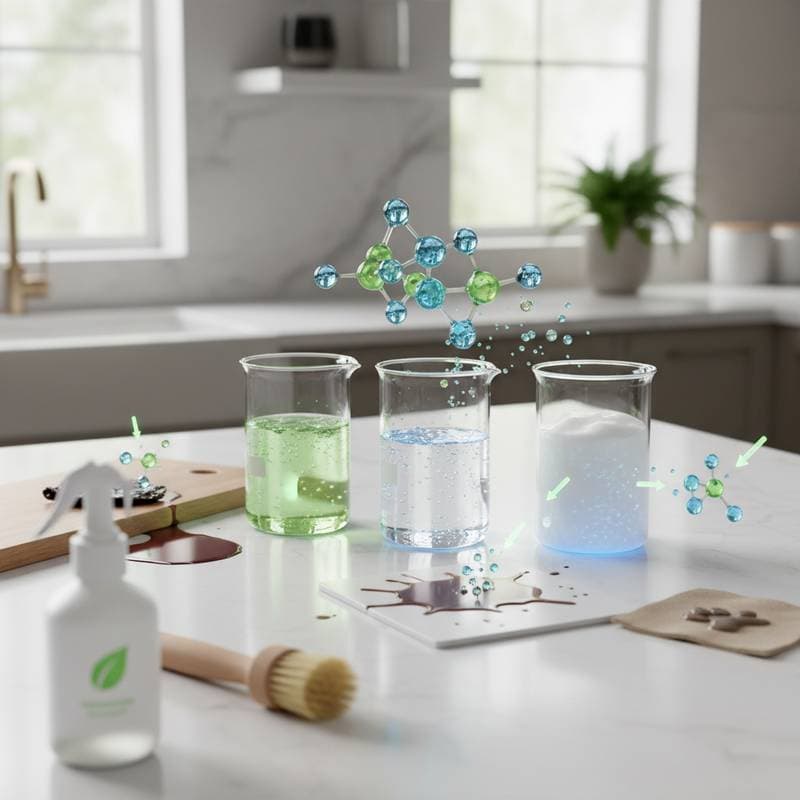
Traditional cleaners rely on synthetic chemicals to dissolve or bleach stains. Enzyme cleaners employ natural proteins that catalyze reactions to degrade organic compounds. These enzymes function as specialized agents for particular types of messes.
Key enzyme types include:
- Proteases, which degrade proteins in substances such as blood, food, and perspiration.
- Amylases, which target starches in sauces and beverages.
Lipases, which break down fats and oils.
Cellulases, which address plant-based materials like grass or pulp.
Upon contact with matching molecules, enzymes bind and fragment them into water-soluble components. This process simplifies removal and minimizes effort.
Advantages for Removing Persistent Stains
Organic stains, including those from food, pets, or oils, form the basis of most household problems. Chemical cleaners may provide temporary surface cleaning but often overlook underlying causes of discoloration and odor. Enzyme cleaners digest these materials completely.
Specific benefits include:
- Precision Targeting: Enzymes activate only with compatible molecules, enhancing efficiency.
- Penetration Depth: They access molecular layers within fabrics, grout, and carpets.
- Extended Efficacy: Enzymes persist briefly after application to ensure full degradation.
- Surface Compatibility: Free from acids and bleaches, they suit materials like wood, stone, and cotton.
This method delivers enduring cleanliness with reduced aggression.
Biological Cleaning Without Synthetic Harshness
Conventional cleaners frequently release irritating fumes that affect air quality. Enzyme cleaners draw on natural reactions safe for humans and animals. Formulations typically incorporate biodegradable elements that avoid residue buildup.
For households with children or pets, this safety profile reduces concerns. Additionally, enzyme cleaners support sustainability through rapid decomposition, minimal packaging, and lower synthetic chemical input. They benefit both indoor environments and broader ecosystems.
Practical Applications in Daily Routines
Enzyme cleaners adapt to diverse tasks, from laundry to surface maintenance. Examples demonstrate their utility:
- Laundry Enhancement: They prevent stain reappearance by breaking down organic residues during washing.
- Kitchen Maintenance: Lipases and amylases remove grease and spills without residue films.
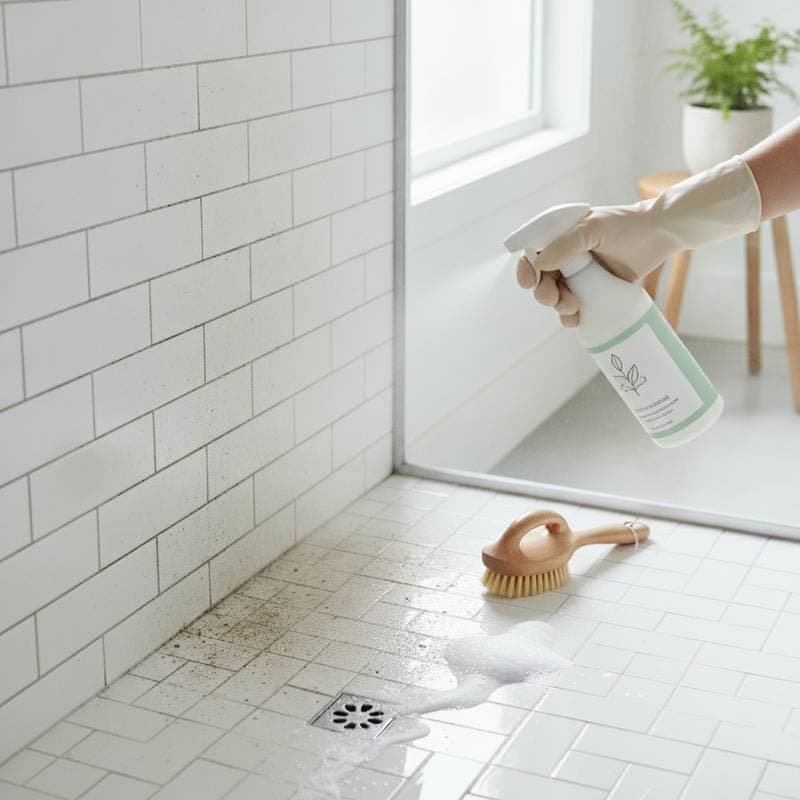
- Bathroom Treatment: Application to grout and tiles degrades soap scum and mildew.
- Pet Mess Management: They neutralize odor-causing compounds in accidents.
- Fabric and Carpet Care: They reach deep into absorbent materials for spill removal.
Regular use leads to reduced odors and less frequent deep cleaning.
Selecting an Effective Enzyme Cleaner
Product quality varies among enzyme cleaners. Multi-enzyme blends handle broader stain types, while specialized options focus on tasks like odor control. Essential features to evaluate include:
- Multiple Enzyme Inclusion: Versatility for various organic stains.
- Balanced pH Level: Protection for sensitive surfaces.
- Clear Ingredient Disclosure: Assurance of quality and safety.
- Minimal Artificial Scents: Indication of strong inherent odor elimination.
Homemade versions,fruit scraps with sugar and water, provide basic options. These require preparation time but yield effective results for simple applications.
Addressing Misconceptions
Several myths persist about enzyme cleaners:
-
Misconception: They Act Slowly.
In truth, brief activation time yields longer-lasting outcomes than rapid chemical actions.
-
Misconception: They Handle All Stains.
They excel with organics but not inorganics like rust; pair with other methods as needed.
-
Misconception: They Lack Strength.
For biological stains, they surpass traditional cleaners by addressing root causes.
Proper application maximizes their superiority.
Appeal to Design and Maintenance Professionals
Professionals value enzyme cleaners for preserving material integrity in designed spaces. Harsh treatments can damage aesthetics, but enzymes clean without harm. Natural fibers like linen and wool endure better, while surfaces such as marble maintain finishes.
This approach fosters environments that balance visual appeal with health and durability.
Integrating Enzyme Cleaners into Routines
Adopting enzyme cleaners shifts cleaning toward precision and satisfaction. Messes receive targeted treatment rather than superficial coverage.
Practical tips include:
- Allow sufficient contact time for activation.
- Blot rather than rub to lift materials.
- Store in stable conditions to preserve enzyme potency.
- Select formulas based on specific needs, such as general or targeted use.
These adjustments enhance fabric condition, air quality, and efficiency.
Steps to Adopt Enzyme Cleaning
Transition from chemical reliance by testing enzyme products in targeted areas like laundry or pet care. Observe complete stain removal and improved freshness. This integration supports home functionality, extending material life through gentle maintenance.
When facing stains, choose biological precision for reliable results that align beauty with practicality.