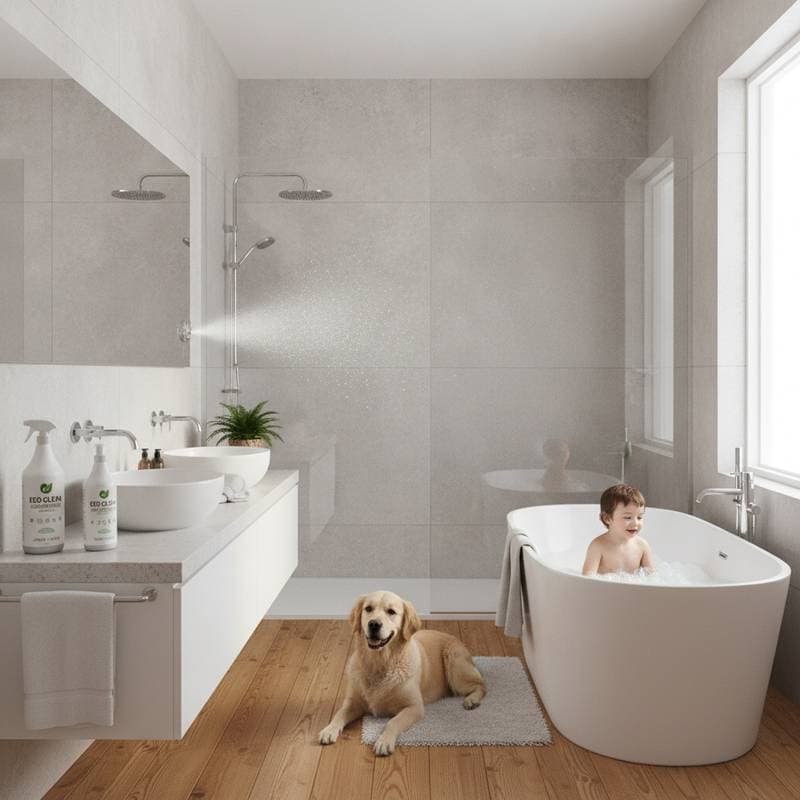
Key Benefits of Steam Cleaning
Steam cleaning provides a robust alternative to conventional cleaning approaches. The method uses high heat to dissolve dirt and eliminate germs, delivering comprehensive sanitation. Homeowners assume full command of their cleaning efforts with few additional supplies required.
- Cost Efficiency: The upfront purchase of equipment generates ongoing savings by removing the necessity for frequent chemical cleaner acquisitions.
- Health Advantages: Avoiding toxic substances protects families, pets, and those with sensitivities, while enhancing indoor air quality.
- Ease of Use: Methods accommodate novices, with many tasks finishing in mere minutes following brief familiarization.
- Superior Outcomes: Correct execution produces cleanliness that matches or exceeds professional standards, while promoting environmental stewardship.
Project Essentials
Anticipate 30 minutes to two hours of active work, depending on the surface area. Most projects conclude within the same day. Required skills fall between beginner and intermediate levels. Basic steam cleaners cost from $80, while advanced models range up to $300, with virtually no recurring material expenses.
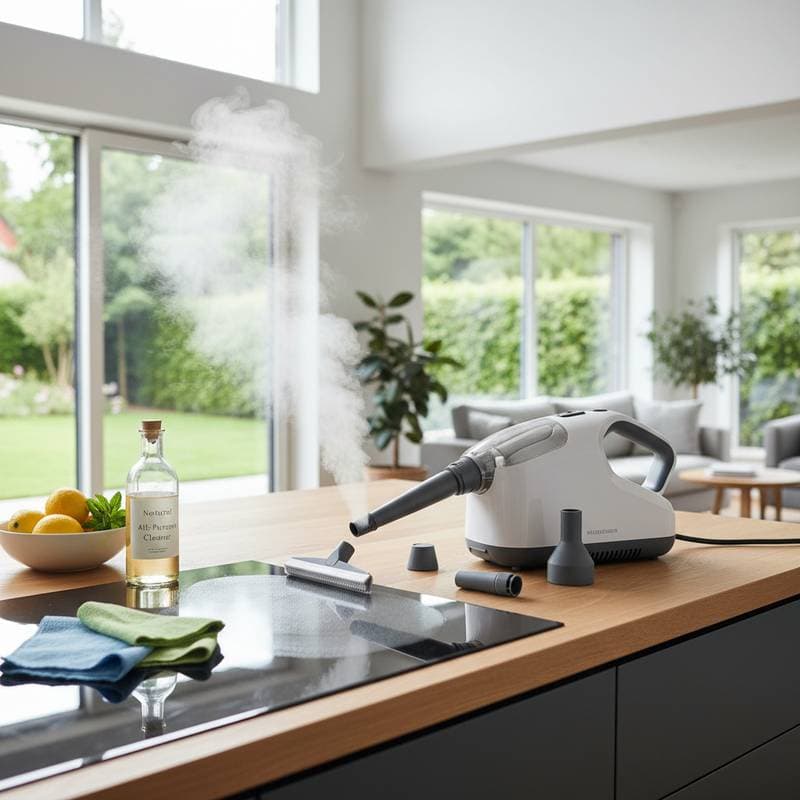
This technique converts water into vapor through heating, allowing it to penetrate surfaces deeply. Elevated temperatures melt grease, extract ingrained soil, and eradicate bacteria in one process. A reliable steamer serves as a lasting investment, needing only water refills for repeated use.
Required Materials and Tools
Choose equipment that supports accuracy and efficacy in cleaning tasks.
Core Equipment:
- Steam cleaner with customizable temperature and pressure controls for broad application.
- Microfiber cloths or mop pads designed to trap particles without abrading surfaces.
- Distilled water to reduce mineral deposits within the unit.
- Brush attachments in various sizes for targeting grout lines and narrow spaces.
Supplementary Natural Aids:
- White vinegar to dissolve mineral deposits on fixtures.
- Baking soda for gentle scrubbing of stubborn areas.
- Lemon juice to eliminate odors in textiles and plumbing.
Avoid adding commercial detergents to the steamer's reservoir. Such practices contradict manufacturer guidelines and dilute the focus on heat-based purification.
Detailed Cleaning Instructions
Execute these procedures for best results on diverse surfaces.
1. Initial Setup
Remove loose debris by sweeping or vacuuming the area. Steam works most effectively on surfaces cleared of visible particles. Fill the steamer with distilled water, attach the appropriate tool, and allow five to ten minutes for complete heating.
2. Surface Compatibility Check
Test steam on a hidden section of the material. Monitor for alterations in color or texture during the following minutes. This step safeguards against harm to vulnerable items such as untreated wood or specific synthetic fabrics.
3. Hard Floor Treatment
Attach a floor mop head and microfiber pad for ceramic tiles, sealed hardwood, or vinyl flooring. Guide the steamer across the surface at a consistent, deliberate speed to ensure vapor absorption. Replace or rinse pads after every 200 square feet to uphold cleanliness.
4. Upholstery Revitalization
Select an upholstery attachment and position it four to six inches from the fabric. Apply steam in uniform sweeps to saturate the fibers thoroughly. Absorb surplus moisture promptly with a dry towel, and confirm complete drying within two hours to prevent mildew growth.
5. Grout and Tile Renewal
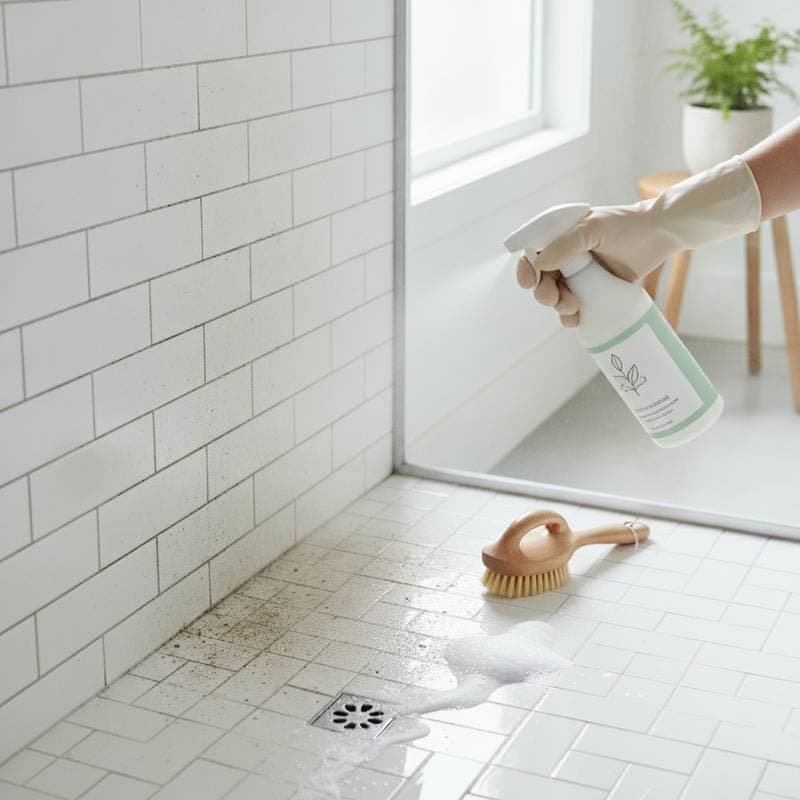
Install a narrow brush attachment to focus on grout joints. Deliver brief, targeted steam bursts, followed by light scrubbing if residues persist. Thermal action removes mold and deep-set stains more effectively than chemical solutions in textured zones.
6. Kitchen and Bathroom Focus
Concentrate on lipid-rich areas including stovetops, oven cavities, sinks, and shower walls. Hold steam on accumulations for 30 seconds per spot to release buildup. Follow with a damp cloth wipe, and unplug electrical devices prior to cleaning for safety.
7. Final Maintenance
Promote air circulation to accelerate drying, which spans one to four hours based on ambient moisture. Empty and rinse the steamer's tank completely. Store the device vertically in an airy location to protect its parts.
Strategies for Sustained Cleanliness
Integrate steam cleaning into regular maintenance for simplified care. Tackle high-use areas weekly and perform intensive treatments monthly on furnishings or grout. Consistent effort halts soil buildup and prolongs material durability.
Inspect the steamer quarterly for mineral scaling. Use a vinegar mixture for descaling if tap water enters the system sporadically, though distilled water proves preferable. Replace filters and seals promptly to sustain output and avert malfunctions.
Combine steam with natural elements sparingly for amplified results. Mist vinegar onto windows prior to steaming to prevent smudges, or apply baking soda to rugs after treatment for scent neutralization. Verify mixtures on minor test spots first.
Financial Advantages of This Approach
Steam cleaning recoups its cost rapidly via diminished supply demands. Utility expenses for power and water remain far below those for chemicals and disposal. Document economies by reviewing pre- and post-implementation monthly outlays.
For limited funds, lease equipment from local stores at $20 to $50 daily. Consider joint buys with neighbors to divide expenses. Favor units with stainless steel boilers for resilience, as plastic components wear quicker from thermal stress.
Compact handheld devices, priced from $30, excel in brief jobs like countertop disinfection. Larger canister models, beginning at $150, provide continuous flow for extensive areas, suiting comprehensive home cleanings.
Environmental and Wellness Gains
This practice extends beyond finances to preserve well-being by neutralizing microbes solely through temperature. It eliminates irritants that provoke respiratory or dermal issues, decreasing allergic reactions in at-risk groups.
Steam application curtails plumbing contamination, producing no chemical runoff. The process creates a scent-neutral setting, limiting artificial irritants. In total, it encourages eco-conscious behaviors that support planetary health.
Advanced Techniques for Optimal Performance
Start applications at low pressure to assess material tolerance, then increase for deeper action. Keep steady movement over textiles to avoid saturation. Change pads between rooms to prevent contaminant spread.
For persistent marks, apply steam for 10 to 20 seconds prior to brushing. Allow the tank to dry open to the air post-session. These practices boost productivity and extend equipment life.
Building Lasting Home Hygiene Habits
Establish steam cleaning as a core routine for dependable sanitation. Emphasize thorough preparation and steady application to streamline efforts. Such integration creates a secure, pristine environment with lasting advantages for residents.