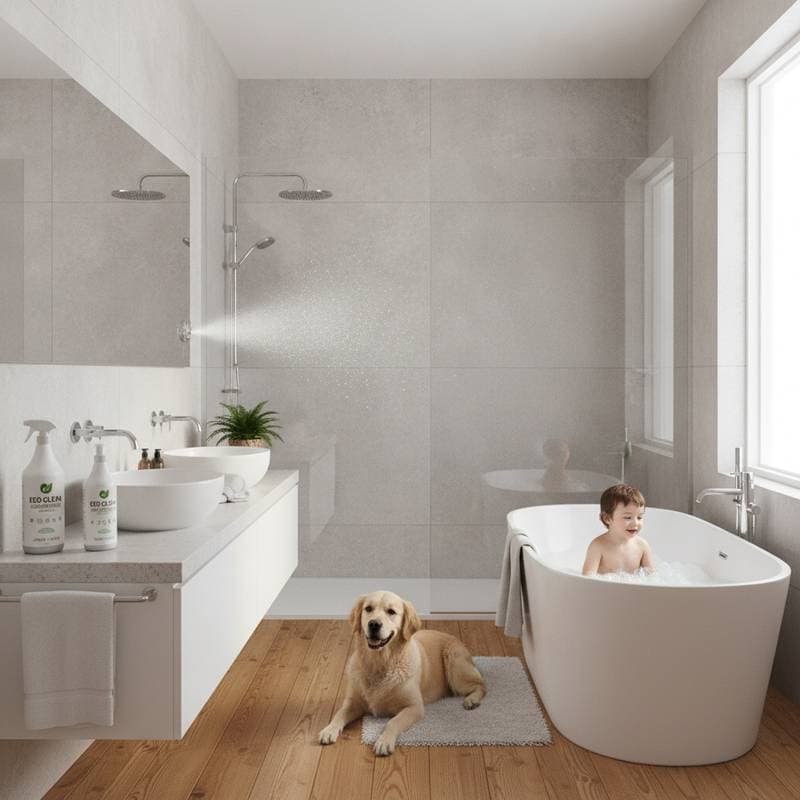
The Shift Toward Chemical-Free Steam Cleaning
Homeowners often face the challenge of scrubbing tough spots like oven racks or grout lines using cleaners that irritate skin and release strong odors. Traditional products deliver disinfection and shine, yet they leave behind residues, fumes, and gradual damage to surfaces. Many now seek alternatives that prioritize health and material integrity, leading to the rise of steam cleaning.
Steam cleaning proves effective by eliminating germs, dislodging dirt, and rejuvenating surfaces without detergents. Drawing from extensive experience in renovation and property maintenance, observations confirm that steam removes embedded residues that conventional approaches merely redistribute. This method promotes safer home care practices.
Examine the key factors that position steam cleaning as a preferred option for achieving cleanliness without health or material risks.
Key Distinctions of Steam Cleaning
Underlying Science
As water vaporizes, molecular activity intensifies, transferring energy to disrupt oils and organic matter. This thermal process enables disinfection independent of chemicals. Standard home steam units achieve temperatures sufficient to eliminate most bacteria, mold, and dust mites upon brief exposure. The vapor also mobilizes adhered grime for easy removal via wiping or vacuuming after evaporation.
Ideal Surfaces for Application
Steam cleaning excels on various materials, including:
- Tile and grout
- Sealed hardwood or laminate flooring
- Carpets and rugs
- Upholstery and mattresses
- Glass and mirrors
- Kitchen appliances
- Bathroom fixtures
Adapt techniques slightly per surface, but expect enduring cleanliness across all.
Guide to Professional-Level Steam Cleaning
Follow these steps for a tiled kitchen floor, adaptable to other areas. Preparation ensures optimal outcomes.
Step 1: Prepare the Area
Clear obstacles such as furniture and rugs. Vacuum or sweep to remove loose particles. Steam targets ingrained dirt, so starting with a clean base maximizes efficiency.
Step 2: Prepare the Unit
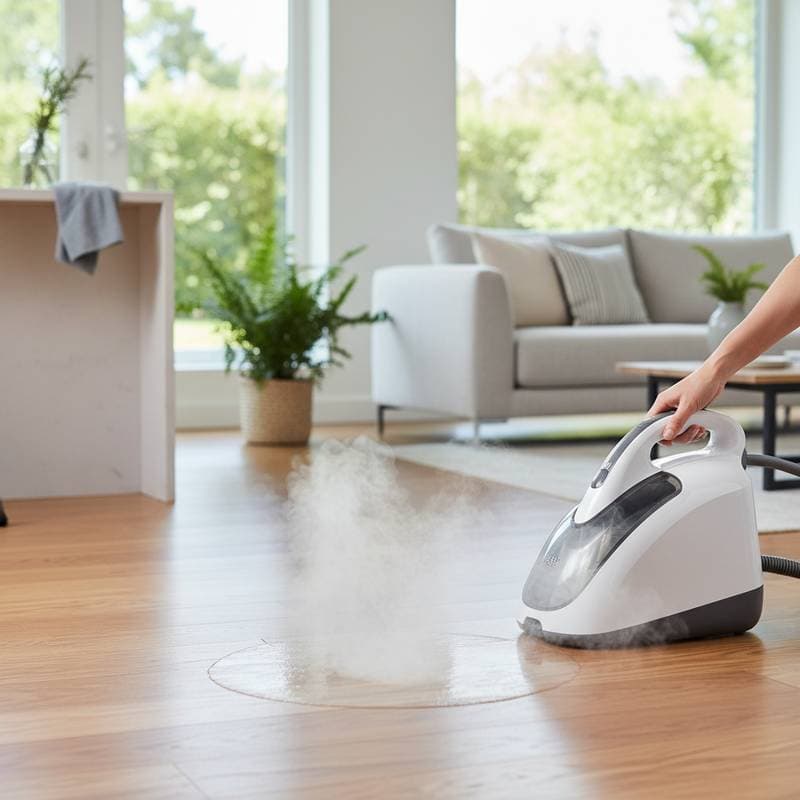
Fill the reservoir with distilled water per guidelines. Allow time for heating until the ready signal activates. Manage the hose carefully as pressure develops.
Step 3: Conduct a Spot Test
Apply steam to a hidden area first. Monitor for finish alterations or color shifts on subpar materials post-drying. Proceed if results satisfy.
Step 4: Apply Steam Systematically
Use deliberate, overlapping strokes. Position the nozzle one inch from the surface, dwelling for seconds before microfiber wiping. This ensures comprehensive treatment.
Step 5: Address Grout Lines
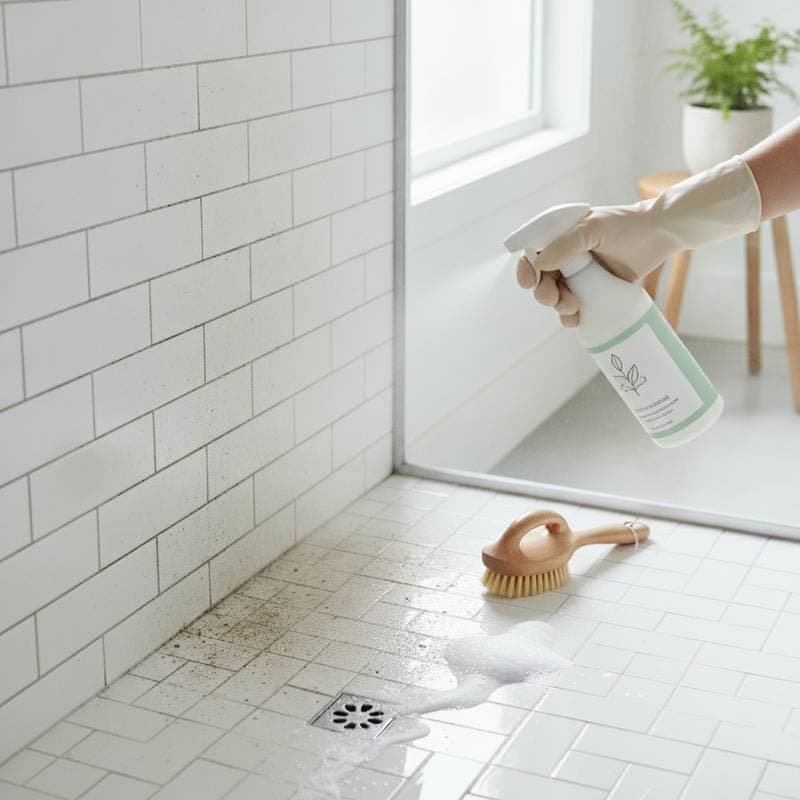
Attach a narrow brush for grout. Steam dissolves embedded soap and fats. For severe discoloration, apply multiple treatments with drying intervals.
Step 6: Finalize and Evaluate
Permit air drying for fifteen minutes. Check for remnants. Streaks from excessive moisture yield to dry cloth polishing.
Step 7: Establish Routine Care
Post-deep clean, brief sessions every few weeks sustain hygiene and deter accumulation.
Scenarios Requiring Expert Intervention
DIY steam cleaning suits routine tasks, yet certain cases benefit from specialists. Consider professionals for:
- Carpet restoration following floods
- Grease-intensive commercial kitchens
- Sensitive fabrics needing moisture precision
- Expansive estates demanding speed
Experts deploy robust equipment for consistent performance over prolonged use. Initial professional service can establish benchmarks, followed by personal upkeep.
Essential Techniques for Optimal Results
Refined practices from years of surface testing include:
- Select attachments matching surface textures for targeted penetration.
- Maintain nozzle distance to prevent water pooling on heat-sensitive areas.
- Use microfiber tools exclusively to avoid lint and absorb moisture effectively.
- Incorporate distilled water to minimize mineral deposits in the unit.
- Schedule sessions during low-humidity periods for faster drying.
These strategies enhance efficacy and longevity of both equipment and surfaces.
Sustaining a Healthier Home Environment
Adopting steam cleaning fosters not only spotless spaces but also reduced chemical reliance, better air circulation, and cost savings over time. Regular application preserves material integrity while promoting well-being. Integrate this method into your routine for lasting, natural cleanliness.