Understanding Enzyme Cleaners
Enzyme cleaners represent a shift in household maintenance by employing natural proteins to target and dismantle organic stains. Unlike traditional chemical products that often abrade or dissolve materials aggressively, enzymes work selectively on biological residues such as proteins, fats, and starches. This targeted approach ensures thorough removal while preserving the integrity of fabrics, tiles, and other surfaces.
Homeowners benefit from this method in daily tasks, from kitchen spills to pet-related messes. The cleaners align with broader goals of reducing chemical exposure and supporting environmental health. By integrating enzymes into routines, individuals achieve cleaner spaces with minimal effort.
How Enzymes Function at the Molecular Level
Enzymes serve as biological catalysts, speeding up chemical reactions without being consumed in the process. Each type specializes in breaking down specific organic compounds: proteases handle proteins from food or bodily fluids, lipases target fats and oils, and amylases address carbohydrates like starches. Upon contact with the stain, the enzyme binds to its substrate, facilitating hydrolysis that converts complex molecules into simpler, soluble components.
Identifying Suitable Stains and Surfaces
Enzyme cleaners excel with organic-based stains, which form the majority of household challenges. Common scenarios include fresh or set-in food residues on countertops, grease buildup from cooking on appliances, and urine or vomit from pets on rugs. Sweat and sebum on workout clothes or linens also respond well, as do organic films like soap scum in showers.
Surfaces vary in compatibility, but enzymes suit most porous and non-porous materials. Carpets and upholstery benefit from the odor-neutralizing effects, while grout and tile lines see reduced mildew recurrence. However, for inorganic stains such as rust, dyes, or adhesives, enzymes prove less effective; in those cases, pair them with appropriate alternatives or consult product guidelines.
Always conduct a patch test. Select an hidden spot, apply the cleaner, and wait the recommended time before rinsing. Monitor for color changes or texture alterations to ensure the formula suits the material.
Preparing for Effective Use
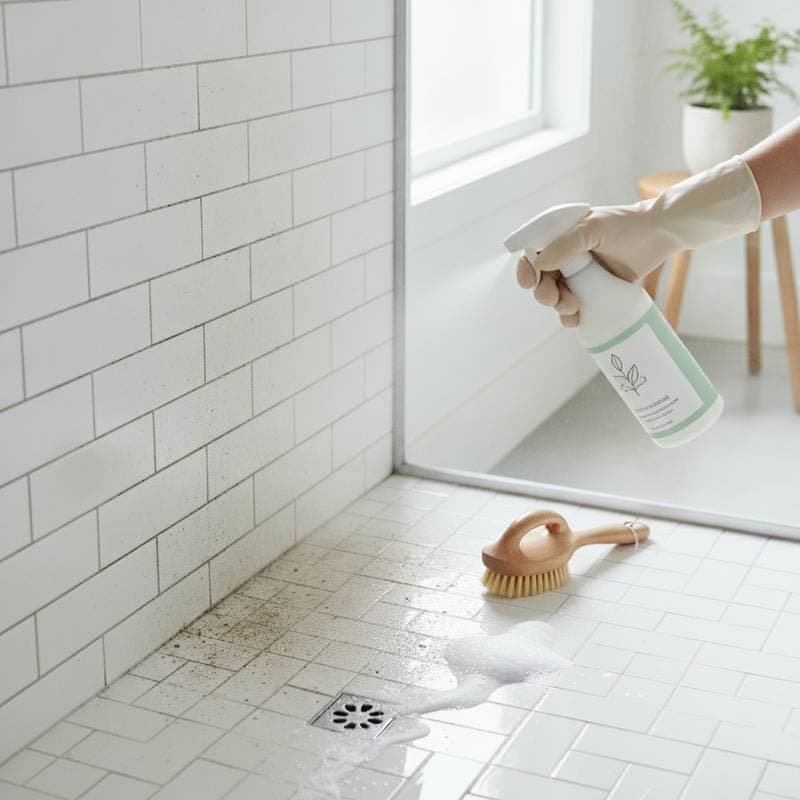
Assemble essential tools to streamline the process. Choose an enzyme cleaner matched to the stain type, such as a pet-specific formula for animal messes. Include absorbent cloths, a soft-bristle brush for gentle agitation, and a spray applicator for even distribution.
Warm water aids enzyme activation without denaturing the proteins; aim for temperatures around 100 degrees Fahrenheit. Ventilation plays a key role, particularly for large-area treatments, to expedite drying and prevent mold growth. Schedule applications during low-traffic periods to allow undisturbed dwell time.
Safety considerations enhance usability. Wear gloves if skin irritation occurs, and restrict access to treated zones until dry. This preparation minimizes risks and maximizes outcomes.
Step-by-Step Application Guide
Begin by clearing the area of any loose particles. Vacuum or scrape gently to avoid spreading the stain deeper into fibers or pores.
Saturate the affected spot with the enzyme solution, ensuring penetration for embedded residues. Follow label directions for concentration, typically undiluted for direct application.
Permit sufficient dwell time, often 15 to 60 minutes depending on stain age and product strength. Moisture sustains enzyme function, so mist additional solution if evaporation occurs in dry conditions.
After the interval, blot excess liquid with a clean cloth, working from the edges inward to contain the stain. Light brushing can lift remnants without damaging the surface.
Rinse thoroughly with plain water to remove solubilized fragments. For washable items, launder according to care instructions. Air-dry in a well-ventilated space to confirm complete odor elimination.
Reevaluate the area post-drying. Persistent traces may require a second round, especially for longstanding accumulations.
Ensuring Lasting Results
Success manifests in residue-free surfaces and absent scents, indicating full enzymatic digestion. If traces linger, verify the stain's organic nature; non-organic elements demand different interventions.
Temperature control proves crucial. Enzymes thrive in moderate warmth but lose efficacy above 140 degrees Fahrenheit, so avoid hot water or steam during treatment. Proper storage in cool, shaded locations extends shelf life, maintaining potency for future uses.
Integrate enzymes into preventive routines. Weekly applications on high-traffic areas like entryway rugs or kitchen drains forestall buildup, extending the lifespan of fixtures and fabrics.
Enhancing Home Maintenance with Enzymes
Extend enzyme benefits to plumbing systems, where they dissolve hair, food particles, and soap residues without harsh acids that erode pipes. Introduce a drain treatment monthly by pouring the solution and allowing overnight action before flushing.
In laundry, pretreat collars and cuffs with enzyme sprays to combat protein-based soils, yielding brighter whites and softer textures over time. For upholstery, combine with baking soda for odor absorption during the dwell phase, amplifying freshness.
Adopting enzyme cleaners fosters a proactive approach to cleanliness. Homeowners gain confidence in managing messes sustainably, cutting reliance on synthetics and enhancing overall well-being. This method transforms routine chores into opportunities for healthier, more resilient living spaces.