Project Essentials
Active Installation Time: Matches traditional grouting, typically 4 to 6 hours for a standard bathroom.
Full Curing Period: Plan for 24 hours before resuming normal use to ensure proper hardening.
Required Expertise: Intermediate level, best for DIY enthusiasts who have handled tiling projects before.
Cost Projection: Ranges from moderate to premium based on brand and square footage. Anticipate 30 to 50 percent above standard grout prices initially, offset by sharp declines in future upkeep expenses.
Required Materials and Tools
Materials:
- Self-healing grout, either polymer-infused or microcapsule varieties
- Clean water and a sturdy mixing container
- Optional grout sealer, as specified by the manufacturer
- Gentle tile cleaner or diluted detergent
- Absorbent sponge and lint-free rags
Tools:
- Flexible rubber grout float for even application
- Margin trowel for precise scooping
- Grout removal saw or oscillating multi-tool to excise existing grout
- Large bucket paired with a mixing paddle or drill attachment
- Protective gloves and safety goggles
For renovations involving old grout removal, allocate additional time. Use a grout saw or oscillating tool to precisely cut away deteriorated sections while preserving adjacent tiles.
Application Techniques and Quality Assurance
- Control Environmental Factors: Perform grouting in ambient temperatures between 50 and 80 degrees Fahrenheit to optimize curing and prevent inconsistencies.
- Optimize Joint Dimensions: Maintain grout lines at least 1/8 inch deep to maximize the volume available for self-repair mechanisms to activate effectively.
- Standardize Mixing Process: Measure water and grout powder in exact ratios per product instructions; blend until achieving a smooth, lump-free consistency to avoid structural vulnerabilities.
- Time Wiping Carefully: Wait 10 to 15 minutes after application before initial sponging, using minimal water to retain the healing agents within the mixture.
- Conduct Thorough Inspections: During curing, scan for depressions or irregularities and apply touch-ups promptly to achieve a uniform finish.
This grout activates in response to minor disruptions, yet it relies on sound initial placement to handle larger stresses. Precise execution from the start maximizes its restorative capabilities.
The Science Behind Self-Healing
Self-healing grout incorporates microcapsules or reactive polymers that activate upon exposure to water or air. A crack triggers the capsules to break open or the polymers to swell, releasing a resin that flows into the fissure and solidifies rapidly to restore integrity.
This mechanism substantially prolongs grout lifespan, often exceeding a decade without visible degradation. In contrast to regular grout, which cracks and erodes within 3 to 5 years, self-healing versions sustain waterproofing and visual appeal, minimizing interventions and preserving tile adhesion.
Financial Analysis and Return on Investment
Initial pricing for self-healing grout exceeds that of basic options, often by 30 to 50 percent per unit, and availability may require specialty suppliers. However, calculate total ownership costs to reveal the advantages: routine tasks like resealing and spot repairs for traditional grout accumulate hundreds of dollars over time.
Self-healing grout streamlines care to occasional wiping, with reduced cracking ensuring tiles remain secure. Homeowners prioritizing enduring quality find this upgrade recoups costs through fewer disruptions and enhanced property value.
Health, Safety, and Sustainability Impacts
High-humidity bathroom settings foster mold behind tiles if water seeps in. Self-healing grout mitigates this by forming an impermeable seal, keeping substrates dry and reducing health risks from airborne spores.
Many formulations feature low-volatile organic compound (VOC) compositions, which limit emissions during and after installation. Environmentally, longer-lasting products decrease waste generation, conserve resources in manufacturing, and lower the carbon footprint associated with repeated repairs.
Advancing Your DIY Expertise
Those who have completed smaller tasks, such as installing a kitchen backsplash, will find self-healing grout a natural progression. The process hones skills in achieving even lines and flawless surfaces, which transfer to broader renovation efforts like aligning cabinets or fitting moldings.
Mastery here builds confidence in handling materials that demand accuracy, elevating overall project outcomes.
Everyday Care for Lasting Performance
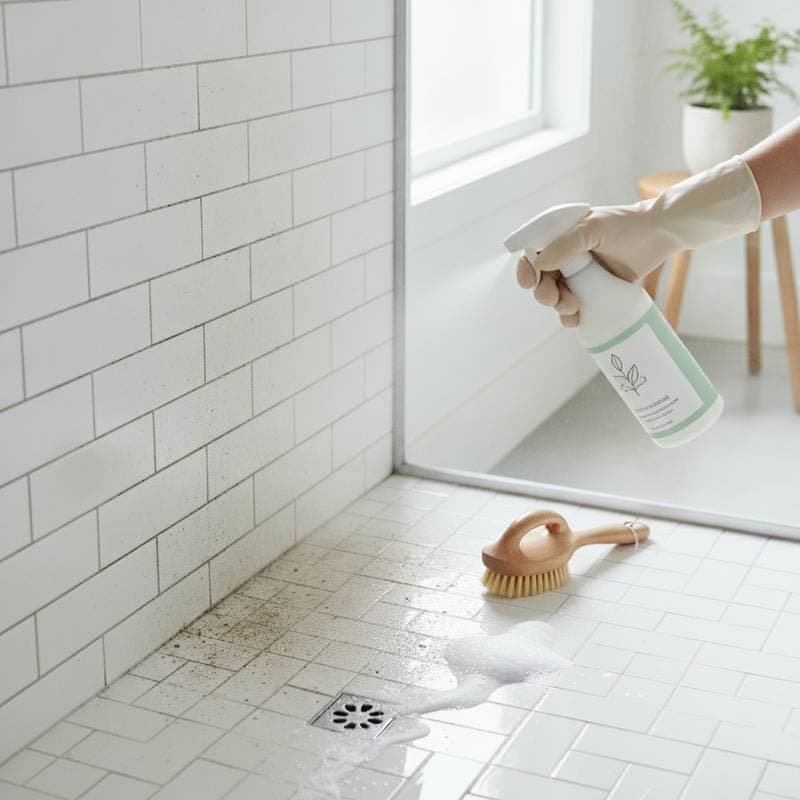
Preserve the grout's effectiveness with routine maintenance using pH-neutral soap and warm water on tile surfaces. Steer clear of abrasive or acidic products that might compromise the healing matrix.
Address any buildup by gently polishing with a soft cloth. Consistent habits complement the material's innate resilience, ensuring it withstands daily demands while upholding a fresh, professional appearance.
This innovation aligns with principles of thoughtful construction: prioritizing longevity and precision to create bathrooms that require minimal intervention and deliver reliable comfort for years.