The Rise of Enzyme Cleaners in Bathroom Revival
Professionals in home care often encounter persistent bathroom challenges, such as discolored grout resembling irregular patterns. Conventional methods like bleach, abrasive pastes, and steam devices provide temporary relief, yet grime returns swiftly. One evening, a TikTok video demonstrated the application of an enzyme cleaner in a toilet tank, revealing dramatic transformations that prompted immediate interest.
As a tester of cleaning techniques, the appeal proved irresistible. Enzyme cleaners emerge as reliable agents for thorough sanitation, restoring both appearance and freshness to bathrooms with notable efficiency.
Understanding Enzyme Cleaners
Prior to their popularity on social media, enzyme cleaners served industrial and professional sectors. These products harness natural enzymes to decompose organic substances, including soap residue, mold, and oils from personal care. Rather than concealing scents or lightening discoloration, they eliminate the underlying causes through biological processes.
Testing in a Challenging Staten Island Bathroom
Residences in Staten Island frequently feature compact, poorly ventilated bathrooms prone to moisture issues. Mildew forms rapidly in crevices despite exhaust fans. The experiment focused on difficult areas: grout seams, shower outlets, and toilet pedestals where particles and dampness create persistent problems.
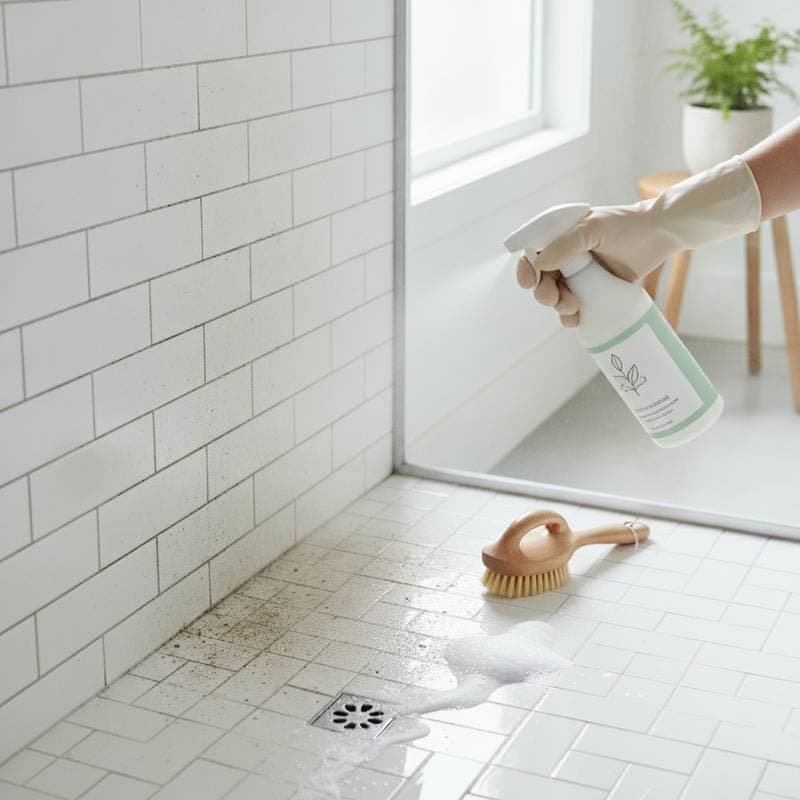
The cleaner received liberal application, followed by a 15-minute dwell time. Upon return, the residue had softened considerably, allowing effortless removal with minimal brushing. Grout regained brightness, odors vanished, and drain zones appeared renewed without disassembly. This approach simulated a complete restoration.
Advantages Over Traditional Cleaners
Standard bathroom solutions depend on aggressive agents like bleach or ammonia for sanitation and whitening. Such options yield quick effects but introduce lingering aromas and potential surface wear with repeated use. Enzyme cleaners persist in action post-application, as residual enzymes continue degrading remnants for hours, inhibiting recurrence of deposits and smells.
These formulas prove gentler on septic infrastructure and pipes, avoiding corrosion or bacterial disruption in drainage systems. They suit aging properties or efforts to minimize chemical exposure while upholding hygiene standards.
Versatility extends their utility beyond bathrooms. The same product addresses shower linings, animal marks, and kitchen basins, fulfilling promises across household applications.
Steps for Effective Bathroom Application
To replicate this method, follow these structured steps:
-
Prepare the area. Clear textiles, rugs, and items to access all surfaces fully.
-
Distribute the solution. Apply the enzyme cleaner via spray or direct pour onto targeted zones such as grout, tiles, or drainage points.
-
Allow activation. Permit 15 to 20 minutes for enzymatic breakdown to occur before any mechanical intervention.
-
Assist removal. Employ a gentle brush or fabric to dislodge softened material, encountering reduced effort due to prior decomposition.
-
Finalize the process. Cleanse with warm water and permit natural drying. Surfaces retain luster for extended periods.
For toilets, introduce a modest quantity into the basin and allow overnight treatment. Stains typically release with basic agitation by morning.
Practical Constraints to Consider
Enzyme cleaners do not resolve all issues. Inorganic elements like lime scale or corrosion demand acidic alternatives. Patience remains essential, as enzymatic activity requires time, which may frustrate those seeking immediate outcomes. Nonetheless, the sustained benefits justify the wait, particularly for odor control absent irritating vapors.
Pricing exceeds some budget options, though economical usage mitigates this concern.
Incorporating Enzyme Cleaners for Ongoing Freshness
Enzyme cleaners integrate seamlessly into everyday practices without demanding major adjustments or full-day commitments. Apply to shower panels post-use, cleanse basins during evening routines, and treat flooring periodically.
Among numerous tested innovations, this approach stands out for practicality and efficacy. It transcends superficial appeal, providing a straightforward method to sustain bathroom vitality and sanitation.