Nanotech Coatings End Dust Woes in Home Cleaning
A clean home feels instantly calmer, but keeping every surface dust-free can feel like a never-ending battle. No matter how often you wipe, tiny particles seem to drift back before the cloth is even dry. The good news is that science may finally have an answer. Nanotechnology, often associated with advanced materials and medical research, is now quietly transforming everyday home maintenance. The result is a new generation of nanotech coatings that make dust repel from surfaces almost entirely on their own.
Why Dust Keeps Coming Back
Before exploring what nanotech coatings do, it helps to understand why dust lingers in the first place. Dust is not just dirt. It is a mix of skin cells, fibers, pollen, and microscopic debris that clings to static-charged surfaces. Smooth materials like glass or polished wood attract dust through static electricity and moisture. That is why freshly cleaned shelves often look hazy again within days.
How Nanotech Coatings Work
Nanotech coatings are made of microscopic particles that bond at the molecular level with the surface they cover. Instead of sitting on top like paint or wax, they create an invisible barrier that alters surface tension. The result is a self-cleaning effect that repels dust, oils, and even fingerprints. This molecular integration ensures the coating becomes part of the surface, providing durable protection without peeling or fading.
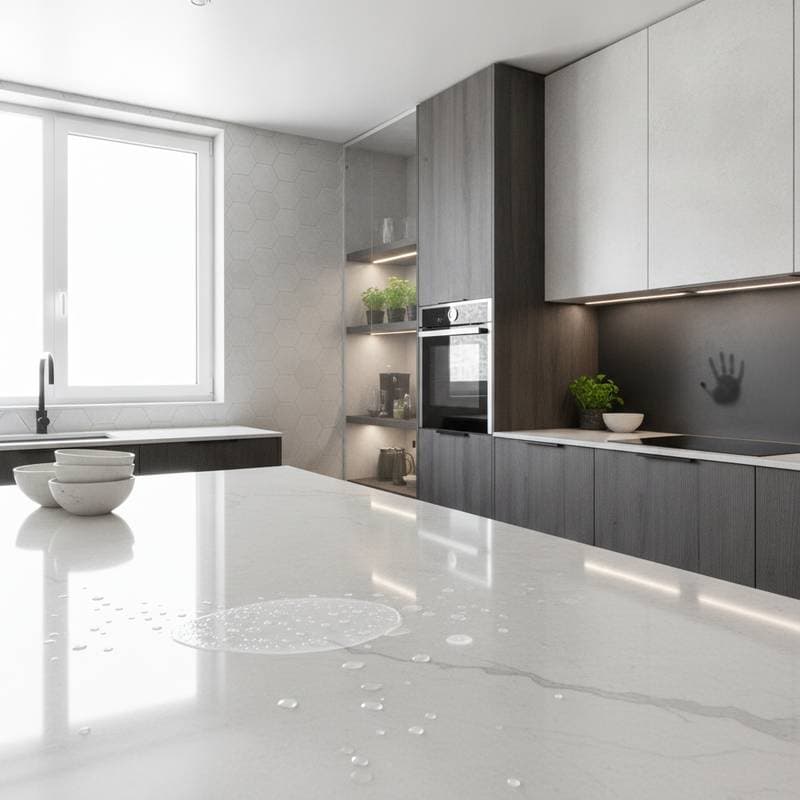
When applied correctly, these coatings make surfaces hydrophobic, meaning water and grime bead up and roll off instead of sticking. The same principle that helps rain slide down a lotus leaf is now helping homeowners keep their furniture and fixtures clean. The coating does not change the appearance or texture of the surface, and it can last for months before needing reapplication. For optimal performance, select coatings rated for specific surface types, such as silicone-based formulas for glass or polymer blends for wood.
Home maintenance specialist Dr. Mateo Ruiz, who studies nanomaterials for consumer use, says, "The coating works by reducing the surface's ability to bond with particles. Dust cannot grip, so it either falls away or is removed easily with a quick cloth wipe." This mechanism not only minimizes dust accumulation but also reduces the need for harsh chemical cleaners, promoting a healthier indoor environment.
Where to Use Nanotech Coatings at Home
The beauty of these coatings lies in their versatility. They can be applied to nearly any non-porous surface, making them useful across many areas in your home. From high-traffic zones to delicate accents, targeted application maximizes benefits while preserving the home's aesthetic.
1. Glass and Mirrors
Bathrooms and entryways benefit most from nano-treated glass. Water spots, toothpaste splatters, and fingerprints wipe off in seconds without heavy cleaners. A single treatment can keep mirrors clear and streak-free for months. To enhance results, apply during low-humidity periods to ensure even bonding.
2. Electronics and Screens
Dust gathering around televisions and computer monitors is a common frustration. Applying a light nanotech layer prevents static buildup, keeping screens cleaner longer and improving display clarity. Use anti-static variants designed for electronics to avoid interference with device functionality. Regular gentle dusting with a soft brush maintains the coating's effectiveness.
3. Furniture and Decor
For wooden shelves, side tables, or decor accents, a dust-repellent coating minimizes buildup without altering the sheen. Just ensure the product is safe for wood finishes before use. Test on a small, inconspicuous area first to confirm compatibility with stains or varnishes. This approach preserves the natural beauty of wood while extending its lifespan.
4. Kitchen Surfaces
Grease and fine cooking residue cling to cabinets and backsplashes. A coating helps prevent that sticky layer from forming, making routine cleaning faster and requiring less scrubbing. Opt for food-grade options in kitchens to ensure safety around meal preparation areas. Weekly light wipes suffice to refresh the surface.
5. Windows and Sliding Doors
Nanotech coatings can also be used outdoors. On windows or patio doors, they reduce the frequency of washing and help rainwater rinse away dirt naturally. Choose UV-resistant formulas for exterior applications to withstand sun exposure. Professional installation may be ideal for large glass panels to achieve uniform coverage.
Application Tips for Best Results
While many coatings are designed for easy home use, following a few basic guidelines ensures lasting results. Proper preparation and technique make the difference between a fleeting treatment and long-term protection.
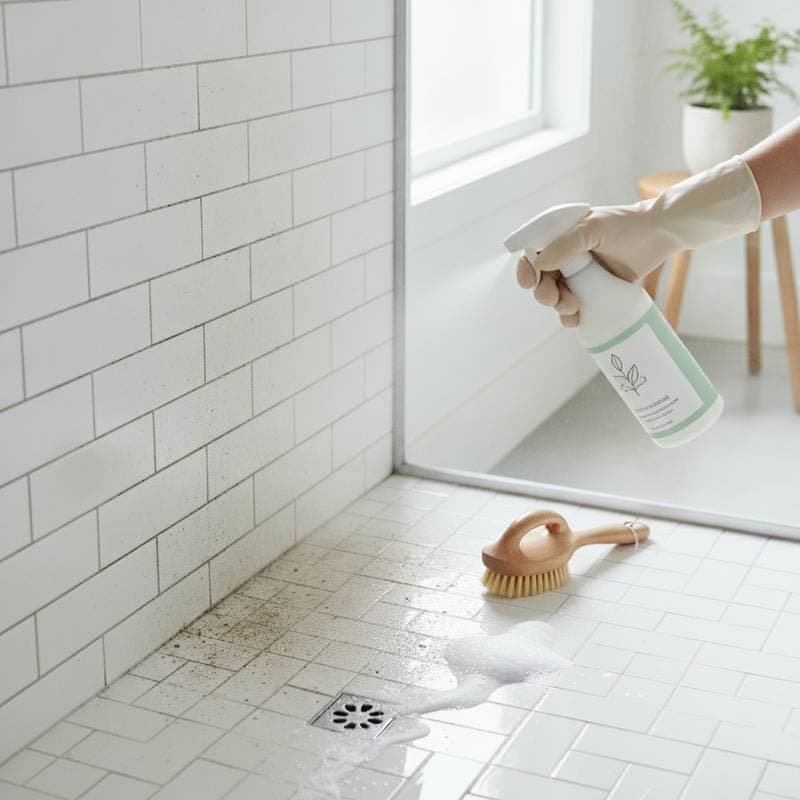
- Clean thoroughly first: Any leftover residue will trap particles under the coating. Wipe surfaces with mild cleaner and dry completely. Use isopropyl alcohol for stubborn spots on glass or metal.
- Apply evenly: Use a microfiber cloth or spray tool for even coverage. Avoid over-applying, which can leave streaks. Work in sections to prevent drying inconsistencies.
- Allow proper curing time: Depending on the product, it may take a few hours to fully bond. Keep the surface free of moisture during that time. Avoid touching until fully set to prevent smudges.
- Reapply periodically: Most coatings last several months, but high-contact areas may need touch-ups sooner. Monitor for reduced repellency and refresh as needed. Track application dates to maintain a consistent schedule.
The Cost and Care Perspective
While nanotech coatings may sound high-tech, they are becoming more affordable. Many brands now offer home-use kits priced similarly to premium cleaning sprays. The true savings come in time and effort. With surfaces staying cleaner for longer, you will spend less on cleaning supplies and enjoy fewer deep-cleaning sessions.
Designer Evan Miles of PureForm Interiors notes, "Clients love that these coatings do not just save effort, they also protect finishes. Less friction from dusting means less wear on paint and polish." Over time, that protection adds up, especially for high-end materials like marble or lacquered wood. Consider the long-term value when selecting products; invest in quality formulas that offer warranties for durability.
Are Nanotech Coatings Safe?
Safety is an understandable concern when dealing with new materials. Most consumer-grade nanotech coatings are non-toxic once cured and safe for homes with children or pets. Always check product labeling and use in well-ventilated areas. For food-contact surfaces, look for versions specifically labeled as kitchen-safe. Independent testing from organizations like the EPA can provide additional reassurance on material composition.
Environmental scientist Dr. Rita Han adds, "Nanotech coatings are designed to be inert once dry. They do not off-gas or release harmful residues. The key is responsible application and disposal of leftover product." Store unused portions in cool, dry places and follow local guidelines for eco-friendly disposal. This mindful approach ensures benefits without unintended environmental impacts.
Living with Cleaner, Calmer Spaces
Once you experience how much less dust accumulates, it is hard to go back. The home feels lighter, air quality improves, and weekly cleaning becomes a shorter, simpler task. Reduced allergens from lingering dust contribute to better respiratory health for all household members.
Making It Happen
If you are ready to try nanotech coatings, start small. Test them on a single shelf, mirror, or screen to see the difference. Once you notice how less dust clings, expand to other surfaces. As with all design improvements, the goal is not perfection but ease. A home that stays cleaner with less effort gives you more time to enjoy it. Consult product reviews and expert recommendations to choose the best fit for your space.