Understanding Enzyme Cleaners: A Superior Approach to Stain Removal
Online cleaning videos often showcase a simple pour-and-forget method that erases tough stains from carpets and fabrics. These demonstrations highlight enzyme cleaners, which have gained widespread popularity for their effectiveness against organic messes. Before applying such a product, grasp its mechanism, ideal conditions for use, and limitations to achieve optimal results.
The Science Driving Enzyme Cleaners' Popularity
Enzyme cleaners stand out because they tackle persistent stains that standard sprays overlook, such as pet urine or food residues. Traditional products mask odors or lift surface dirt, but enzymes dismantle the organic compounds at a molecular level. Enzymes function as biological catalysts, proteins that speed up the breakdown of specific stain elements like proteins, fats, and starches into water-soluble particles that rinse away easily.
Key Conditions for Enzyme Cleaner Effectiveness
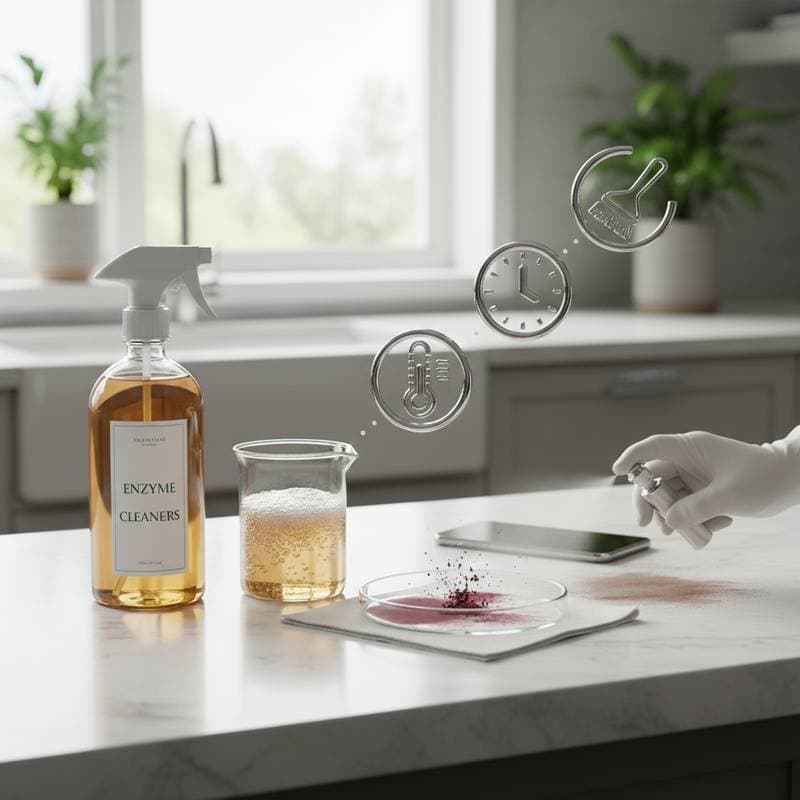
Enzyme cleaners operate through biological activity, which requires precise conditions to thrive. They need prolonged contact with the stain, as immediate wiping interrupts the digestion process. Dwell times range from 15 minutes for fresh spills to overnight for embedded stains, depending on the material and severity.
Temperature plays a crucial role; enzymes activate best between 50 and 90 degrees Fahrenheit. Below freezing, reactions halt; above 120 degrees, enzymes denature and lose function. Maintain a neutral pH around 7 to 8, and avoid alkaline or acidic additives. Combining with bleach or ammonia destroys the enzymes, rendering the cleaner useless. Always use the product alone for best outcomes.
Essential Preparation for Safe Application
Gather these tools to handle enzyme cleaning properly:
- Nitrile gloves to shield hands from potential irritants.
- An applicator bottle for controlled dispensing on targeted areas.
- Absorbent microfiber towels for blotting excess moisture.
- A nylon brush with soft bristles to integrate the solution into textures like rugs.
- A small, hidden spot on the surface for a preliminary colorfastness test.
Examine the label for specifics, as formulations differ by target: pet-specific blends for urine odors, general ones for mixed household stains, or surface cleaners for tiles. Mismatched use leads to poor performance without damaging the item.
Detailed Guide to Applying Enzyme Cleaners
Follow these steps to maximize stain removal:
-
Absorb any loose material from the stain using a dry cloth to prevent spreading.
-
Saturate the affected area with the enzyme solution, ensuring it soaks through to the base layer.
-
Let it sit undisturbed; for fabrics, place a moist towel over it to retain humidity and enhance penetration.
-
After the recommended time, work the area lightly with a brush to dislodge softened particles.
-
Flush with lukewarm water and pat dry thoroughly to eliminate any remaining solution.
For longstanding stains, multiple applications may prove necessary. Results build over time, rewarding methodical effort with thorough elimination.
Resolving Frequent Application Challenges
Failure to see improvement usually traces to skimpy application or rushed timing. Prior residues from soap-based cleaners block enzyme access, so pre-clean with plain water if needed. Test for compatibility to avoid such interference.
Excessive saturation invites problems like mold growth in damp fibers. Apply in layers if the stain covers a large area, allowing partial drying between coats. Monitor humidity levels post-treatment to ensure complete evaporation within 24 hours.
Scenarios Requiring Professional Assistance
Enzyme cleaners suit everyday spots on upholstery, rugs, or sealed floors as a home solution. They falter against massive floods, deep structural damage from repeated pet incidents, or stains soaked into sub-layers like mattress cores. Professionals deploy industrial vacuums and steam extractors to pull out contaminants fully.
DIY attempts on severe cases can embed particles deeper or promote bacterial growth. Recognize limits early to prevent escalation and preserve surfaces.
Strategies for Optimal Enzyme Cleaner Performance
Incorporate these techniques for consistent success:
-
Conduct a patch test in an unseen location to verify material tolerance.
-
Sustain light moisture during dwell without creating puddles.
-
Isolate enzyme products from all disinfectants and strong acids or bases.
-
Keep bottles in stable, shaded storage away from heat sources to extend shelf life up to two years.
-
Schedule preventive sprays on vulnerable spots, such as entry rugs or cooking zones, to break down soils before they set.
Maximizing Benefits Through Informed Use
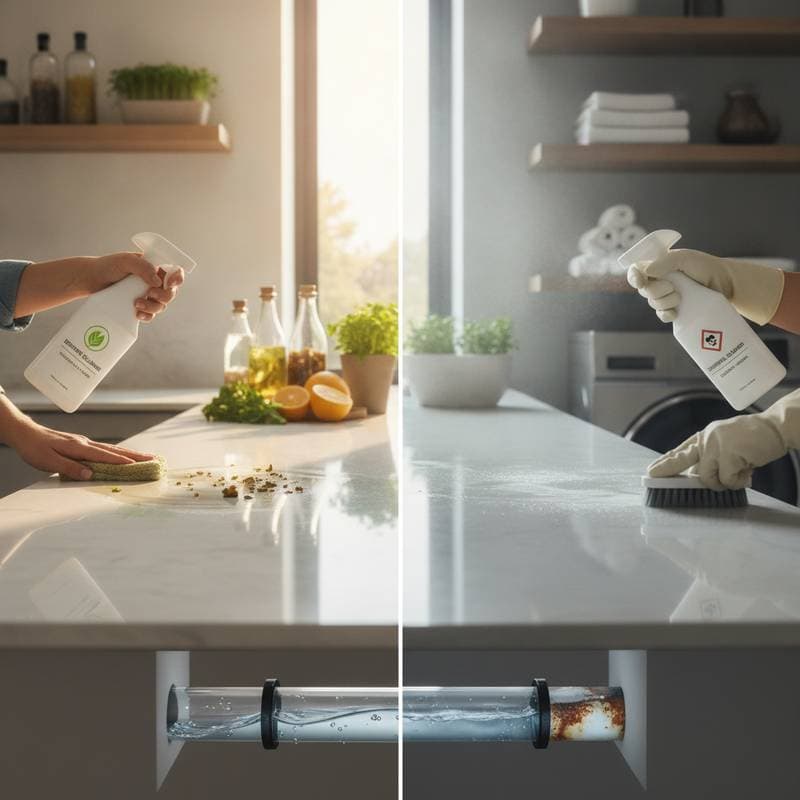
Enzyme cleaners leverage biological precision for clean, odorless outcomes that outlast chemical alternatives. By respecting dwell requirements and environmental factors, users transform routine maintenance into effective, sustainable practices. This method not only removes stains but also safeguards health and home integrity over time.