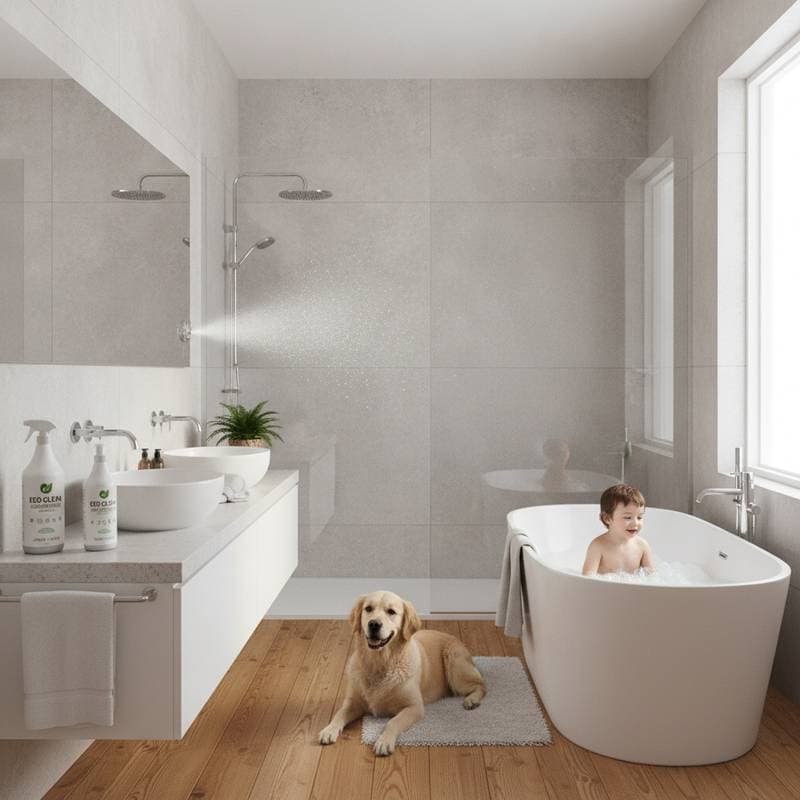
Enzyme Cleaners: A Science-Backed Solution for Persistent Bathroom Freshness
Bathrooms often harbor odors that resist conventional cleaning methods. Enzyme cleaners address this challenge by targeting organic residues at their origin, providing a deeper level of sanitation. These bio-enzymatic products gain popularity through user experiences shared online, offering an effective alternative to chemical-based options.
Essential Benefits of Enzyme Cleaners
- Enzyme cleaners degrade organic matter, which removes the food source for odor-producing bacteria.
- These products suit various bathroom surfaces, including tile, grout, drains, and fabric elements like shower curtains.
- A small quantity suffices for multiple applications, which enhances cost efficiency and reduces environmental impact.
- Consistent application prevents residue accumulation, which maintains prolonged freshness.
Selection of an appropriate formula ensures effectiveness, as specific enzymes address distinct waste types.
The Common Bathroom Challenge
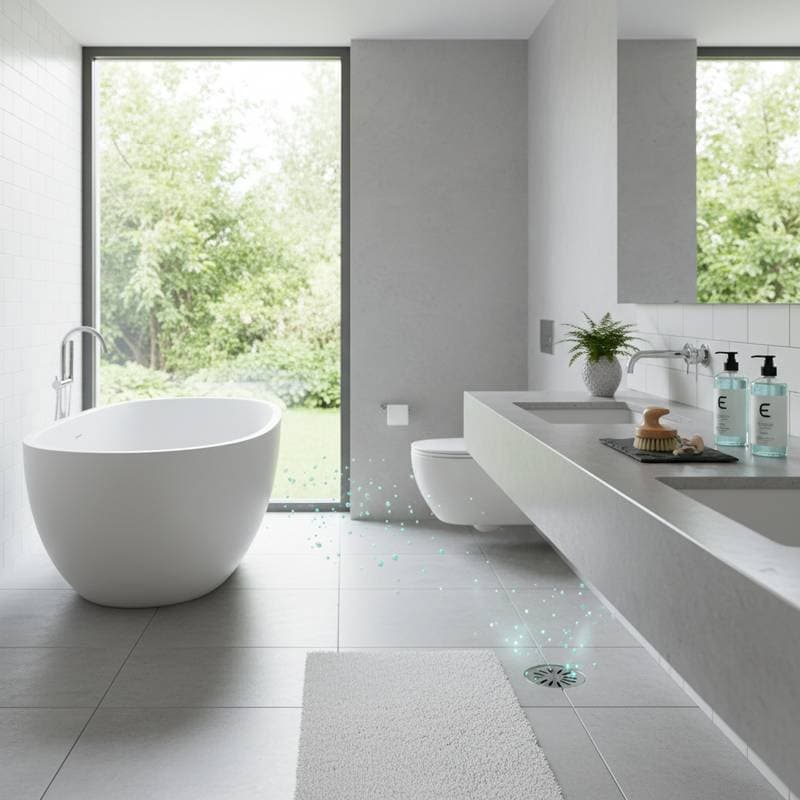
Consider a freshly cleaned bathroom: surfaces shine, and a subtle citrus aroma lingers. Yet, within hours, hints of dampness emerge from grout lines, and faint unpleasant notes arise near drains. Enzyme cleaners interrupt this pattern by eliminating biological remnants such as soap residues, shed skin cells, and moisture-dependent microbes.
Limitations of Conventional Cleaners
Standard cleaners, including those with bleach or ammonia, eliminate visible bacteria and brighten surfaces. However, they leave underlying organic materials intact, which sustain microbial growth. This approach resembles applying a temporary cover over persistent issues.
Enzyme cleaners employ biological agents that consume these residues, yielding a thorough cleanse that persists post-rinse. Unlike chemical alternatives, enzyme formulas avoid skin irritation, strong vapors, and harm to materials such as natural stone or sealant components. Their mild composition supports frequent use without surface degradation or hazardous accumulation.
Mechanism of Enzyme Cleaners
Enzyme cleaners harness proteins that catalyze reactions to dismantle organic compounds. Specific enzymes focus on particular substances:
- Protease enzymes degrade proteins present in bodily fluids or residual particles.
- Amylase enzymes process starches that contribute to grime formation.
- Lipase enzymes dissolve lipids and oils from soaps or personal care items.
- Urease enzymes counteract urea, proving effective against toilet-related odors.
Upon application, these agents bind to target particles and convert them into harmless byproducts like water and carbon dioxide. This ongoing process eradicates residue completely, depriving bacteria of sustenance and extending cleanliness duration.
Rise in Online Endorsements
Enzyme cleaners achieve widespread recognition through authentic user demonstrations rather than marketed promotions. Shared videos depict transformations, such as discolored grout restoring to pristine condition or persistent drain odors vanishing swiftly, amassing substantial viewership. Their attraction lies in delivering eco-friendly results alongside tangible improvements.
Users refer to these products as dynamic agents that operate independently after initial placement. This characterization highlights their sustained activity in residue breakdown until completion. Such persistence surpasses the immediate effects of standard cleaners.
Perspective from a Sanitation Specialist
Dr. Lila Gomez, a microbiologist specializing in household hygiene, views enzyme cleaners as a pivotal advancement in sanitation practices. She notes that conventional methods emphasize microbial elimination through destruction, whereas enzyme approaches prioritize complete residue removal. This strategy not only sanitizes but also eradicates odor origins.
In moisture-rich environments like bathrooms, this method proves especially potent. By depleting bacterial nutrients, enzyme cleaners alter conditions that foster growth, promoting sustained hygiene.
Selecting an Optimal Enzyme Cleaner
Enzyme cleaners vary by intended application; some target pet messes, others kitchen fats, and select options focus on bathrooms. Opt for multi-enzyme or bio-enzymatic blends to address diverse residues, including oils and soap deposits.
Evaluate pH levels for compatibility; neutral formulations best serve common surfaces like marble, porcelain, and tiles. Reserve acidic or alkaline variants for targeted stains, and always conduct a patch test in inconspicuous areas.
Delivery formats influence usability: sprays facilitate routine tasks, concentrates suit intensive treatments on drains or grout, and dissolvable tablets provide an eco-conscious mixing alternative.
Application Guide for Bathroom Use
- Pinpoint areas prone to moisture retention or residue, such as toilet bases, faucet surrounds, or shower seams.
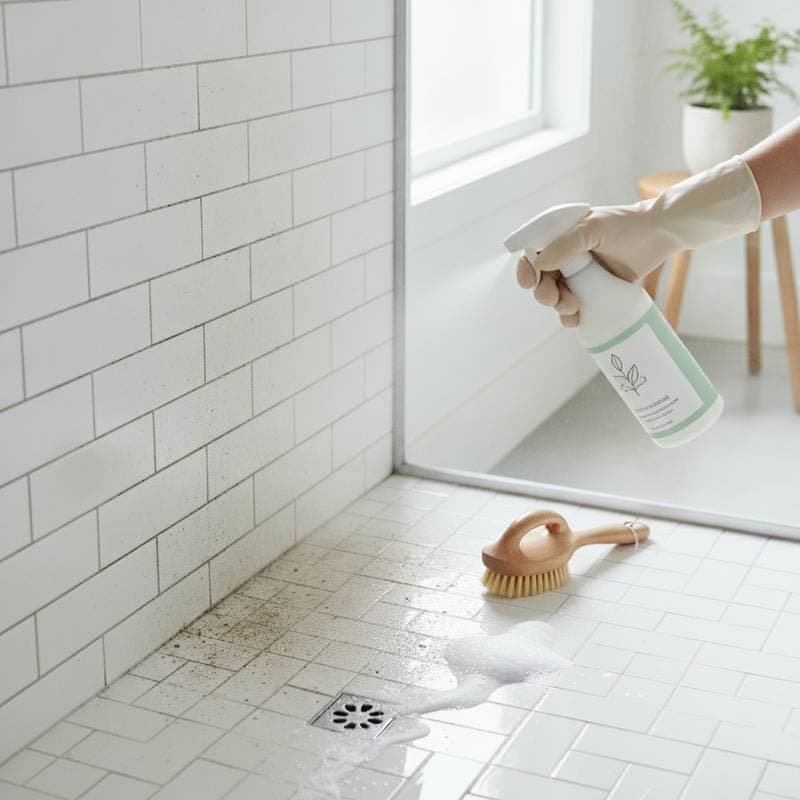
- Distribute the cleaner liberally via spray or pour onto the designated spots.
- Allow sufficient dwell time, typically 10 minutes to one hour, as specified by the product.
- Employ a soft brush or cloth for light agitation to dislodge stubborn deposits.
- Rinse with warm water and permit air drying to complete the process.
For drain maintenance, introduce the cleaner directly and allow overnight action to dissolve pipe-adhered organics, averting recurrent smells.
User Experiences and Outcomes
Individuals adopting enzyme cleaners frequently report transformative results. They observe an authentic lack of odor, distinct from the synthetic fragrances of chemical products. Online forums abound with accounts of extended freshness intervals between maintenance sessions.
Many extend application to ancillary items like laundry, bath rugs, or waste containers, broadening hygiene benefits. This adaptability appeals to compact living spaces or households sensitive to chemical exposures.
Advantages for Health and Sustainability
Enzyme cleaners align with trends in natural sanitation, being fully biodegradable and devoid of toxins or lung-irritating compounds. Families with young children or animals benefit from this safety profile, applying them bare-handed without residue concerns.
Their production often incorporates plant-derived enzymes and recyclable containers, minimizing ecological demands. Consolidating multiple cleaners into one versatile formula cuts down on packaging waste and resource consumption.
Molecular Basis of Odor Elimination
Enzyme cleaners enhance spatial air quality through precise molecular disruption. They deconstruct odor compounds directly, bypassing the need for masking agents. Consequently, high-usage bathrooms sustain neutral atmospheres for extended periods.
This principle extends to professional settings, including fitness centers, accommodations, and medical facilities, where scaled applications maintain hygiene amid heavy activity.
Integrating Enzyme Cleaners into Routines
Achieve optimal results through regular incorporation rather than sporadic use. Weekly treatments on fixtures like sinks, toilets, and shower edges forestall accumulation. Preserve product efficacy by storing in cool, shaded locations away from heat sources.
For those inclined toward homemade options, ferment citrus rinds with sugar and water to produce basic enzymes suitable for minor tasks. Though less potent than commercial variants, this method supports sustainable daily practices.
Sustaining a Fresh Bathroom Environment
Enzyme cleaners enable bathrooms that remain inviting without constant intervention. Their biological efficiency ensures cleanliness integrates seamlessly into daily life, fostering well-being through reliable, gentle sanitation.