Key Points
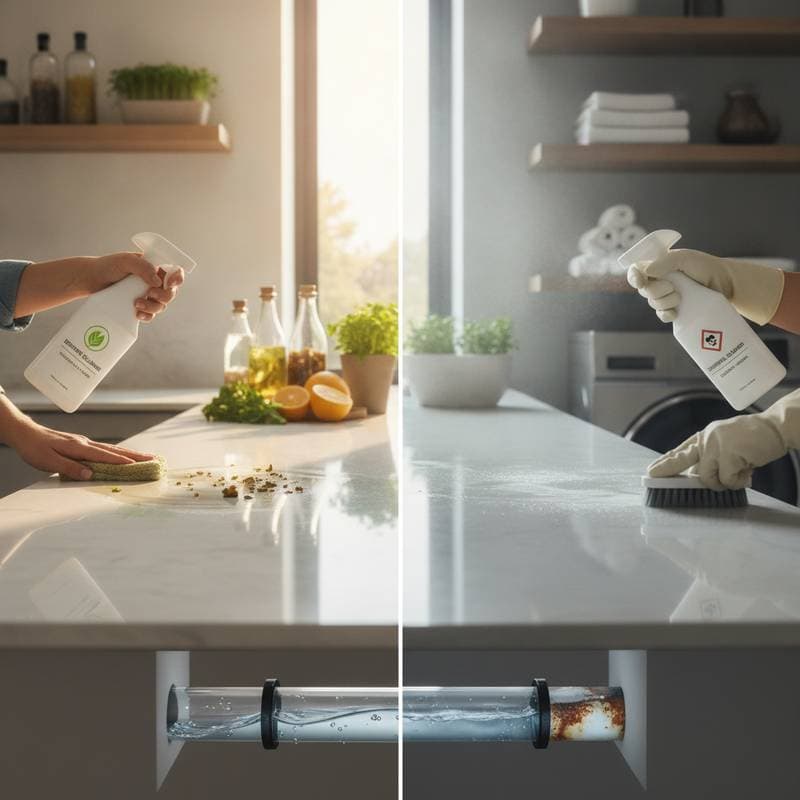
- Enzyme cleaners gain popularity on social media due to their capacity to dissolve organic grime without relying on harsh chemicals.
- These formulations employ biological processes to target stains, odors, and residues across diverse surfaces.
- DIY enzyme solutions address persistent issues such as pet accidents, soap scum, and kitchen grease effectively.
- Specialists confirm that enzyme-based methods enhance environmental safety and improve indoor air quality.
- Simple recipes and application techniques enable integration of this trend throughout the home.
The Science Behind Enzyme Cleaners
Enzymes function as biological catalysts that accelerate chemical reactions. In cleaning applications, they address specific organic messes with precision. Protease enzymes degrade proteins present in food remnants and bodily fluids. Lipase enzymes target fats and oils responsible for greasy accumulations. Amylase enzymes process starches from sauces and spills.
Examining Proven Benefits
Distinguishing genuine advantages from promotional claims requires scrutiny of enzyme cleaners' performance. Research demonstrates that enzymatic products surpass standard detergents in eliminating organic substances. Institutions like hospitals and food processing facilities have adopted them for decades to maintain hygiene without leaving toxic traces.
In residential settings, enzyme cleaners excel in targeted scenarios:
- Pet Accidents: They neutralize odors by dismantling uric acid crystals in urine, preventing recurrence.
- Laundry Enhancement: Incorporating enzyme solutions into wash cycles removes protein stains such as blood, sweat, and food particles.
- Bathroom Maintenance: These cleaners erode soap scum, mildew, and body oils without damaging tiles or grout.
- Kitchen Degreasing: They penetrate baked-on fats on stovetops, ovens, and hoods for thorough removal.
- Drain Care: Periodic enzyme applications dissolve buildup in pipes, minimizing reliance on chemical drain treatments.
Environmental scientist Karen Lopez highlights an additional merit: "Enzyme cleaners sustain their activity post-rinse. This prolonged effect diminishes the reformation of residues."
Applying Enzymes Throughout the Home
Enzyme solutions offer versatile applications once prepared. Success depends on allowing sufficient contact time, as enzymes require this interval to activate fully. Apply by spraying, then pause before wiping to permit the biological reaction to proceed.
Kitchen Applications: Direct the solution onto cutting boards, sinks, and refrigerator shelves. It eliminates food odors and breaks down adhesive residues effectively.
Bathroom Uses: Apply to tiles and toilet bases, allowing several minutes for penetration. A light scrub follows, yielding cleanliness without bleach's pungent aroma.
Fabric Treatment: For stains, spray the area and wait ten minutes prior to laundering. Test inconspicuous spots initially to verify colorfastness.
Floor Cleaning: Dilute enzyme cleaner in mop water for refreshed surfaces. The treatment inhibits odor development even after drying.
The Cultural Shift Toward Natural Cleaning
Enzyme cleaners emerge amid evolving societal preferences. Consumers increasingly question products that prioritize ease over well-being. This inclination parallels trends in organic foods, natural skincare, and holistic wellness practices.
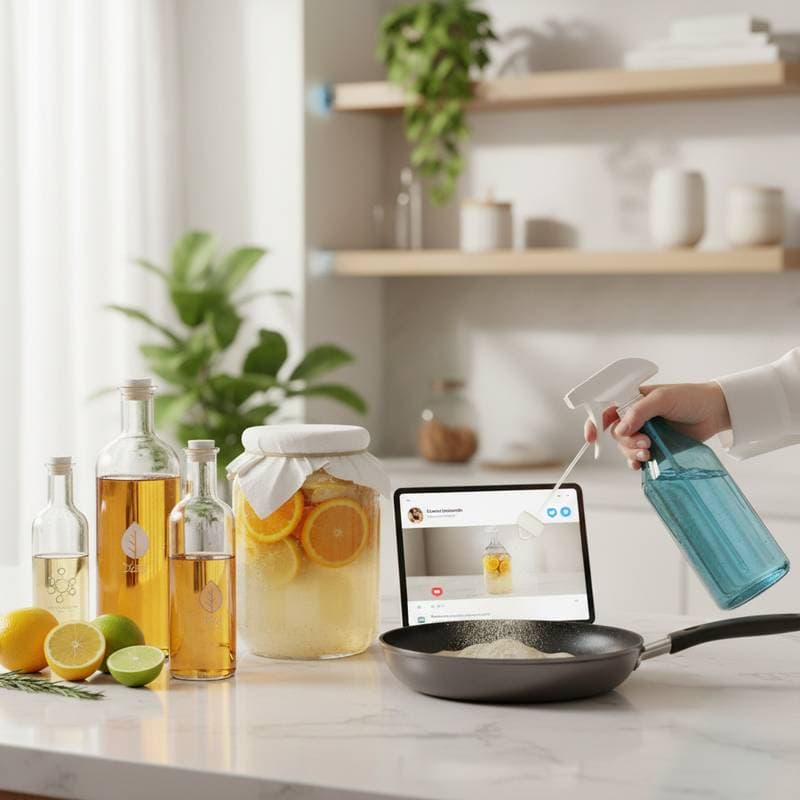
Social platforms accelerate the movement by valuing openness. Influencers demonstrate enzyme preparation from fruit peels, emphasizing the method alongside outcomes. Such genuineness builds confidence. It also evokes a return to deliberate, hands-on routines, where transforming waste into utility embodies mindful sustainability.
Commercial entities respond by integrating enzymes into reformulated lines, marketing them as potent and earth-friendly. The fusion of grassroots experimentation and industry adaptation indicates enzyme cleaning's enduring relevance.
Preparing and Implementing DIY Enzyme Cleaners
Creating enzyme cleaners at home proves straightforward and cost-effective. Begin with basic ingredients to produce a multipurpose solution. For a citrus-based recipe, combine peels from six oranges or lemons with one cup of brown sugar and one cup of water in a glass jar. Seal loosely and store in a warm, dark place for two to three weeks, shaking daily. Strain the liquid and dilute with equal parts water before use; it remains viable for months in the refrigerator.
For a versatile all-purpose variant, blend citrus peels with pineapple rinds, adding yeast to hasten fermentation. This mixture targets a broad spectrum of organic soils. Store in spray bottles for convenience, and refresh batches as needed.
Integration starts modestly: substitute one conventional cleaner with an enzyme alternative. Observe the elimination of odors through true dissolution rather than masking. Surfaces maintain freshness longer, underscoring the method's practical superiority.
Achieving Lasting Cleanliness with Enzymes
Enzyme cleaners deliver sustained results that align with health-conscious living. They reduce exposure to irritants while preserving surface integrity. Homeowners report fewer repeat cleanings, as residues fail to reaccumulate.
This approach empowers proactive maintenance. By harnessing biological efficiency, individuals foster environments that support well-being. The transition yields not only spotless spaces but also a deeper connection to sustainable practices.