Embrace Grandmillennial Gardens: Key Trends for 2026
Core Elements
- Grandmillennial gardens unite nostalgic aesthetics with sustainable practices to create enduring outdoor spaces.
- Heirloom plants and abundant floral displays pair with vintage accessories for a layered, inviting look.
- Repurposed materials and wildlife habitats combine visual appeal with environmental stewardship.
- Old-world charm integrates with practical design principles to develop personalized retreats.
Setting the Scene
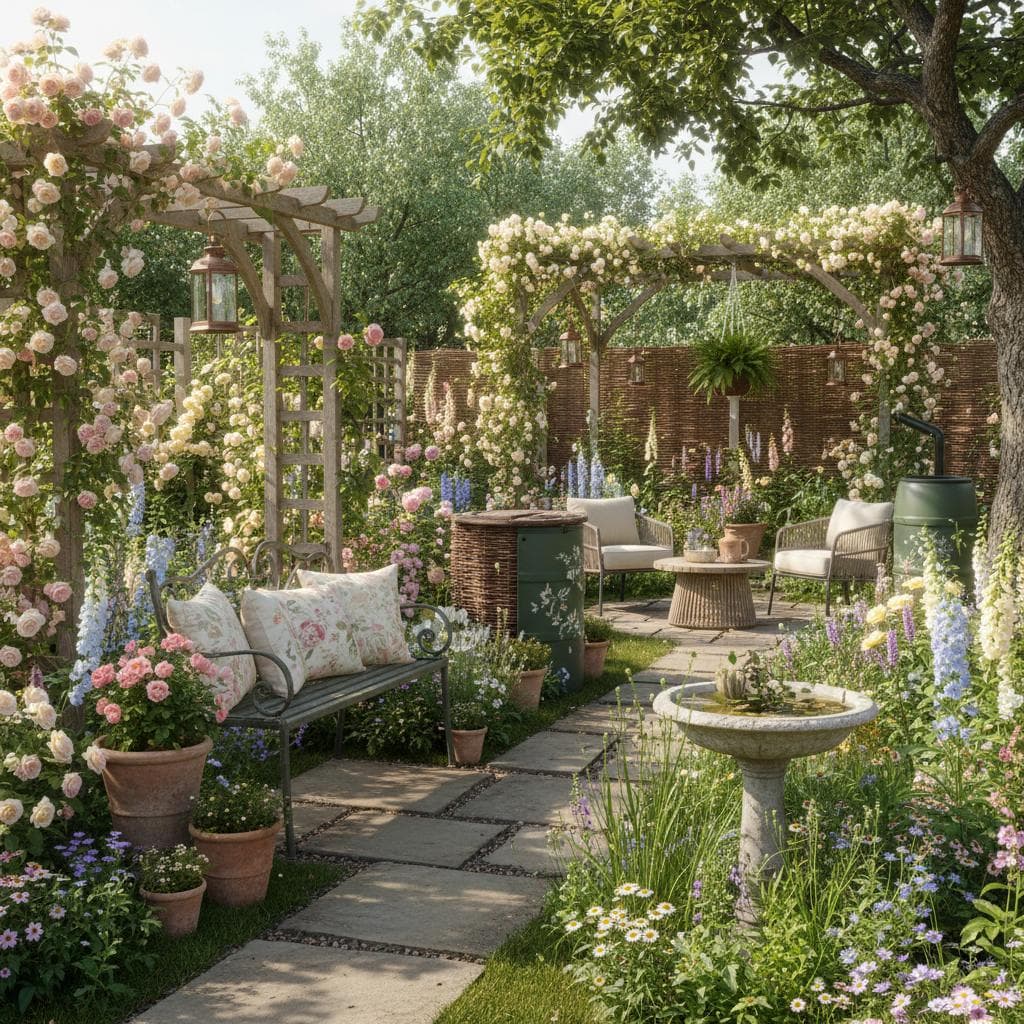
Picture a peaceful morning on a cottage veranda. Lavender fills the air with its soothing scent, a delicate teacup sits on embroidered linen, and bees hum among blooming hydrangeas and climbing roses. Chipped terracotta pots hold mint and thyme, their weathered surfaces adding to the garden's authentic beauty. This scene embodies the grandmillennial garden, where vintage romance meets mindful living, and historical appreciation finds modern purpose.
Understanding the Grandmillennial Approach
Reviving Lush Abundance
Many yards once featured sparse landscaping, but grandmillennial gardens reject this in favor of dense layers and rich sensory details. Overflowing beds, diverse planters, and bold colors shape the landscape. Classic flowers such as peonies, foxgloves, delphiniums, and heritage roses regain prominence.
Garden designer and historian Clara Jennings observes that grandmillennial aesthetics have reignited interest in heirloom varieties long neglected. “People are rediscovering why their grandparents loved these plants,” she said. “They’re generous, fragrant, and full of nostalgia.”
Perfection holds little place in this design. Fallen petals along winding paths or freely spreading ivy enhance the natural vibe. The goal centers on a lively, story-filled space rather than a pristine one.
Integrating Vintage Accessories with Purpose
Decorative elements animate the grandmillennial aesthetic. Place birdbaths, wrought-iron benches, ceramic urns, and teacups turned into planters to add personal touches. Mix textures and eras to foster a curated, lived-in atmosphere rather than a forced theme.
Salvaged furniture serves as a signature feature. Position a weathered flea-market bistro table or an aged enamel watering can to introduce depth. This method encourages reuse, yielding both ecological advantages and visual richness. Every item tells a story, steering clear of the ordinary and temporary.
Lighting elevates the ambiance. String lights draped over a pergola or lantern-style fixtures provide soft evening glow. These additions turn the garden into a serene spot for conversation and reflection.
Grounding in Sustainability and Biodiversity
Grandmillennial gardens evoke the past, but their principles point to the future. Select native plants, blooms that draw pollinators, and organic soil enhancers. Implement composting, rainwater harvesting, and pesticide-free techniques. The emphasis goes beyond appearance to support ecological harmony.
Incorporate features like insect hotels, bird feeders, and nectar-filled plots seamlessly. The gentle sounds of wildlife deepen the sensory experience, showing how timeless beauty aligns with conservation efforts.
Crafting Color Schemes and Plant Combinations
Grandmillennial color palettes pull from traditional fabrics and dishware. Soft pastels mix with richer tones, while floral motifs appear in cushions, pottery, and leaf patterns. Lavender, pale pink, and sage green dominate, grounded by navy or terracotta accents.
For plant pairings, combine delicate sweet peas with sprawling roses or peonies with airy cosmos. Sturdy herbs such as rosemary and thyme offer form and fragrance, balancing the flowers' exuberance with everyday usefulness.
Hosting in Your Cottage Garden
Grandmillennial gardens encourage frequent use. Plan gatherings like intimate afternoon teas with linen tablecloths featuring embroidery, mismatched china, and fresh arrangements in upcycled bottles, moving away from sleek modern arrangements.
Involve garden produce directly in events. Infuse herbs into drinks, feature homegrown tomatoes and berries in salads, and scatter petals for subtle decoration. These elements connect the gardener's efforts to shared moments, linking indoor warmth with outdoor vitality.
Broader Resonance and Personal Ties
This trend reaches beyond aesthetics to address cultural needs for mindfulness and heritage. In a time of fast-paced digital change, the grandmillennial garden offers physical grounding. It promotes hands-on engagement over mere viewing.
Media plays a key role in this shift. Television shows, online influencers, and brands highlight nostalgic comfort, often featuring lush gardens in their stories. The style fits an era where simplicity and craftsmanship push against convention.
Steps to Build Your Grandmillennial Garden
Start with a thoughtful evaluation rather than large expenses. Catalog existing pieces like old pots, textiles, or family heirlooms to serve as starting points. Choose plants with personal or historical significance, positioning them to create fullness without strict lines.
Add a few defining elements, such as a wrought-iron arch or antique container. Layer in details through fabrics, woven baskets, and earthenware. Stick to a cohesive yet relaxed color palette, letting imperfections add narrative depth.
Allow the garden to evolve naturally. True grandmillennial spaces grow over time, shaped by weather, care, and memories, resulting in an area brimming with personality and lasting appeal.
Realizing Timeless Benefits
A grandmillennial garden delivers more than beauty; it fosters well-being and connection to nature. Residents enjoy reduced stress through daily interactions with thriving plants and wildlife. Over time, these spaces become cherished legacies, blending personal history with forward-thinking care for the planet.