Why Gen Z Embraces the Grandmillennial Dining Room
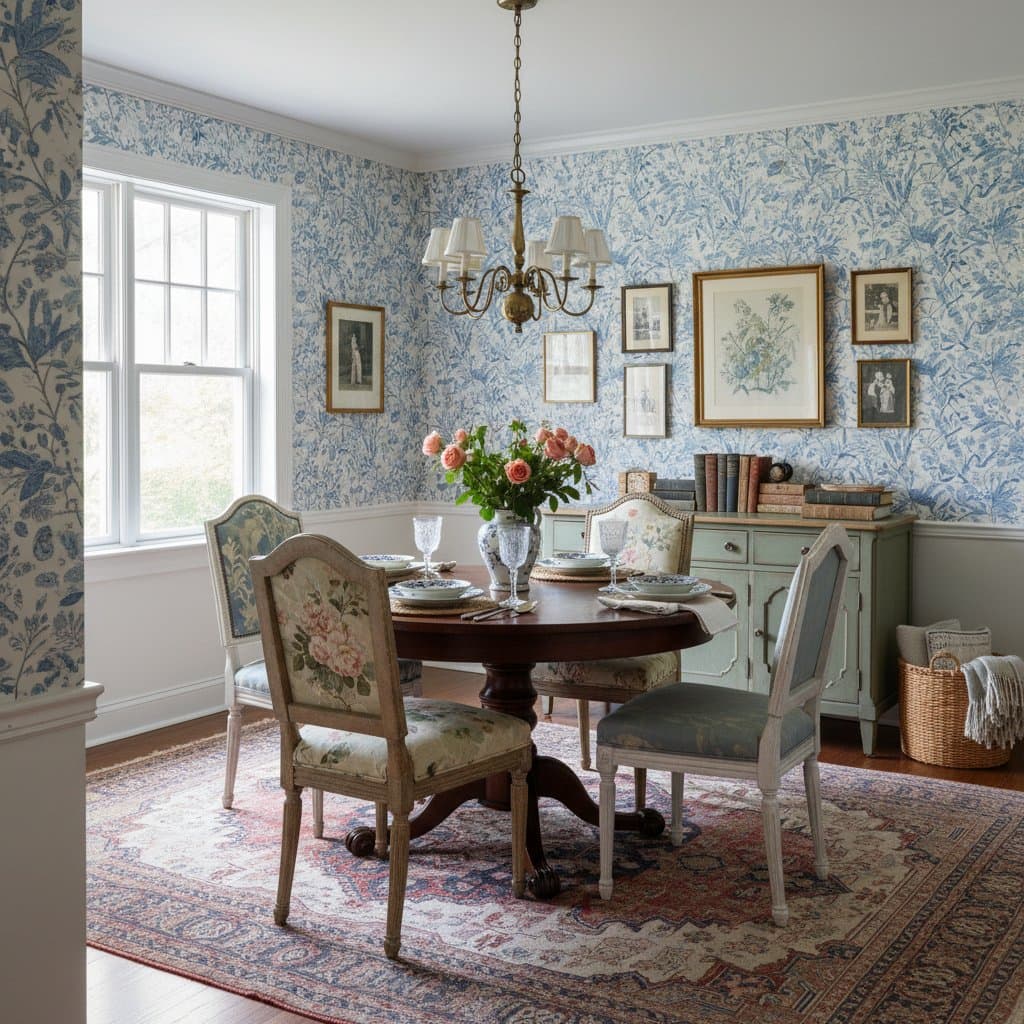
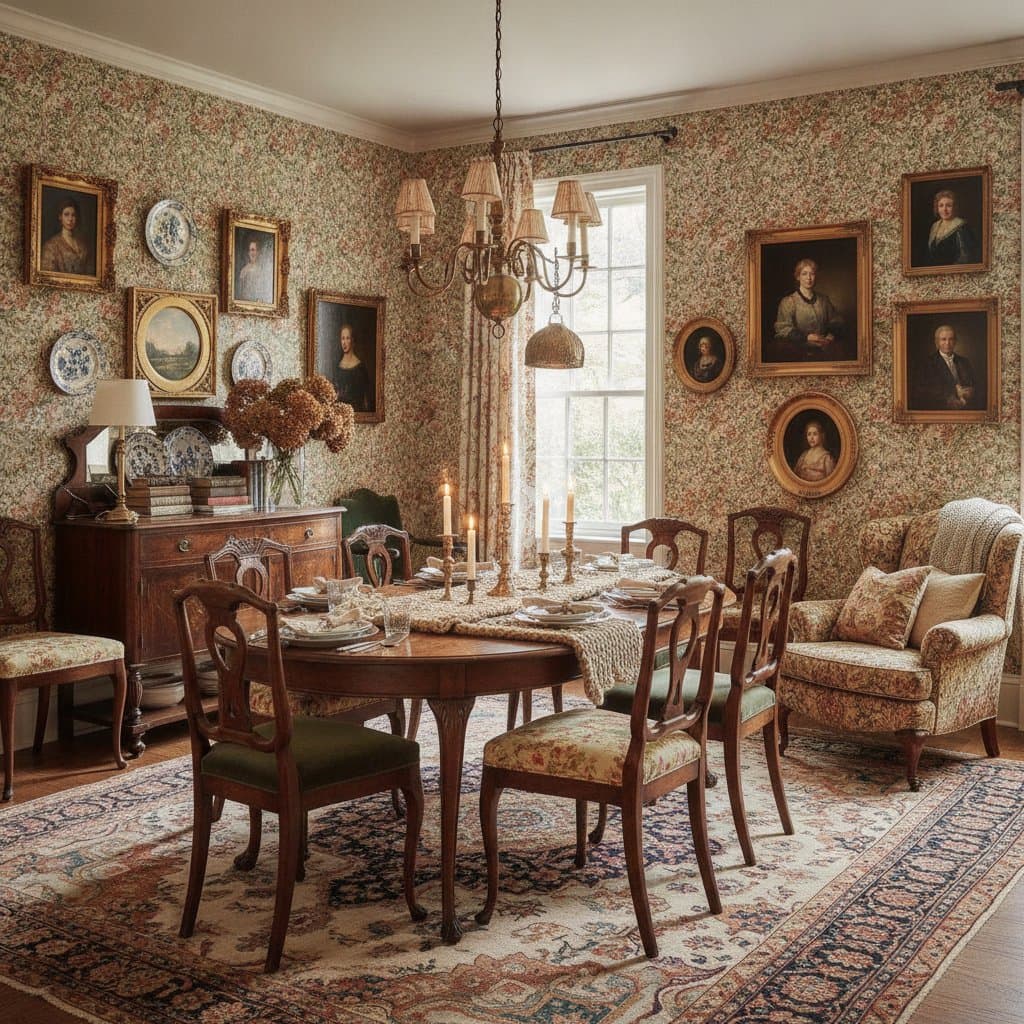
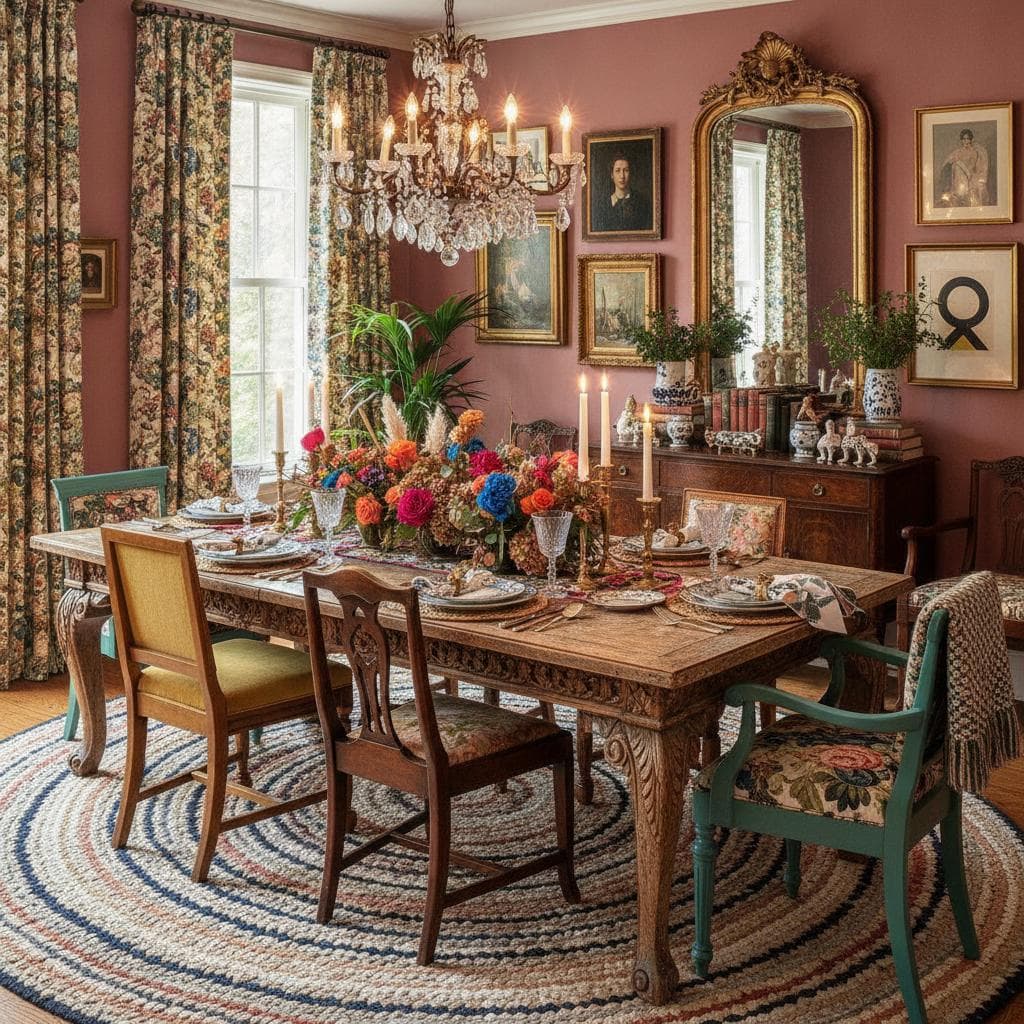
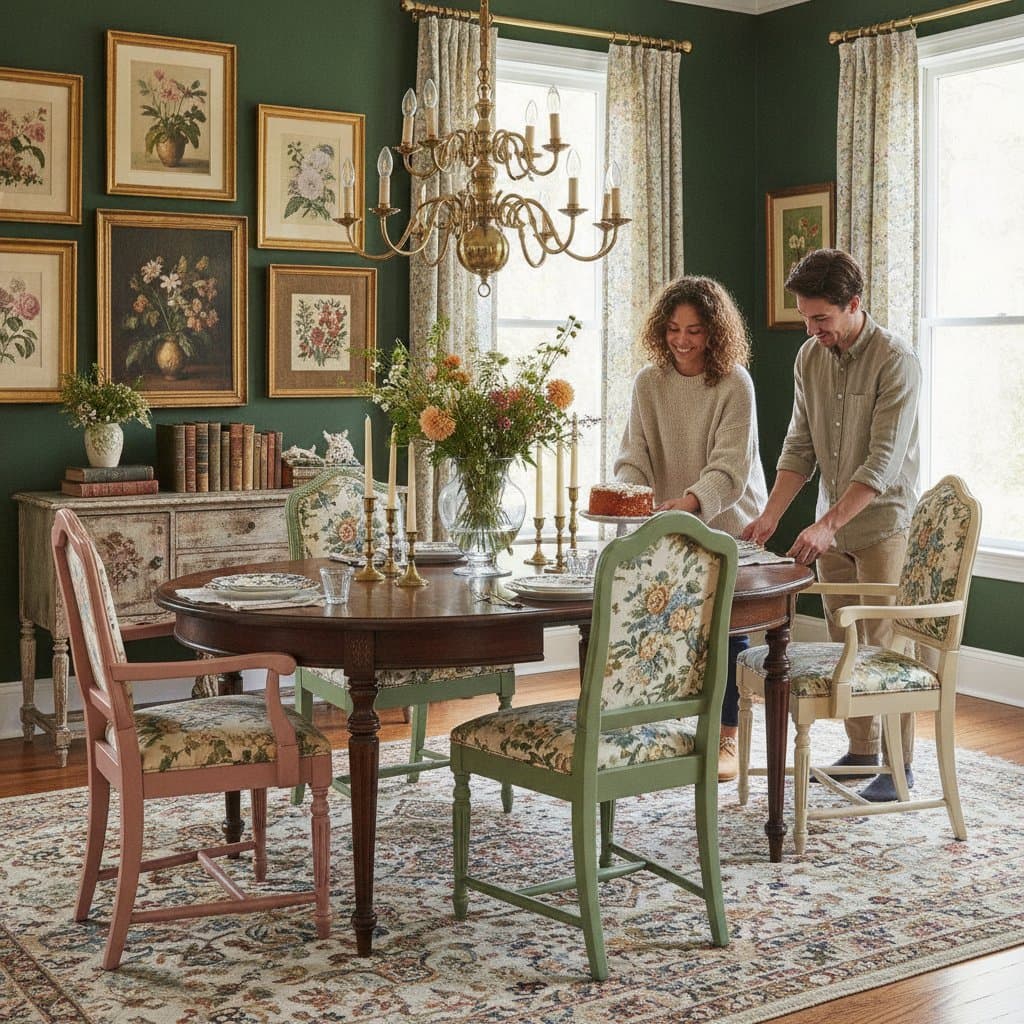
Gen Z homeowners and renters are reviving the grandmillennial dining room by blending vintage charm with modern sensibility. This approach values chintz fabrics, patterned wallpaper, heirloom furniture, and ornate tableware that recall traditional interiors. The style balances nostalgia with sustainability because younger generations source secondhand and refurbished pieces instead of mass-produced decor.
A successful grandmillennial dining room requires intentional planning from color coordination to lighting and layout. The process combines emotional comfort, budget awareness, and technical design strategy for a cohesive and livable result.
Why This Aesthetic Appeals Now
Interior design trends respond to cultural and psychological needs. The grandmillennial dining room reflects a desire for warmth, familiarity, and tactile comfort after years of minimalist interiors. Gen Z is rediscovering the satisfaction of handcrafted wood furniture, embroidered linens, and floral china.
Assess Your Space First
Evaluate existing architecture before any changes. Note ceiling height, window placement, and trim style. Crown molding and wainscoting complement vintage decor naturally while flat walls may need added texture through wallpaper or paneling.
Inspect lighting conditions next. Grandmillennial style benefits from soft layered lighting. Overhead chandeliers and shaded table lamps should balance rather than compete. Inventory current furnishings and identify which pieces can be refurbished or reupholstered. Solid wood furniture often adapts well with new finishes or fabrics.
Measure the space carefully. Record wall lengths, clearances, and table dimensions to ensure proportional balance. Large-scale floral wallpaper can overwhelm a small room if not scaled correctly. Note the existing color palette as well. Warm neutrals, creams, and muted greens or blues form a reliable foundation for vintage layering.
Gather Tools and Materials
A successful project requires both design foresight and logistical organization. Essential tools include a measuring tape, laser level, paint rollers, brushes, wallpaper smoothing tools, fabric scissors, an upholstery stapler, screwdrivers, pliers, fine-grit sandpaper, and wood polish.
Select materials with care. Choose botanical, toile, or chinoiserie wallpaper in soft pastels or jewel tones. Incorporate floral drapery, embroidered table linens, and ruffled chair skirts. Seek mahogany, oak, or walnut dining tables and mix antique chairs with reupholstered seats for comfort. Layer illumination with chandeliers, brass sconces, or pleated-shade lamps. Complete the look with china sets, crystal glassware, and silver or gold-toned flatware.
Allocate your budget into categories for furniture, lighting, wall treatments, and textiles. Prioritize structural improvements before decorative purchases. Source items from estate sales, auction houses, and online marketplaces while verifying structural integrity before purchase.
Follow a Step-by-Step Process
Clean all surfaces thoroughly at the start. Remove dust, grease, and old adhesive from walls and trim. Patch nail holes and sand rough spots. Apply primer suitable for your wall type, especially if you plan to hang patterned wallpaper.
Install wallpaper or apply paint before any furniture enters the room. Measure each panel length carefully and use a plumb line to maintain vertical alignment. Smooth bubbles with a plastic trowel and wipe excess adhesive immediately. If painting, apply two coats of satin or eggshell finish for a subtle reflective glow.
Position the dining table centrally with at least three feet of clearance around it. Anchor the space with a buffet or sideboard along one wall. Add vintage display cabinets for china or glassware. Mount a chandelier centered above the table so the lowest point sits around thirty inches above the tabletop.
Introduce softness through drapery, seat cushions, and table linens. Mix textures intentionally while keeping at least one dominant pattern such as a floral or damask. Arrange accessories with deliberate symmetry. Place candlesticks or floral arrangements along the table centerline and display sentimental items like inherited teacups to personalize the space.
Maintain Balance and Longevity
Check alignment of wallpaper seams to ensure patterns match precisely. Test lighting at different times of day and replace bulbs with warm white tones to preserve the cozy character. Sit at the dining table from multiple angles to confirm leg clearance and chair stability.
Dust frequently with microfiber cloths to prevent buildup on ornate surfaces. Rotate textiles such as chair cushions or table runners to limit fading from sunlight. Polish wood furniture every few months with natural beeswax or mineral oil. Keep humidity stable to protect wooden furniture and prevent peeling of wall treatments.
Practical Tips for Lasting Results
Mix periods deliberately by combining Victorian chairs with mid-century lighting to create contrast that keeps vintage decor fresh. Use a dimmer switch to adjust mood from formal dining to casual gatherings. Invest in quality textiles because high-grade drapery and upholstery elevate even secondhand furniture.
Balance sentimentality with utility by displaying meaningful heirlooms while keeping tabletops clear enough for daily use. Document your process with fabric swatches, paint samples, and budget notes for future updates.
The grandmillennial dining room reflects a thoughtful design philosophy that values craftsmanship, sustainability, and emotional connection. Approach the project as both designer and caretaker. Plan carefully, execute methodically, and maintain attentively to create a space that feels timeless and supports a sustainable modern lifestyle.