Content Editing Checklist
- Refine language to be authoritative yet conversational while eliminating generic phrasing
- Expand the draft with specific, actionable guidance on selection, measurement, and installation
- Restructure for logical progression from concepts through practical steps to benefits
- Enforce paragraph limits, varied sentence rhythm, and strict punctuation standards
- Confirm all reader-facing copy remains self-contained with no external references
Acoustic Panels That Improve Sound While Decorating Walls
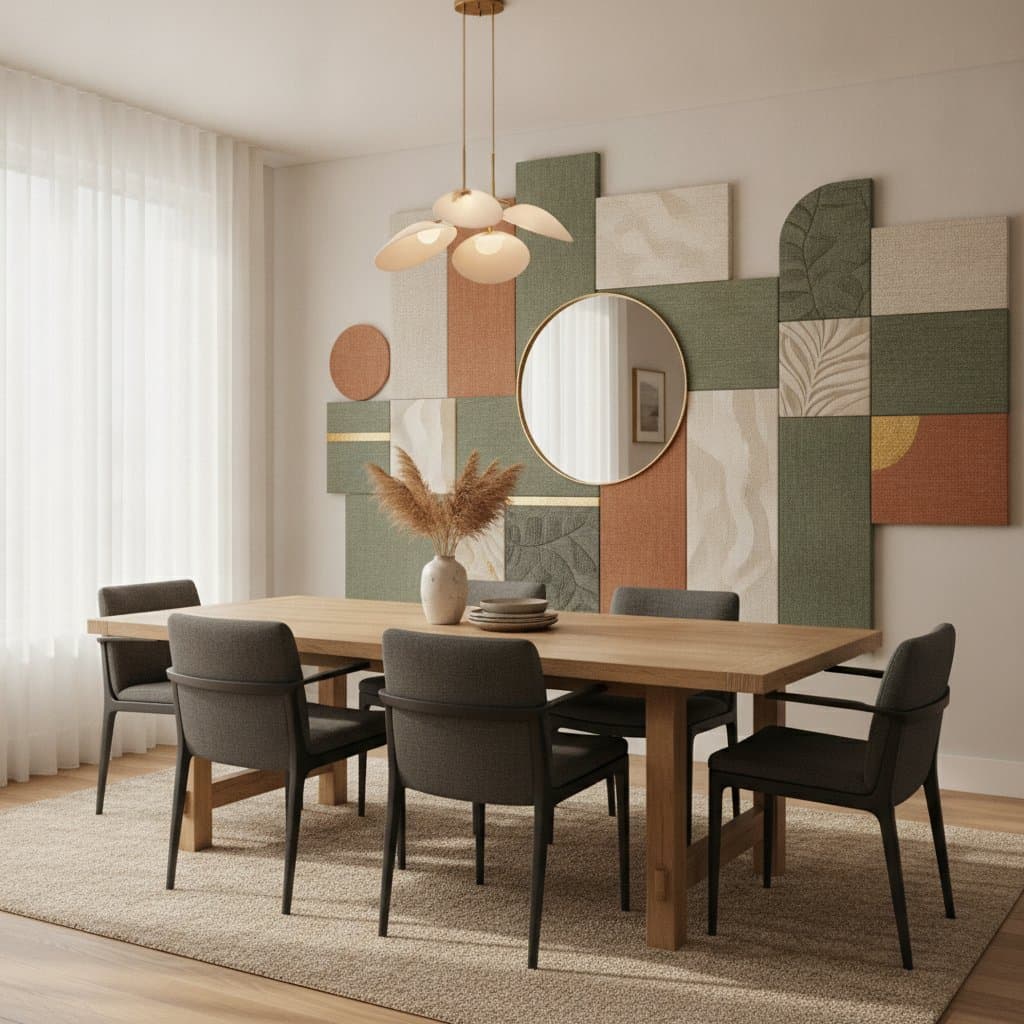
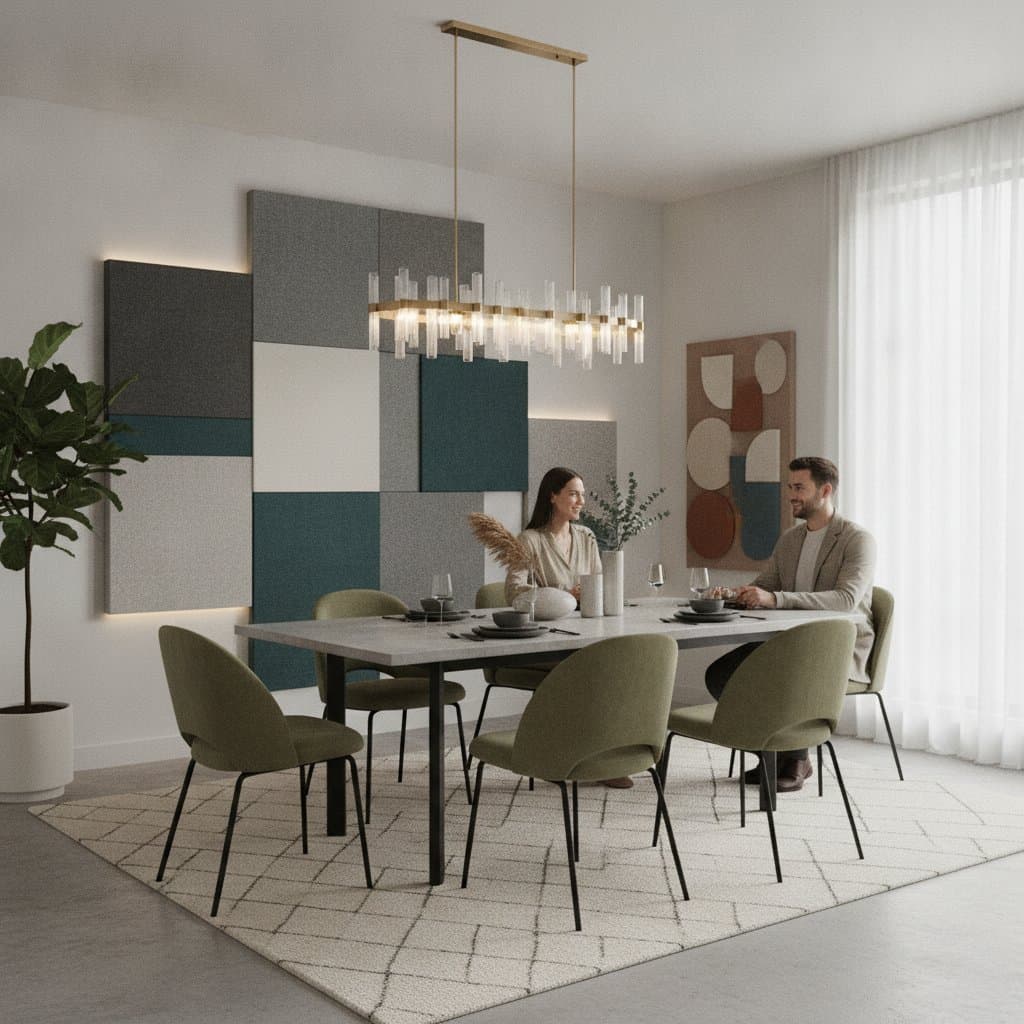
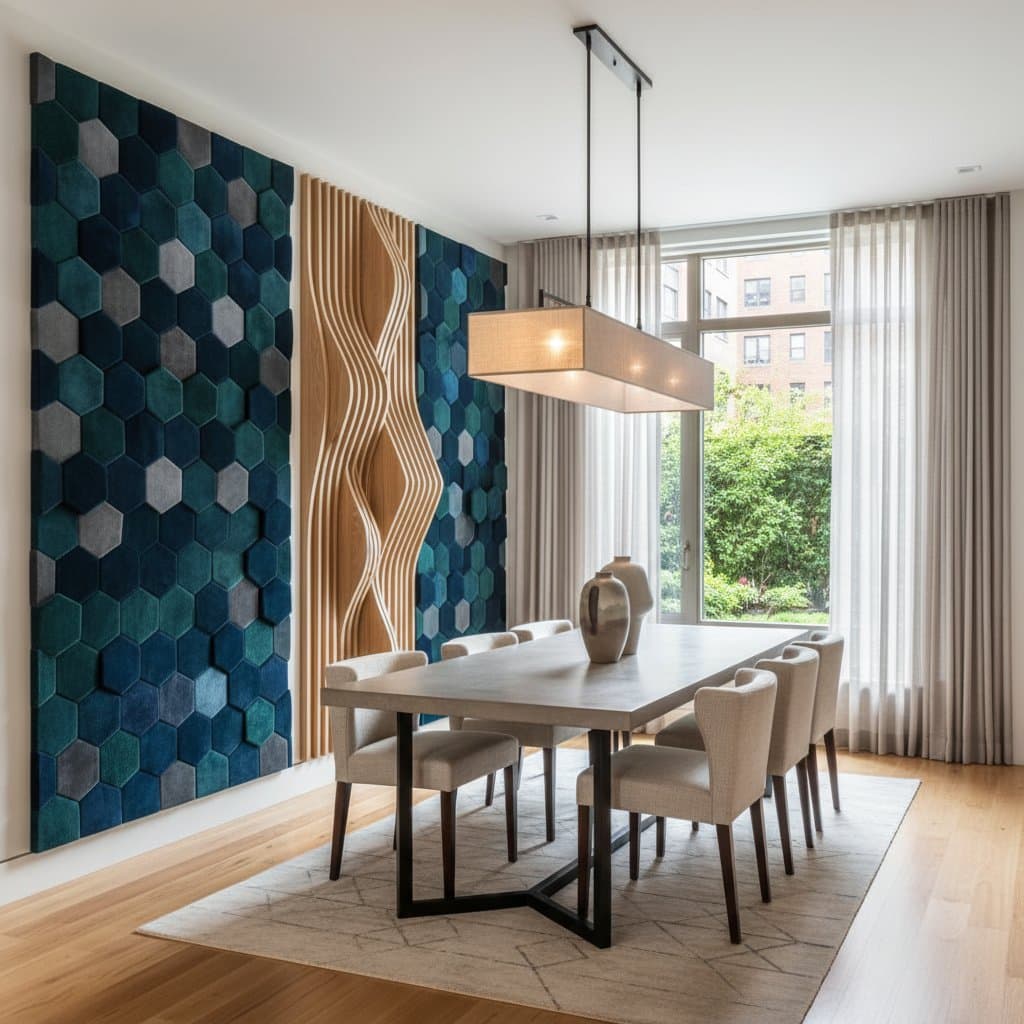
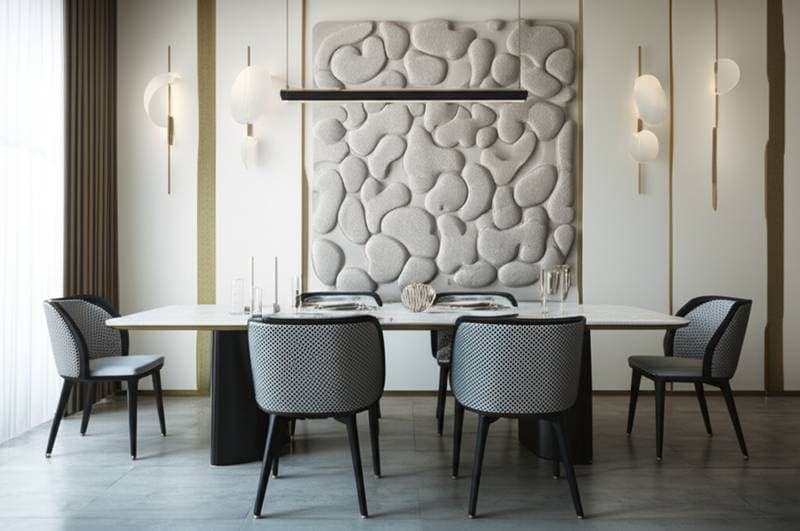
Acoustic panels serve a dual purpose in dining rooms. They reduce unwanted echo and reverberation while contributing visual interest to the walls. Proper selection begins with understanding room dimensions and typical occupancy levels.
Understanding Acoustic Needs in Dining Spaces
Hard surfaces such as wood floors, glass tables, and bare walls reflect sound waves. This reflection creates overlapping noise that obscures conversation. Panels with a noise reduction coefficient of 0.7 or higher absorb sufficient mid and high frequencies to restore clarity.
Selecting Panels That Balance Performance and Design
Fabric wrapped panels offer the widest range of colors and textures. Choose woven materials that complement existing upholstery or artwork. Wood slat designs with acoustic backing provide a more architectural appearance while maintaining absorption.
Verify that the core material consists of rigid fiberglass or mineral wool rather than open cell foam. These cores maintain shape over time and resist sagging. Request fire rating documentation when panels will be installed near kitchens or candles.
Measuring and Planning Layout
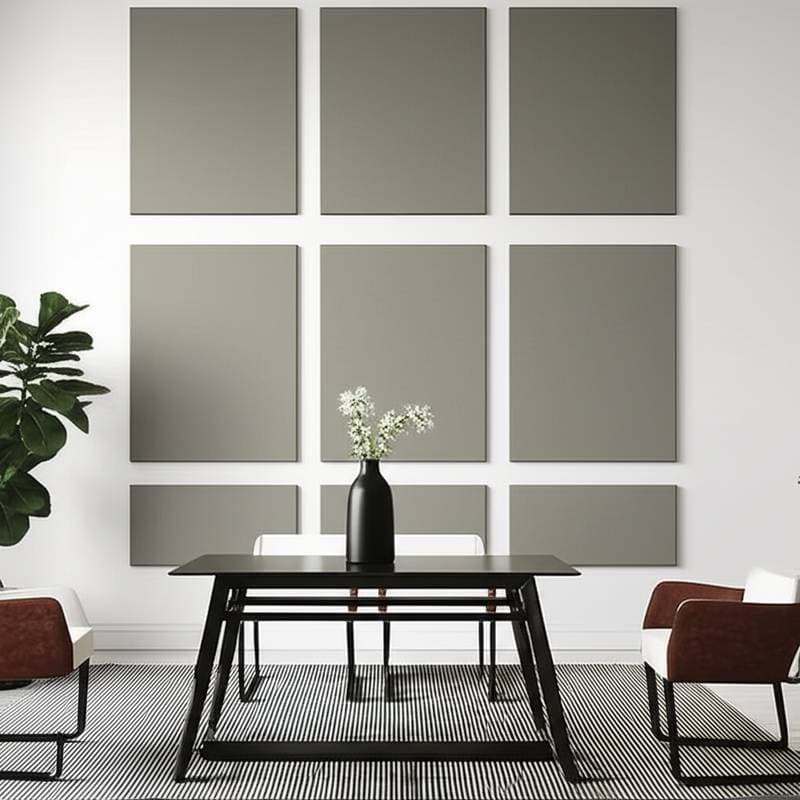
Create a scaled sketch of each wall. Mark window and door locations plus any existing artwork that will remain. Arrange panels in balanced groupings rather than random placement. Maintain consistent spacing of 4 to 6 inches between panels to create visual rhythm.
Account for electrical outlets and light switches by leaving a minimum 3 inch clearance. This prevents interference with daily use while preserving acoustic coverage.
Installation Techniques for Durable Results
Use French cleats or Z-clips for secure mounting that allows future repositioning. Locate studs with an electronic finder before drilling. Toggle bolts provide reliable support on drywall when studs are unavailable.
Apply removable adhesive strips behind lighter panels as a temporary positioning aid. Once the panel is level, drive mounting screws through the cleat into the wall. Check each installation with a level before final tightening.
Maintaining Visual Harmony Over Time
Rotate seasonal artwork or swap fabric covers on modular systems to refresh the dining environment. Vacuum panels quarterly with a brush attachment to prevent dust buildup that can reduce absorption efficiency.
Inspect mounting hardware annually for loosening caused by seasonal humidity changes. Tighten screws as needed to maintain both safety and acoustic performance.
Practical Outcomes for Daily Use
Clearer conversation reduces the need to raise voices during meals. Reduced background noise also improves the experience of background music or video calls conducted at the dining table. The panels integrate into the existing décor rather than appearing as afterthoughts.