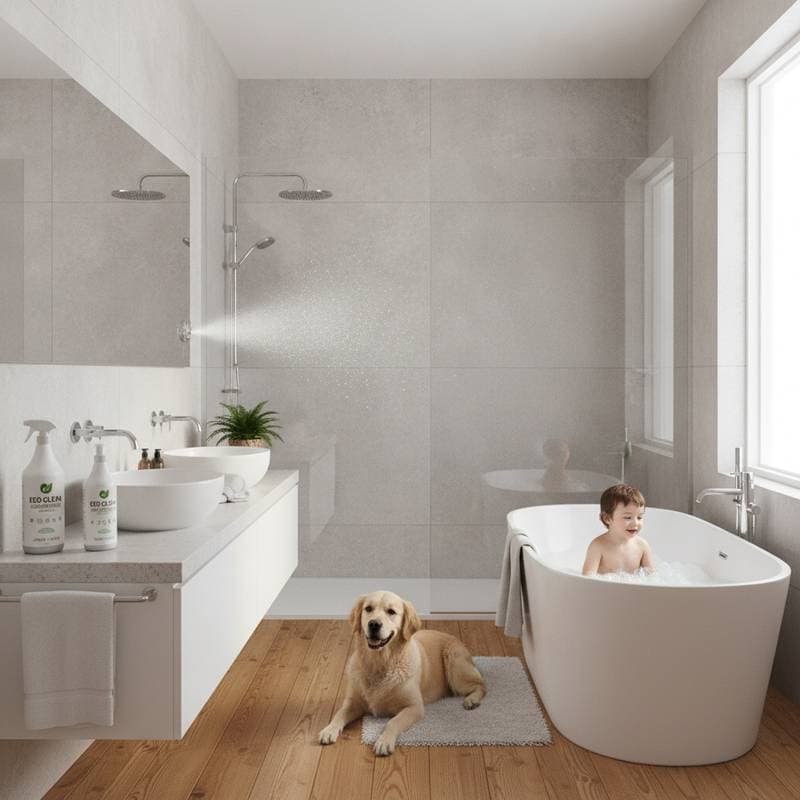
Steam Clean Your Entire Home Without Any Chemicals
When sunlight reveals every streak and speck, the usual spray bottle prompts a pause. Its label lists compounds better suited to industrial settings than household surfaces. Residue from those products lingers on floors where children play and counters where food is prepared. Water heated into steam offers a direct alternative that removes soil without added substances.
Core Advantages
- Steam cleaning relies solely on water to sanitize and lift debris from multiple surfaces.
- Elevated temperatures destroy bacteria, dissolve grease, and eliminate odors without residue.
- Interchangeable attachments adapt one unit to floors, fabrics, kitchens, and bathrooms.
- Reduced purchases of bottled products lower both recurring costs and packaging waste.
- Proper preparation includes surface testing and use of distilled water to protect the equipment.
Growing Preference for Minimal Cleaning Methods
Homeowners increasingly examine every product that enters living spaces. They seek visible results without introducing unnecessary compounds. Steam appliances have gained steady attention because they combine measurable heat with straightforward operation.
Professionals who maintain film sets and high-end wardrobes adopted the same tools years ago. Handheld units freshen upholstery between takes, while larger models restore tile and fixtures without harsh odors. The same process now serves everyday households seeking comparable standards.
How Steam Removes Soil and Microorganisms
A compact boiler raises water to vapor and directs it through a nozzle under controlled pressure. The expanding vapor penetrates small gaps, softens embedded grime, and carries loosened particles to the surface for wiping. Sustained contact above boiling temperature disrupts cell structures of many common bacteria and dust mites.
Because the process uses only heat and moisture, no synthetic fragrance or surfactant remains. Surfaces dry free of film that would otherwise attract new dust.
Practical Applications by Room
Hard Flooring
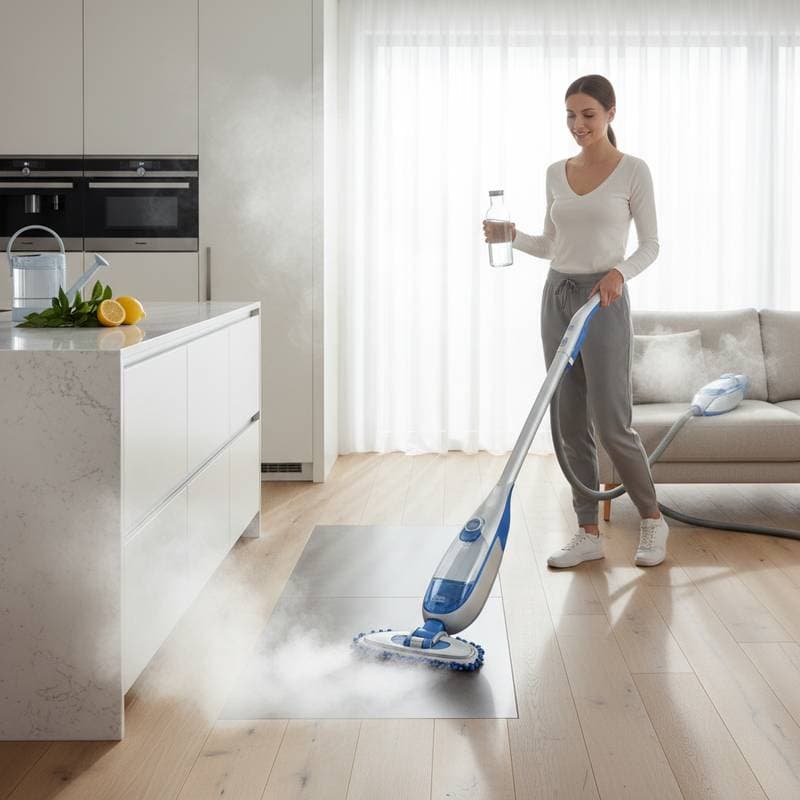
Sealed hardwood, tile, vinyl, and laminate accept steam when the mop head stays in motion. Short passes loosen dried spills and soap film that conventional mopping leaves behind. Carpet attachments on select models agitate fibers and reduce musty smells without saturation.
Kitchen Surfaces
Targeted bursts soften baked-on spills on range tops and inside ovens. Cabinet fronts and backsplashes release fingerprints after brief exposure. A follow-up microfiber cloth collects residue and excess moisture, leaving counters ready for food preparation.
Bathroom Fixtures
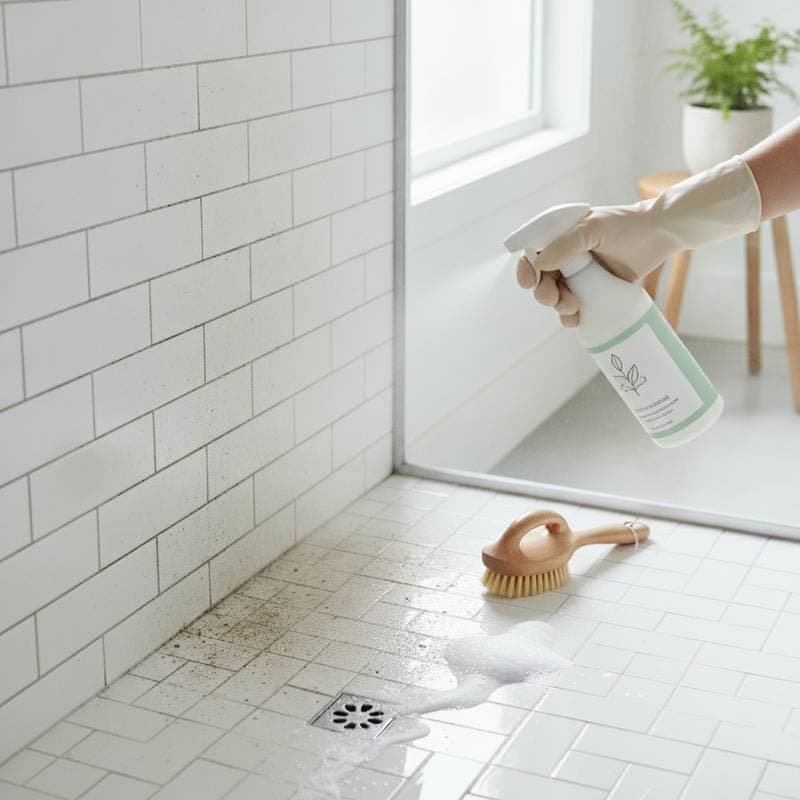
Soap scum on glass and mineral deposits in grout respond to narrow steam jets. The same heat disinfects toilet seats and handles. Tight spaces around faucets and drains receive focused treatment without aerosol mist.
Upholstery and Bedding
Handheld models refresh sofa cushions, vehicle seats, and draperies. Nozzle distance of several inches prevents overwetting while heat neutralizes odors and mites. Mattresses benefit from light passes that freshen the sleep surface between full rotations.
Glass and Mirrors
Steam dissolves fingerprints on windows and shower enclosures. A squeegee or dry microfiber cloth completes the process, eliminating streaks that ammonia sprays often produce.
Selecting Equipment for Household Needs
Handheld units suit quick touch-ups and detailed work. Canister models supply sustained pressure for larger areas. Steam mops address daily floor maintenance, while multi-function kits bundle brushes and squeegees for varied tasks. Adjustable output, rapid heat-up, and removable tanks simplify repeated use. Distilled water prevents scale accumulation inside the boiler.
Safe Operation and Effective Technique
Allow surfaces to cool before contact. Skip unsealed wood, delicate silks, and finishes prone to blistering. Perform a small test on any new material. Disconnect power before refilling or swapping accessories. Keep children and pets clear of the work area.
Move the tool steadily so heat contacts soil long enough to loosen it, yet moisture does not pool. Wipe immediately with a dry cloth to capture lifted debris and leave a dry finish.
Resource Savings Over Time
One tank of water covers several rooms. Reusable microfiber pads replace single-use wipes and reduce plastic container purchases. Households report lower annual spending on cleaning supplies after the initial equipment investment. Indoor air quality improves when synthetic residues no longer circulate.
Situations Where Steam Delivers Immediate Results
A spilled drink on tile disappears after one slow pass. Paw prints on a low-pile rug lift without leaving damp spots. Seasonal tasks such as blind cleaning or pet-bed refreshment finish faster than with manual scrubbing alone.
Building a Consistent Maintenance Schedule
Begin with one persistent area, such as shower grout or range hood edges. Observe how quickly results appear, then add adjacent surfaces. Over successive weeks the routine expands naturally, replacing multiple product categories with a single appliance and water.