Grandmillennial Gardens Blend Nostalgia with Modern Flair
The rise of grandmillennial gardens reflects a desire for spaces that feel rooted and personal. These gardens combine the romance of English cottage styles with contemporary self expression. The result honors tradition while incorporating fresh, practical elements that suit current lifestyles.
Defining the Grandmillennial Garden Style
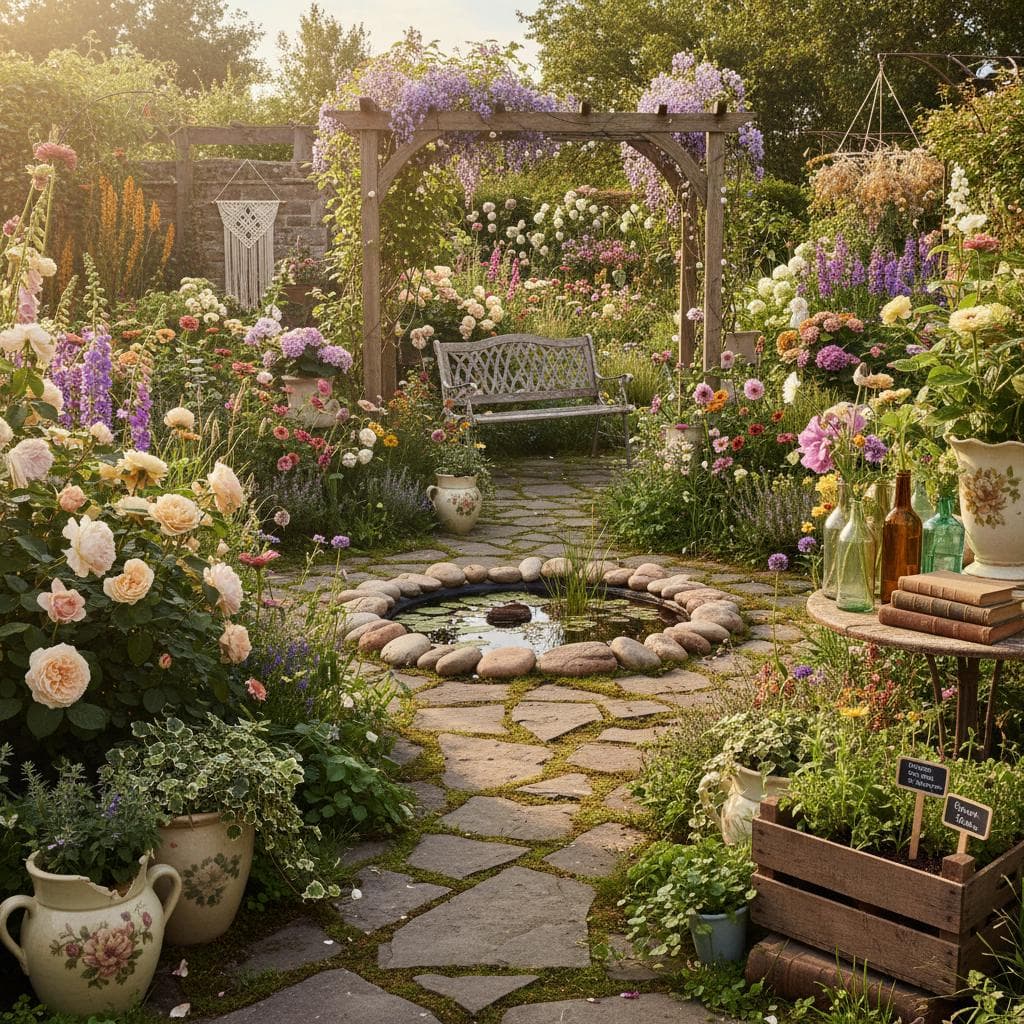
A grandmillennial garden merges cottage core elements with modern sensibility. Layers of perennials fill borders, and window boxes overflow with seasonal blooms. Native plants grow alongside heirloom varieties to create abundance without rigid structure.
This approach rejects minimalist restraint in favor of meaningful detail. Climbing roses share space with pollinator friendly wildflowers. Reclaimed containers sit next to patterned ceramic pots. The overall effect celebrates imperfection and personal history.
Nostalgia as a Design Foundation
Gen Z Influence on Traditional Elements
Young gardeners adapt cottage core ideas through sustainable practices. They build raised beds from reclaimed wood and paint rain barrels with floral designs. Old teacups serve as herb planters. These choices emphasize reuse over new purchases.
Playful details add personality. A classic fence receives mismatched paint tones. Vintage gnomes appear with modern accessories. The emphasis stays on individual expression rather than uniformity.
Core Design Principles
Follow these principles to achieve the style.
- Layer plants by height. Place tall delphiniums behind mid level foxgloves and low creeping thyme.
- Combine materials from different eras. Position a weathered iron chair near a concrete planter.
- Select a soft base palette of dusty rose, butter yellow, and sage green. Add cobalt pots or coral zinnias for contrast.
- Incorporate varied textures such as glossy leaves, rough stone, and linen cushions.
- Choose decor items with personal stories, including inherited tools or framed vintage seed packets.
Environmental and Practical Benefits
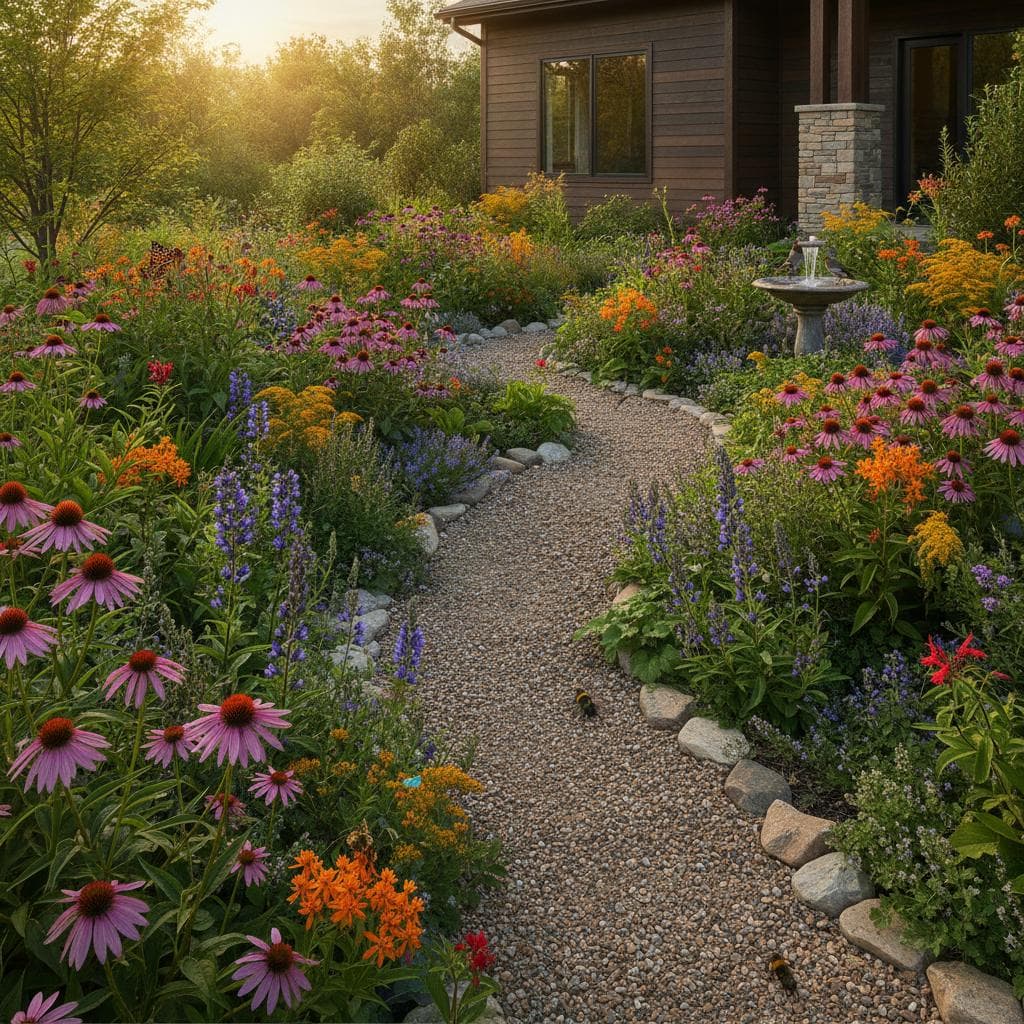
The style supports sustainability through repair and seed swapping. Gardeners avoid frequent replacement of pots or furniture. Pollinator plants such as lavender and echinacea attract bees and butterflies.
Maintenance remains straightforward. Deadhead spent blooms regularly. Refresh mulch each season. Allow some vines to grow naturally while trimming those that encroach on paths.
Avoiding Common Design Pitfalls
Overcrowding limits plant health. Provide adequate spacing during initial planting. Clashing elements disrupt visual flow. Select a unifying color or material when mixing old and new pieces.
Limit decorative objects to a few meaningful items. Excess trinkets create clutter. The finished space should reflect the gardener rather than imitate a photograph.
Building Community Connections
Gardeners exchange seeds and cuttings through local groups and online forums. These exchanges strengthen both the aesthetic and social aspects of the practice. Shared knowledge helps new participants develop their own versions of the style.
Starting Your Garden Project
Begin with one container that layers flowers in a vintage style pot. Expand by adding sentimental plants and textured furnishings. Let the design evolve as plants mature and personal preferences shift.
Focus on elements that create a sense of belonging. The garden becomes a living record of memory and growth.