Acoustic Garden Walls for Effective Outdoor Noise Reduction
Urban residents seek quiet outdoor spaces, yet traffic and neighborhood sounds often intrude. Acoustic garden walls address this issue through specialized materials that absorb and deflect sound waves. These structures combine practical noise control with visual appeal.
Noise Challenges in Modern Gardens
Denser housing has increased awareness of how sound affects relaxation. Traditional fences block sight lines but allow sound to pass or reflect. Acoustic walls use dense cores paired with porous surfaces to reduce noise transmission.
Designers now integrate timber composites, stone, and plant layers to achieve both performance and style. This approach creates noticeable quiet without industrial appearances.
Sound Reduction Principles
Sound waves reflect, absorb, or scatter upon contact with surfaces. Effective barriers employ layered construction with a dense core such as concrete or recycled rubber. Softer outer panels then absorb remaining energy.
Green Acoustic Wall Systems
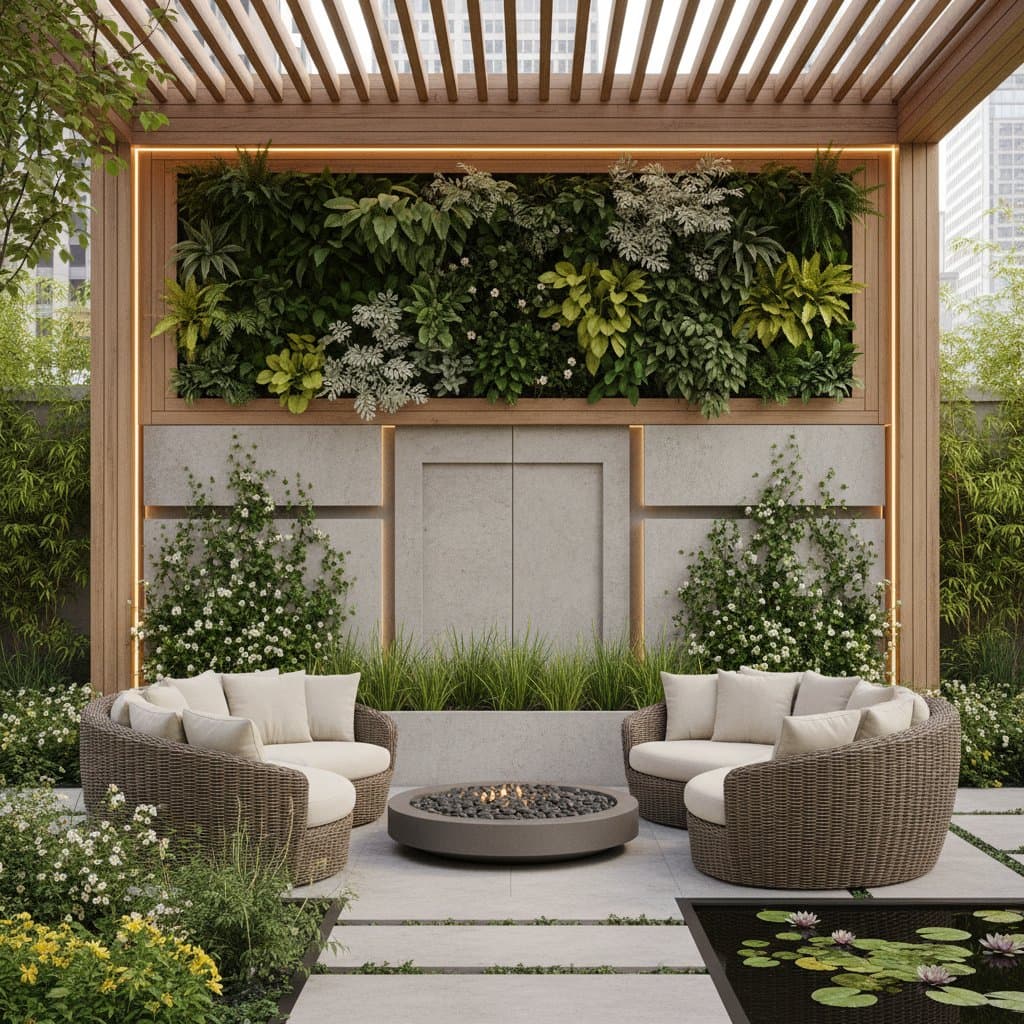
Living sound barriers combine acoustic panels with vertical planting. Foliage absorbs additional sound energy while improving air quality. Modular systems support climbers such as ivy or jasmine for seasonal texture.
These installations deliver emotional benefits alongside functional results. They transform barriers into dynamic garden features that evolve throughout the year.
Material Selection Guidance
- Timber composite panels provide a natural appearance and moderate absorption suitable for varied garden styles.
- Recycled rubber blocks low-frequency traffic noise and offers durability with environmental advantages.
- Concrete or brick reflects sound effectively yet requires softer additions to avoid echo.
- Perforated metal screens deliver a modern aesthetic with acoustic perforations.
- Plant facades add organic absorption when layered over any base material.
Match selections to primary noise frequencies. High-pitched voices differ from low rumbles, so consultants can refine choices for specific sites.
Alternative Noise Mitigation Steps
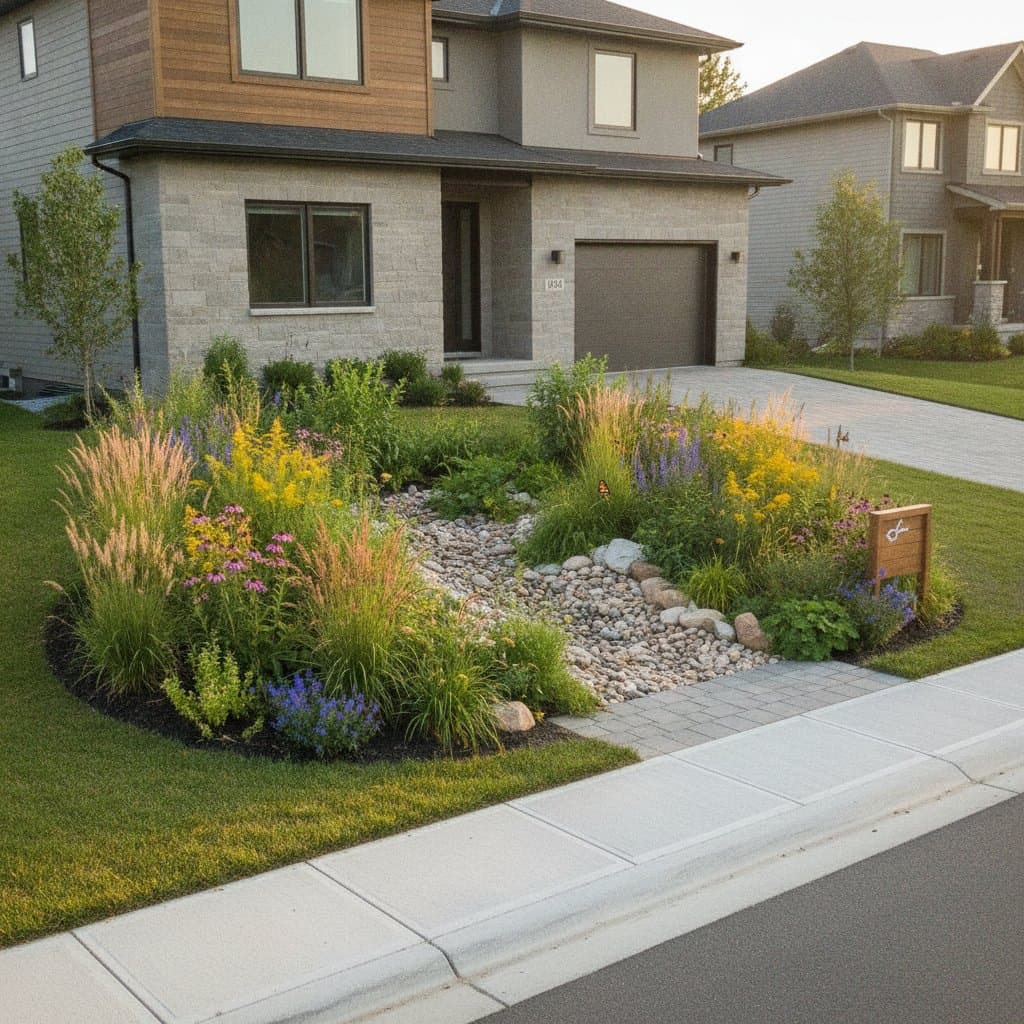
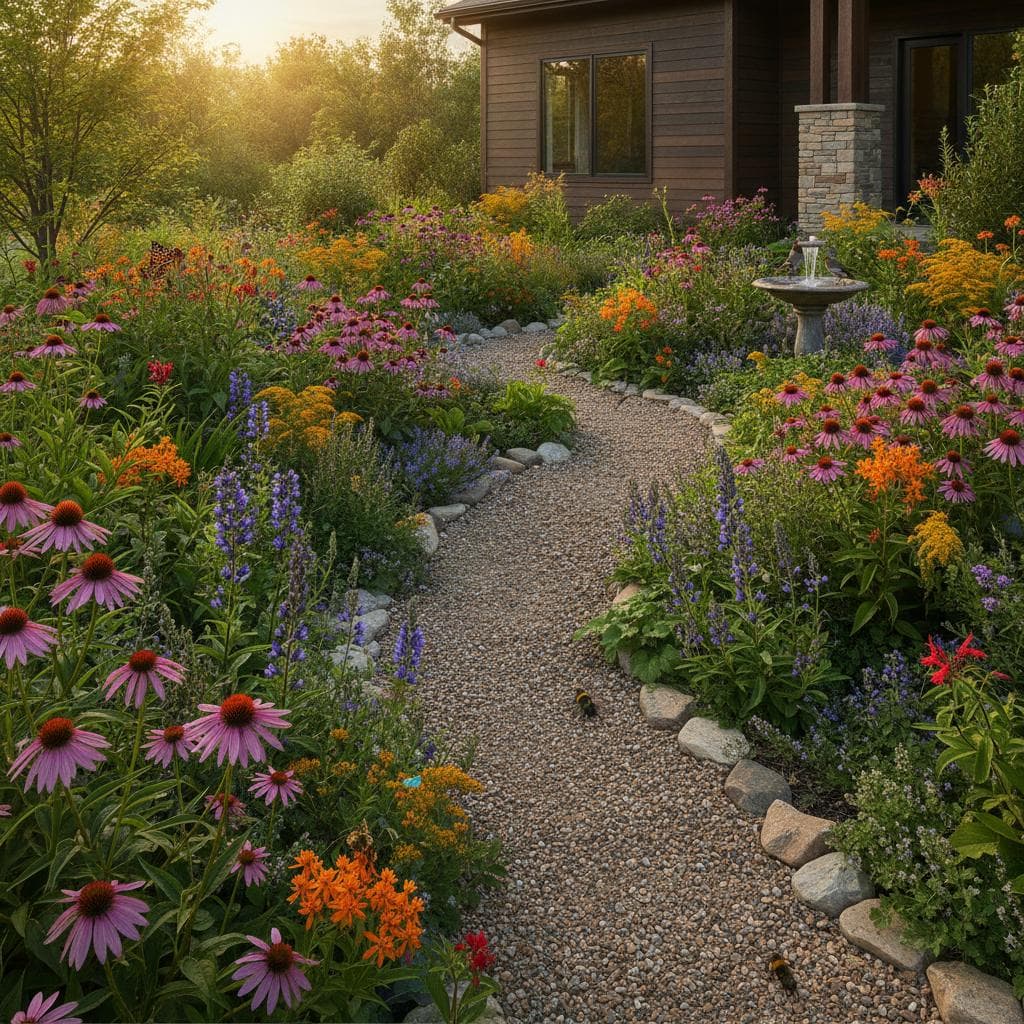
Layer dense shrubs such as laurel or photinia to form natural buffers. Introduce water features that mask distant sounds with pleasant background noise. Position seating away from sources and add textiles on patios to reduce reflections.
These measures improve comfort without full wall construction.
Design Integration Strategies
Acoustic walls function best as intentional landscape elements. Contemporary homes pair well with smooth panels in neutral tones. Traditional settings benefit from textured stone or timber finishes.
Scale remains critical. Oversized structures can dominate small spaces, so partial panels combined with greenery maintain openness while controlling sound.
Ongoing Care Requirements
Timber needs periodic staining, while metal and composites require only occasional cleaning. Living walls benefit from irrigation systems that support consistent plant health and acoustic performance.
Modular designs allow individual section replacement, extending overall service life.
Daily Benefits of Controlled Sound
Installed walls immediately enhance garden usability. Natural sounds become more prominent, and previously avoided areas turn into preferred seating spots. Homeowners report increased outdoor time for meals and relaxation.
Start by mapping noise sources, then select solutions scaled to garden size. Both modest plantings and full installations improve livability through combined beauty and function.