Living Moss Walls: A Premier Front Yard Innovation
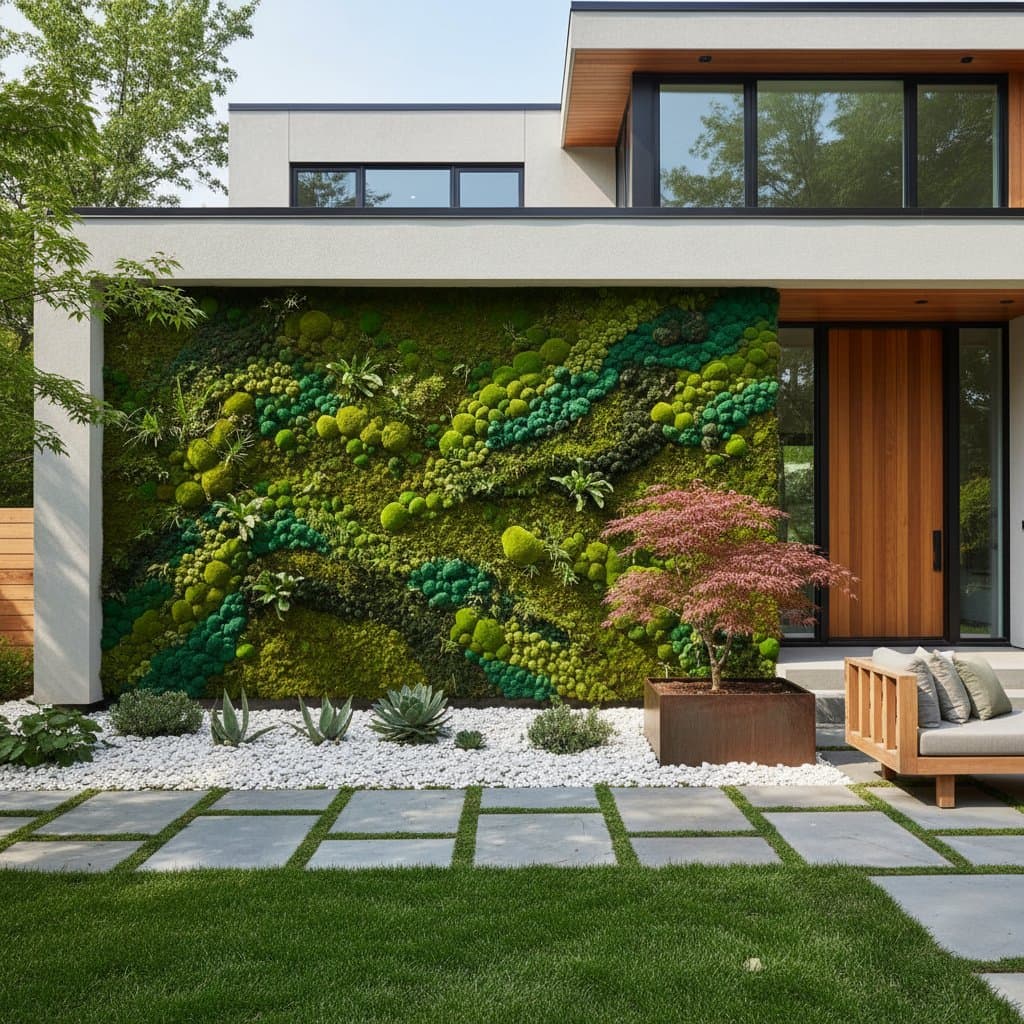
Homeowners today desire unique features that set their properties apart. A living moss wall stands out with its lush, organic texture, offering a superior alternative to traditional lawns or potted plants. This element brings serenity and sophisticated style to otherwise plain entryways.
The attraction stems from its alignment with nature and simple maintenance. Moss walls support sustainability through low resource use, and they fit various environments, from city row houses to spacious suburban estates. Designers and residents commend their capacity to add fresh energy to outdoor spaces.
This guide explores the essentials of living moss walls and delivers clear steps for incorporating one into your front yard.
Fundamentals of Living Moss Walls
- Live moss walls. These feature growing moss that responds to changes in moisture and light, allowing natural spread over time.
- Preserved moss walls. Treated real moss maintains its look and color forever, requiring no watering or sunlight.
Live walls provide genuine, evolving growth perfect for outdoor use, while preserved versions work well in dim or indoor areas with no care required. For front yard setups, live moss proves durable and aids local ecosystems by attracting insects and cleaning air.
Choose based on your local weather. In cooler areas, sheet moss (Hypnum curvifolium) does well in shade and damp spots, and cushion moss (Leucobryum glaucum) handles some direct light. Visit nearby plant specialists to find moss suited to your region for best results.
Tailoring a Moss Wall to Your Architecture
Successful moss wall designs complement your home without overwhelming it. Start by identifying spots that offer the greatest visual impact, factoring in street views and harmony with nearby features.
Target these key locations:
- Entryway enhancement. Place a moss panel beside the door or walkway to form a welcoming, gentle entrance that guides guests inside.
- Perimeter definition. Add moss to parts of fences or low walls to create a smooth, modern edge that connects the yard to the house.
- Accent backdrop. Set moss behind highlights like house numbers or lights to make them stand out against a soft, natural layer.
Balance the design by matching size to your space. On small fronts below 200 square feet, use 10 to 20 square feet of moss to keep it subtle. For bigger areas, go up to 50 square feet, but limit moss to 30 percent of the surface for overall harmony.
Blend in other materials for added depth. Combine moss with aged wood for a cozy feel, smooth stone for a sleek look, or rusted steel for an urban touch. These pairings turn the moss into a deliberate, artistic statement.
Draw rough plans on grid paper or use software such as SketchUp. Take exact measurements of the wall, including space for water lines if applicable, and test ideas with temporary panels to check the overall effect before committing.
Pitfalls to Sidestep in Moss Wall Projects
Even well-intended projects can stumble without proper foresight. Too much water stands as a common issue, as it encourages mold and weakens the structure; mist every three to five days, adjusting for rain in your area.
Poor air flow causes problems too. Choose bases with at least 20 percent open space to encourage circulation and avoid conditions that damage the moss.
Pay attention to sunlight. Moss prefers filtered light; strong midday rays can burn sensitive types, so track light patterns over two weeks using a phone app or notes to confirm suitability.
Picking the wrong moss type can derail efforts. Study needs carefully: skip dry-adapted reindeer moss in wet zones and choose moisture-preferring fern moss (Thuidium delicatulum) instead. Buy from reputable sources to ensure healthy stock.
Plan extra costs, like sun-resistant sprays for brighter spots, to handle unexpected challenges.
Experiencing the Evolution of Your Moss Wall
Once in place, a moss wall changes how you engage with your home. Its soft texture and subtle soil scent create a deep calm, softening the edges of solid structures with gentle life.
Watch for changes as time passes: after showers, colors deepen to bright green; in evening light, a faint shimmer appears. This natural shift keeps the wall interesting, responding to weather without extra work.
Practical gains build quietly. Moss captures carbon and cools nearby spots by as much as five degrees Fahrenheit via water release. Many owners note improved mood from this close connection to nature.
Implementing Your Moss Wall Vision
Move from idea to installation with focused actions. Obtain supplies from suppliers focused on green practices, selecting certified wood frames and responsibly sourced moss.
Clean the area first and add a basic watering setup if natural dampness falls short; short bursts twice a week work in average weather. Fasten the base with rust-proof hardware, checking for even placement to support steady growth.
Check monthly, snipping stray bits with small scissors and feeding with a weak kelp solution mist. Over six to twelve months, the wall blends into your landscape, delivering lasting beauty with little ongoing effort.