Wildflowers Reshape Cottagecore Gardens for 2026
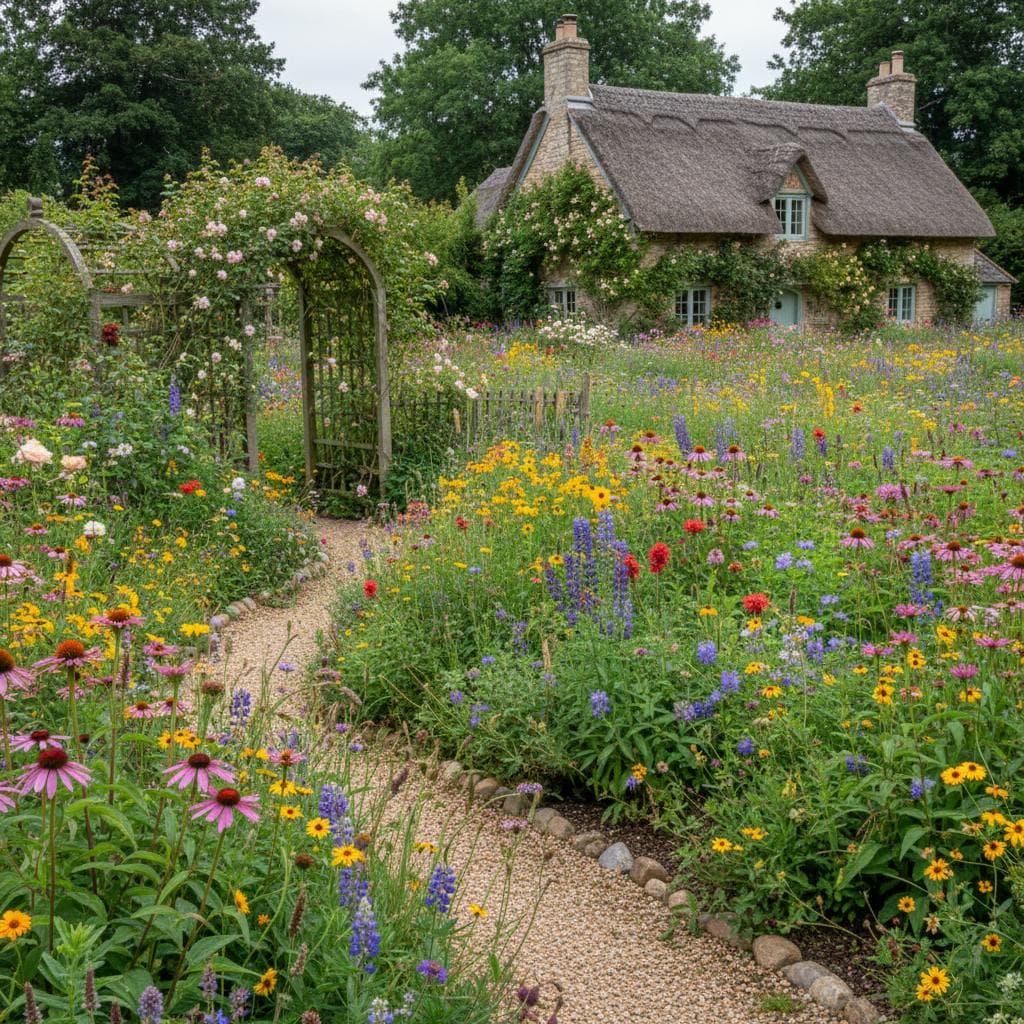
Cottagecore gardens gain a vibrant refresh, placing wildflowers center stage. This enduring style, rooted in pastoral simplicity, now embraces greater spontaneity and a laid-back vibe. Gardeners drawn to romantic settings, easy maintenance, and ecological perks discover a perfect fit in wildflowers that take the lead.
Wildflowers offer more than visual appeal. They transform cottage garden layouts with softer contours, natural expansion, and reduced demands on time. This modern take on cottagecore combines beauty with purpose, proving that the liveliest scenes arise from letting nature guide the way.
Why Wildflowers Fit Modern Cottagecore
Cottagecore celebrates imperfection, unhurried rhythms, and quiet details. Wildflowers capture this spirit with their independent thriving, organic space-filling, and energy they bring to any setting.
Start Small with Wildflower Patches
If committing to a full garden redesign feels daunting, begin with small wildflower areas called mini meadows. Choose a sunny spot, perhaps along a fence line or between stepping stones, and let the plants grow freely.
Pick a seed mix suited to your region. Local garden centers often stock native blends with plants such as Echinacea purpurea (coneflower), Rudbeckia hirta (black-eyed Susan), and Achillea millefolium (yarrow). Scatter the seeds over tilled soil, lightly rake them in, and water gently at first. Seedlings appear in a few weeks, soon followed by colorful blooms.
Aaron Mills, a designer from Willow Path Gardens, explains, "Even a 3-by-3-foot patch can change your whole yard. You do not need vast expanses to capture that magical, wild feel."
Once established, expand gradually. Let the wildflowers blend in naturally, without strict borders. Treat the planting like an artful mix of colors and shapes, guided by instinct rather than rules.
Balance Structure and Wild Freedom
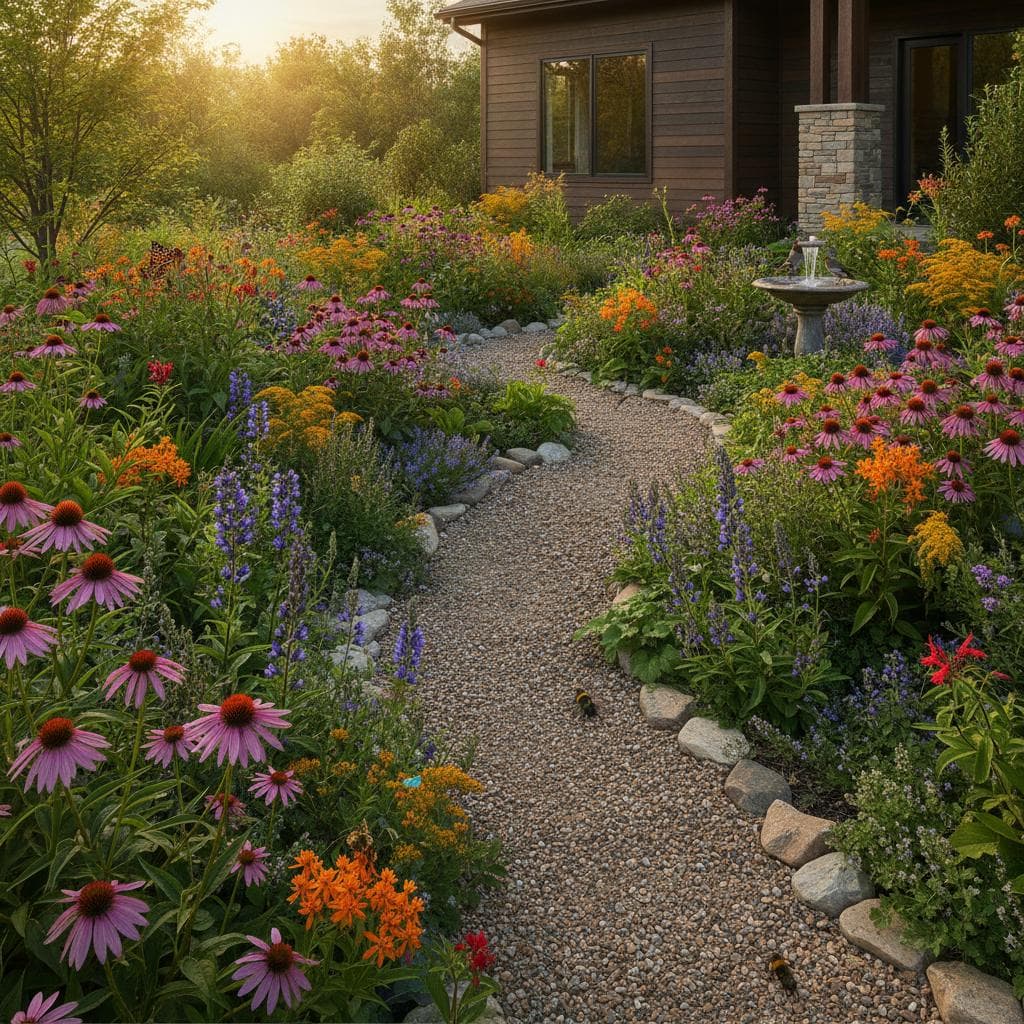
The magic of wildflower gardens comes from their sense of release. Too much chaos, though, can seem sloppy instead of intentional. Strike a balance by pairing wild areas with structured elements like stone borders, neatly trimmed hedges, or defined paths.
Raised beds, gravel walkways, and trellises for climbers provide anchors. Placed next to looser wildflower zones, they create a dynamic contrast between order and whimsy.
Lila Nguyen, from Hearth & Hill Design, advises, "Cottagecore shuns messiness. It seeks soft purpose. A simple edge or trimmed path through tall blooms gives the eye a rest."
This approach eases maintenance too. Clear routes allow easy access for weeding or watering without harming delicate plants. The choices improve both looks and practicality.
Layer for Depth with Color and Height
Wildflower designs shine with layers rather than rows. Place taller plants like Digitalis purpurea (foxglove) or Alcea rosea (hollyhock) at the back for elevation. Fill the middle with mid-height choices such as Cosmos bipinnatus or Coreopsis verticillata. Use low growers like Matricaria recutita (chamomile) and Trifolium repens (clover) along the edges.
Stagger bloom times for ongoing appeal. Early bloomers including Aquilegia vulgaris (columbine) and Linum lewisii (blue flax) kick things off in spring. Summer stars like Monarda didyma (bee balm) keep the show going. Fall options such as Aster novae-angliae (New England aster) and Solidago spp. (goldenrod) wrap up the season.
Choose soft shades of pink, white, and blue for calm, or add bold oranges and purples for energy. Nature takes care of the blending. Plant generously, focusing on abundance over exact placement.
Choose Natives for True Authenticity
Native wildflowers anchor refreshed cottagecore designs. Tuned to local conditions, they use less water, fend off pests, and handle weather shifts well. They also support area-specific pollinators and wildlife that have adapted alongside them.
Research options for your area. Sun-drenched prairie flowers work in bright spots, while shade-loving woodland types suit cooler areas. Check with local nurseries or conservation groups for native lists and reliable seed mixes.
Maren Ellis, founder of Earthbound Home, emphasizes, "Native wildflowers go beyond looks. They restore over-tended or chemical-treated lawns. They remind us that gardens link to larger ecosystems."
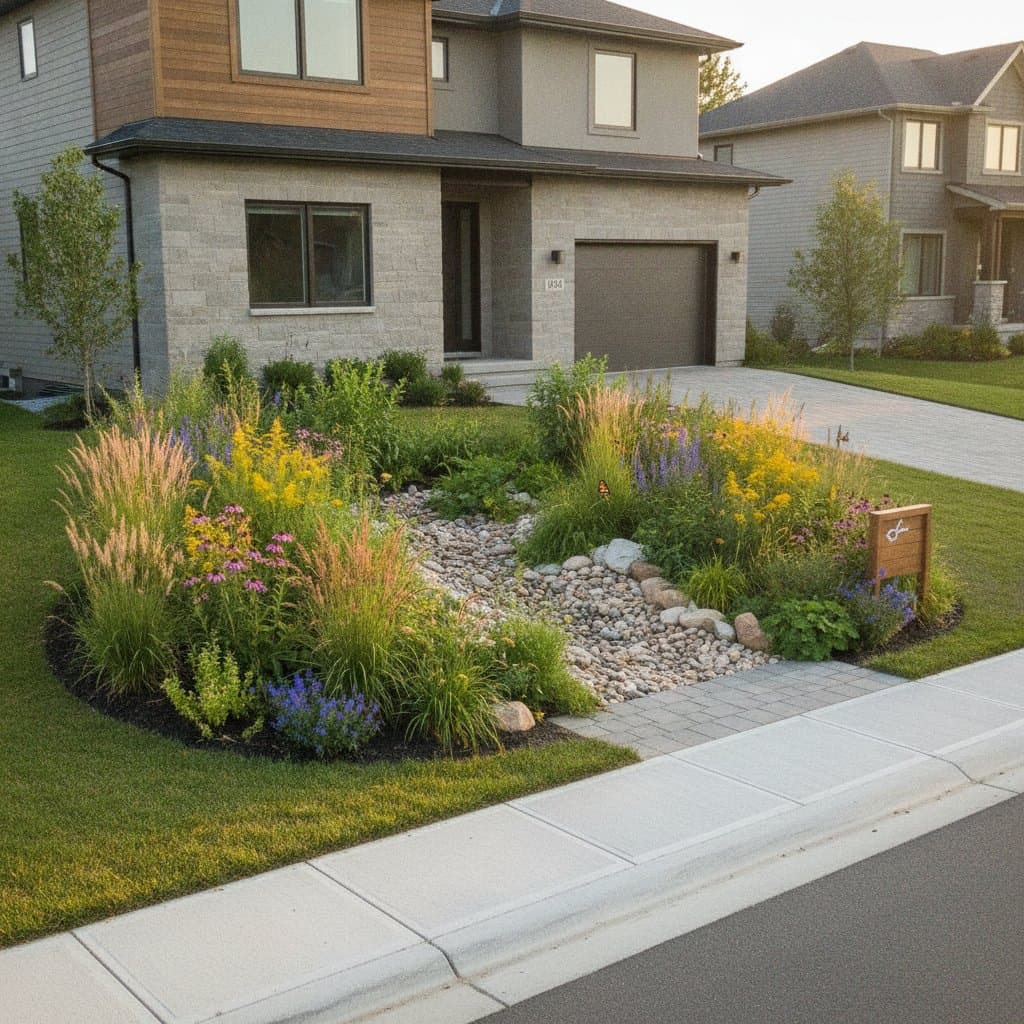
When replacing grass lawns, go step by step. Begin at the edges and move inward as roots take hold. Over time, bare spots fade, variety grows, and the area buzzes with activity.
Mix Traditional and Fresh Varieties
Cottagecore draws on heritage but invites new twists. Pair classic blooms with emerging ones for freshness and depth. Try Rosa spp. (heirloom roses) with Asclepias syriaca (common milkweed), or Lavandula angustifolia (lavender) alongside Dalea purpurea (prairie clover). The mix brings familiarity and excitement.
Wildflowers pair well with edible herbs too. Scented picks like Thymus vulgaris (thyme), Salvia officinalis (sage), and Mentha spp. (mint) tuck in among taller stems. The setup creates a garden that engages sight, smell, and sustainability.
Watch spread rates, since some wildflowers grow aggressively. Plants like Daucus carota (Queen Anne's lace) or Oenothera biennis (evening primrose) can take over. For steady coverage, opt for clumping varieties such as Gaillardia aristata (blanket flower) or Coreopsis spp. They fill space without overwhelming.
Streamline Care Practices
Wildflower cottage gardens need little hands-on work, as plants manage themselves. Follow these steps to keep them healthy with ease.
- Deadhead spent blooms to encourage reseeding and tidiness.
- Water sparingly once established, but keep seedlings moist.
- Pull weeds promptly to give desired plants room.
- Leave seed heads standing for winter bird food and structure.
For polished looks, trim the edges of wild areas occasionally. Sharp lines signal care, not abandonment, and take minimal time.
Add Rustic, Natural Touches
Cottagecore thrives on weathered charm and texture. Extend this to garden details by choosing timeworn, real materials instead of polished ones.
Use old jars, terracotta pots, or upcycled cans as planters. Repurpose wooden crates for stacked displays. Add small stone sculptures or handcrafted labels for character. A worn bench under climbing Rosa spp. tells a story that new items cannot match.
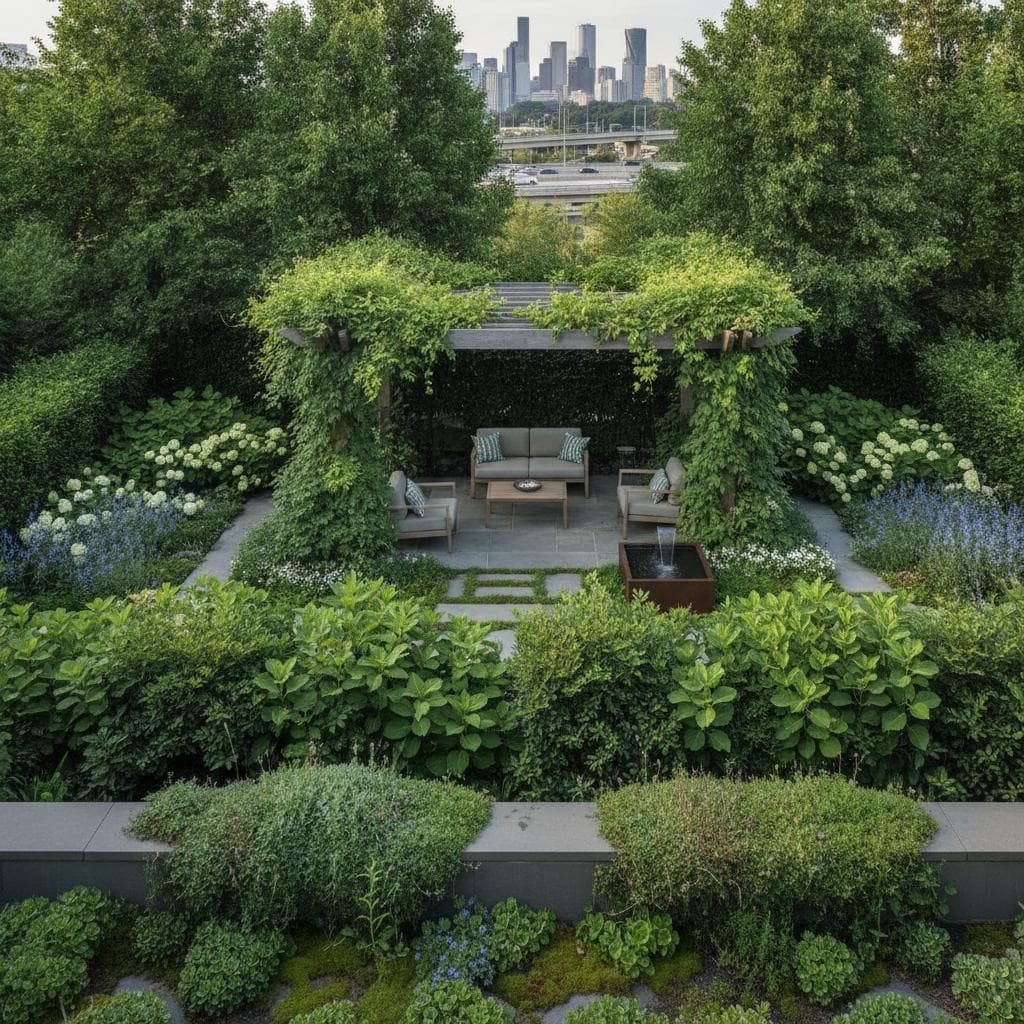
Lay paths of broken stone or reused bricks to guide the eye and foot. A small seating nook surrounded by tall flowers turns basic yards into peaceful escapes.
Support Biodiversity and Wildlife
Wildflower gardens do more than grow plants; they build homes for various species. Pollinators, birds, and small animals find food and shelter in the mix.
Add a shallow water dish or birdbath for drinking. Keep hollow stems for mason bees. Avoid chemical treatments that disrupt the balance.
As Aaron Mills observes, "Seeing a hummingbird visit Echinacea or a bee work Bellis perennis shows the garden's full purpose. It lives in every way."
This connection to nature raises modern cottagecore's value. It moves past decoration to stewardship and joy.
Embrace Seasonal Changes
Wildflower spaces shift with the calendar. Daisies (Leucanthemum vulgare) dominate one moment, clover carpets (Trifolium spp.) the next. Embrace these shifts as part of the appeal.
In cooler months, let seed pods remain. They hold frost beautifully and provide shape when leaves die back. Come spring, lightly clear debris to aid new growth.
Fill thin spots by scattering matching seeds. The garden finds its own rhythm over time. Each year adds layers of evolving beauty.
Deepen Your Bond with the Garden
Mature wildflower cottage gardens create lasting ties. The space becomes a shared world, not just a chore. Notice petals unfurling at dawn, pollinator hotspots, and scents drifting inside at dusk.
This quiet bond embodies cottagecore's heart. It shows that real joy comes from beauty that unfolds on its own.
Start your transformation by planting those first seeds, watching progress, and allowing nature's surprises. Over time, you build a true, lively, and uniquely yours retreat.