Why Enzyme Cleaners Dominate TikTok Stain Removal
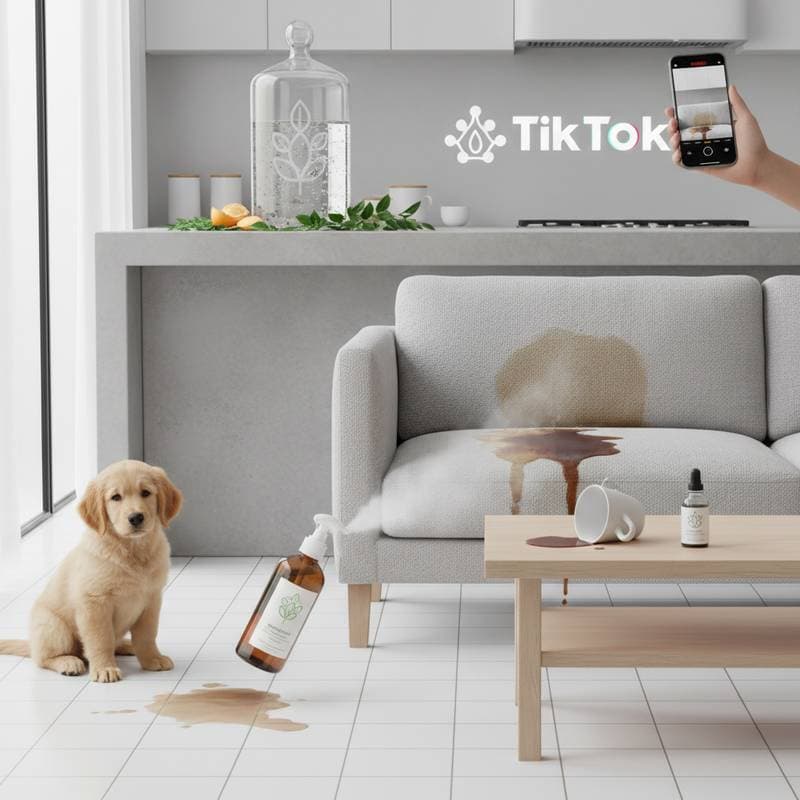
Spilling coffee on a white shirt or finding a pet accident on the carpet triggers immediate concern. Across cleaning-focused TikTok content, users transform these incidents into compelling demonstrations of effective solutions. Enzyme cleaners serve as the key tool, reshaping conventional ideas about stain removal without relying on aggressive chemicals or expensive products.
Dek: Enzyme cleaners provide an essential option for persistent stains, including pet messes and wine spills. This guide explains their mechanisms, TikTok popularity, and practical application methods.
The Influence of TikTok on Everyday Cleaning Practices
Browsing cleaning TikTok reveals numerous videos where creators apply enzyme cleaners to items ranging from upholstery to footwear. The rapid disappearance of stains offers visual satisfaction, driving widespread adoption.
Key Applications for Enzyme Cleaners
Certain stains respond exceptionally well to enzyme cleaners. In households with children, animals, or active cooking areas, these products surpass standard cleaners in the following scenarios:
- Pet stains and odors: Enzymes target the organic materials responsible for persistent scents, discouraging animals from repeating the behavior in the same location.
- Laundry pretreatment: Apply directly to perspiration marks, food residues, or dirt on hems prior to machine washing for enhanced removal.
- Upholstery and carpet maintenance: Ideal for delicate fabrics that resist machine cleaning. Conduct a patch test in an inconspicuous spot beforehand.
- Mattress and bedding care: Address perspiration or natural oils effectively, avoiding exposure to irritants.
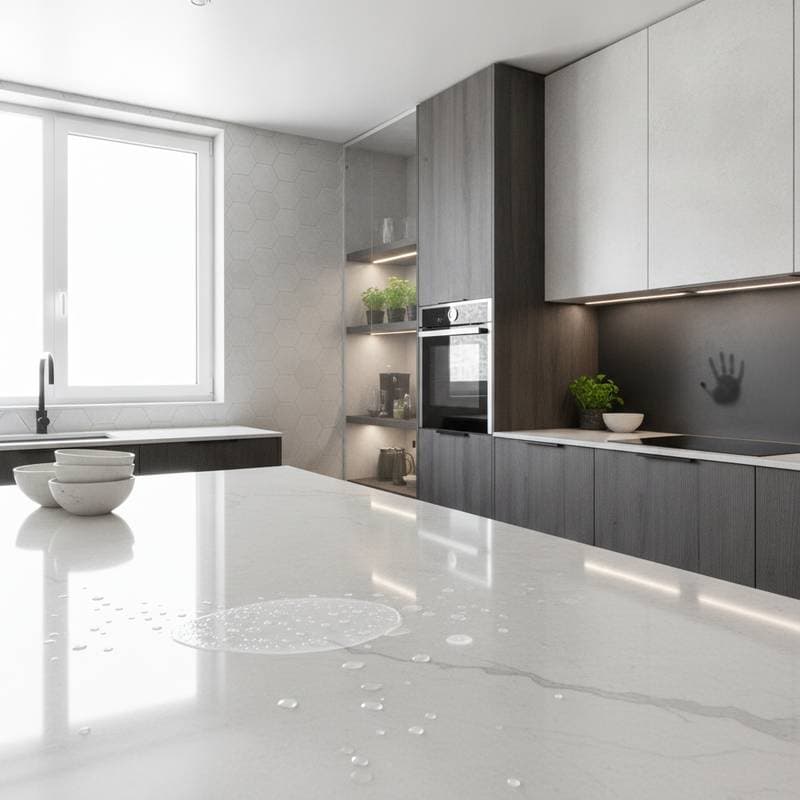
- Kitchen surface treatment: Remove adhesive buildup, fats, and unintended drips without residual vapors.
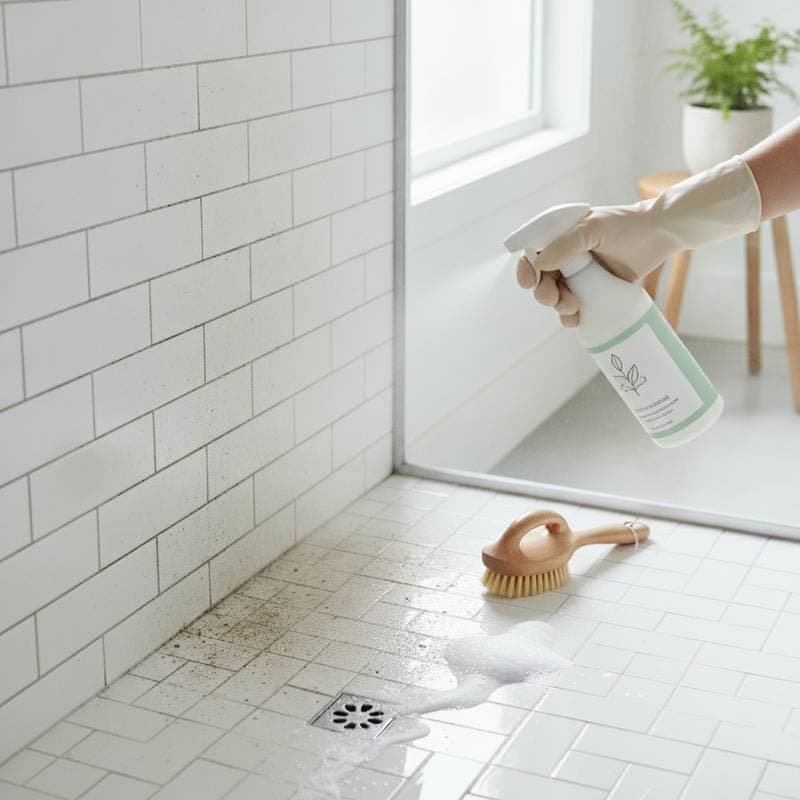
These products attract those seeking to minimize synthetic exposures. Numerous formulations incorporate plant-sourced or environmentally degradable components, rendering them suitable for homes with animals or infants.
To maximize benefits, select cleaners certified for specific uses, such as pet-safe varieties. For instance, when treating a fresh urine stain on carpet, saturate the area thoroughly and allow the solution to dwell for 10 to 15 minutes before blotting with a clean cloth. This process ensures enzymes fully interact with the stain components.
Selecting an Appropriate Enzyme Cleaner
The market offers diverse enzyme cleaner brands, so identifying quality indicators proves essential. Effective products detail the enzyme varieties present and the stain types addressed. Formulas containing multiple enzymes provide broader applicability.
Cleaning specialist Redd advises beginning with a trial-sized container to assess compatibility. "Formulas vary in performance across surfaces," she explains. "Certain options excel on textiles, while others suit rigid floors. Examine product instructions and perform spot tests routinely."
Individuals interested in homemade alternatives can explore online recipes involving natural fermentation processes to produce enzyme cleaners. However, commercial products generally offer greater reliability and longevity.
Consider factors like concentration levels when choosing. Higher enzyme activity suits heavy-duty tasks, such as breaking down protein-based stains from vomit or blood. Always store bottles in cool, dark places to preserve efficacy, as heat can degrade the enzymes over time.
The Broader Appeal of Enzyme-Based Cleaning
Interest in enzyme cleaners extends beyond their immediate functionality. This enthusiasm mirrors a growing preference for natural and sustainable household products. Consumers recognize that biological methods achieve thorough cleanliness without aggressive substances.
Substituting artificial scents and erosive elements with enzymatic processes enhances safety and aligns with contemporary lifestyle preferences. The format suits TikTok's narrative style perfectly. Observing a resilient stain dissolve effortlessly evokes wonder, fostering rapid adoption more potently than conventional advertising.
In practical terms, integrating enzyme cleaners reduces overall cleaning time. For example, after a red wine spill on a tablecloth, spraying and letting it sit for five minutes often eliminates the need for vigorous scrubbing, preserving fabric integrity.
Integrating Enzyme Cleaners for Lasting Home Freshness
Adopting enzyme cleaners fosters environments that remain clean and inviting with minimal effort. Users report fewer recurring odors and stains, leading to sustained satisfaction. By prioritizing these biological solutions, households achieve not only spotless surfaces but also a healthier indoor atmosphere.
Experiment with incorporation into routines, such as weekly upholstery sprays or pre-wash treatments for uniforms. Over time, this approach yields a more harmonious balance between cleanliness and well-being.