Understanding the Science of Steam Cleaning
Steam cleaning harnesses thermal energy and moisture to dislodge, dissolve, and remove soil from surfaces. Water heated to vaporization produces a mist that carries sufficient energy to disrupt molecular bonds in grease and organic residues. This heat denatures proteins in bacteria and fungi, achieving sanitation without chemical agents.
Condensation occurs as steam meets cooler surfaces, releasing latent heat that penetrates textures and breaks down embedded grime. The resulting water droplets can then be wiped away, leaving no residue. Since detergents play no role, surfaces remain free of films that might later attract dust.
This method suits diverse materials such as tile, grout, sealed hardwood, stone, stainless steel, upholstery, and glass. Success depends on aligning steam temperature, pressure, and moisture levels with each surface to avoid damage or excess wetness.
Assessing Your Home for Steam Cleaning
Planning Phase: Tools, Materials, and Safety
Select equipment and prepare thoroughly for effective steam cleaning. Categories vary by scale and application.
Equipment Types
- Handheld Steam Cleaners: Portable for targeted tasks like countertops and fixtures; they heat rapidly but hold limited water.
- Cylinder or Canister Steam Cleaners: Versatile for full-home use with adjustable pressure, extended runtime, and varied attachments.
- Steam Mops: Optimized for sealed floors, offering controlled moisture but less flexibility for intense cleaning.
- Vapor Steam Systems: Professional options that generate dry steam for sensitive surfaces or thorough sanitization.
Essential Accessories
- Microfiber pads and cloths to trap dirt without abrasion.
- Brush attachments for grout and rough textures.
- Extension wands for hard-to-reach spots like ceilings and baseboards.
- Squeegee tools for streak-free glass and mirrors.
- Detail nozzles for crevices in hardware and fixtures.
Safety Considerations
Steam exceeds scalding temperatures, so handle it with care. Wear heat-resistant gloves and closed-toe shoes. Direct the nozzle away from skin and avoid electrical outlets or switches.
Test surfaces in inconspicuous areas to confirm heat tolerance. Ventilate spaces during and after use to aid moisture evaporation. Skip freshly painted areas or heat-vulnerable adhesives. For upholstery, verify fabric labels allow water-based methods.
Implementation: Step-by-Step Whole Home Cleaning
Treat steam cleaning as a unified process to ensure thoroughness and avoid contamination spread.
1. Preparation
Vacuum or dust surfaces to clear loose particles; steam performs best on prepared areas. Use distilled water in the reservoir to avoid mineral deposits. Select and attach tools matching the surface, then set temperature and pressure per guidelines.
2. Kitchen Cleaning
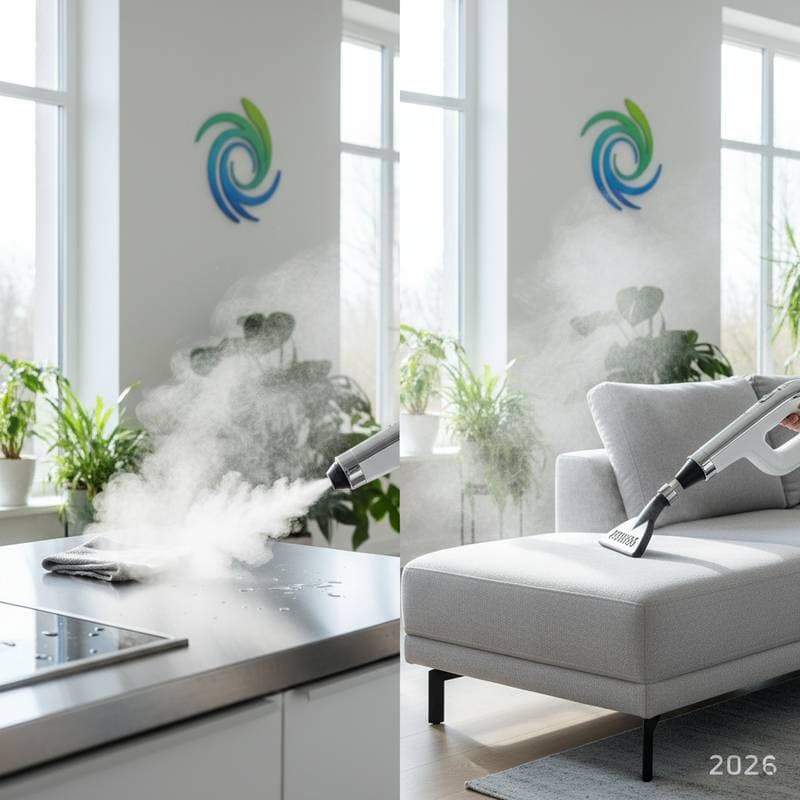
Target counters, backsplashes, and appliances first. Apply steam along seams and grout, followed by microfiber wiping. For ovens, employ a detail brush on baked residues. On stainless steel, dry immediately to prevent spots. Steer clear of electronic controls and seals.
3. Bathroom Cleaning
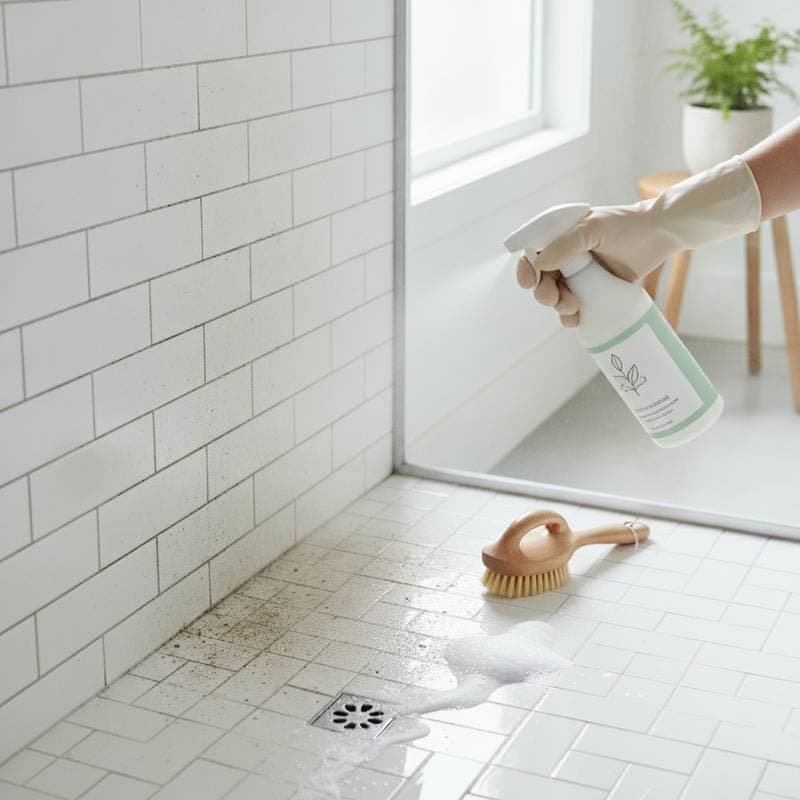
Steam dissolves soap scum and minerals effortlessly. Proceed top-down: mirrors, shower walls, fixtures, and tiles. Use narrow nozzles for grout. Eliminate the need for acids or bleaches. Dry with towels afterward. For toilets, focus high-pressure steam on hinges and bases for hidden sanitation.
4. Flooring and Baseboards
On sealed hardwood, laminate, or tile, glide steadily with a mop or floor attachment to prevent saturation. Wipe excess promptly. For baseboards, a small brush removes dust and marks. Refrain from unsealed or waxed woods.
5. Fabric and Upholstery
Fit a fabric tool with a cover to temper heat. Steam in overlapping strokes, drying sections sequentially. This neutralizes odors and eradicates dust mites sans chemicals. Test drapes in hidden spots for color stability.
6. Windows and Glass
A squeegee attachment loosens grime and fingerprints. Follow with wiping for clarity without ammonia products.
7. Detailing and Touch-Ups
Apply detail nozzles to handles, plates, and vents. Brief steam bursts sanitize these overlooked zones efficiently.
Quality Assurance and Verification
Inspect visually and by touch post-cleaning. Surfaces must feel clean, not tacky. Grout appears refreshed and even. Note reduced odors and freshness. For streaks on glossy areas, tweak moisture or drying next time.
Maintain equipment: descale regularly, replace seals, and store attachments dry. Track sessions with notes on time, water use, and outcomes to optimize routines.
Environmental and Health Benefits
Steam cleaning avoids chemical emissions that pollute indoor air via volatile compounds. It relies solely on water, curbing runoff into sewers.
Efficiency saves energy and water; quick loosening reduces scrubbing and rinsing. Minimal volumes outperform traditional soaking. This aligns with sustainable habits and cuts supply costs.
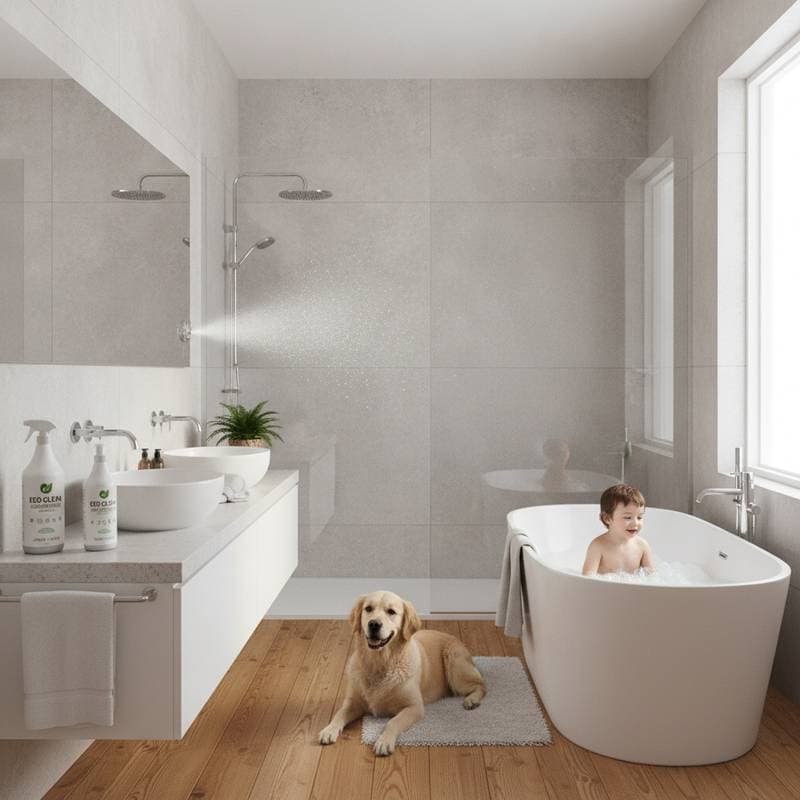
For homes with children or pets, residue-free surfaces offer safety. Heat targets bacteria, molds, and mites, fostering a healthier space.
Integrating Steam Cleaning into Regular Maintenance
Schedule based on traffic and durability: weekly for busy zones, monthly for others. Adapt tools and settings per material.
Pro Tips for Success
- Initiate with low pressure on unfamiliar surfaces, escalating as required.
- Wipe post-steam to secure dislodged particles.
- Rinse microfiber cloths often to sustain effectiveness.
- Dry-store the unit against corrosion.
- Employ distilled water exclusively for durability.
- Log ideal settings per surface for efficiency.
Achieving Lasting Cleanliness and Wellness
Steam cleaning shifts routines toward physical efficacy over chemical dependence. Homeowners gain profound sanitation and ecological harmony through water's thermal potential.