Understanding Dopamine Decor
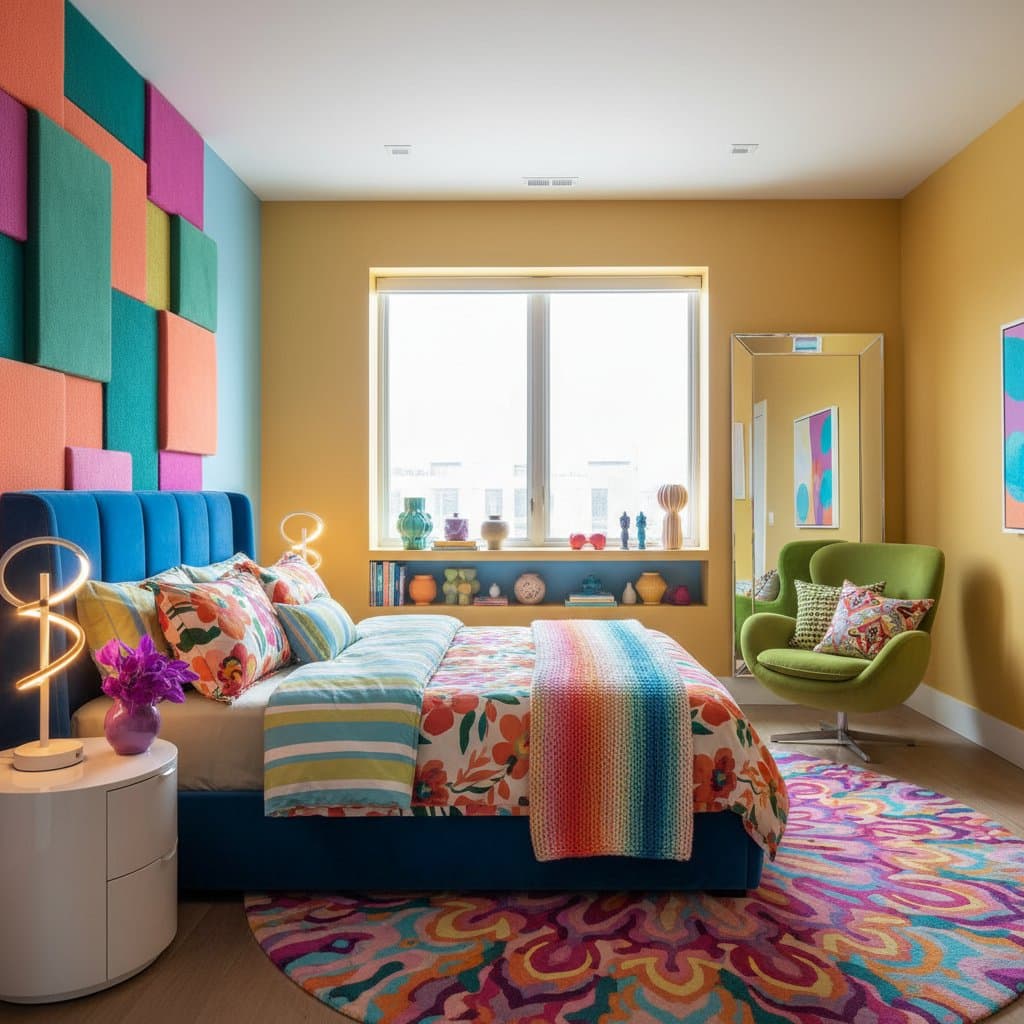
Dopamine decor harnesses the power of visual and sensory elements to evoke pleasure and motivation in living spaces. Named after the neurotransmitter associated with reward and joy, this style incorporates bright colors, diverse textures, and personal touches to stimulate positive emotions. In bedrooms, it strikes a balance between invigorating energy and soothing calm, making the room a true retreat.
The approach draws from neuroscience and design principles. Bold hues like sunny yellows or vibrant corals trigger alertness in the brain's visual centers. Layering these with softer textures, such as plush linens or woven accents, ensures the space supports both daytime motivation and nighttime relaxation.
Scientific Foundations
At its core, dopamine decor leverages color psychology to influence mood. Warm shades, including terracotta and peach, increase heart rates slightly and promote feelings of warmth and enthusiasm. Cooler accents, like soft blues or greens, counteract overstimulation by signaling tranquility to the nervous system.
Evaluating Your Bedroom
Start any dopamine decor project by assessing your current setup. Examine the existing color scheme, noting dominant tones in walls, floors, and furnishings. Neutral foundations, such as soft grays or creams, offer flexibility for introducing pops of color without clashing.
Next, analyze lighting patterns. Track how sunlight enters throughout the day and evaluate artificial sources for color rendering. Bright, cool-toned bulbs can make hues pop during the day, but switch to warmer options for evenings to avoid harsh contrasts.
Consider your personal vibe as well. High-energy individuals might favor saturated contrasts, while those seeking subtle joy could opt for pastel variations. Jot down these insights to guide selections that align with your lifestyle.
Preparing for Transformation
Organize the redesign into clear phases to manage time and expenses effectively. Gather essential tools first: quality brushes, rollers, and low-odor paints in selected shades. Include fabric samples for upholstery and adjustable lamps for lighting tests.
Budget wisely by categorizing expenses. Allocate funds for paints and primers, then textiles like duvets and rugs, followed by fixtures. Aim for a timeline that includes 24 hours for paint drying between coats and a full day for rearranging furniture.
Prioritize safety throughout. Ventilate rooms during painting to minimize fumes, secure ladders on stable surfaces, and turn off electricity before installing lights. Consult product guidelines to ensure all materials suit your space's humidity and usage.
Step-by-Step Implementation
Creating the Focal Accent
Select a single wall, ideally behind the bed, to serve as the energy hub. Choose a vivid shade like electric turquoise and apply it with precise taping for sharp edges. Two full coats, followed by a matte sealer, ensure durability and even vibrancy.
This focal point draws the eye immediately upon entering. It sets a joyful tone while leaving surrounding areas for subtler elements, preventing the room from feeling enclosed.
Building Color Harmony
Once the accent dries, layer in supporting colors via soft goods. Pair a sunny yellow wall with lavender sheets and ochre cushions for a cohesive flow. Maintain similar saturation levels across items to unify the palette without dilution.
Test combinations using fabric swatches under your room's lighting. This step ensures colors enhance rather than compete, fostering a sense of playful coherence.
Incorporating Sensory Textures
Introduce variety through materials that invite touch. Opt for a chenille throw on a linen bedspread or bamboo shades over velvet pillows. These contrasts add depth, making the space feel alive and inviting.
Position textures strategically: smoother ones near the bed for rest, rougher accents on chairs for tactile interest. This layering enriches the environment without complicating daily use.
Optimizing Lighting Layers
Install a mix of light sources for versatility. Overhead fixtures provide general illumination, bedside lamps offer focused reading light, and wall sconces add ambient glow. Select dimmable LEDs in 2700K warm white for evening softness.
Adjust settings to match activities. Brighter, cooler lights energize morning routines, while dimmed warms promote sleep. This adaptability keeps the dopamine effect consistent across the day.
Infusing Personal Elements
Curate items that resonate personally, such as framed travel mementos or custom-patterned art. Place them at eye level to spark joy upon waking or retiring. These touches transform the generic into the intimate.
Avoid overcrowding; select three to five meaningful pieces. Their emotional weight amplifies the design's motivational impact.
Refining the Overall Balance
Review the room from multiple angles after assembly. Remove excess items if patterns clash or colors overwhelm. Aim for a rhythm where bold elements punctuate calmer zones.
Make minor tweaks, like swapping a pillow shade, to fine-tune. The result should energize without exhausting, supporting both vitality and repose.
Ensuring Lasting Quality
After completion, check for seamless execution. Confirm paint adheres smoothly, lights operate without flicker, and fabrics align in scale. Use a smartphone app to measure color accuracy across light changes.
Test the space's feel by spending time in it. Lie down to gauge relaxation levels and walk around to assess energy flow. Adjust intensities if needed, focusing on accents rather than major overhauls.
Sustaining the Design
Preserve vibrancy with routine care. Dust textiles weekly using soft brushes to retain luster. Wash removable covers quarterly in gentle cycles to combat fading.
Protect against sun damage with sheer curtains or repositionable decor. Refresh seasonally by swapping accents, keeping the core palette intact for enduring joy.
Maximizing Impact
Begin with modest changes, like a painted shelf, to build confidence. Create mood boards with digital tools to preview interactions before purchasing.
Integrate storage solutions in matching tones to maintain order amid playfulness. Balance palettes by anchoring warms with cool neutrals for timeless appeal.
Strategic mirrors bounce light, enhancing spaciousness and color glow. These practices ensure the bedroom evolves as a dynamic source of positivity.
Dopamine decor redefines bedrooms as nurturing havens. Through deliberate choices in color, texture, and light, it cultivates environments that fuel happiness and renewal. Homeowners gain not just aesthetic upgrades, but daily boosts to well-being that last beyond 2026.