Color-Blocking Bedrooms: The Rise of Dopamine Decor in 2026
Many individuals experience moments when their bedroom appears bland, predictable, and lacking vitality. Dopamine decor emerges as a dynamic design movement that permeates homes and online platforms. This approach proves bold, vibrant, and dedicated to fostering joy. Central to this trend lies color-blocking, a technique that converts the bedroom into a customized enhancer of mood. Designers consider it one of the most engaging evolutions in interior styling recently.
The Principles Behind Effective Color-Blocking
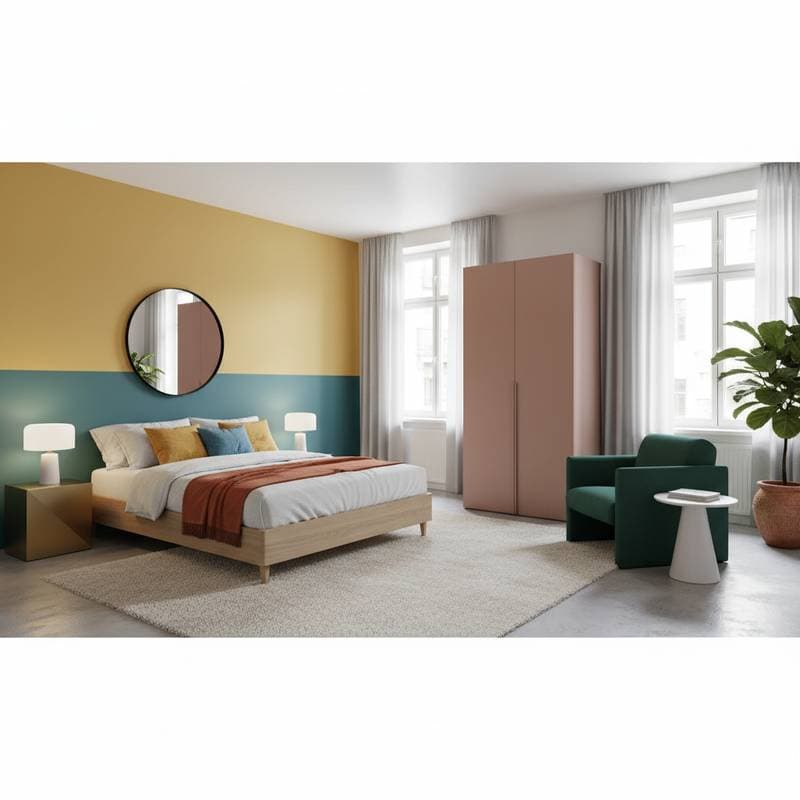
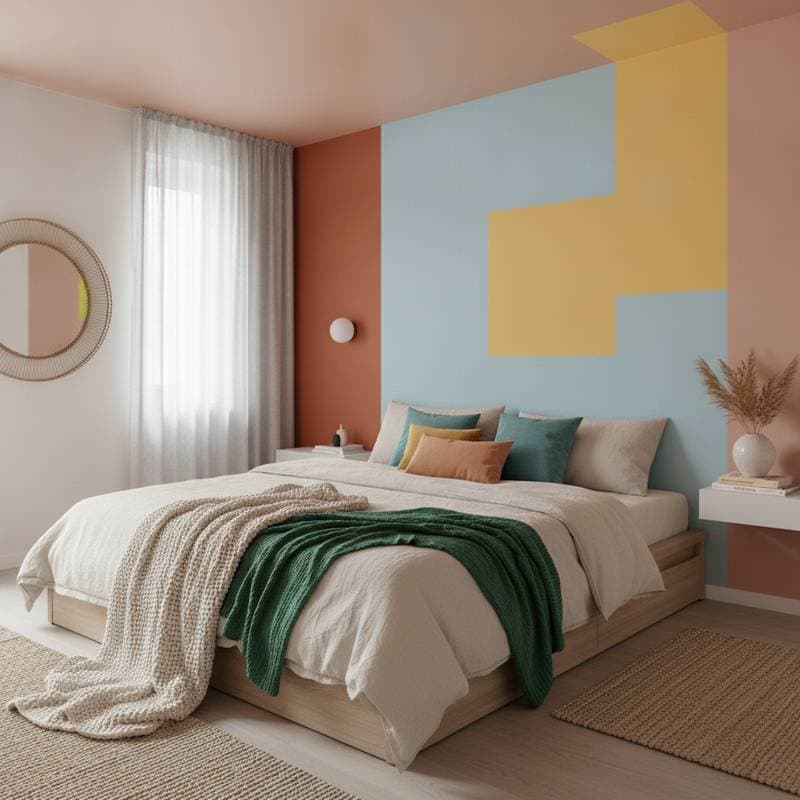
Color-blocking maintains historical roots, yet the dopamine decor interpretation intensifies its impact. Professionals emphasize intentional application over haphazard color application. Designers create distinct areas of stimulation and tranquility using strategic hues. Consider examples such as coral-painted walls complemented by cobalt blue textiles, or a sunflower yellow headboard juxtaposed against a rich teal backdrop. Success depends on achieving harmony through contrast and equilibrium. When executed properly, the outcome delivers invigoration while preserving the restorative essence essential for sleep spaces.
Implementing Dopamine Decor in Bedroom Spaces
Individuals prepared to experiment should commence modestly. Complete room overhauls prove unnecessary at the outset. Focus initially on a single wall or prominent element to establish the overall atmosphere. The following structured approach yields effective results:
-
Select the primary hue. Identify the color that captures the room's core character. Draw inspiration from elements like linens, floor coverings, or cherished artwork.
-
Pair with a complementary contrast. Choose a shade that introduces surprise without discord. Combinations such as rose and crimson, emerald and apricot, or lilac and golden yellow succeed when saturation levels align.
-
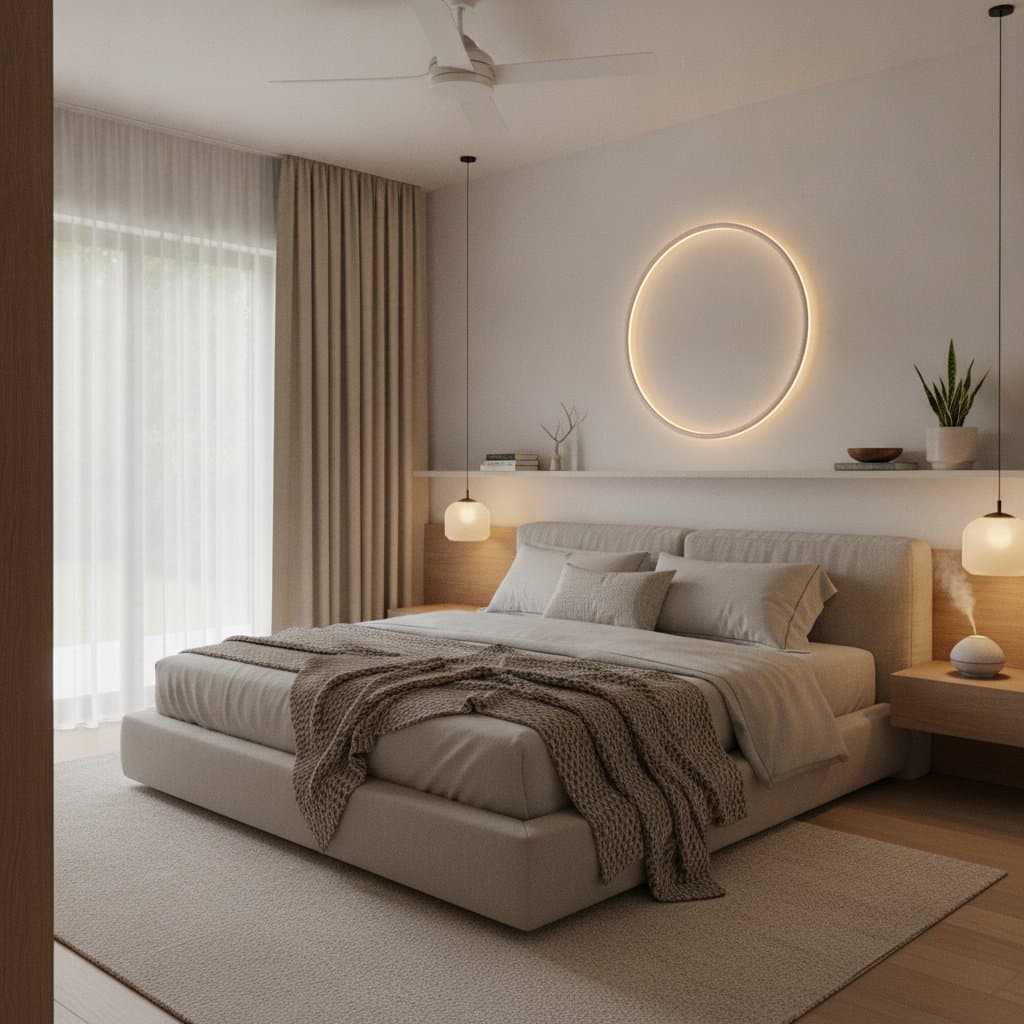
Incorporate stabilizing neutrals. Elements like light wood furnishings, ivory textiles, or slate-gray accessories maintain unity and prevent visual clutter.
-
Manage scale thoughtfully. Restrict dominant colors to approximately one-third of the room's surfaces to sustain interest without domination.
Illumination plays a crucial role in this process. Warm-toned bulbs temper intense saturations, creating a softer ambiance. Cooler lighting, by contrast, amplifies vivid shades for greater vibrancy. Professionals recommend evaluating color schemes under the room's natural and artificial light sources prior to final decisions. For instance, daylight might reveal subtle shifts in tone that artificial sources overlook.
To further personalize, consider integrating patterns that echo the blocked colors. A rug with geometric sections in the chosen palette reinforces the theme without adding complexity. Wall art featuring abstract blocks in matching hues provides additional depth, drawing the eye across the space cohesively.
Steering Clear of Frequent Pitfalls
A common error involves excessive intensity from the start. Dopamine decor prioritizes delight over disorder. When multiple elements compete aggressively, the result confuses rather than comforts. Maintain designated areas of simplicity, such as an unadorned ceiling or understated window treatments, to offer visual respite.
Finish selections warrant attention as well. Avoid high-gloss applications on saturated paints unless a highly stimulating environment suits the user's needs. Opt instead for matte or eggshell textures, which convey serenity and refinement. Testing samples in situ helps identify how finishes interact with light and texture in the specific bedroom context.
Budget considerations also arise. Source affordable accents through thrift stores or online marketplaces to experiment without significant investment. This strategy allows refinement over time, ensuring the final design aligns with lifestyle and preferences.
Embracing and Evolving Your Color-Blocked Retreat
After establishing the color-blocked environment, allow time for adaptation. Observe how selected hues affect energy levels across various times of day. Initial boldness may evolve into a reliable source of upliftment. Dopamine decor champions individual fulfillment over flawless execution. Rely on personal intuition, explore hue variations, and cultivate a bedroom that consistently elevates mood and supports daily renewal.