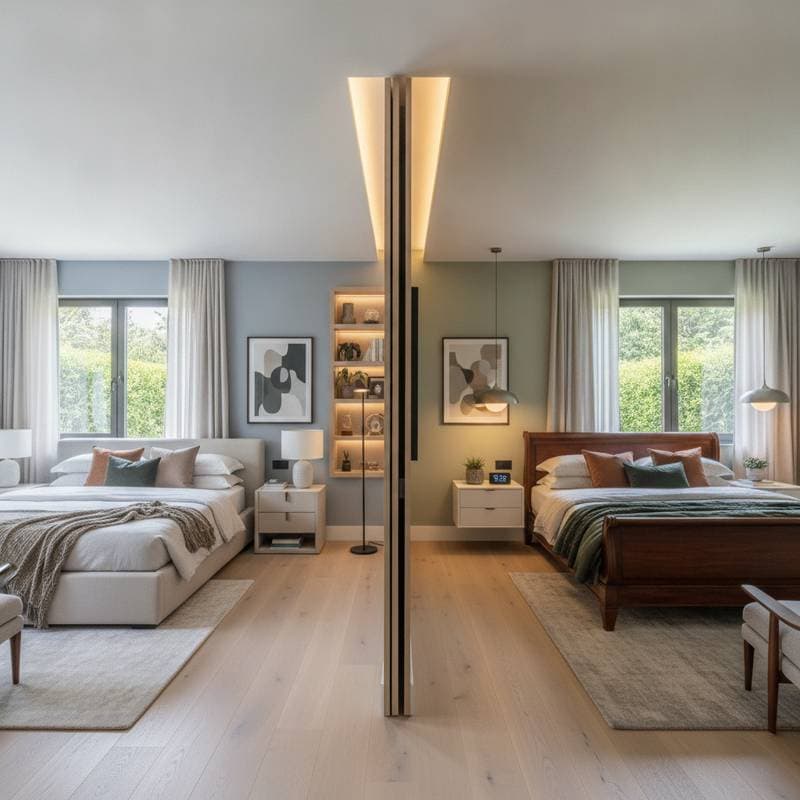
Decorating for Happiness Rather Than Perfection
Dopamine Decor: Colorful Bedrooms Boosting Joy
For a long time, the bedroom resembled a scene from a grayscale art film. Pale gray walls, neutral bedding, and a beige rug created a calm atmosphere, but one that felt lifeless. As a home design writer, recognition of the limitations in such safe choices should have come sooner. The transformation began upon encountering the concept of dopamine decor during a late-night scroll through design inspirations. This approach promised the joy absent from the space.
The Mood-Boosting Magic of Color
Dopamine decor centers on the principle that color influences mood. It emphasizes decorating for happiness rather than perfection. When color first entered the bedroom, hesitation arose. Bright pink pillows might clash with the navy comforter, and a bold green nightstand could appear out of place. Experimentation revealed that color enhances calm rather than disrupts it. Color serves as the essential element for vitality.
The Staten Island Bedroom Makeover
In the Staten Island home, changes started modestly. One afternoon, an old wooden dresser received a coat of cheerful teal paint. This alteration shifted the room's entire ambiance instantly. The space, once whispering rest, now hummed with gentle joy. A few days later, gray throw pillows gave way to a mix of sunny yellow and deep coral. The results proved addictive.
These modifications influenced mood profoundly. The bed received attention more frequently, surroundings stayed tidier, and additional time went toward reading in the room. The update extended beyond aesthetics to infuse the area with renewed energy.
Starting with a Color Story
To incorporate dopamine decor into a bedroom, begin by selecting one or two colors that evoke smiles. Consider the ocean blue from a cherished beach vacation or the pink from a grandmother's rose garden. Develop the palette from these foundations.
Bedding offers an ideal starting point as the largest surface area and a simple element to update. Opt for a patterned duvet cover or layer complementary solid colors. For those cautious about bold commitments, maintain neutral walls and introduce color via textiles, art, and accessories.
The palette in the room followed this structure:
- Anchor color: Saturated teal for furniture and accents.
- Supporting color: Warm coral for throw pillows and picture frames.
- Neutral base: Creamy white walls and bedding to provide grounding.
This combination delivered structure and vibrancy without disorder. The method adapts to various styles, from tropical and vintage to city chic.
Mixing Patterns and Textures Without Overwhelm
Mixing patterns once seemed like an expert-level technique requiring unwavering confidence. In reality, proportion makes it accessible. Combine one large-scale pattern, such as a floral duvet, with one smaller pattern like a dotted pillow, and one solid item to unify the elements. Consistency in color family ensures the arrangement appears deliberate rather than cluttered.
Textures contribute to the sensory appeal of dopamine decor. A velvet throw, woven basket, or fringed rug introduces layers of tactile interest. Replacing plain cotton curtains with linen versions altered the light diffusion in the room. The space became softer, warmer, and more welcoming.
Affordable Ways to Add Joyful Color
Embracing dopamine decor requires no full room repaint or new furniture purchases. Consider these accessible strategies:
- Wall art: Frame vibrant prints or repurpose pages from an old calendar.
- Lampshades: Swap standard white versions for patterned or colored options.
- Bedding layers: Layer throws and pillows in shades from the selected palette.
- Floral accents: Incorporate fresh flowers or realistic faux arrangements for immediate vitality.
- Books as decor: Organize paperbacks by color to form an uplifting display.
As a former teacher, advice to students often highlighted that minor adjustments ignite significant motivation. This principle translates to home environments. A single vivid accent draws the eye and elevates mood with each entry into the room.
Balancing Energy and Calm
A common misunderstanding of dopamine decor portrays it as an explosion of paint and patterns. In truth, balance defines its success. View the bedroom as a sanctuary where energy harmonizes with rest. Excessive bold colors risk chaos, while insufficient ones lead to monotony.
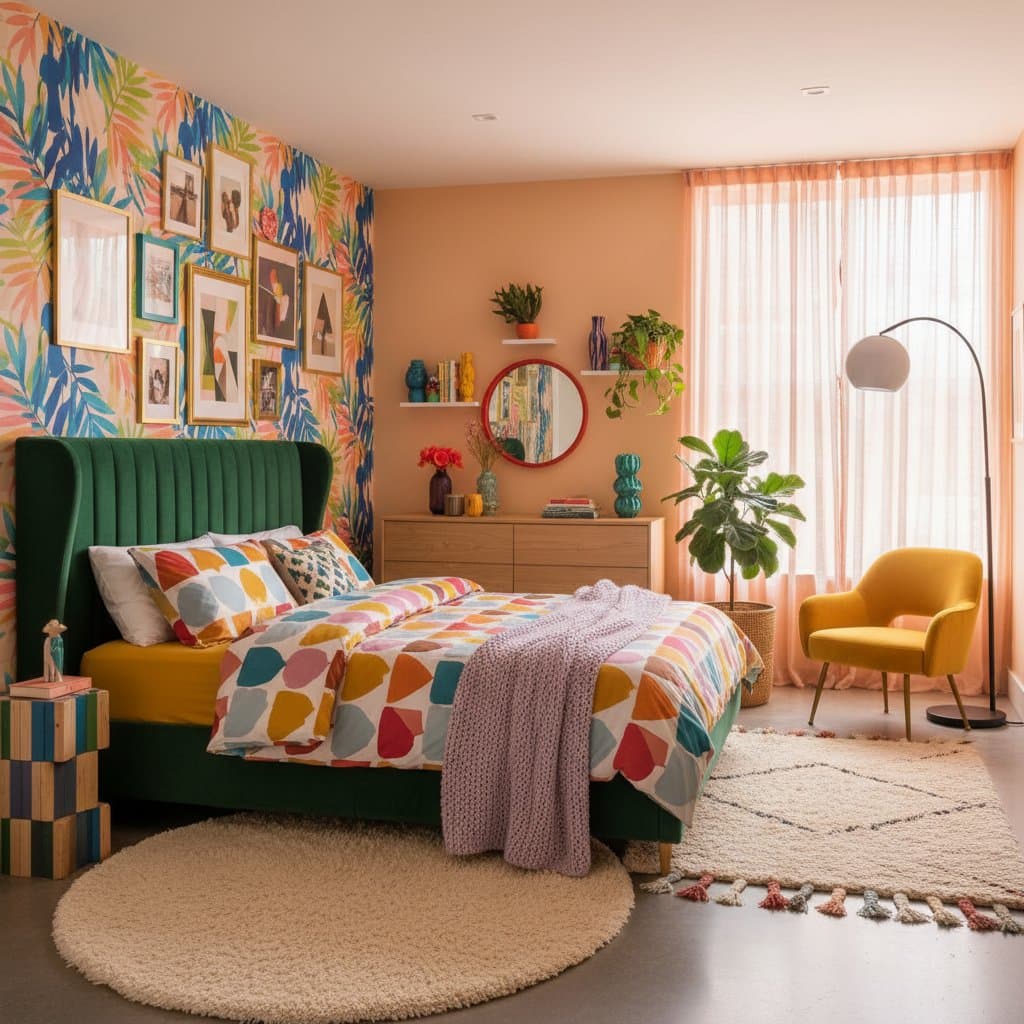
Maintain a soft primary wall color, then incorporate bright accents at eye level or in textiles. In the setup, the teal dresser positions opposite the bed, offering a morning color boost. Bedding remains predominantly neutral to support relaxation. This distribution provides both mental stimulation and respite for the eyes.
When Maximalism Meets Mindfulness
Dopamine decor frequently intersects with maximalist design, yet it avoids clutter. Maximalism prioritizes personal expression over accumulation. It grants permission to showcase individuality instead of concealing it behind minimalism's neutral veil. Above the nightstand, a modest gallery wall features smile-inducing items: a postcard from a journey, a print by a local Staten Island artist, and a photo of the dog in mid-yawn. The collection lacks perfection but narrates a personal story.
Living with Your Colorful Space
Several months after implementing dopamine decor in the bedroom, this decision ranks among the finest design choices. The room appears more attractive and radiates happiness. Time spent there brings anticipation, and the space aligns closely with identity. Evolution continues as the environment adapts.
For those seeking increased vitality in routine, initiate changes in the bedroom. Paint a dresser, introduce a bold pillow, or display art that prompts grins. The room should evoke the delight of a favorite song on a sunny morning. This captures the core of dopamine decor.