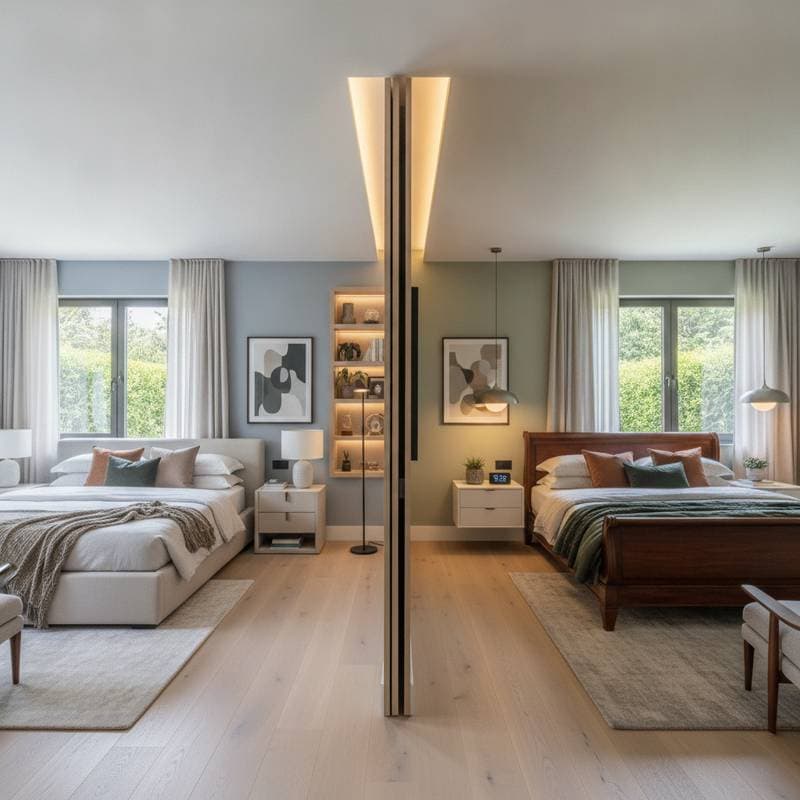
Dopamine Decor Ideas for Happier, Mood-Boosting Bedrooms
Many people spend significant time in their bedrooms yet decorate these spaces last. The result is often a room that feels incomplete. Dopamine decor addresses this gap by focusing on colors, textures, and patterns that create immediate positive feelings. This approach prioritizes personal enjoyment over strict design rules.
A bedroom designed with these principles can improve daily mood and provide genuine comfort. The following sections outline practical steps to achieve this effect.
Selecting Colors That Support Daily Energy
Color selection forms the base of any dopamine decor plan. Begin by identifying hues that evoke calm, energy, or fond memories rather than following current trends. Test samples on walls or fabrics before committing to larger changes.
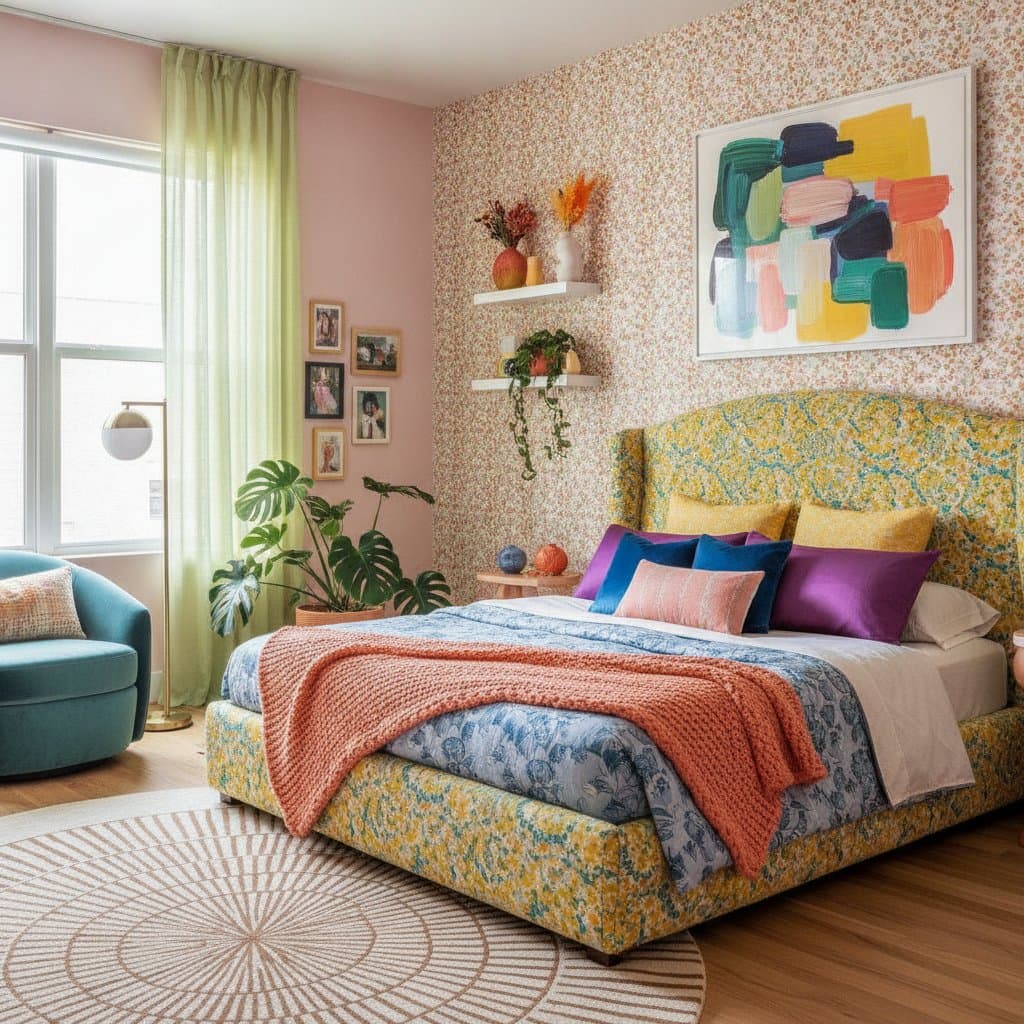
- Sunny yellow accents on pillows or lampshades to introduce warmth
- Soft pink or coral tones in bedding for a sense of ease
- Aqua blue elements in curtains to promote freshness
- Emerald green rugs or throws for a grounded atmosphere
- Terracotta or warm orange details in artwork for added coziness
Pair any bold choices with neutral backgrounds such as white walls or beige furniture. This balance prevents overstimulation while allowing vibrant pieces to stand out.
Incorporating Art That Reflects Personal Interests
Art selections should connect directly to individual preferences. Choose items that produce a genuine reaction, such as a print from a memorable location or a small sculpture discovered at a local sale. Avoid pieces chosen only for color coordination.
Create a gallery wall by mixing framed photographs with illustrations and graphic prints. Use matching frame colors to maintain visual order across varied styles. Functional art options include a painted headboard or patterned wallpaper behind the bed that serves as a focal point.
Using Layered Lighting to Enhance Atmosphere
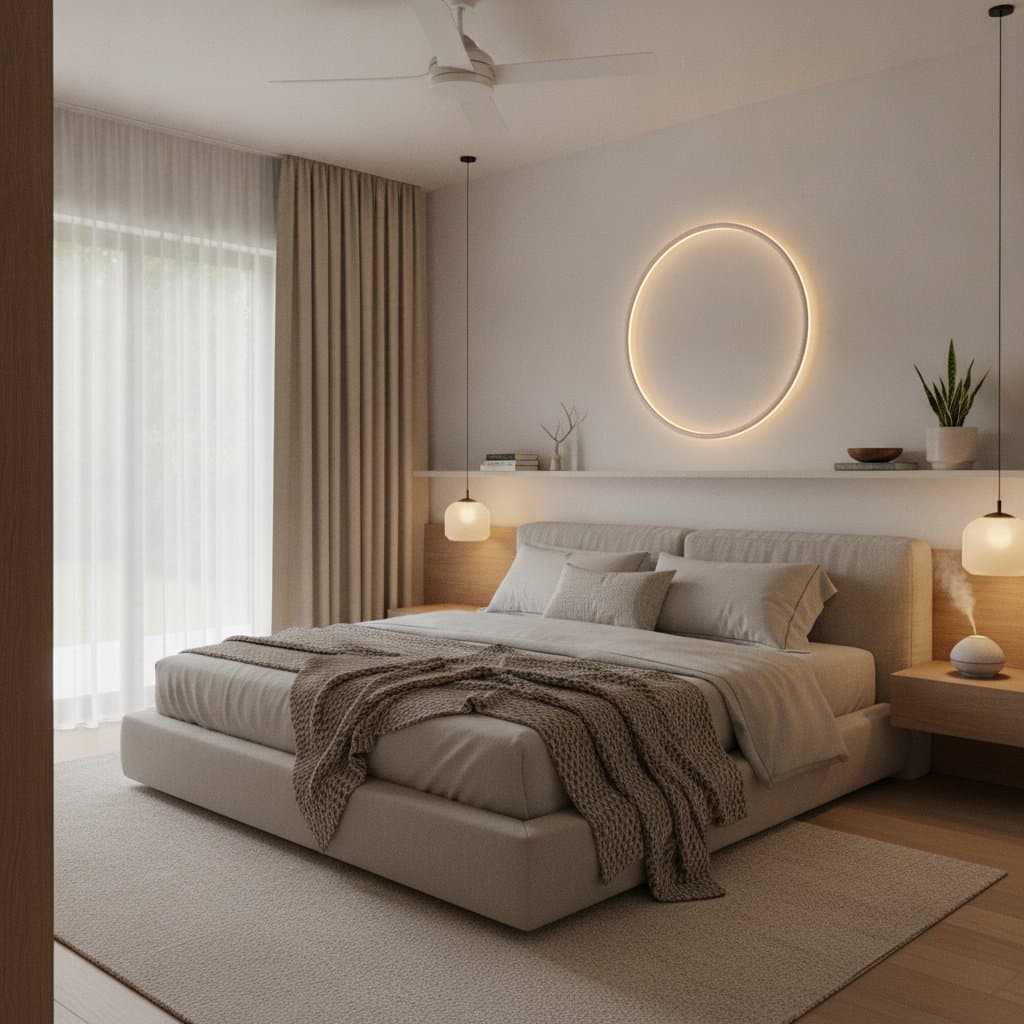
Lighting influences both color perception and overall mood. Combine three types of light sources: a central ceiling fixture for general illumination, bedside lamps for reading, and small wall sconces or string lights for accent. Select bulbs that emit warm white light to soften the room environment.
Treat light fixtures as design elements by selecting colorful shades or interesting bases. If natural light is limited, place a mirror opposite the window to reflect available daylight and increase the sense of space.
Adding Personal Elements That Maintain Individuality
Personal items bring authenticity to the space. Display a few favorite books, framed photographs, or objects collected during travels. Include one or two healthy plants, such as a snake plant or pothos, to introduce texture and life.
Edit the arrangement regularly. Keep only objects that continue to provide satisfaction and remove anything that creates visual clutter. This process keeps the room feeling current and supportive.
Implementing Changes Over Time
Begin with a single addition, such as a new throw blanket or rearranged furniture that captures morning light. Observe how the change affects the room before making further adjustments. The design can evolve gradually as preferences shift.
This method allows the bedroom to function as an active extension of personal style rather than a fixed display.