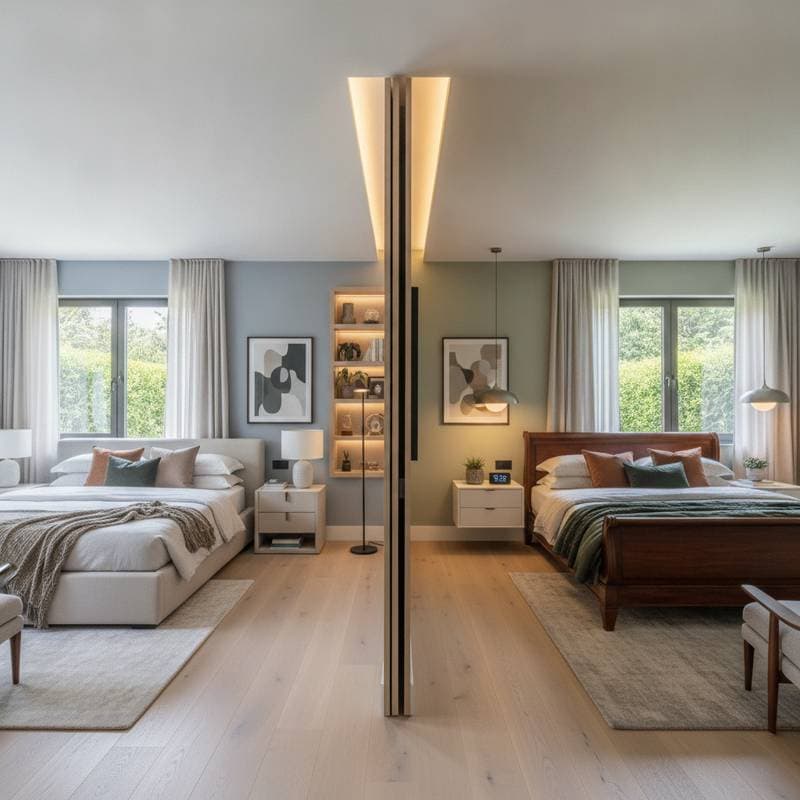
Understanding Dopamine Decor
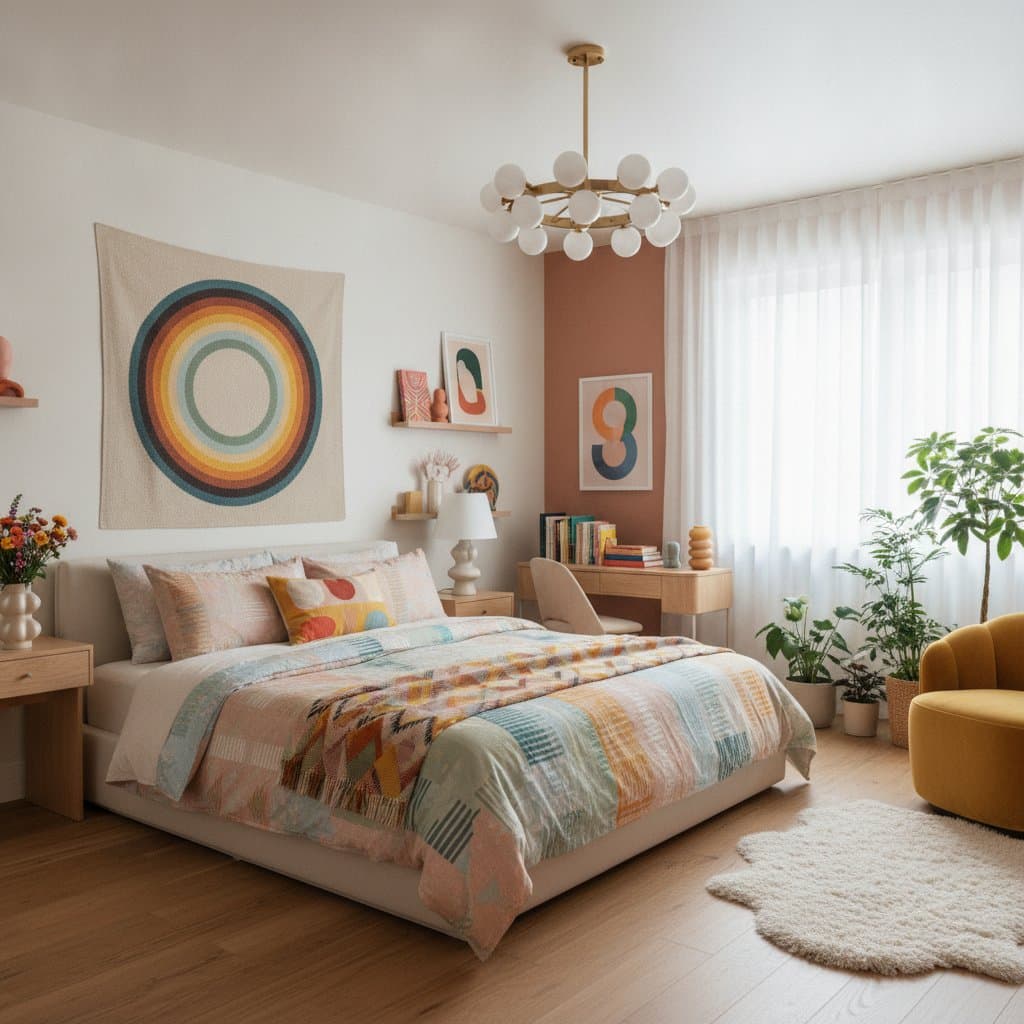
Dopamine decor is a design approach that celebrates color, comfort, and personality. It draws from the brain reward system where dopamine enhances motivation and pleasure. In home design this concept translates into spaces that visually and emotionally stimulate the senses through bold hues, tactile materials, and meaningful personal touches.
Unlike minimalist aesthetics, dopamine decor favors expressive combinations of color and pattern. The goal is controlled energy that reflects joy without overwhelming the mind. In a bedroom this means finding the right balance between excitement and restfulness.
How Color Influences Mood
Color influences the human nervous system through chromatic stimulation. Different wavelengths of light activate photoreceptors in the eyes that send signals to the hypothalamus. This activity can alter hormone levels, heart rate, and emotional state. Warm colors like red and orange tend to energize while cool tones such as blue and green promote calm.
Evaluate Your Current Space
Before applying dopamine decor principles evaluate the existing space with a systematic inspection. Consider color presence, lighting quality, material texture, focal points, and emotional reaction at different times of day. Collecting this information forms the foundation for planning a transformation that matches both emotional and functional needs.
Prepare Tools and Materials
A dopamine decor project benefits from structured planning. Allocate time for preparation, material selection, and testing. Gather paint samples in at least three color families along with painters tape, rollers, drop cloths, fabric swatches, adjustable lighting, and small decorative accents. Use low VOC paints to maintain healthy indoor air quality and verify that all electrical fixtures are properly rated.
Organize the project in phases that include color testing, painting, lighting installation, textile layering, and final accessory placement. Allow adequate drying time between coats before reassembling furniture.
Apply the Design Steps
Select a primary color that defines the room emotional tone. Coral or sunny yellow promotes energy while turquoise or lavender supports relaxation with a cheerful undertone. Choose secondary colors for balance and follow the 60 30 10 rule for proportion. This ratio maintains visual harmony even when vibrant shades are used.
Apply paint over a neutral primer in even strokes. For wallpaper align seams carefully and limit patterned options to one wall. Combine ambient, task, and accent lighting with bulbs rated between 2700K and 3000K. Install dimmer switches to adjust brightness according to mood.
Mix materials such as velvet, cotton, rattan, and wood to add tactile variety. A tufted headboard or chunky knit throw grounds vibrant colors while adding comfort. Vary texture and sheen when layering fabrics and repeat at least one color across multiple items for cohesion.
Choose decor items that evoke positive memories. Framed travel photos or handmade art contribute authenticity that strengthens emotional connection. Introduce neutral elements such as white linens to provide visual breathing space and keep clutter under control with organized storage.
Verify the Results
Observe the room under both daylight and artificial light to confirm color harmony. Test each fixture for brightness and adjust placement if shadows occur. Sit, lie down, and move through the space to ensure the layout supports relaxation. Spend time in the room at different times of day and note mood changes. Inspect surfaces for wear resistance and cleanability.
Maintain Freshness Over Time
Rotate accent colors seasonally with new pillow covers or throw blankets. Replace or rearrange artwork to renew visual stimuli. Clean fabric regularly to preserve color brightness and reassess lighting as natural daylight changes across seasons. Small updates restore novelty without requiring full redesign.
Practical Strategies for Lasting Impact
Test paint or fabric in the actual room lighting before final purchase. Pair bold colors with grounding neutrals to avoid imbalance. Position bright elements where they greet the eye upon entry. Use soft textiles to absorb noise and add light aromatic diffusers that match the room energy. Ensure bedding quality matches aesthetic goals so the space remains both joyful and restful.