2026 Moss Wall Trend Revamps Front Yards
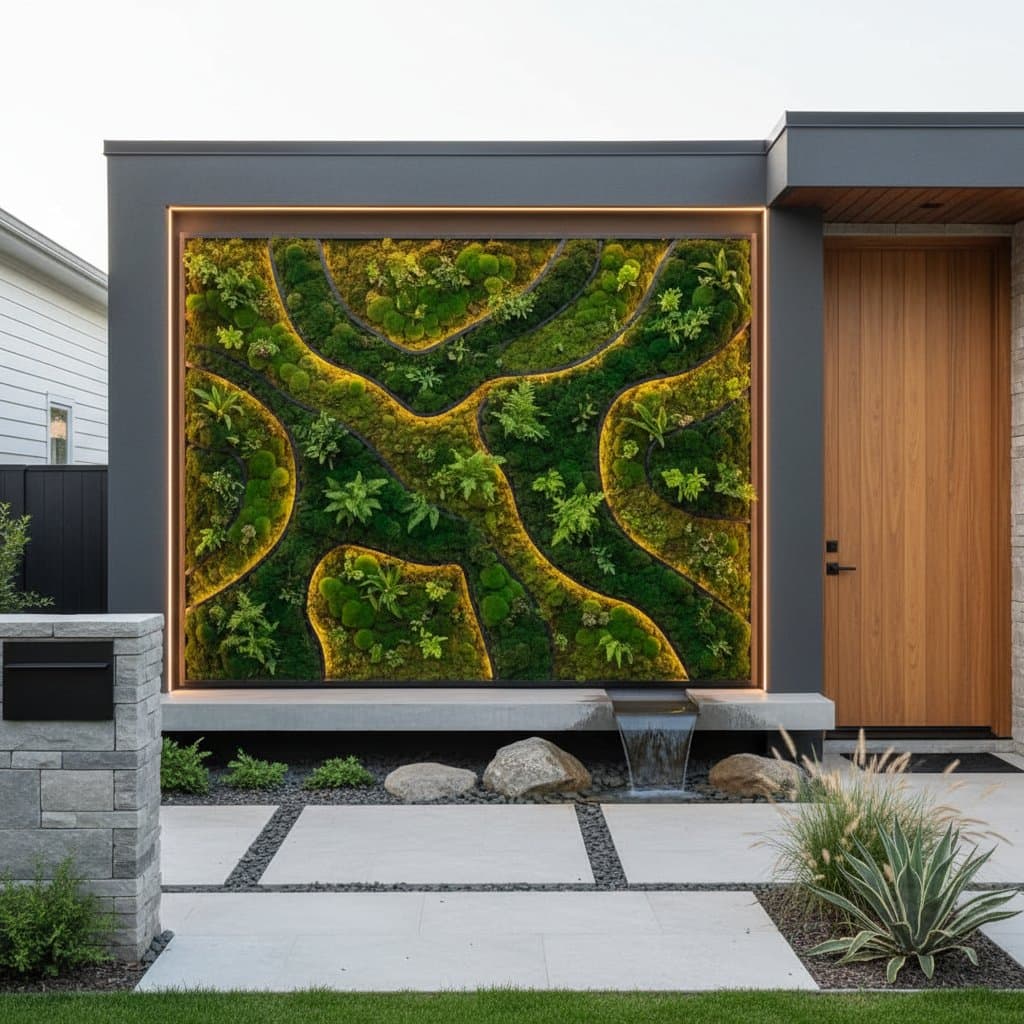
Imagine walking along a peaceful residential street and encountering a front yard that radiates tranquility. A fence covered in soft green texture catches the eye, the surrounding air feels noticeably cooler, and the entire scene conveys a profound sense of balance. This effect comes not from traditional hedges or ivy but from a living moss wall, the emerging trend that elevates front yards into vibrant artistic expressions.
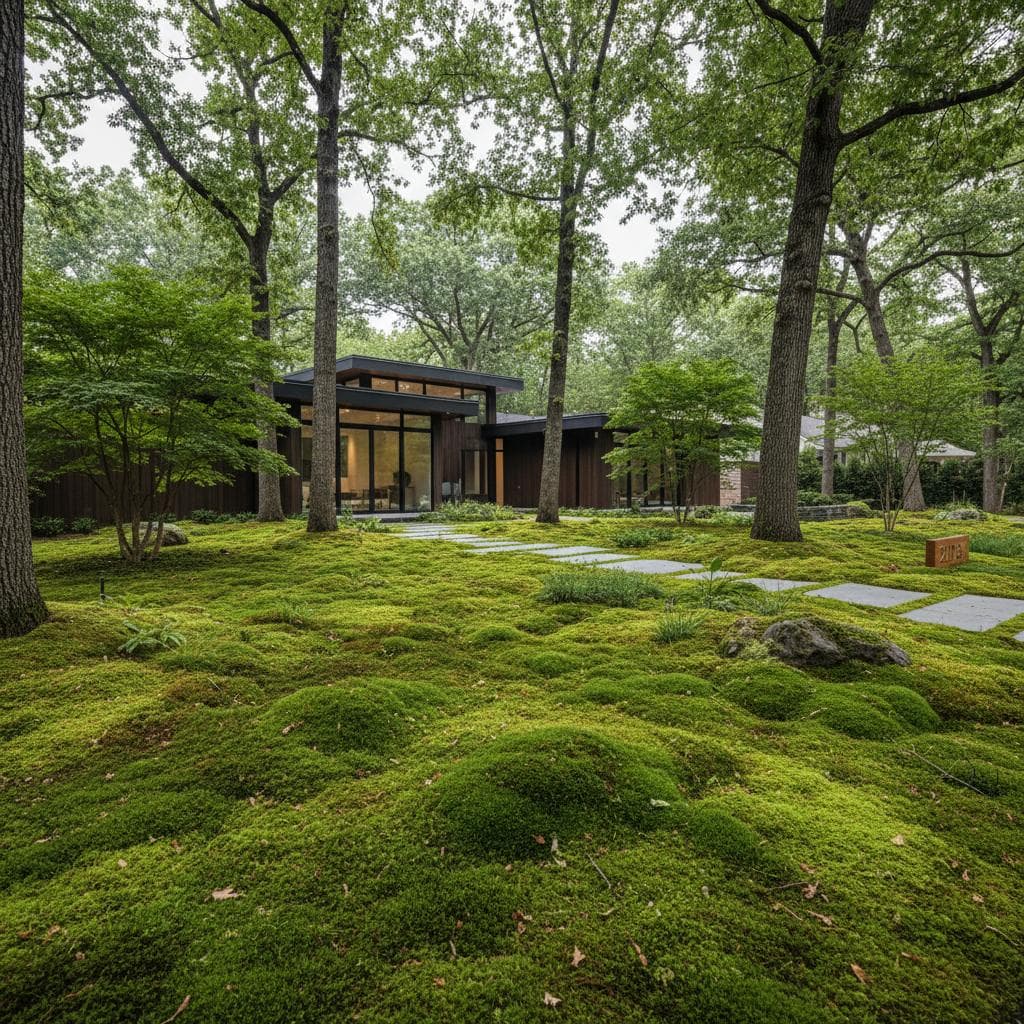
This design innovation redefines curb appeal by shifting focus from conventional lawns or rigid stone barriers to dynamic, living alternatives. Homeowners increasingly select moss for its ability to merge futuristic aesthetics with timeless natural elements, allowing nature to reclaim space in a subtle, graceful manner.
Moss Walls as Living Systems
Reasons Moss Walls Gain Popularity
Moss evokes an innate sense of serenity, reminiscent of forest undergrowth and weathered rocks, encouraging tactile interaction and quiet reflection. With rising environmental consciousness, property owners seek enhancements that avoid synthetic chemicals and high water consumption. Moss fulfills these priorities with exceptional efficacy.
Primary factors driving adoption of moss walls:
- Minimal Upkeep: After initial establishment, moss needs only sporadic misting or watering in arid periods.
- Environmental Benefits: Moss absorbs airborne pollutants and mitigates urban heat buildup around structures.
- Noise Reduction: The thick composition dampens external sounds, establishing a peaceful barrier.
- Aesthetic Flexibility: Options range from precise geometric arrangements to freeform organic designs, suiting diverse tastes.
- Durability: Well-installed moss endures for extended periods with negligible ongoing effort.
When nurtured organically, moss walls evolve like dynamic sculptures, responding to variations in illumination, humidity, and climate for a living, adaptive presence.
Steps to Construct a Moss Wall
Assembling a moss wall accommodates varying levels of complexity, sparking creativity and hands-on involvement. Follow this structured guide to implement one effectively:
- Identify Suitable Placement: Opt for shaded or partially lit spots, such as north-facing surfaces or sheltered under overhangs, to match moss preferences.
- Prepare the Foundation: Select porous substrates like stone, brick, or raw wood for optimal adhesion; cleanse the area thoroughly yet gently prior to application.
- Choose Moss Varieties: Sheet moss provides even coverage, whereas cushion moss introduces dimension and volume; blending types creates visual interest.
- Establish Support: Employ wire mesh or substrate mats for secure attachment, or prepare a yogurt-moss slurry as a natural bonding agent to encourage direct cultivation.
- Sustain Initial Moisture: Apply frequent light sprays over the establishment phase of several weeks to promote rooting; subsequent care simplifies considerably.
Individuals seeking convenience may choose pre-fabricated preserved moss panels. These utilize authentic moss treated to retain appearance indefinitely, eliminating the need for irrigation and ideal for arid regions or time-constrained lifestyles.
Essential Maintenance Practices
Although moss demonstrates remarkable resilience, consistent routines ensure optimal health.
- Steer Clear of Chemicals: Harsh substances damage moss; use fresh water for occasional rinsing to remove debris.
- Preserve Moisture Levels: Deliver a fine mist every few days to sustain lushness.
- Encourage Ventilation: Moss thrives in dampness but risks fungal issues without circulation; promote subtle air movement.
- Protect from Intense Exposure: Direct sun accelerates desiccation; prioritize shaded or diffused lighting.
Approach care as stewardship of an evolving artwork rather than intensive horticulture. Individual sections integrate into a cohesive display that mirrors environmental rhythms.
Versatile Design Inspirations
Moss walls excel in customization to complement any residence. A modern dwelling might incorporate a clean-lined moss rectangle encased in cedar for understated elegance. Traditional cottages benefit from irregular moss mosaics draping over masonry pillars, evoking rustic charm.
Innovative applications include sculpting moss into motifs or functional elements, such as address numerals etched in verdant contours. For added vitality, intersperse moss with complementary flora like dwarf ferns or cascading tendrils to build layers. Integrate raw timber, smoothed pebbles, or upcycled glass accents to enrich the narrative, crafting an intimate biophilic retreat at the home's threshold.
Expert Perspectives on Moss Integration
Professionals in landscape architecture hail moss walls as a subtle evolution in exterior styling, uniting ecological responsibility with refined visuals. This integration resolves tensions between form and function in outdoor environments. A noted designer likens moss to the essence of botanical expression, capturing its unassuming vitality that reshapes landscapes profoundly.
The self-regulating nature of established moss instills confidence in owners, delivering satisfaction through low-demand beauty. It exemplifies harmonious collaboration between human intent and natural processes.
Experiencing the Impact of Moss Walls
With a moss wall in place and maturing, tangible advantages emerge alongside aesthetic appeal. Indoor-outdoor air quality improves, welcoming thresholds gain warmth, and observers pause to appreciate the tactile allure. Such installations spark dialogues and underscore nature's capacity to refine everyday settings.
As seasons progress, the wall may exhibit nuanced tonal shifts or structural adaptations. These developments signify vitality rather than imperfections, chronicling influences from atmospheric conditions and diurnal cycles. The outcome remains authentically dynamic, intimately tied to the home's context.