Mushroom Insulation: The Sustainable Choice for Home Repairs
Picture this. You are repairing a drafty wall in your home. The wall lets cold air through unseen cracks every time the wind blows. You want a solution that keeps the space cozy while also supporting the planet. Mushroom insulation offers that option. It grows from agricultural waste and leaves almost no footprint behind.
What Exactly Is Mushroom Insulation?
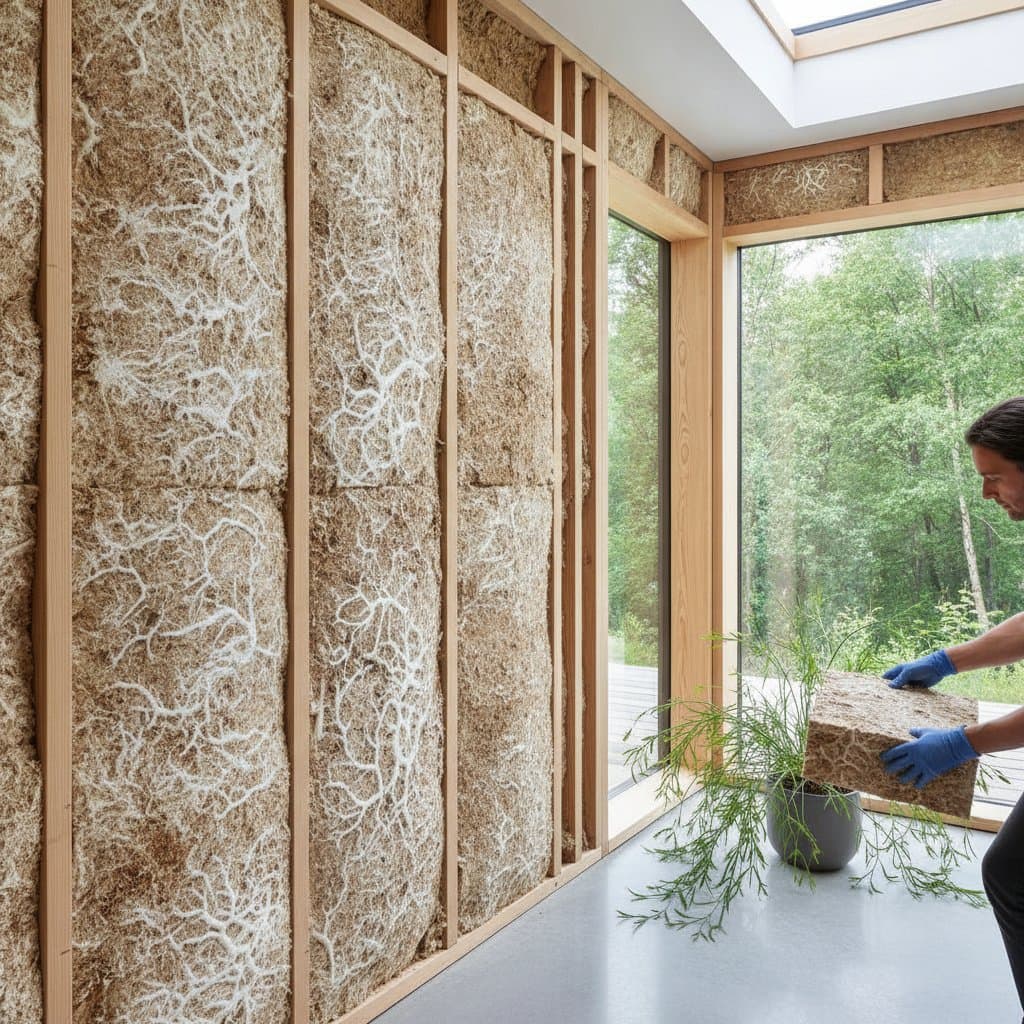
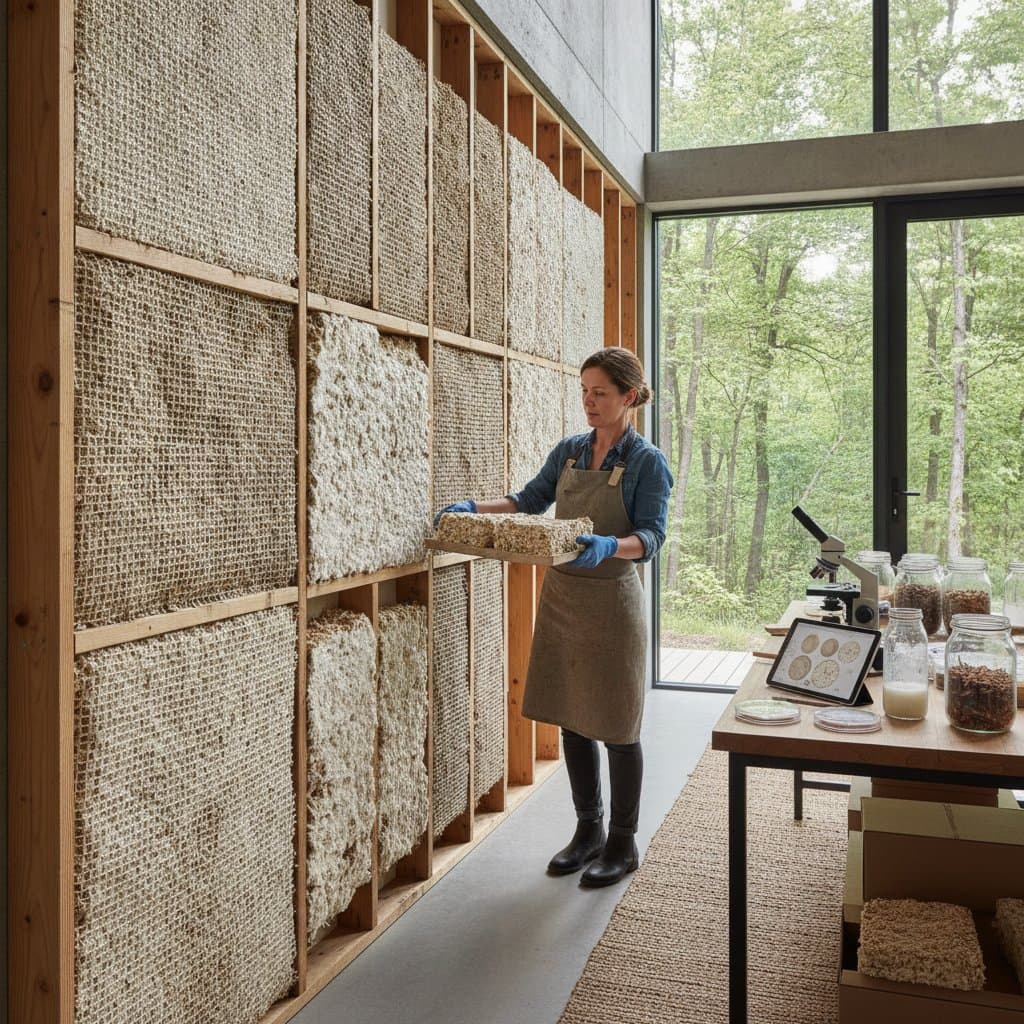
Mushroom insulation comes from mycelium. Mycelium is the root-like network that forms the underground foundation of fungi. Manufacturers mix it with organic waste such as corn husks or sawdust. The mycelium acts as a natural binder. Over several days it weaves through the material and creates a dense, sponge-like structure. The mixture is then molded into panels or blocks. After drying, the material becomes lightweight yet sturdy. It resists fire, regulates temperature, and absorbs sound.
Why Homeowners Choose Mycelium Insulation
Traditional insulation often contains plastics or formaldehyde. These additives can release harmful compounds into indoor air. Mushroom insulation avoids those issues. It is non-toxic and renewable. Homeowners can handle it safely without gloves or masks. The material also delivers strong thermal resistance. It keeps warm air inside during cold months and limits heat buildup in warm months. Natural fire resistance slows combustion. The growth process fills every crevice of the mold, which reduces air leaks.
How the Material Grows and Adapts
Mycelium grows into its final shape inside a mold. Heat treatment then stops further growth. The result is a custom-fit panel that other materials rarely match. The same process allows different shapes and densities. Panels suit walls, attics, and soundproofing applications. Natural fibers interlock tightly and provide both strength and flexibility.
Steps for Using Mushroom Insulation in Repairs
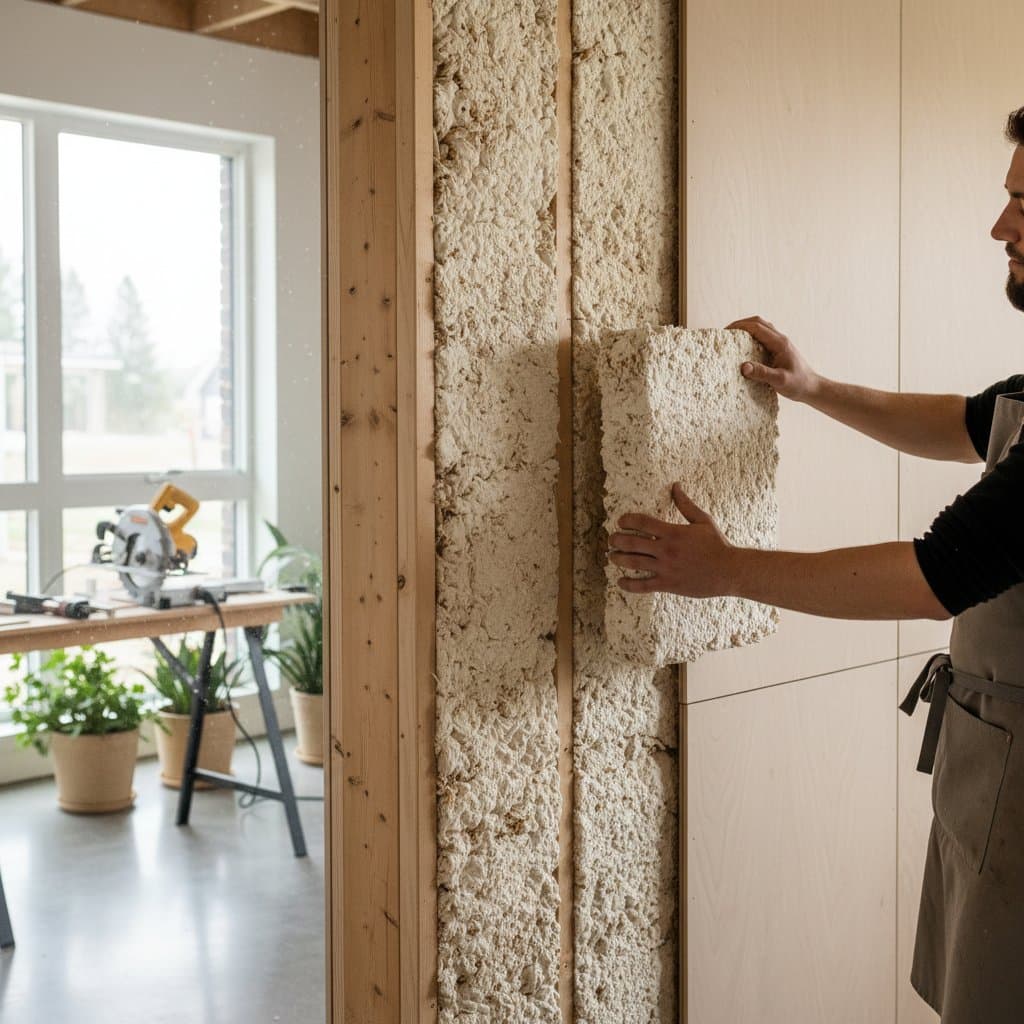
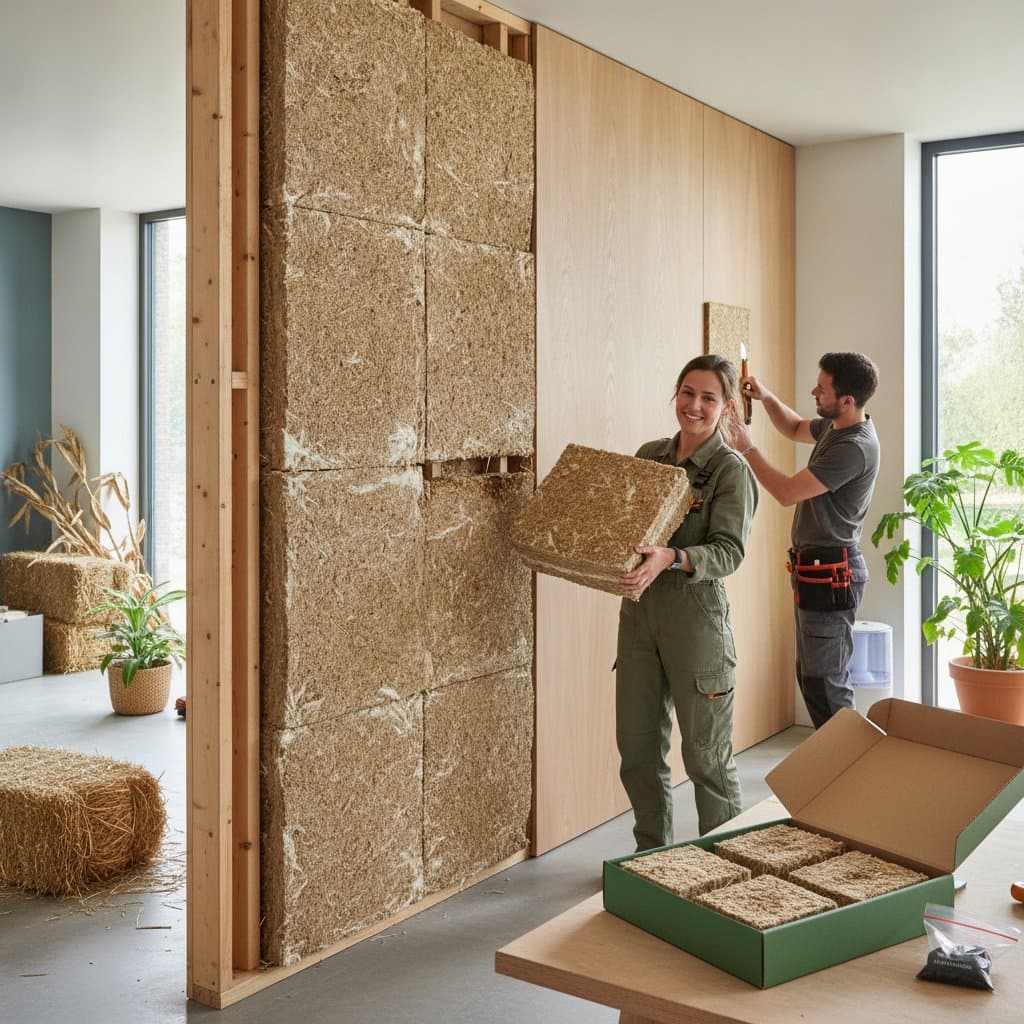
Homeowners can add mushroom insulation to existing structures with basic tools. The panels are lightweight and easy to cut.
- Assess the space and locate areas of heat loss such as attic eaves, window frames, and exterior walls.
- Prepare the area by removing old insulation and ensuring the surface is clean and dry.
- Cut panels to size with a utility knife and press them snugly into the cavity.
- Seal gaps with natural caulk or air-sealing tape, then cover with the chosen wall material.
The process requires no special protective equipment. Both DIY users and contractors can complete it quickly.
Production and Environmental Benefits
Mycelium insulation begins as agricultural waste that would otherwise be discarded. The growth medium turns that waste into a useful product. Production occurs at room temperature and needs only humidity and time. The low-energy method uses far less power than the manufacture of fiberglass or foam. Some suppliers offer locally grown kits that further cut transportation emissions.
Comparison with Conventional Materials
Fiberglass can irritate skin and lungs during installation. Foam products come from petroleum and often emit volatile compounds. Mushroom insulation is safe to touch and compostable at the end of its life. It also resists pests and mold. Once dried and sealed, the panels resist rot and moisture. Breathable fibers help regulate humidity inside walls and reduce long-term damage.
Bringing Mycelium Insulation into Your Home
Start with a small project such as a crawl space or an interior wall section. Source panels from suppliers who use agricultural waste responsibly and avoid chemical additives. Each installation reduces reliance on plastics and synthetic materials. Over time the approach can extend throughout the home. The material turns routine repairs into steps that support both comfort and environmental goals.