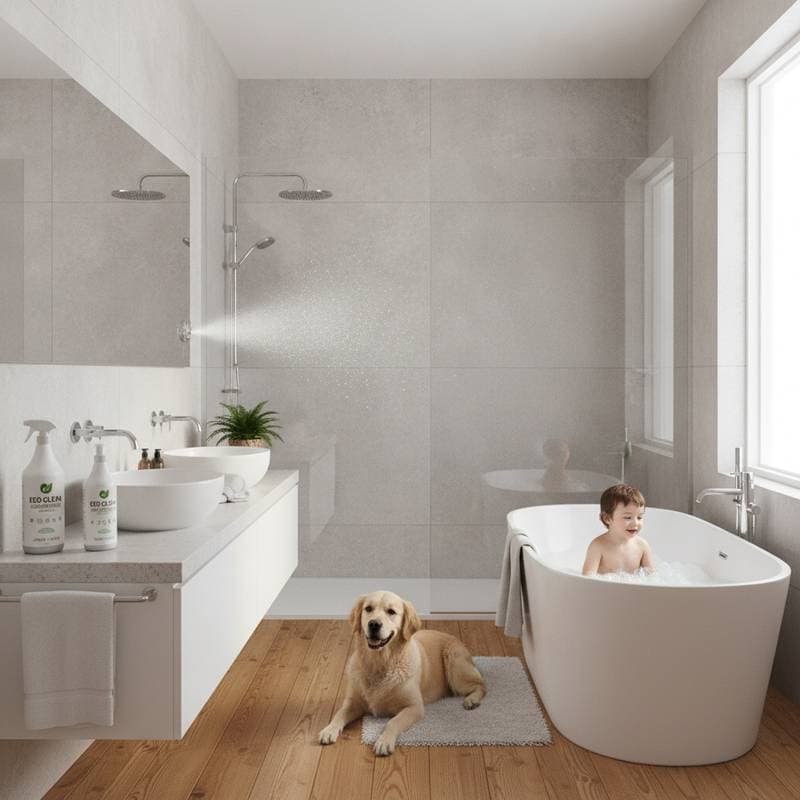
Mushroom Grout: Revolutionizing Bathroom Hygiene with Mycelium
Key Points:
- Mycelium-based grout employs living fungal fibers to resist mold and bacteria naturally.
- This approach provides a sustainable option to replace materials reliant on chemicals in bathrooms.
- Initial evaluations demonstrate strong durability, flexibility, and straightforward upkeep.
- The innovation promises to elevate design aesthetics and hygiene protocols in contemporary bathrooms.
- Specialists foresee expanded uses, extending from kitchens to sustainable housing initiatives.
Embracing Living Materials in Design
The sustainable design sector has increasingly explored mycelium, the underground root system of mushrooms. This organic web links ecosystems and facilitates nutrient recycling in soil. Researchers and designers now cultivate mycelium to develop substitutes for plastics, foams, and leather.
Exploring the Science of Mycelium Grout
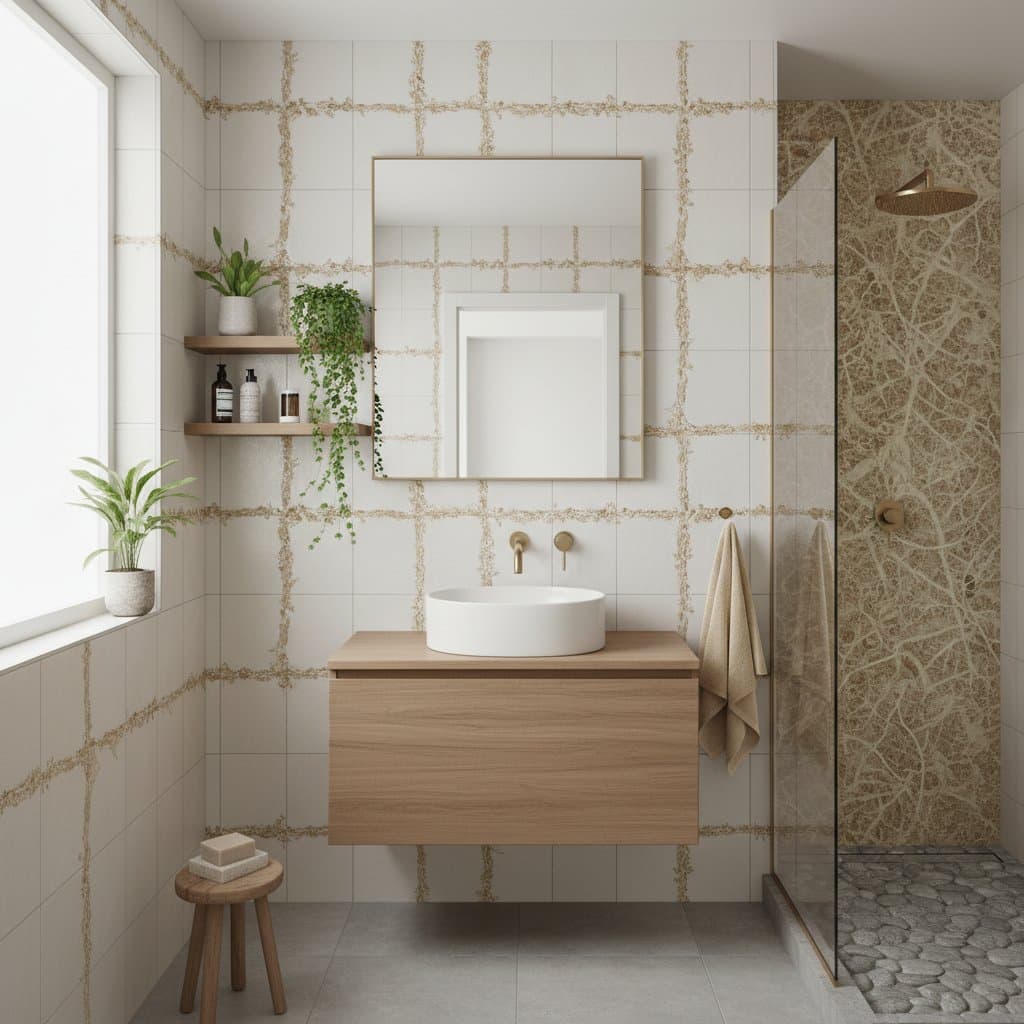
Mycelium grout functions through its intricate microscopic composition. It consists of hyphae, slender filaments that weave into a compact network. This structure establishes a natural insulating layer, capturing air and managing moisture levels. When integrated with mineral binders, the result achieves structural firmness while preserving breathability.
Scientists have examined mycelium's durability for many years. The material endures harsh environments, regenerates rapidly, and integrates symbiotically with adjacent substances. In grout applications, this resilience translates to effective protection. Rather than fully excluding moisture, it permits regulated ventilation to avert stagnation, the primary catalyst for mold.
This equilibrium of permeability and robustness distinguishes mycelium grout from standard alternatives. Installers achieve the pristine appearance of new tiles without recurring resealing or chemical treatments.
Insights from Experts and Practitioners
Dr. Lena Ortiz, a materials scientist focused on bio-composites, views mycelium grout as a pivotal advancement in interior design. She explains, "We used to think of bathrooms as sterile spaces that needed harsh cleaners and chemicals to stay hygienic. This material changes that mindset. It uses biology itself to maintain cleanliness."
Tile installer Marco DeLuca, who has applied mycelium grout in multiple eco-friendly residences, notes the process mirrors traditional methods. He states, "It spreads smoothly, sets firmly, and looks great. The only difference is that it does not trap water. I have gone back to check on projects months later, and the grout still looks new."
These pioneers regard mycelium grout as integral to antimicrobial bathroom concepts, environments engineered to harmonize with natural elements.
Expanding the Role of Mycelium in Construction
Mycelium grout aligns with emerging innovations such as mycelium leather, packaging solutions, and insulation panels. These fungal-derived products illustrate the potential to transform multiple sectors.
Architects experiment with mycelium for interior partitions, sound-absorbing panels, and ornamental features. Its inherent texture and pliability foster serene atmospheres, a trait prized in health-oriented spaces. Bathrooms, frequently undervalued in home layouts, serve as prime venues for validating these materials.
As sustainability gains traction among homeowners, mycelium's adaptability may reshape definitions of green design. Beyond recycled finishes or efficient illumination, ecological approaches now encompass foundational building components.
Implementing Mycelium Grout in Your Space
Adopting mushroom grout transcends mere aesthetics; it reflects intentional environmental engagement. For sustainable renovation projects, engage suppliers versed in bio-materials. They assess compatibility with current tiles and outline the curing procedure.
Integrate mycelium grout with complementary natural features, including cork underlayment, bamboo fixtures, or clay finishes. Such combinations yield unified visuals and enhance interior air purity. In regions with high humidity, the material's moisture control extends advantages to broader areas.
Design aficionados will appreciate how mycelium grout bridges functional enhancement and ecological alignment.
Experiencing the Benefits Daily
After installation, mycelium grout introduces understated yet significant improvements. Homeowners observe reduced odors, diminished upkeep demands, and sustained freshness.
This material heralds an era where mycelium contributes to healthier, more intelligent, and environmentally sound living spaces.