Why Edible Yards Are Gaining Popularity
Homeowners increasingly replace manicured grass with edible yards to achieve sustainability, visual appeal, and functional benefits. These landscapes integrate fruit trees, herbs, and vegetables directly into front-yard designs, creating eco-friendly alternatives that yield fresh produce. The approach aligns landscaping with food cultivation, converting everyday spaces into productive assets.
Experts highlight how edible yards enhance property desirability while slashing water and upkeep demands. Proper planning ensures these gardens maintain a refined appearance comparable to conventional lawns, all while providing nourishment for the home. This shift reflects broader priorities in resource conservation and practical outdoor living.
The Drawbacks of Traditional Lawns
Principles for Designing Edible Yards
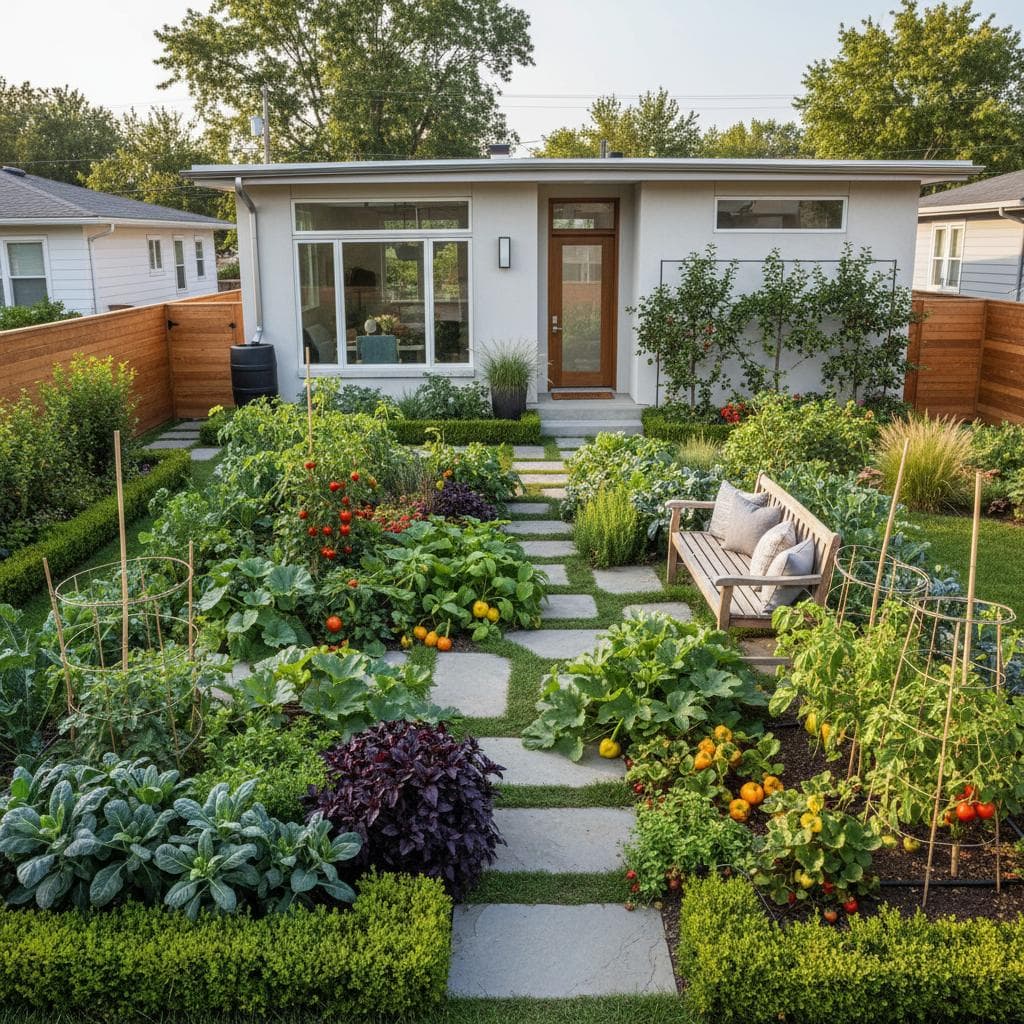
Transitioning from turf to a food-producing yard requires strategy rather than complexity. Professionals emphasize intentional layouts that integrate edibles seamlessly, avoiding the appearance of a simple plot. Incorporate defined patterns, varied plant heights, and aesthetic features to match professional landscaping standards.
Essential Design Strategies
-
Layering Plants: Position tall elements like fruit trees or supported vines at the back for vertical interest. Add mid-level shrubs such as blueberries or rosemary for density. Ground-level options including strawberries or thyme ensure complete coverage and harmony.
-
Incorporating Color and Texture: Combine edible varieties with non-edible accents for dynamic visuals. Options like purple basil, multicolored Swiss chard, and vibrant nasturtiums introduce variety without sacrificing productivity.
-
Planning for Year-Round Growth: Select plants that rotate through seasons to maintain vitality. Summer favorites such as tomatoes and peppers flourish in heat, while winter choices like kale and carrots endure cooler conditions.
-
Defining Spaces with Pathways and Edges: Install gravel or bark pathways for navigation and organization. Border plantings of herbs or marigolds delineate areas and naturally repel insects.
-
Optimizing Water Use: Shift to targeted drip systems that deliver moisture directly to roots, eliminating excess evaporation common in overhead watering.
These elements yield a polished yard that fulfills dual roles. Upkeep simplifies over time, focusing on selective trimming and gathering rather than constant grass care.
Historical Context and Emerging Trends
Home-based food cultivation draws from longstanding global practices. Mediterranean estates feature citrus groves in enclosed yards, Asian residences include discreet herb plots, and Indigenous communities maintain integrated food systems. These examples predate contemporary lawn culture by generations, prioritizing utility and elegance.
Today, advancements refine this heritage. Software applications analyze light and soil data for optimal planting. Specialized nurseries provide dwarf fruit trees ideal for compact lots. Local seminars and virtual tutorials empower beginners with essential skills.
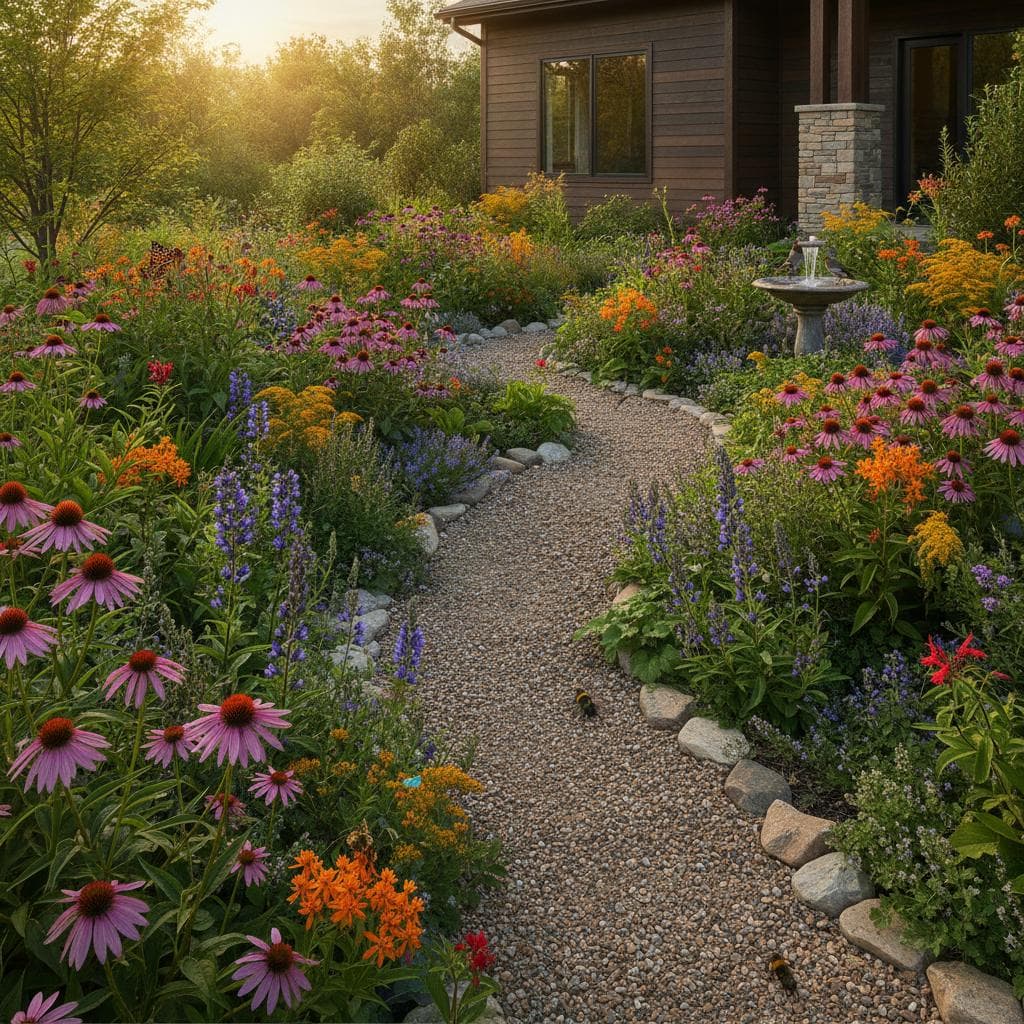
Edible yards embody subtle environmental advocacy amid heightened climate focus. They cultivate biodiversity through pollinator-friendly flora, preserve water, and lessen reliance on distant food supplies, thereby shrinking transportation emissions. Thus, each installation serves as a private sanctuary and a broader ecological contribution.
Steps to Create Your Edible Yard
Initiate the change by assessing site conditions like sun exposure, soil quality, and dimensions. Draft a plan that balances form and function, selecting species adapted to local weather. Consult regional extension services or garden centers for tailored recommendations.
Practical Starting Ideas
-
Substitute decorative bushes with productive alternatives, including blueberry varieties or dwarf pomegranates, for immediate yields.
-
Establish elevated beds in sunlit grass sections to cultivate rotating vegetables like lettuce or beans.
-
Border walkways and entry points with aromatic herbs such as thyme or sage to enhance scent and usability.
-
Integrate edible blooms like calendula or nasturtium for ornamental flair and kitchen applications.
-
Set up collection systems for rainwater or efficient irrigation to support low-effort hydration.
Benefits of Embracing Edible Yards
Adopting an edible yard delivers multifaceted advantages, from fresher meals to reduced bills. Families gain access to nutrient-rich foods grown without pesticides, promoting health and culinary creativity. Environmentally, these spaces mitigate urban heat, foster wildlife, and exemplify resilient living.
Property values rise with the appeal of innovative, low-maintenance designs that signal forward-thinking ownership. Over time, the investment in planning pays dividends through savings on groceries, water, and labor. Ultimately, edible yards nurture a harmonious relationship with nature, yielding abundance for generations.