Transforming Front Yards: Beyond Traditional Lawns
Many homeowners observe their lawns turning brown amid tightening water restrictions, prompting a reevaluation of this once-cherished feature. The ideal green expanse often becomes a source of frustration rather than pride. Traditional lawns demand excessive water, fertilizers, and labor while providing minimal ecological value. Fortunately, climate-adaptive landscaping offers a practical, attractive alternative that aligns with modern environmental needs.
The Shifting Role of Lawns in Modern Landscapes
Lawns historically represented prosperity and order. However, evolving climates with rising temperatures and erratic rainfall challenge their viability. Maintaining a uniform green surface requires ongoing resistance to natural conditions, consuming vast amounts of water, time, and chemicals that degrade soil and disrupt local habitats.
Defining Climate-Adaptive Landscaping
Climate-adaptive landscaping involves tailoring outdoor spaces to regional weather patterns and soil conditions. This approach integrates aesthetics with functionality, fostering environments that endure without constant human intervention. The result is a dynamic yard that reflects personal style while supporting ecological health.
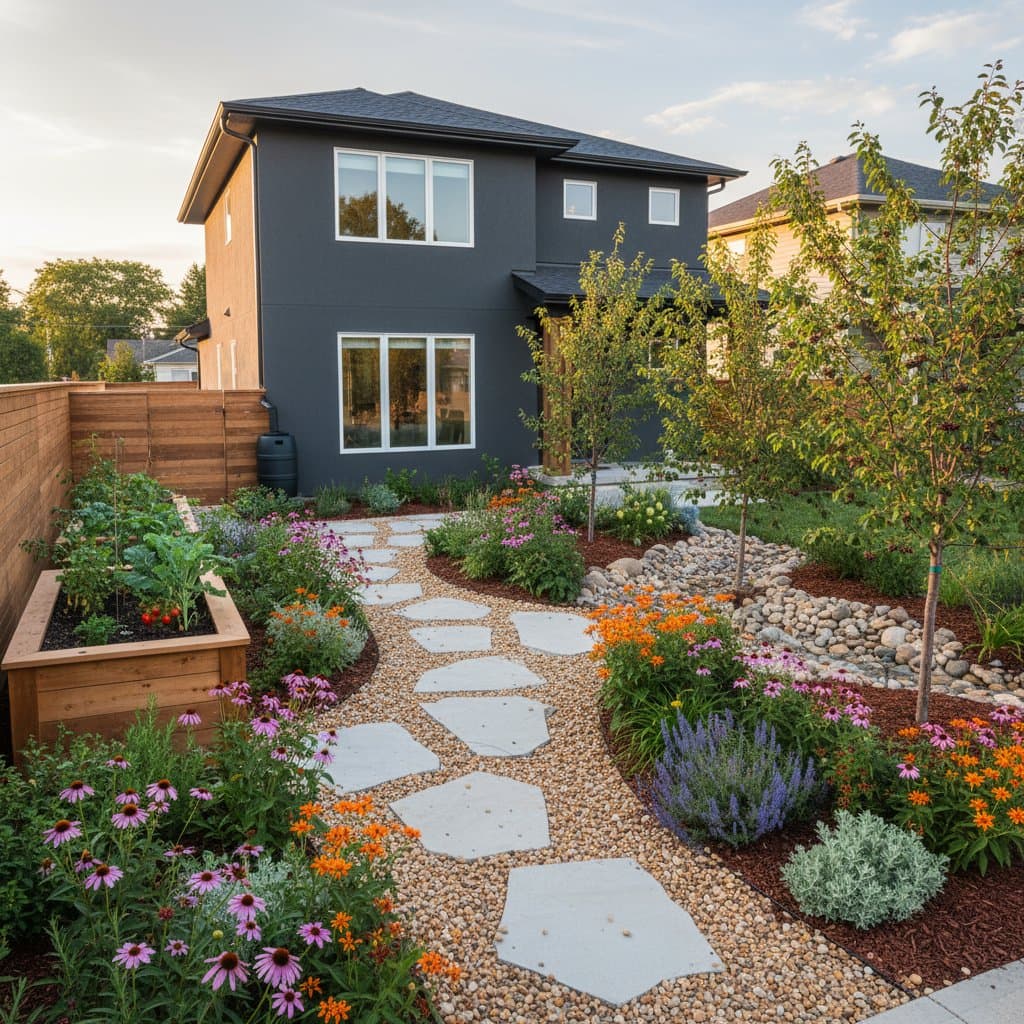
Practical implementation includes selecting vegetation suited to local climates, such as drought-resistant species that require minimal supplemental watering. Incorporate efficient watering systems and permeable surfaces to manage runoff effectively. Redefine beauty through diverse plantings: native grasses paired with perennials offer visual interest comparable to, or surpassing, manicured turf.
Advantages Extending Past Water Conservation
Water reduction stands as a primary benefit of forgoing lawns, yet additional gains enhance overall yard performance.
- Reduced Upkeep: Eliminate routine mowing and trimming sessions, freeing weekends for relaxation rather than labor.
- Improved Soil Quality: Drought-tolerant and native species rebuild soil structure, fostering microbial activity and insect habitats.
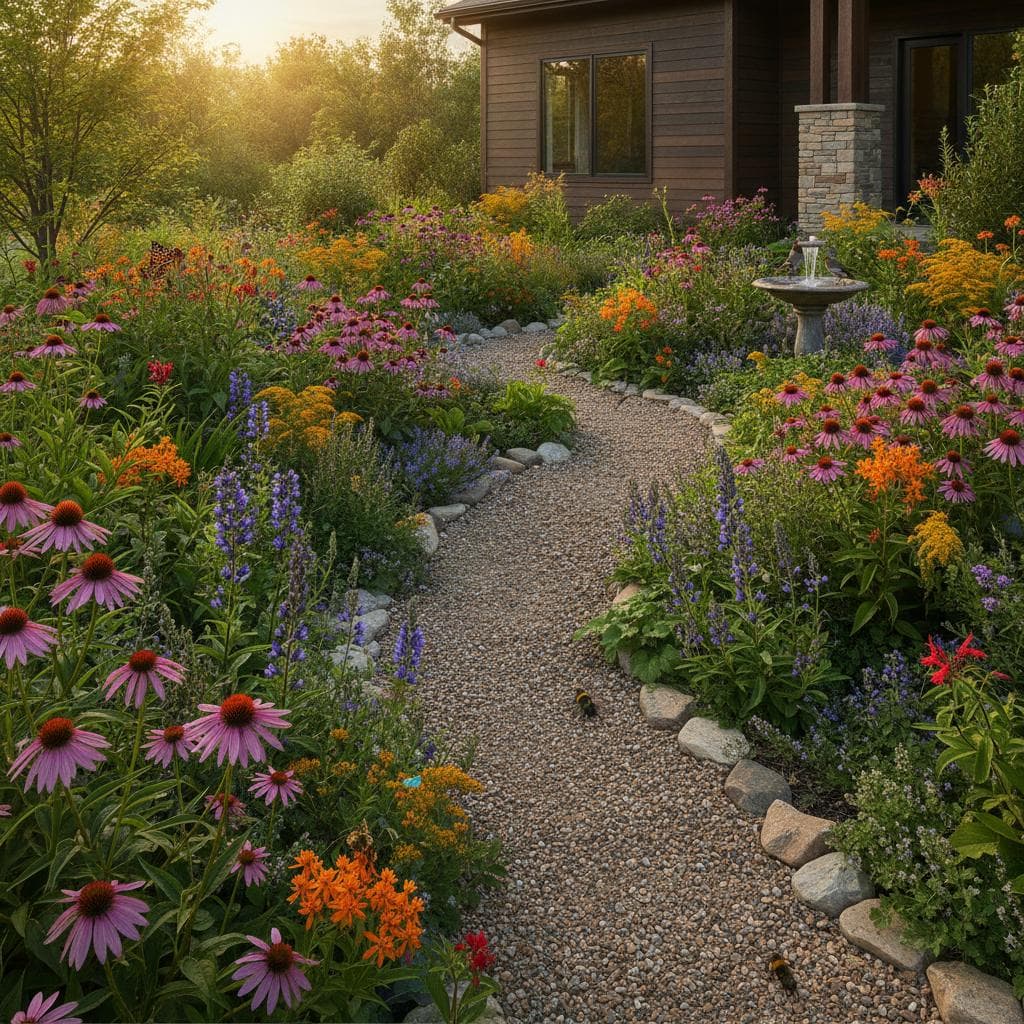
- Enhanced Biodiversity: Diverse plantings draw pollinators, including bees and butterflies, strengthening local food webs.
- Cost Efficiency: Established adaptive designs demand fewer inputs, lowering utility bills and eliminating chemical expenses.
- Year-Round Appeal: Varied foliage, blooms, and textures ensure evolving visual interest across seasons.
These yards exude vitality, with increased bird activity and improved air quality. They integrate seamlessly with the surrounding landscape, promoting a sense of harmony.
Effective Alternatives to Conventional Turf
Transitioning from grass opens opportunities for versatile, low-impact designs. Consider these options, adaptable to different aesthetics and climates.
-
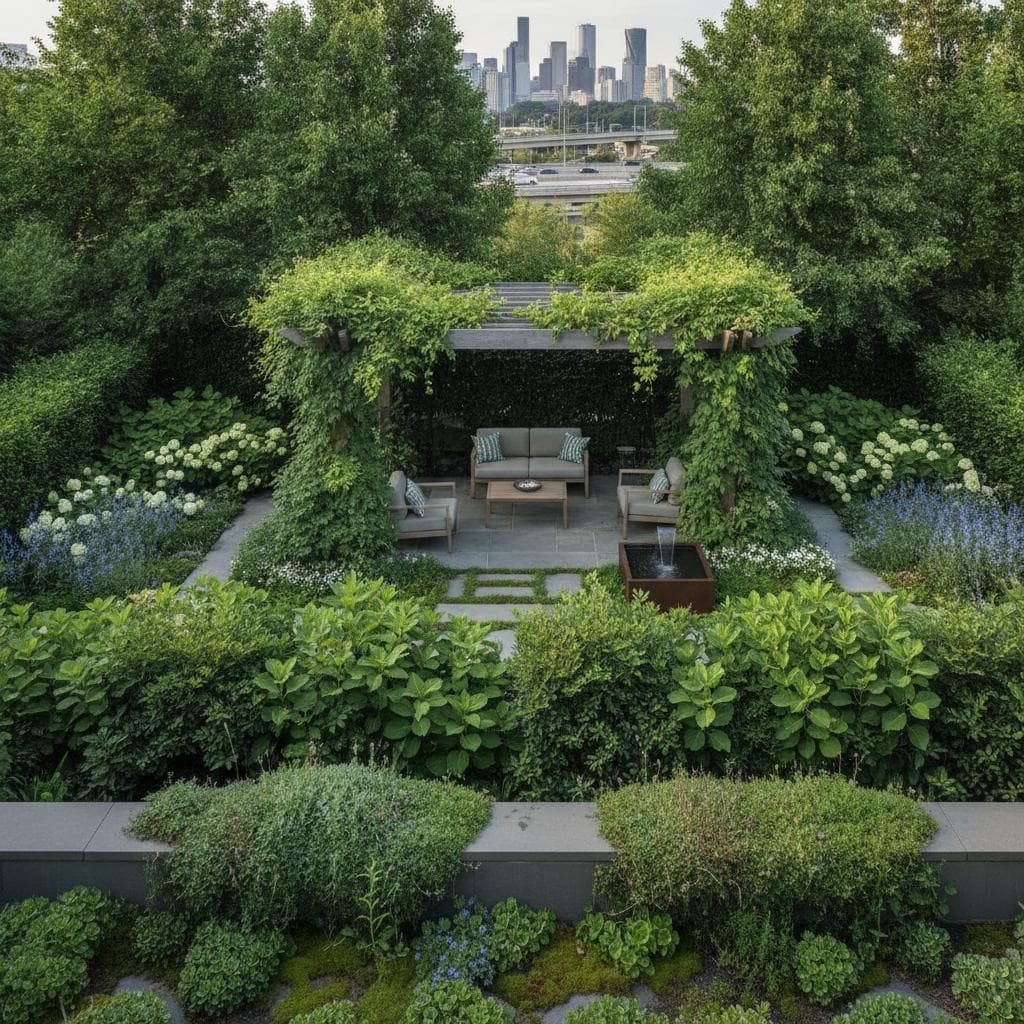
Native Groundcovers: Select low-growing species such as creeping thyme, yarrow, or white clover. These provide a walkable green surface with reduced irrigation needs.
-
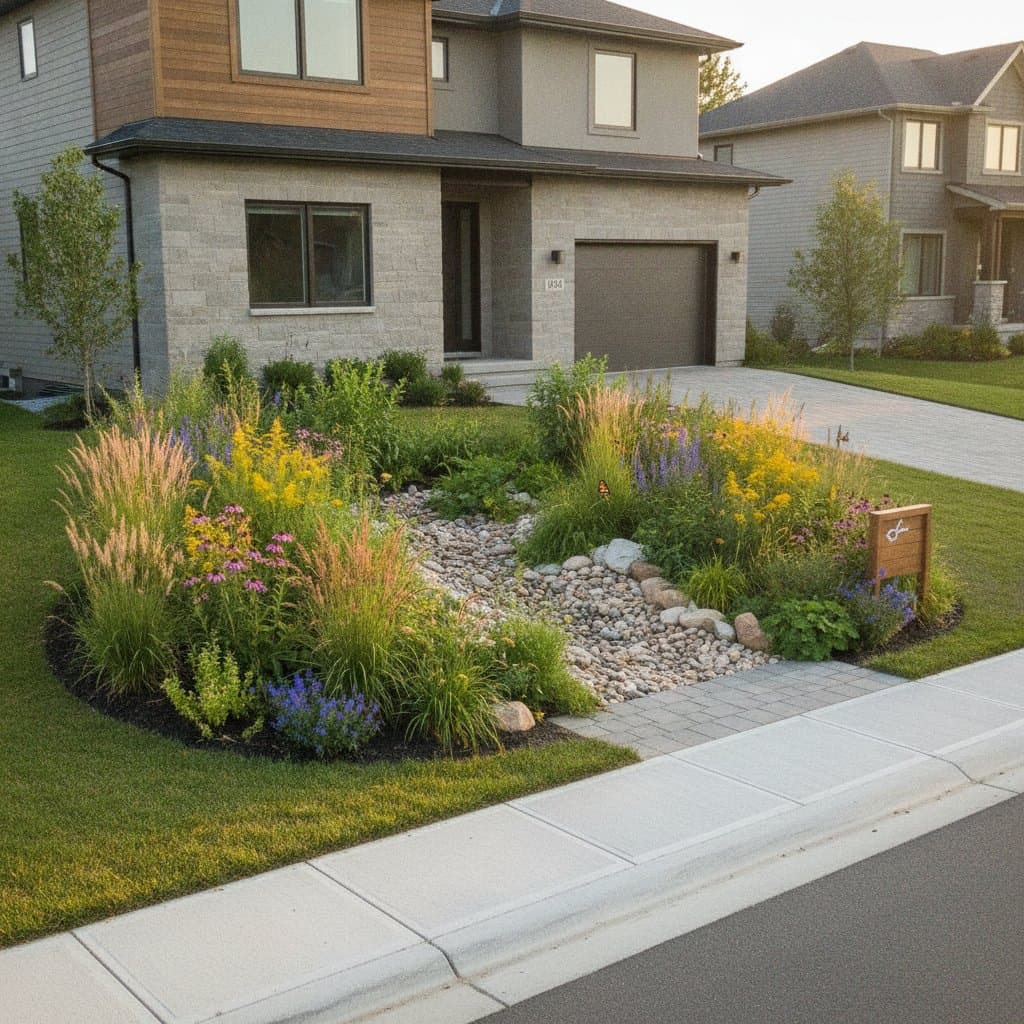
Ornamental Grasses: Opt for varieties like blue fescue, muhly grass, or feather reed grass. They introduce swaying motion and highlight evening light for dramatic effect.
-
Gravel or Decomposed Granite Features: Pair these hardscapes with succulents, agave, or lavender. The combination yields a contemporary, water-wise layout with subtle lushness.
-
Perennial Plantings: Layer resilient flowers such as echinacea, salvia, or black-eyed Susan alongside native shrubs. This creates a seasonal display of color and form.
-
Edible Gardens: Integrate herbs, berry bushes, or dwarf fruit trees into the front yard. Such elements combine utility with ornamental value, sparking neighbor interest.
-
Rain Gardens: Design these for water-prone areas to capture and filter runoff. Include moisture-loving natives for added beauty and functionality.
Customize selections to match personal preferences, from polished minimalism to untamed naturalism.
Step-by-Step Yard Redesign Process
Overhaul your landscape gradually to minimize disruption and expense. Begin by converting a single lawn patch to groundcover or installing a gravel accent near the entrance. This phased method allows experimentation with site-specific elements.
Observe your yard's conditions first: identify full-sun exposures, shaded zones, and drainage patterns. Base plant choices on these insights, grouping species by shared requirements for light and moisture—a technique known as hydrozoning. This strategy optimizes water use and plant vitality.
Upgrade to drip irrigation systems, which target roots directly and curb evaporation. Apply organic mulch layers to retain soil moisture, suppress weeds, and moderate temperatures. Incorporate functional features like stone paths or shaded benches to encourage outdoor enjoyment.
Pitfalls to Sidestep in Redesign
Well-intentioned changes can falter without careful planning. Consult regional native plant resources to ensure selections suit your locale, as tolerance varies by area.
Resist overwatering young plants; they adapt quickly and thrive on natural rainfall post-establishment. Balance variety with cohesion—repeat key plants for a unified rhythm, avoiding overwhelming complexity. Recognize that even adaptive designs require periodic care, such as pruning and weeding, to maintain polish.
Focus on creating a low-effort space that thrives effortlessly, steering clear of underattended appearances.
Embracing Seasonal Changes in Your Yard
As your redesigned yard matures, it reshapes daily interactions with the outdoors. Track how perennials bloom in response to sunlight or how shrubs shelter wildlife. This attunement fosters appreciation for natural cycles and reinforces the yard's environmental contributions.
Action Plan for Your Landscape Overhaul
Initiate your project with targeted steps: assess one yard area this weekend, source natives from a specialty nursery, and draft a simple layout. Engage with experts for tailored advice, and proceed without needing extensive funds or hires. Your efforts will yield a resilient, rewarding front yard aligned with sustainable living.