Key Points
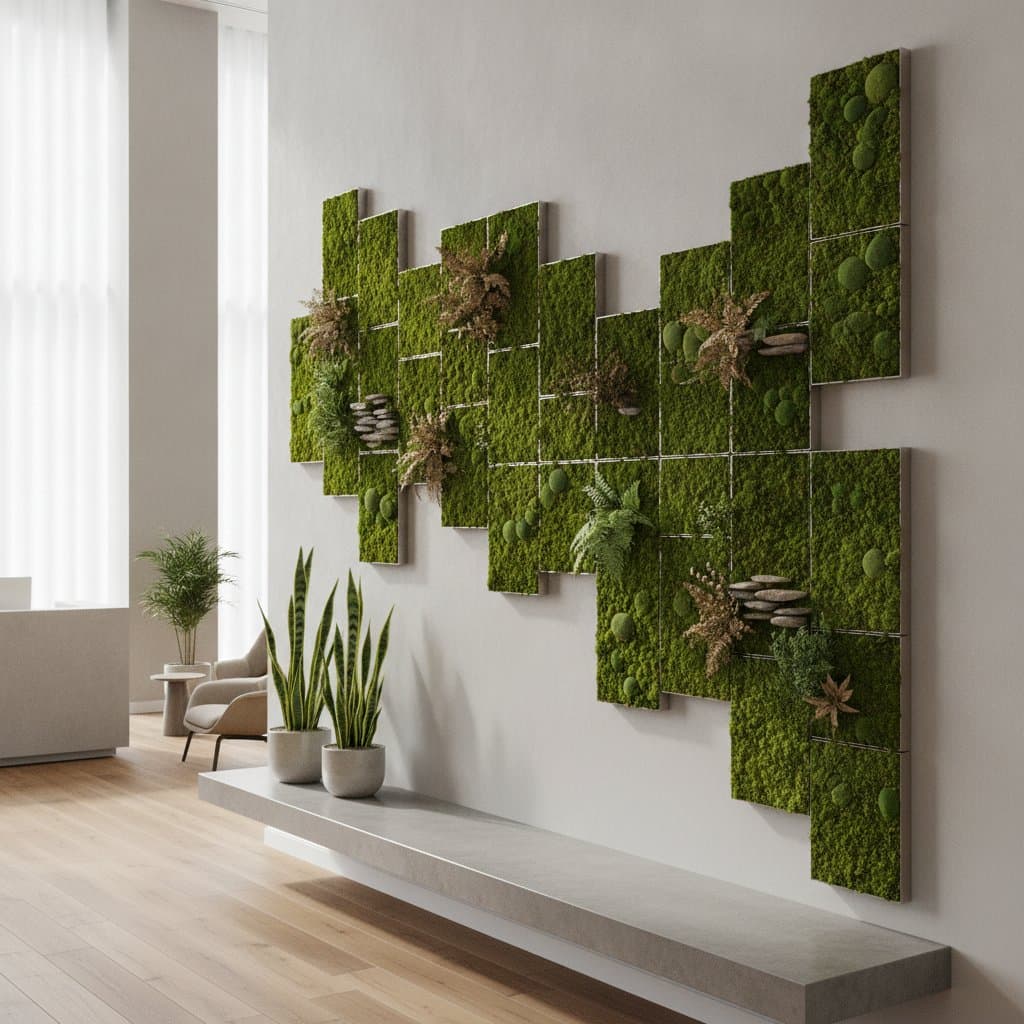
- Living moss walls enhance curb appeal with natural textures and subtle color variations that thrive in shade.
- They perform well in low-light conditions where traditional plants struggle.
- Moss installations regulate temperature, reduce noise, and purify air effectively.
- These features demand minimal maintenance while providing strong visual impact for front yards.
- Designers value their ability to complement various architectural styles seamlessly.
- Homeowners benefit from their durability and positive environmental effects over time.
A Captivating Front Yard Entrance
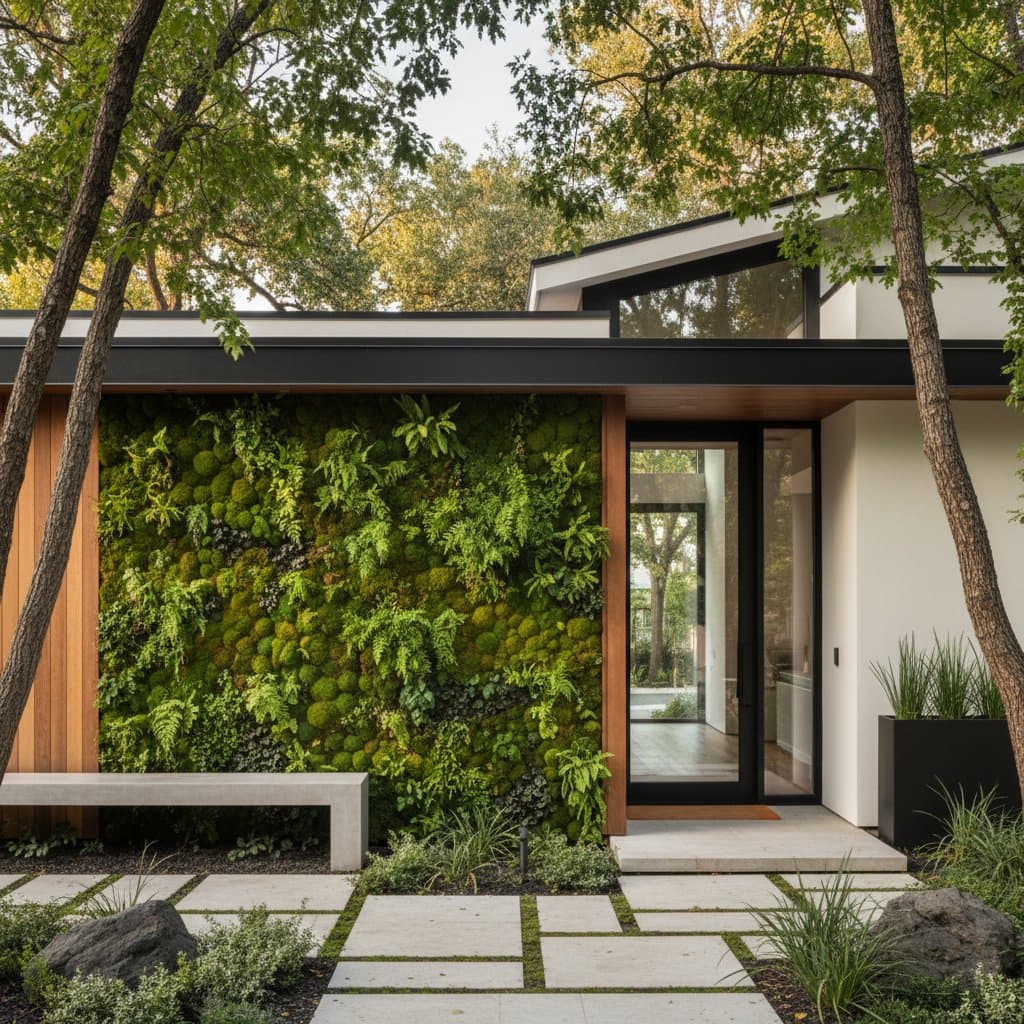
Picture arriving at a home where the front yard functions as a living art piece instead of a plain lawn. A lush moss wall absorbs available light, its surface rippling with organic depth. Unlike artificial elements or fixed ornaments, this installation breathes with vitality, responding to weather patterns and seasons. It combines creativity, building principles, and natural elements into a modern approach to outdoor improvement.
The Growing Appeal of Moss Walls
Moss sets itself apart from ordinary plants by growing without soil. It draws in water and nutrients from the air, supporting upright development on simple structures. This flexibility fits small city properties or sites with limited ground space, producing a soft, inviting surface that suggests both fresh ideas and timeless style.
Environmental experts point out moss's natural filtering abilities, as it captures dust and pollutants while releasing oxygen. It forms small habitats for insects and pollinators, supporting local biodiversity. For people focused on sustainability, the mix of beauty and purpose makes moss walls highly attractive.
Examine particular types: Sphagnum moss delivers thick, padded layers perfect for moist areas, whereas Hypnum moss creates a delicate, flowing look for less humid shadows. Both varieties help combat city air issues, with research showing potential air quality gains of up to 20 percent around such setups.
Aesthetic Integration in Design
In terms of architecture, moss walls fit smoothly into different designs. For contemporary homes with clean lines, one moss panel acts as the main organic highlight. Older buildings gain a modern touch from moss details that enhance without dominating. Experts often pair moss with elements such as aged stone, recycled timber, or polished metal to build balanced contrasts, yielding designs that unite shape and energy.
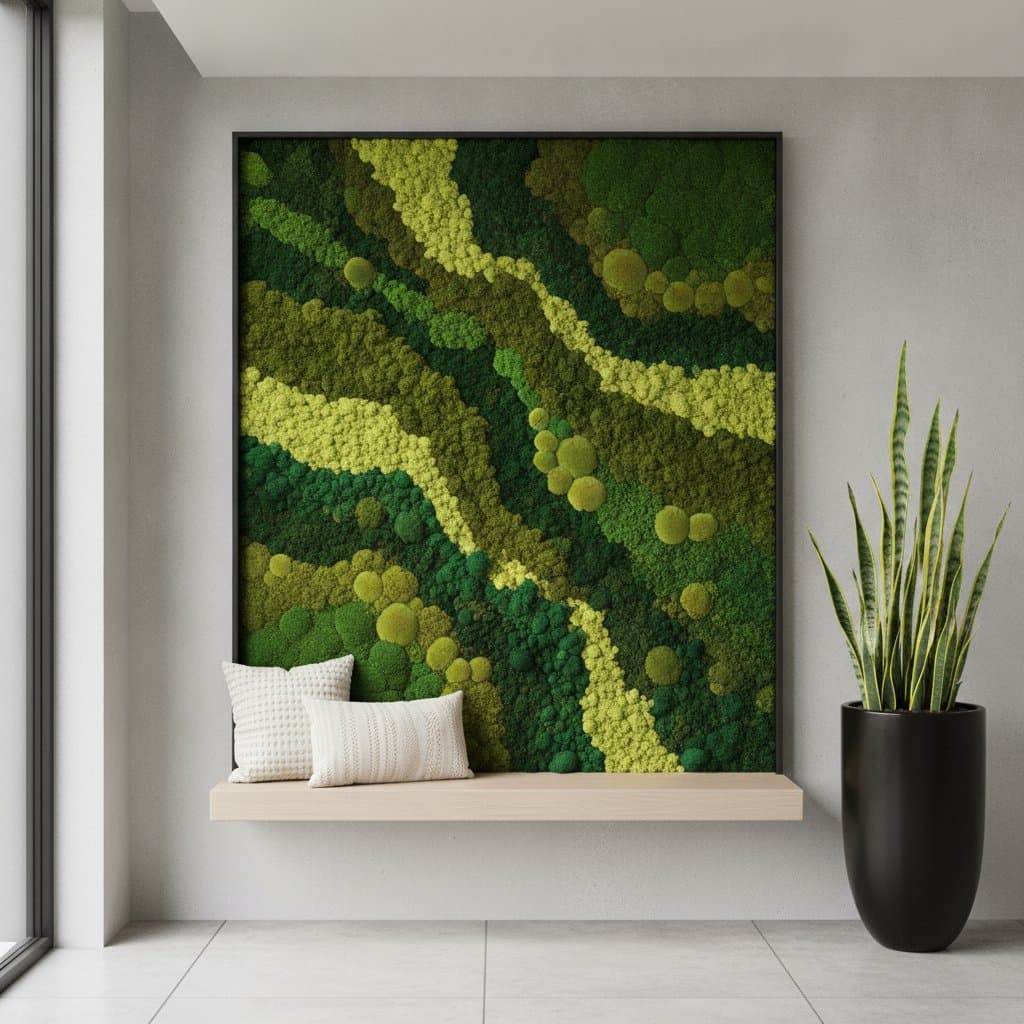
The feel of moss boosts its appeal in layouts. Options include dense, velvety types or airy, thread-like forms. Certain setups incorporate planned patterns or shade transitions, like an artist's range of greens from deep jade to bright lime. Solid coverings, on the other hand, offer a relaxing, reflective mood similar to spa environments.
Choose moss according to sunlight and local moisture levels for best results. In cooler regions, Leucobryum moss thrives in dim spots, producing a gentle luminescence on cloudy days. Such careful choices guarantee the wall improves appearance and withstands weather changes.
Effortless Upkeep Realities
Misconceptions exist about the maintenance needs of living moss walls, but they demand far less work than typical gardens. Moss grows well in dim areas, ideal for north-facing walls or spots under trees. It removes the necessity for frequent mowing, trimming, or fertilizing.
Watering consists of occasional light sprays, perhaps every few days in dry weather, to sustain growth. Check regularly for debris like leaves or dirt to avoid accumulation and support ongoing vigor. Without deep roots, moss stays attached after setup, lasting ten years or longer with simple attention.
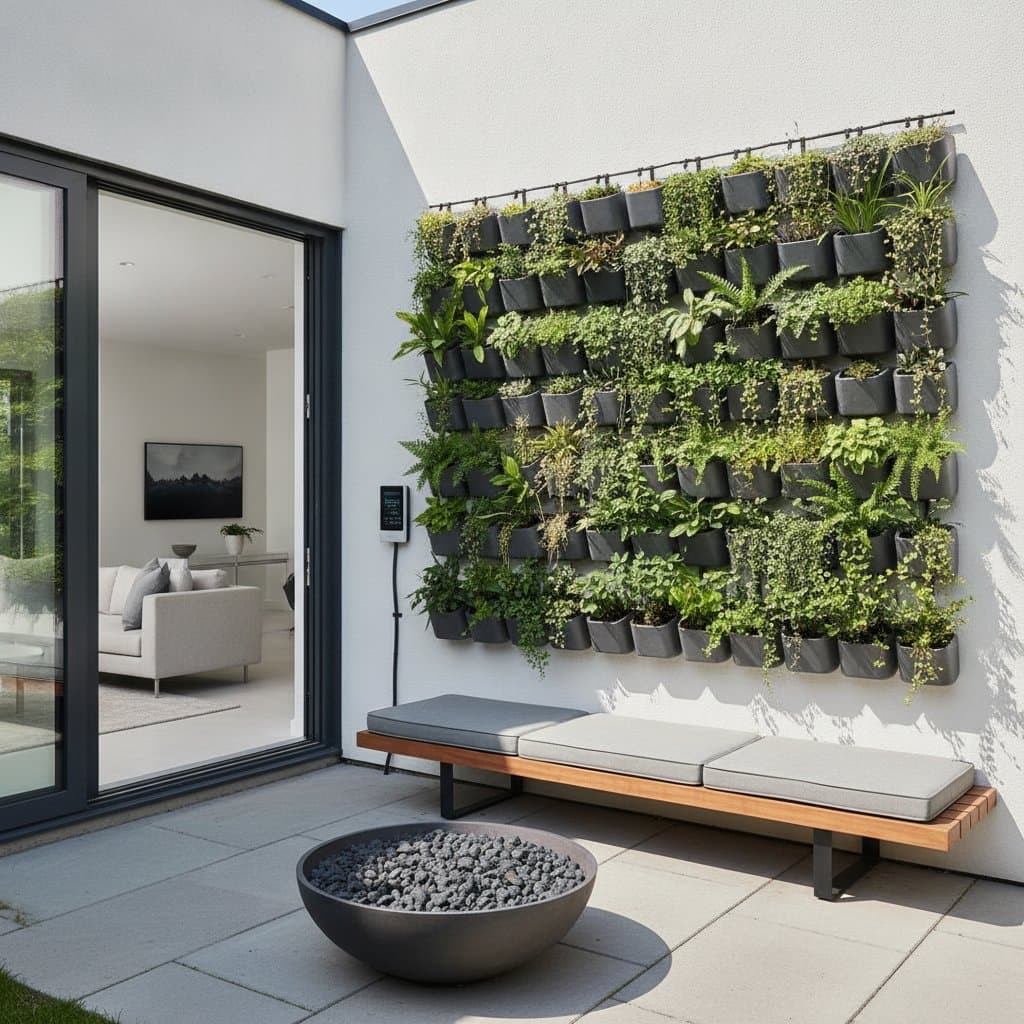
Consider adding a discreet drip system for automatic misting in dry climates, providing steady hydration without constant effort. This method preserves the wall's freshness and uses less water than high-demand grass areas.
Embracing Sustainable Outdoor Trends
The rise of moss walls reflects broader changes in green-focused yard design. People desire homes that connect interior ease with outdoor nature, while cutting environmental strain. These upright elements highlight that connection, transforming the home's visible front into a statement of intentional advancement and earth care.
Digital communities speed up this movement by displaying moss projects as lively creations. Starting from innovative building concepts, moss walls now represent a union of eco-friendly habits and elegant preferences, encouraging broad use among style followers.
This development supports worldwide efforts for city vegetation, as moss walls help create milder local climates. In crowded urban zones, they can drop surrounding heat by as much as 5 degrees Celsius via moisture evaporation and protective layering, improving livability and reducing energy needs.
Steps to Install Your Moss Wall
Start small when adding a moss wall to test how it works in your area. Place a compact framed section near the entry or along a fence edge to monitor its fit and growth. This test shows how the moss responds to your site's illumination and dampness.
Pick types suited to your environment; in seaside locations, choose salt-resistant Bryum moss. Use strong, air-permeable bases like cork sheets or netting to hold the moss while allowing circulation. For larger efforts, consult a yard specialist to check support requirements and secure installation.
Factor in costs for supplies and work, which run from affordable for self-made units to more for tailored designs. Over time, savings come from lower care and utility expenses, justifying the upfront spend for lasting beauty.
Realizing Lasting Yard Benefits
Living moss walls go beyond trends to form key parts of refined outdoor spaces. They make front yards into engaging surfaces that provide tranquility, green contributions, and strong visual draw. When you see a home wrapped in living greenery, take a moment to note the quiet energy that lifts routine areas into special havens.